
Useful Visitor Safety Procedures for High-Risk Facilities That Protect People and Operations

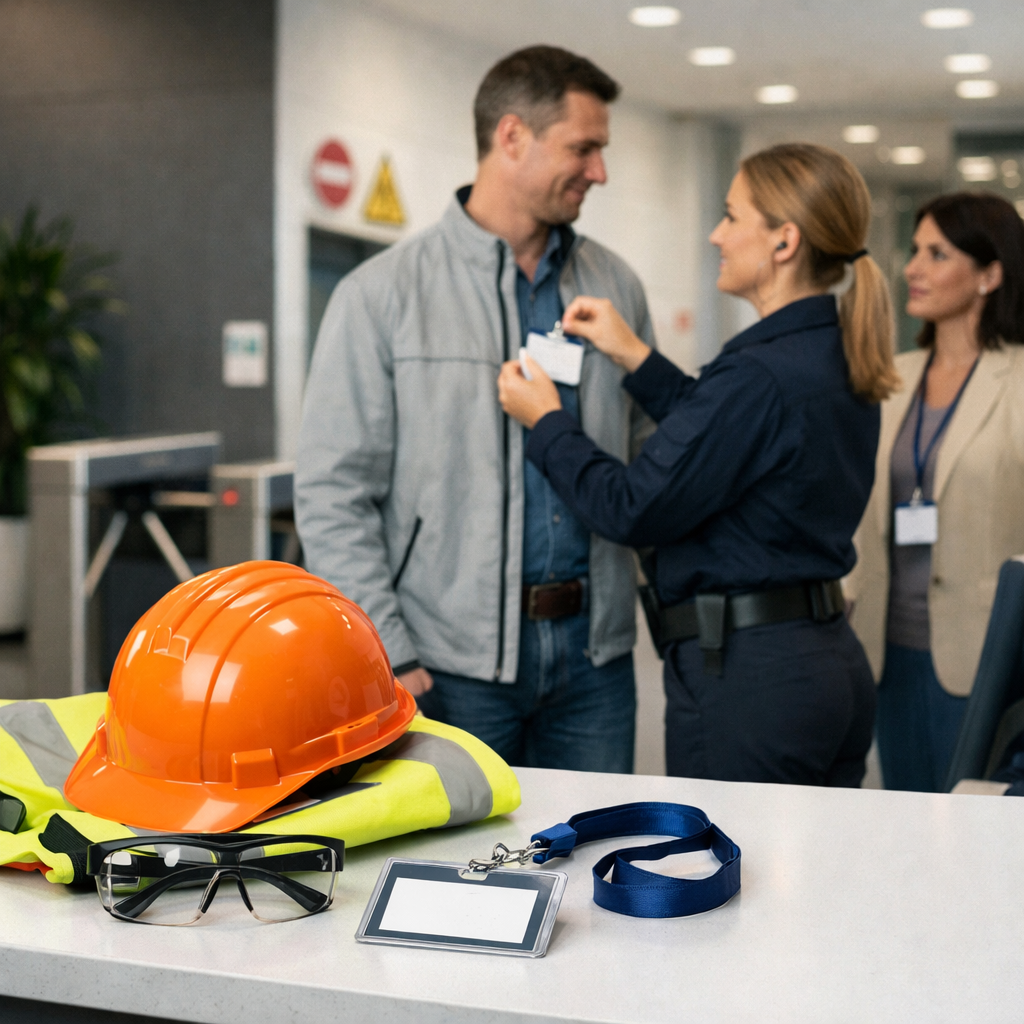
Visitor safety procedures are essential in high-risk facilities because even a short visit can expose contractors, clients, auditors, delivery personnel, and other guests to serious hazards.
Whether the site is a chemical plant, manufacturing floor, laboratory, warehouse, mine, or energy facility, a visitor who is unfamiliar with the environment may not recognize warning signs, traffic patterns, or restricted processes until it is too late.
Strong procedures reduce injuries, protect sensitive operations, and help organizations meet legal duties.
They also show visitors that safety is managed professionally, not treated as an afterthought.
Practical planning should cover who can enter, where they can go, what protective equipment they need, and who is responsible for supervising them during the visit.
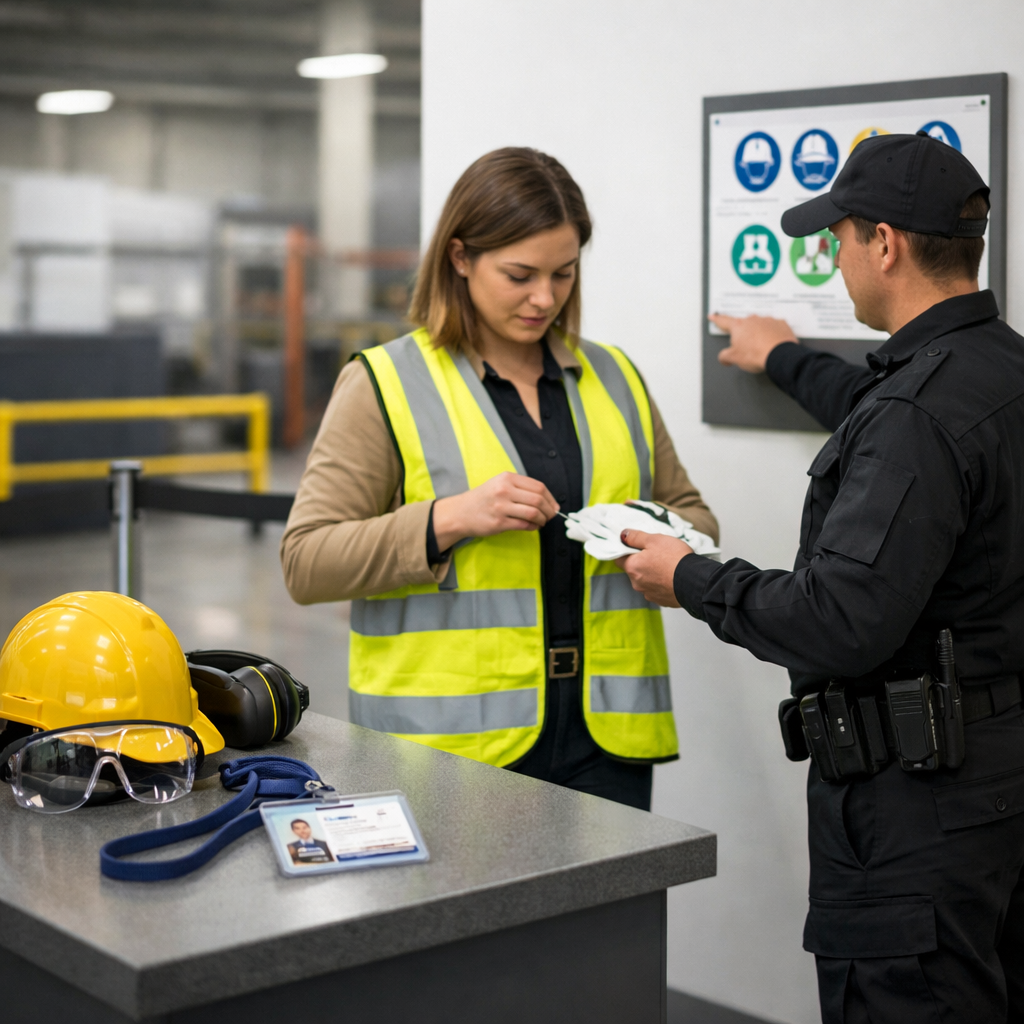
Guidance from OSHA and CCOHS supports this approach by emphasizing hazard awareness, access control, and clear communication.
- Visitor safety procedures start before anyone arrives on site
- Visitor safety procedures should include clear briefings and sign-in controls
- Escorts, PPE, and restricted areas are the core of practical visitor safety procedures
- Maintain visitor safety procedures during the visit and improve them afterward
Visitor safety procedures start before anyone arrives on site
The safest visit is the one that has been properly planned in advance.
Before access is approved, the host should identify why the visit is necessary, what areas will be accessed, and whether the task can be handled remotely instead.
This reflects the Hierarchy of Controls: if a physical visit can be eliminated, the risk is removed entirely.
If the visit must happen, the next step is to assess site-specific hazards and define controls that match the visitor’s purpose.

Pre-visit screening and approval
A simple approval process can prevent unsuitable access.
For example, a tour group should not be routed through an active maintenance zone, and a supplier collecting signatures should not be allowed near energized equipment or process vessels.
Good visitor safety procedures usually require hosts to confirm:
- the visitor’s identity and company details
- the reason for the visit and expected duration
- areas requested for access
- whether photography, sampling, or inspections are involved
- medical, mobility, language, or PPE considerations
- escort requirements based on risk level
Many facilities also send pre-arrival instructions so guests know what footwear, clothing, and identification to bring.
This can be reinforced on internal pages such as site access policy or contractor safety requirements.

Match controls to the type of visitor
Not all visitors create the same risk.
An executive tour, a maintenance contractor, and a regulator may each require different controls, access rights, and supervision.
Visitor safety procedures should be flexible enough to reflect this reality while still maintaining a consistent baseline.
| Visitor Type | Typical Risk Level | Common Controls |
|---|---|---|
| Office guest or client | Low to moderate | Sign-in, badge, briefing, escorted access outside office areas |
| Auditor or inspector | Moderate | Area approval, PPE, escort, restricted photography rules |
| Contractor or technician | High | Permit checks, competency review, PPE, task controls, escort if needed |
| Public tour group | Moderate to high | Limited route, close escorting, barriers, briefing, emergency accountability |
Visitor safety procedures should include clear briefings and sign-in controls
Arrival is the moment when assumptions can be corrected.
Even experienced visitors need a site-specific briefing because every facility has different alarms, evacuation routes, traffic rules, and prohibited actions.
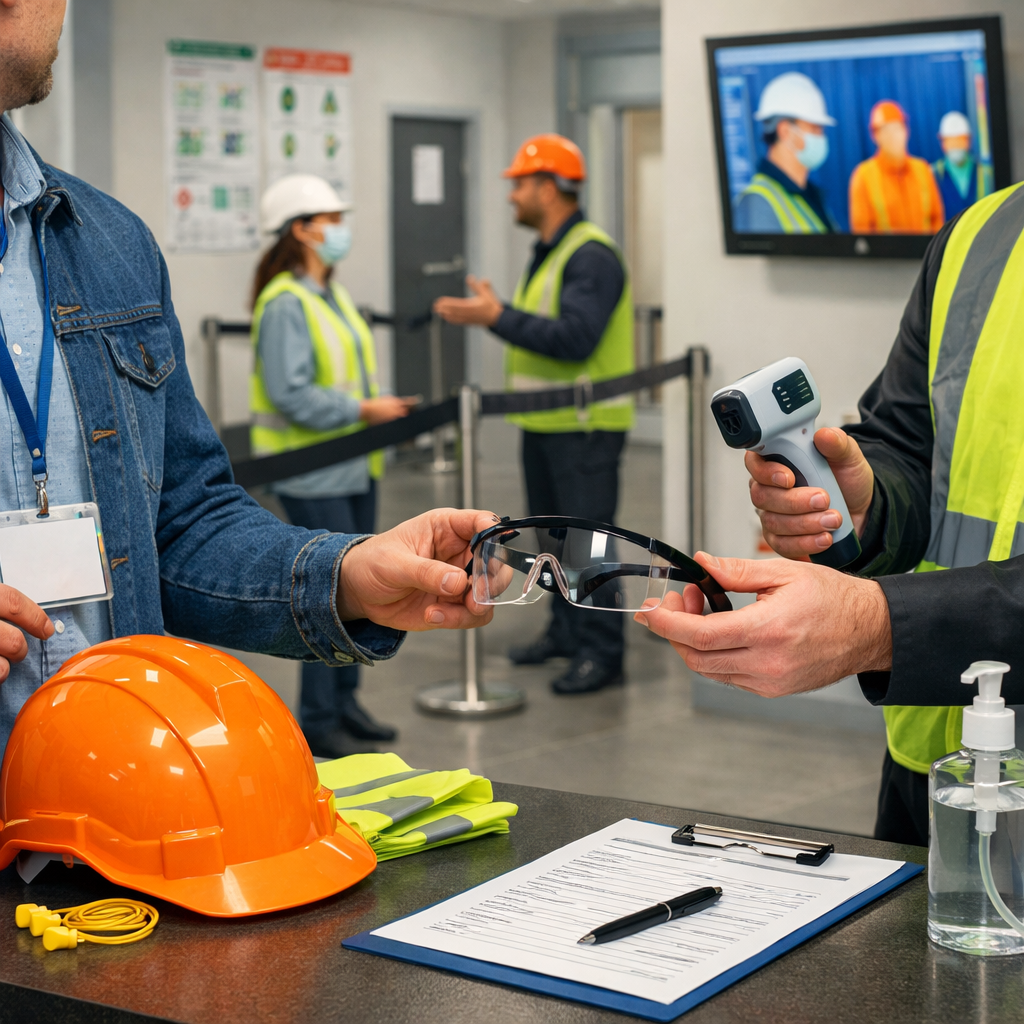
A visitor induction does not need to be long, but it must be relevant and easy to understand.
What a good visitor briefing should cover
Briefings should explain the hazards that matter most on that site.
That may include moving vehicles, forklifts, overhead lifting, chemical exposure, hot work, noise, slip hazards, confined spaces, radiation, high-pressure systems, or biological risks.
Visitor safety procedures should also tell people exactly what to do in an emergency, including who to follow and where to assemble.
- how to wear and display the visitor badge
- which alarms or announcements may sound
- evacuation routes and assembly points
- areas that are off-limits or require permits
- mobile phone, smoking, and photography restrictions
- how to report an incident, near miss, or health issue
- who their escort is and the rule against wandering off alone
Where language barriers exist, provide translated material or a competent interpreter.
For hearing protection zones or loud production areas, written instructions can be especially useful.
Sign-in, badges, and accountability
Sign-in systems are not just administrative tools.
They are part of emergency control because they help the site confirm who is present during an evacuation or lockdown.
At minimum, visitor safety procedures should require sign-in, visible identification, host notification, and sign-out on departure.
Digital systems can improve traceability, but a paper backup is still valuable during power or network outages.
Escorts, PPE, and restricted areas are the core of practical visitor safety procedures
In high-risk facilities, these three controls do much of the day-to-day safety work.
They limit exposure, prevent unauthorized entry, and help visitors move through unfamiliar environments without creating new hazards for themselves or others.
Why escorts matter
An escort is often the single most effective administrative control for visitors.
The escort ensures the visitor stays on the approved route, follows local rules, and responds correctly if conditions change.
This is especially important around live operations, energized systems, vehicle routes, process areas, laboratories, and construction zones.
Escorts should understand both the site hazards and the limits of the visitor’s authorization.
They are not just guides; they are responsible for maintaining control of the visit.
For higher-risk areas, choose escorts who are operationally competent and empowered to stop the visit if unsafe conditions arise.
PPE must be suitable, fitted, and enforced
Personal protective equipment is not the first line of defense, but it remains essential when hazards cannot be fully eliminated or engineered out.
Visitor safety procedures should specify minimum PPE for each area and confirm that equipment is available in suitable sizes.
Typical requirements may include safety glasses, hard hats, high-visibility clothing, gloves, hearing protection, flame-resistant clothing, steel-toe footwear, or respiratory protection.
Do not assume visitors know how to wear PPE correctly.
A quick demonstration can prevent simple but serious mistakes, such as poorly fitted eye protection or hearing protection worn incorrectly.
If specialized PPE is required, such as respirators, chemical suits, or arc-rated clothing, access should only be allowed when the visitor is properly trained, medically cleared where necessary, and authorized.
Restricted areas need visible boundaries
Restricted areas should never depend on verbal warnings alone.
Use physical barriers, locked doors, permit systems, floor markings, signage, and access cards to control entry.
Examples include control rooms, confined spaces, hazardous chemical storage, high-voltage rooms, clean rooms, and active maintenance zones.
Visitor safety procedures should make it clear that restricted means restricted, even if a visitor is senior, in a hurry, or accompanied by someone from management.
Consistency matters because exceptions undermine the whole system.
Maintain visitor safety procedures during the visit and improve them afterward
Safety management does not end once the badge is issued.
Conditions can change quickly in high-risk environments, so the host and escort should keep monitoring the visit from start to finish.
If weather changes, production ramps up, alarms activate, or maintenance begins nearby, the route may need to be changed or the visit paused.
Active monitoring and incident readiness
During the visit, visitors should remain within approved areas and under the level of supervision set during planning.
If they need to enter a new location, fresh approval should be obtained first.
This is particularly important where permit-to-work systems apply.
If a visitor becomes unwell, loses PPE, or fails to follow instructions, the escort should stop the visit and move them to a safe area.
Visitor safety procedures should support stop-work authority and make clear that schedule pressure never comes before safety.
Review and continuous improvement
After the visit, review what worked and what did not.
Near misses, confusion during briefings, PPE shortages, poor signage, and delays in sign-in all provide useful lessons.
These findings can strengthen future visits and improve the wider safety system.
Many organizations include visitor management in routine audits and contractor reviews, which is a practical way to keep standards current and aligned with guidance from sources such as ISO 45001.
Visitor safety procedures work best when they are simple, consistent, and enforced at every level.
With clear briefings, suitable PPE, reliable escorts, and firm control of restricted areas, high-risk facilities can welcome necessary visitors without exposing them to unnecessary harm.
Well-designed visitor safety procedures protect people, support compliance, and keep operations running safely and professionally.
No comments yet