
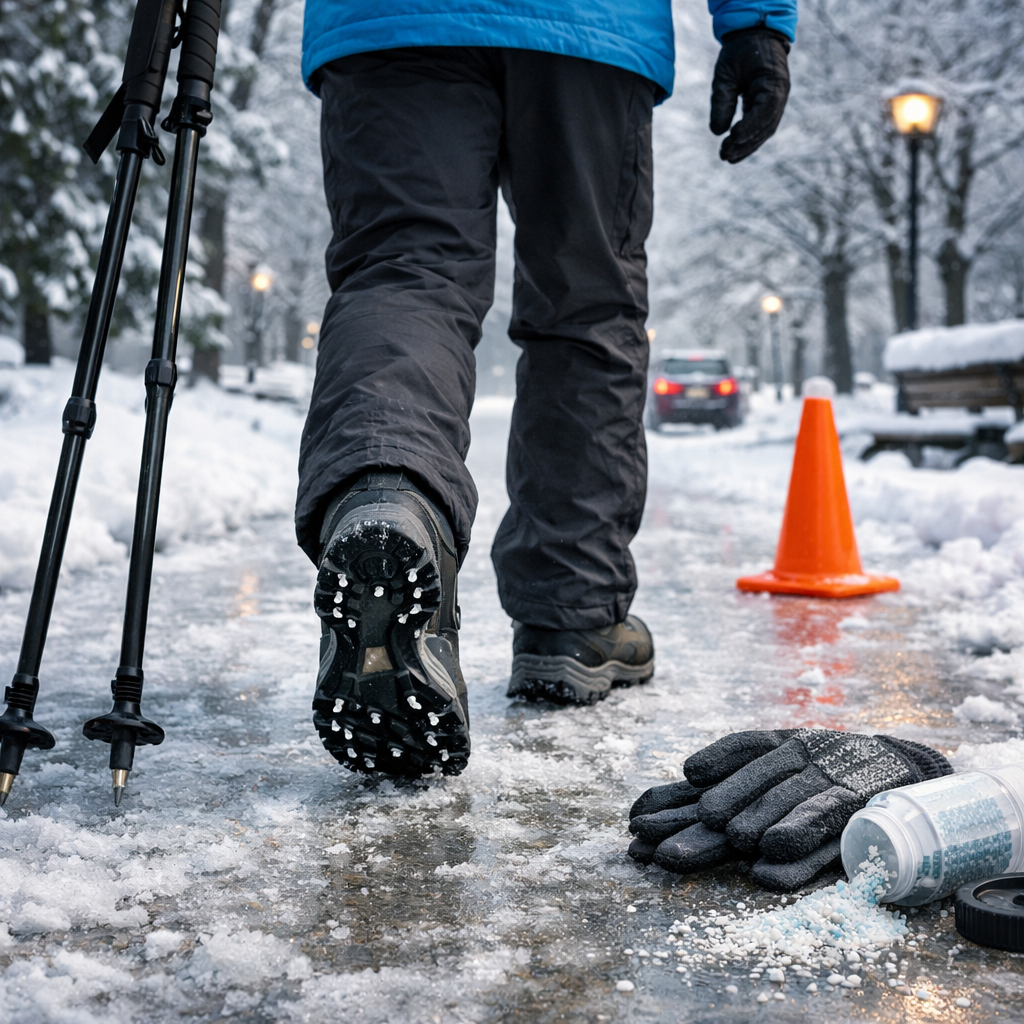

Winter walking safety matters every day for students who head to school, work placements, transit stops, and after-school activities during Canadian winters.
Snow, ice, slush, early darkness, and busy roads can turn a short walk into a preventable injury risk if students are not prepared. For families, schools, and young workers, the goal is simple: reduce slips, falls, and close calls with traffic by planning ahead, dressing properly, and using safe walking habits.
In Ontario and across Canada, winter conditions can change quickly. A route that looks manageable in the morning can become icy by afternoon. That is why practical routines, clear expectations, and consistent awareness are at the core of effective winter walking safety.
Why winter walking safety deserves extra attention
Walking is part of daily life for many students. Some walk from home to school, some cross parking lots to reach college classes, and others travel between transit stops and part-time jobs. In winter, each of those settings can create different hazards.
Sidewalks may be uneven under packed snow. School entrances can become slippery from melted snow tracked indoors. Parking lots and drop-off zones are especially risky because drivers may have reduced visibility, longer stopping distances, and less traction.
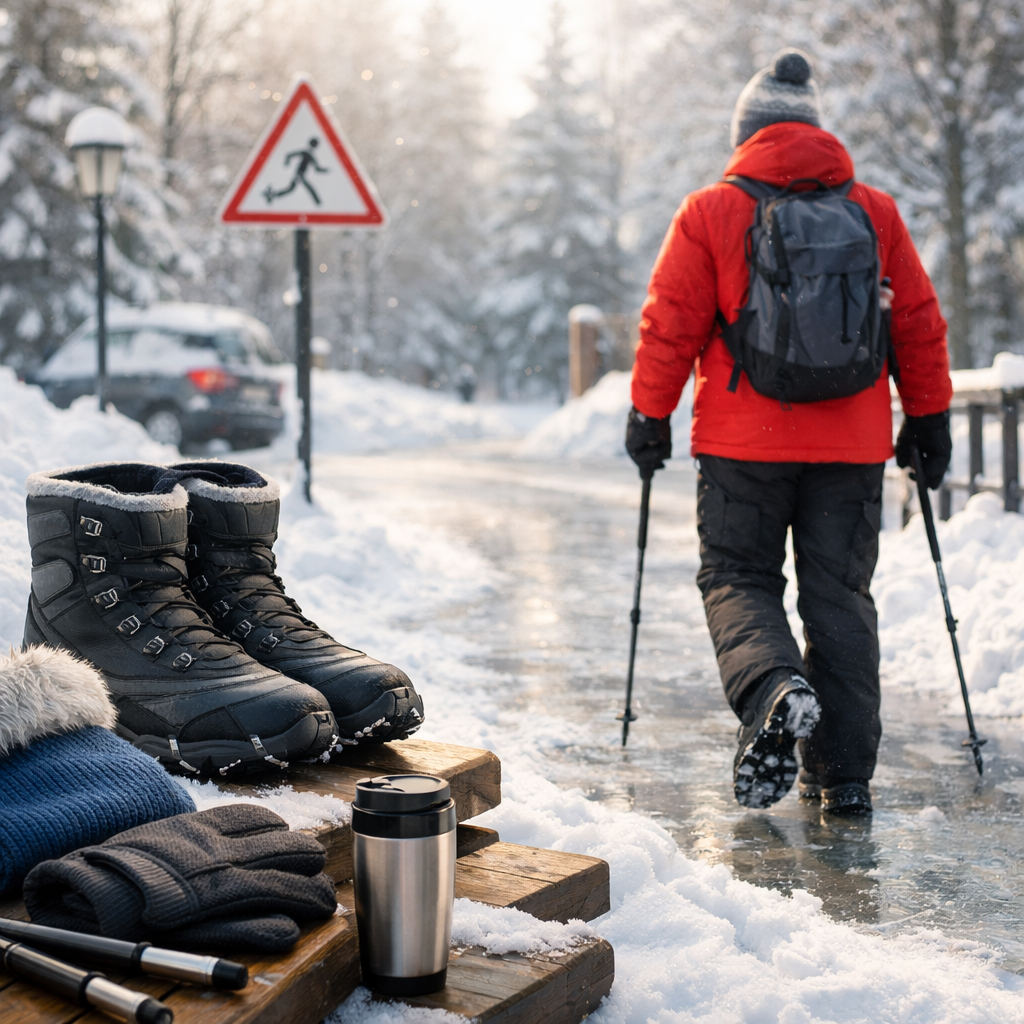
For older students and young workers, winter walking safety also connects to workplace health and safety. A student on co-op placement, at a campus job, or helping with outdoor tasks should follow site rules, wear required footwear, and report untreated icy areas. Resources from CCOHS and Ontario can support schools, employers, and families with general safety guidance.
Winter walking safety starts before students leave home
Choose the safest route, not just the shortest one
A slightly longer route with better sidewalk maintenance, controlled crossings, and good lighting is often the better choice. Students should avoid cutting through unplowed paths, climbing over snowbanks, or using shortcuts across icy lots.
Parents and caregivers can walk the route with younger students before winter conditions worsen. Schools can also remind families which entrances, sidewalks, and crossing points are safest during snow and ice events.
Dress for traction, visibility, and warmth
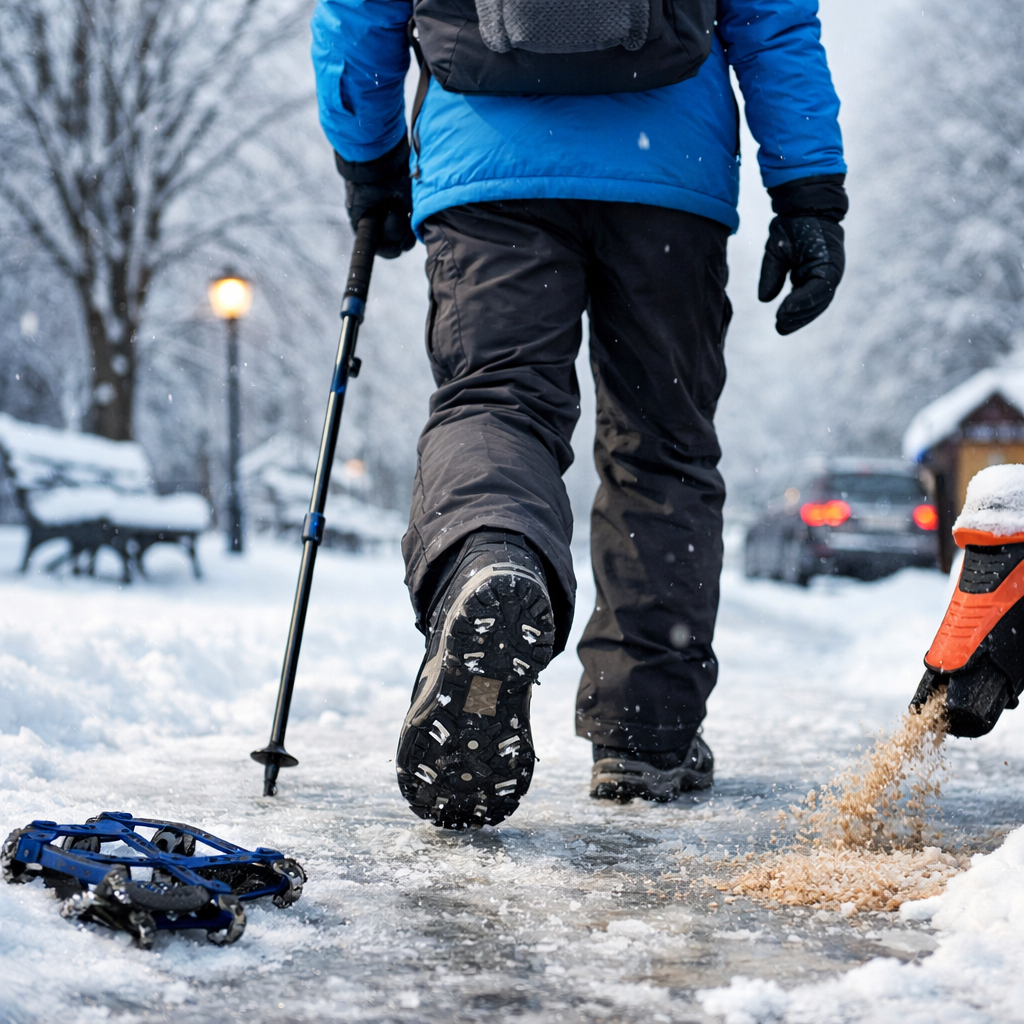
Footwear plays a major role in winter walking safety. Shoes or boots should have a tread pattern that grips better on snow and slush. Smooth soles can make a student far more likely to slip on compacted ice. Wet footwear can also reduce comfort and focus.
Clothing matters too. Bright or reflective outerwear helps drivers notice students in low light, especially at morning bus stops or after sports practice. Hats, gloves, and layers support warmth, but they should not block hearing or vision around roads and intersections.
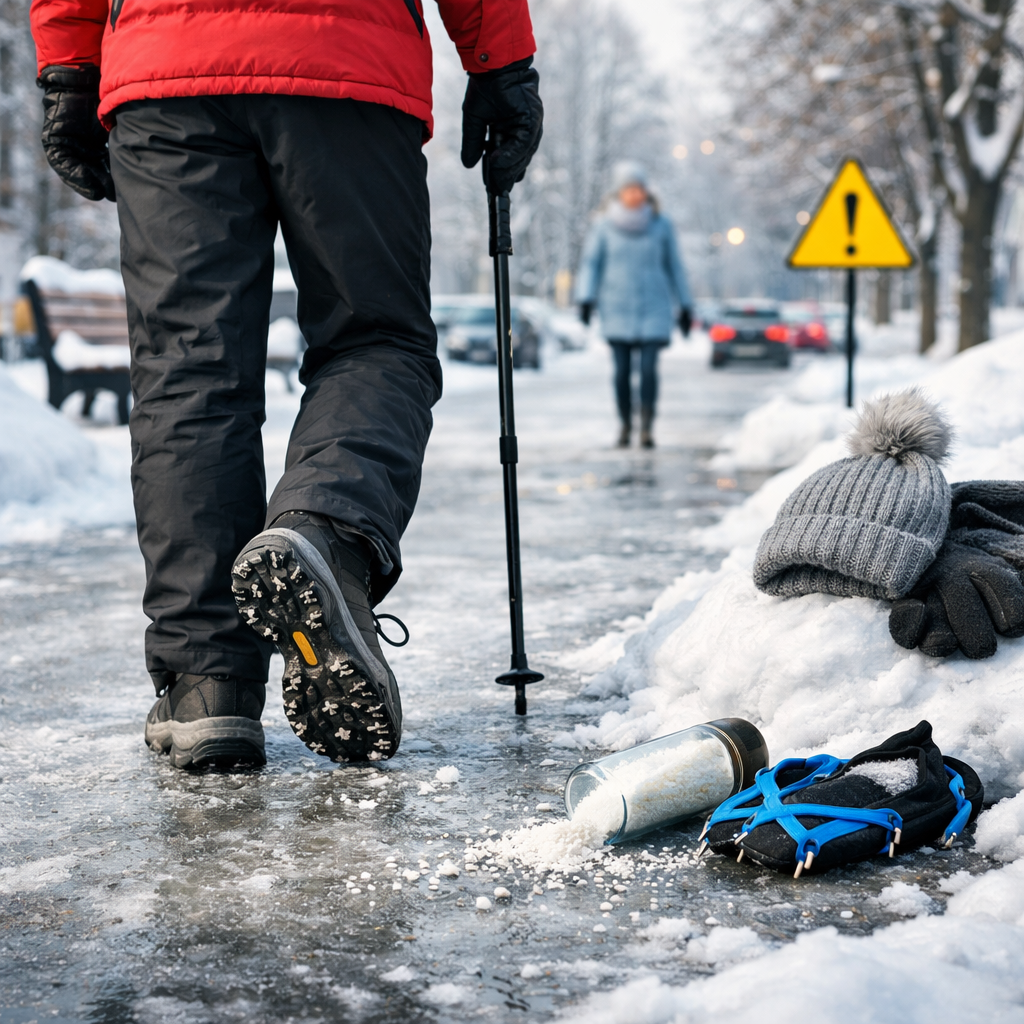
- Wear boots or shoes with good tread for better grip on snow and ice.
- Use reflective or bright clothing so drivers can see you earlier.
- Keep hands free instead of carrying too many loose items.
- Choose a backpack that fits well so weight stays balanced.
- Check the weather and allow extra time before leaving.
A short winter walking safety checklist
Before heading out, students can quickly ask:
- Are my boots suitable for snow and ice?
- Can drivers and cyclists see me clearly?
- Do I know the safest crossing points on my route?
- Do I have enough time to walk slowly and carefully?
- Is my phone away so I can pay attention near traffic?
Safe walking habits on snow, ice, and slush
Slow down and use stable movement
One of the most effective winter walking safety habits is simply slowing down. Rushing for the bell, the bus, or a shift start increases the chance of a sudden slip. Shorter steps and a steady pace can improve balance on icy surfaces.
Students should keep their centre of gravity stable, avoid sudden turns, and use handrails where available. If a walkway looks polished, wet, or uneven, treat it as slippery even if ice is not obvious.
Watch where hazards collect
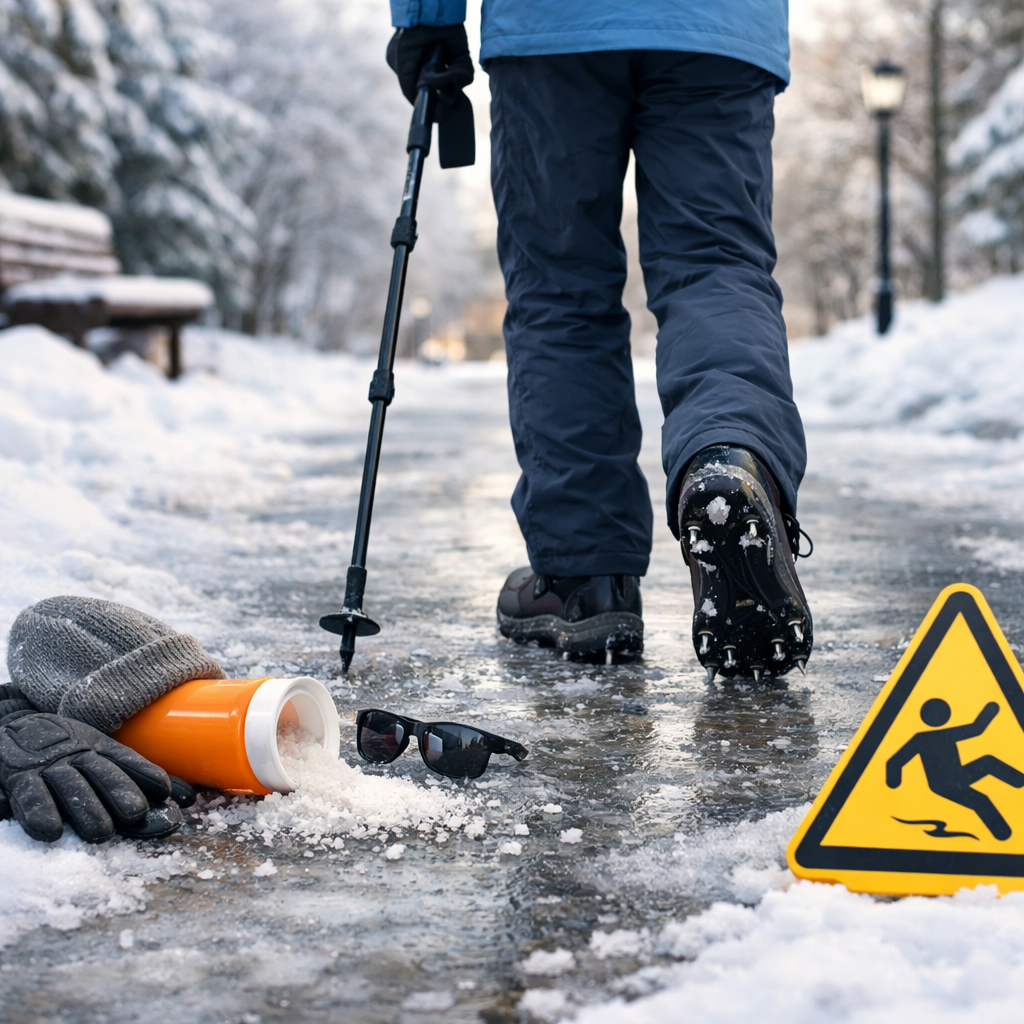
Certain areas become dangerous faster than others. Entranceways, ramps, stairs, painted crosswalk lines, curb edges, and spots near parked vehicles often hide packed snow or black ice. Meltwater during the day can refreeze quickly in the evening.
At schools and campuses, students should use designated walkways instead of stepping into vehicle lanes to avoid puddles or snowbanks. If an area is not cleared, report it to school staff, property management, or a supervisor. On a worksite or training placement, following local reporting procedures is part of good prevention practice.
| Hazard area | Why it is risky | Safer action |
|---|---|---|
| School entrances | Melted snow creates wet, slippery floors | Walk slowly, wipe footwear, use mats and handrails |
| Parking lots | Vehicles may slide or back up with limited visibility | Use marked walkways and make eye contact with drivers |
| Bus stops and curb edges | Packed snow and slush reduce footing | Stand back from the curb and step carefully |
| Stairs and ramps | Ice buildup increases fall severity | Take one step at a time and hold handrails |
Winter walking safety around roads, buses, and school zones
Assume stopping distances are longer
Students should never assume a driver can stop quickly in winter. Snow and ice reduce traction, and blowing snow or frost can affect visibility. Even in familiar school zones, traffic hazards increase when roads are slick and daylight is limited.
Use crosswalks and signals where available, and wait for a clear gap. Looking both ways remains essential, but students should also keep scanning as they cross. A turning driver may be focused on other vehicles and not notice a pedestrian right away.
Reduce distractions and increase visibility
Phones, earbuds, and hoods can interfere with awareness. For strong winter walking safety, students should pause music, put phones away when crossing, and keep their heads up. If a hood blocks side vision, stop and check carefully before stepping off a curb.
In low light, reflective strips on backpacks and coats can help. Families may also consider adding a small light or reflective tag to a school bag, provided it does not create a distraction or interfere with school rules.
Bus and drop-off safety matters too
Snowbanks can make it harder for students to see oncoming traffic or for drivers to see children. Students should stay in cleared waiting areas where possible and avoid pushing or playing near curbs. Around school buses, follow driver instructions, cross only when it is safe to do so, and stay alert for vehicles that may not react properly in winter conditions.
For additional prevention information, families may find general injury prevention guidance from Parachute useful, while schools and employers can explore workplace-oriented resources at OHSE.ca and training options at OHSE training.
Prevention at school, at home, and at work placements
Use a simple hierarchy of controls approach
Winter walking safety improves when hazards are controlled before a student reaches them. In health and safety practice, this means using the hierarchy of controls where reasonable.
- Elimination: Close unsafe paths or reroute students away from icy areas.
- Engineering controls: Install lighting, handrails, mats, and barriers where needed.
- Administrative controls: Post reminders, adjust arrival procedures, and communicate weather-related changes.
- Personal protective equipment: Use appropriate winter footwear and visible outerwear.
Schools can support prevention by maintaining walkways, salting and sanding priority areas, and monitoring entrances during storms. Families can reinforce habits at home by checking footwear, planning extra travel time, and reviewing safe crossing behaviour. Employers hosting young workers or co-op students should ensure outdoor routes are maintained and that students know how to report hazards.
If a student does slip or fall, local school, workplace, manufacturer, or emergency guidance should be followed as applicable. The best approach, however, is prevention: notice hazards early, report them promptly, and never treat winter surfaces as routine just because they are familiar.
Winter walking safety is not about fear. It is about practical choices that help students move confidently through snow, ice, and traffic. With proper footwear, visible clothing, safer routes, and careful road habits, students can reduce the chance of slips, falls, and traffic incidents throughout the season. For families, schools, and young workers, consistent winter walking safety habits can make every walk safer.
No comments yet