


WHMIS for students is an important topic for anyone learning, volunteering, or starting a first job in Canada.
Whether you are in a science classroom, a shop program, a co-op placement, or part-time work, you may come across products that can harm your health or create safety risks if they are not handled properly.
WHMIS helps students understand what those hazards are, how to read warning information, and what steps to take to stay safe.
In simple terms, WHMIS stands for the Workplace Hazardous Materials Information System. It is Canada’s national system for sharing information about hazardous products used at work. Students may first hear about WHMIS at school, but it also matters in workplaces such as restaurants, retail stores, warehouses, maintenance departments, salons, health settings, and manufacturing environments. For Ontario students and families, this makes WHMIS a practical safety skill, not just a classroom topic.
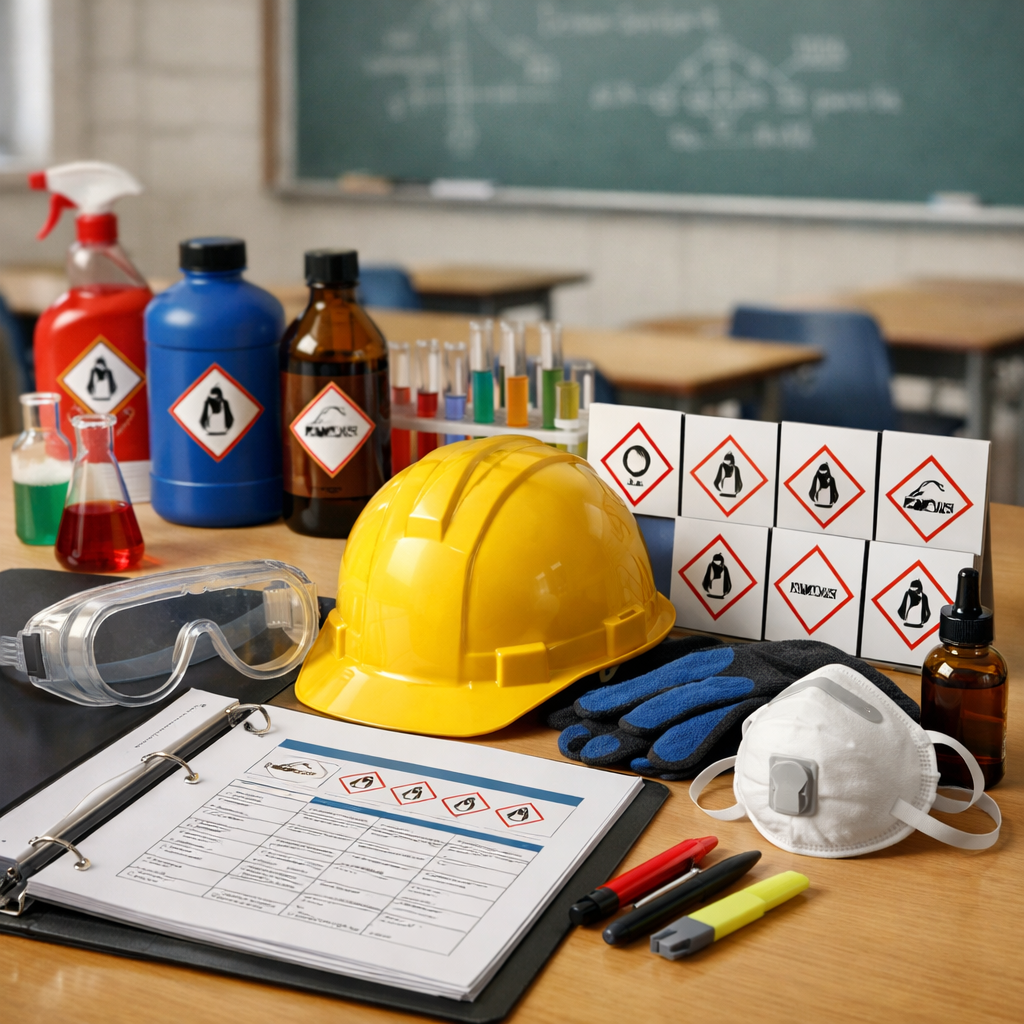
The goal is prevention. When students know how to identify labels, read safety data sheets, and follow safe handling procedures, they are better prepared to avoid injuries and exposures. Schools, employers, and supervisors also have a role in providing instruction and making sure products are used correctly. For general Canadian health and safety guidance, readers can refer to CCOHS, Ontario, and Health Canada.
What WHMIS for students means in real life
WHMIS for students applies anywhere a student may be near a hazardous product. That could be a cleaning chemical in a school custodial area, a solvent in an automotive class, a disinfectant in a co-op placement, or a product used in a food service job.
Hazardous products can affect the body in different ways. Some may irritate the skin or eyes. Others may be flammable, corrosive, or dangerous if inhaled. This is why students should never assume that a product is safe just because it looks ordinary or is commonly used.
Core parts of WHMIS
WHMIS is built around a few basic elements that students should recognize:
- Labels that identify hazards and safe handling information
- Pictograms that quickly show the type of danger
- Safety data sheets that provide detailed product information
- Education and training so people know how to work safely
For students, this means learning how to pause, read, and ask questions before using a product. If something is unclear, the safest choice is to stop and speak with a teacher, supervisor, or other responsible adult.
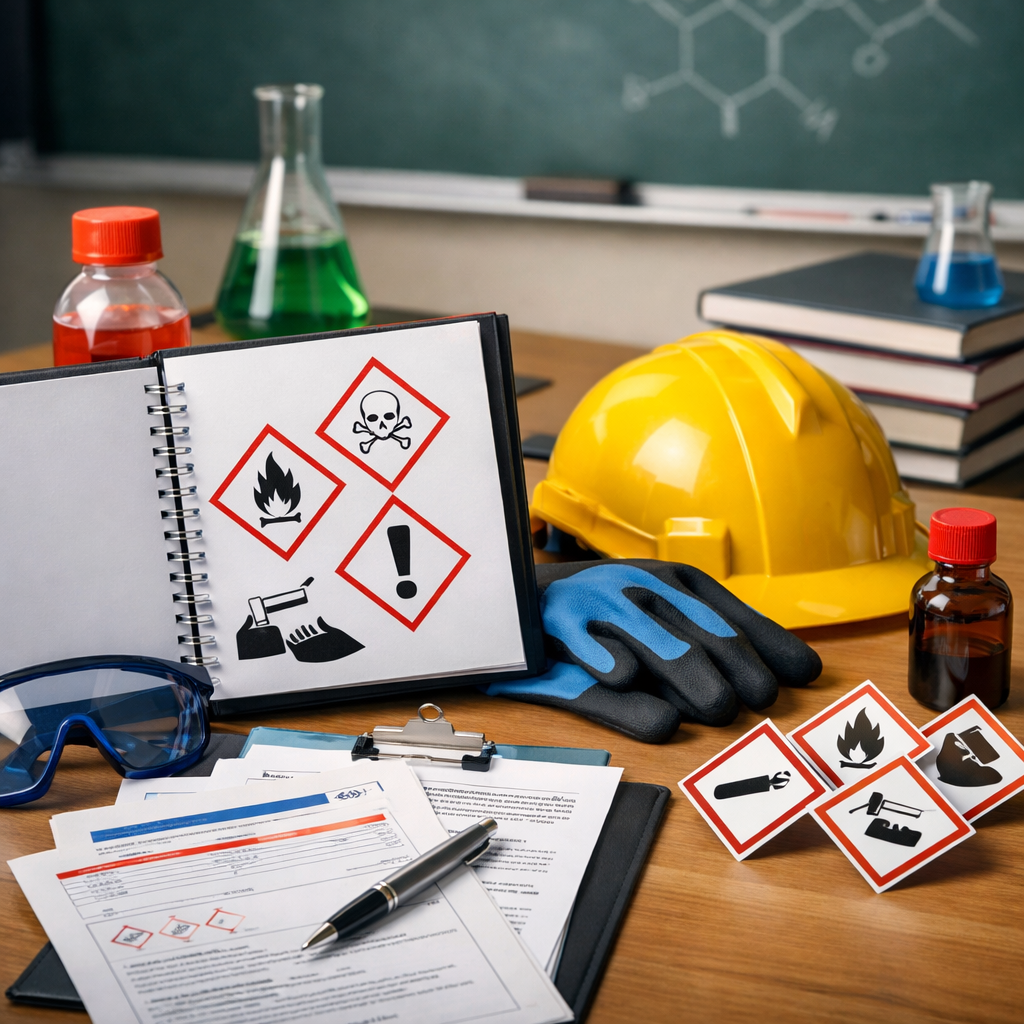
WHMIS for students: labels, pictograms, and safety data sheets
One of the most useful parts of WHMIS for students is learning how to recognize hazard information quickly. Labels are often the first warning you will see on a product container. A proper label may include the product name, hazard pictograms, signal words, precautionary statements, and supplier information.
Pictograms are designed to be easy to recognize. For example, some pictograms warn about fire risk, some warn about corrosion, and others indicate serious health hazards. Students do not need to memorize everything at once, but they should become familiar with the symbols used in their classroom or workplace.
Safety data sheets, often called SDSs, give more detailed information. They can explain safe storage, protective equipment, first-aid information, and what to do if there is a spill or accidental exposure. A student may not read every section every day, but they should know where the SDS is kept and how to access it when needed.
| WHMIS element | What it tells students | Why it matters |
|---|---|---|
| Label | Basic hazards and precautions | Helps you identify risks before use |
| Pictogram | Type of danger at a glance | Supports fast hazard recognition |
| Safety Data Sheet | Detailed handling and emergency information | Guides safer work and response |
| Training | How to use products safely in your setting | Builds confidence and prevents mistakes |
If you are looking for more workplace safety learning for beginners, OHSE training and information at OHSE.ca can help support classroom and job-readiness learning.
How students can stay safe around hazardous products
Knowing the system is only part of the picture. WHMIS for students becomes truly useful when students connect it to everyday behaviour. The safest students are often the ones who slow down, follow instructions, and avoid taking shortcuts.
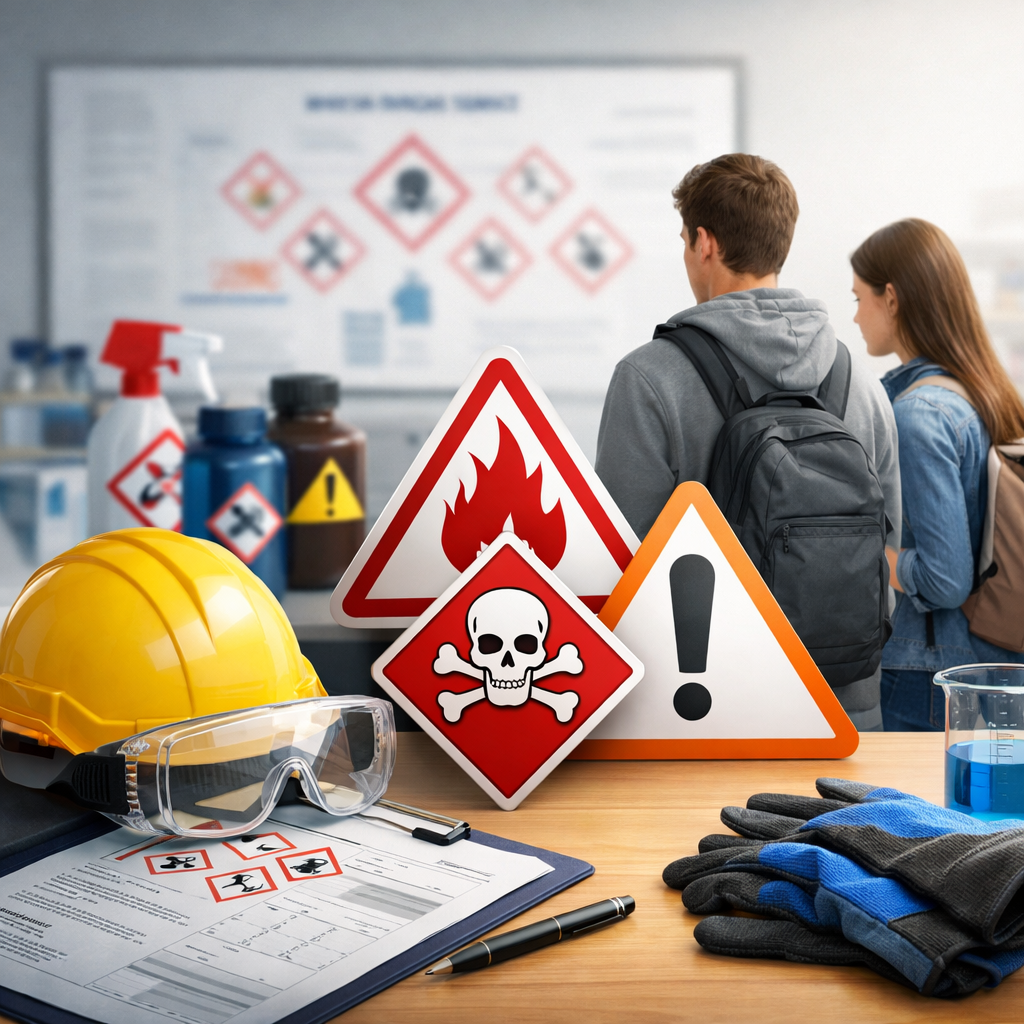
Use the hierarchy of controls
In schools and workplaces, safety should not depend only on personal caution. A good safety approach uses the hierarchy of controls. This means trying stronger protections first, such as removing a hazard, replacing a dangerous product with a safer one, or using equipment and ventilation to reduce exposure. Rules, supervision, and training are also important. Personal protective equipment, such as gloves, goggles, or aprons, may still be needed, but it should not be the only control.
For example, if a class uses a chemical with fumes, the school may choose a less hazardous product, use local ventilation, limit access, provide instructions, and require eye protection. In a student job, a supervisor might provide safer cleaners, labelled containers, and clear procedures for storage and cleanup.
Simple safety habits that matter
- Read the label before using any product
- Know where the SDS is available
- Wear the protective equipment required for the task
- Never mix products unless you are trained and authorized
- Keep products in their proper containers
- Wash hands after handling hazardous products
- Report damaged labels, leaks, or spills right away
- Ask for help if instructions are unclear
Students should also follow local school, workplace, manufacturer, or emergency guidance where applicable. Procedures may differ depending on the setting, age group, and product involved.
WHMIS for students in schools, co-op, and first jobs
WHMIS for students is especially relevant during transitions, such as entering high school technical courses, beginning a co-op placement, or starting a first part-time job. These are the times when young people may be eager to help but less likely to recognize hazards on their own.
In a school setting, teachers should explain safe procedures before students use products in labs, arts spaces, kitchens, or shops. In a workplace, employers and supervisors are responsible for making sure workers, including young workers, understand the hazards they may face. Students should feel comfortable speaking up if they have not received enough instruction.
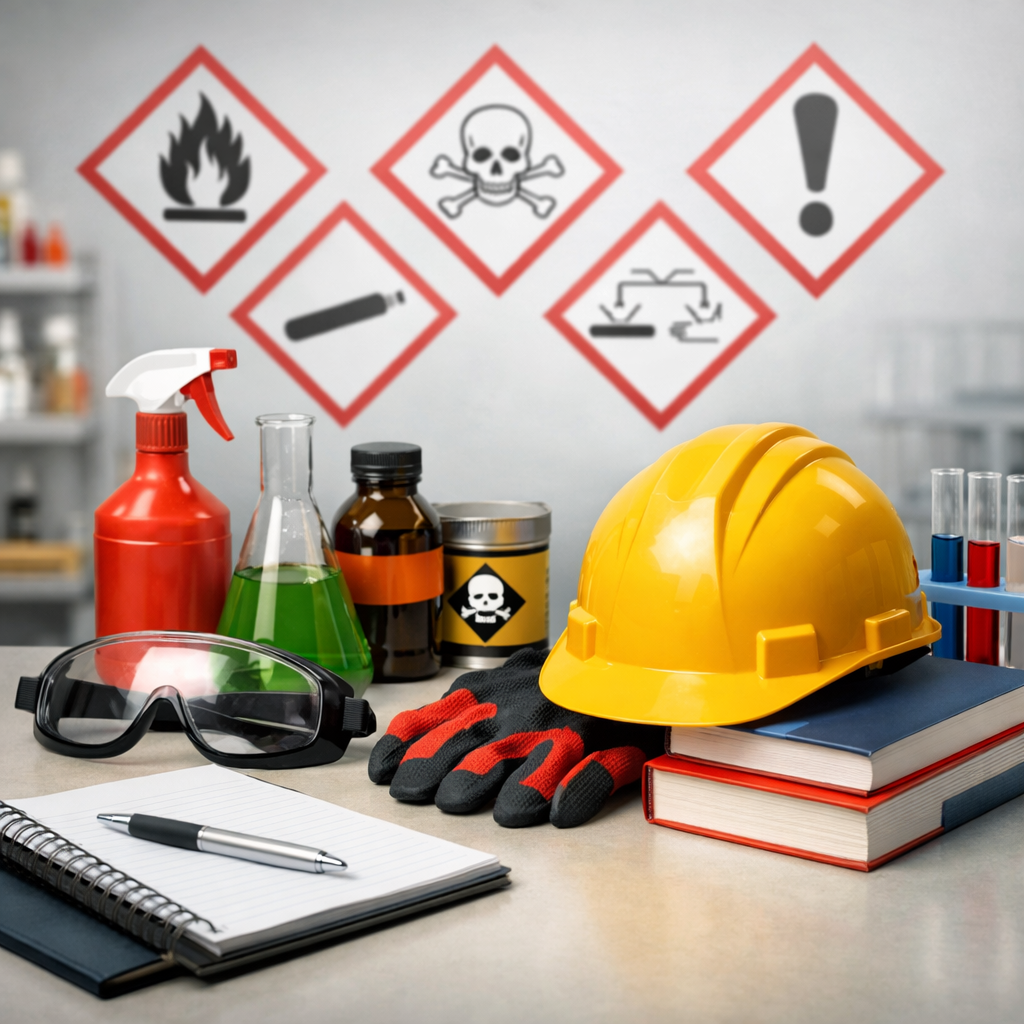
Parents and families can help by encouraging students to ask basic safety questions:
- What products am I using?
- What hazards do they have?
- Where are the labels and SDSs?
- What protective equipment do I need?
- Who do I tell if something goes wrong?
Short actionable checklist
Use this quick checklist before starting a task:
- I know the product name
- I have read the label
- I understand the main hazard
- I know where the SDS is
- I have the right protective equipment
- I know who to ask for help
- I know what to do if there is a spill or exposure
This kind of routine helps students build safe habits early. It also supports confidence. Safety awareness does not mean being afraid of every product. It means understanding the hazard and using the right controls.
For broader injury prevention information relevant to young people and families, Parachute may also be useful alongside official workplace resources.
WHMIS for students is not just a lesson to memorize. It is a practical skill that helps protect health and safety in classrooms, placements, and workplaces across Canada. When students learn to read labels, understand pictograms, find safety data sheets, and follow safe procedures, they are better prepared to handle real-world tasks responsibly. The best approach is calm, informed, and prevention-focused: ask questions, follow instructions, use the right controls, and never guess when a hazardous product is involved. By treating WHMIS for students as an everyday safety habit, schools, families, and young workers can support safer learning and safer work from the very start.
No comments yet