
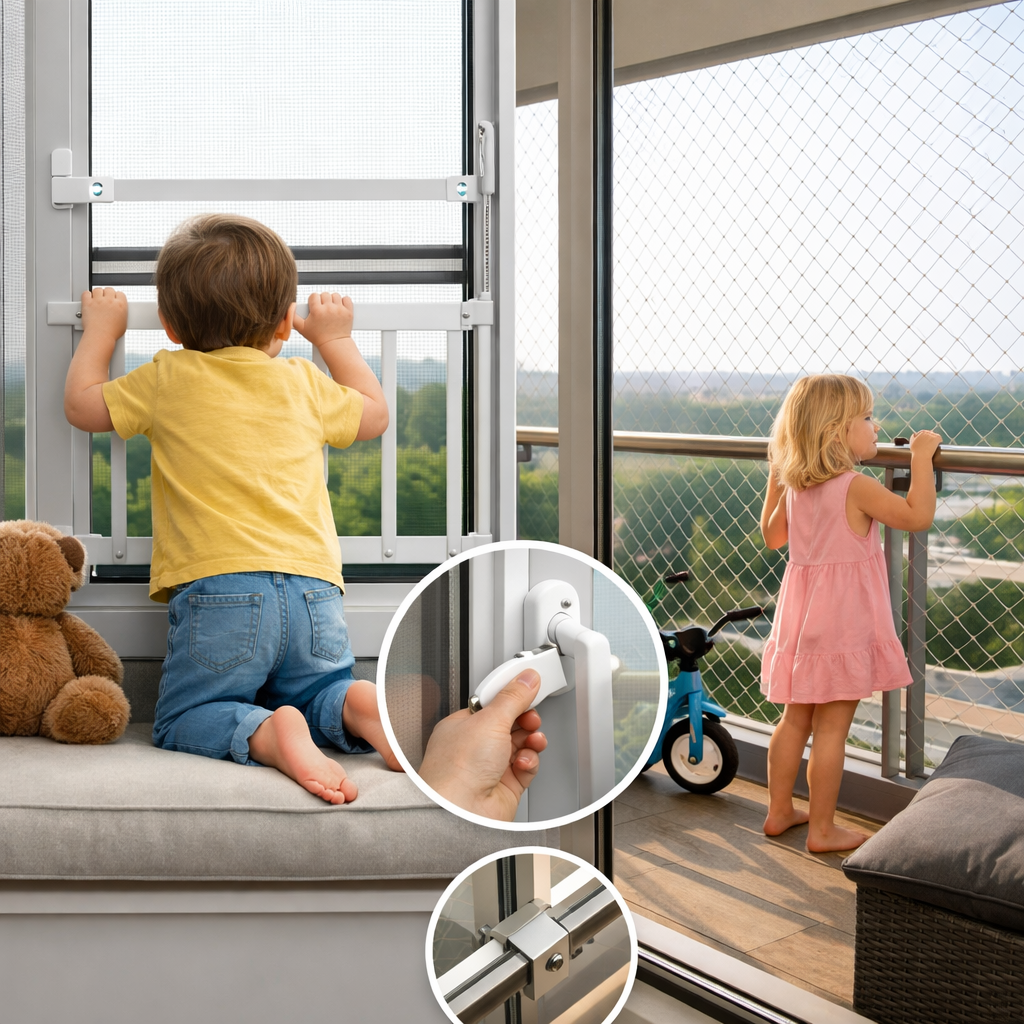

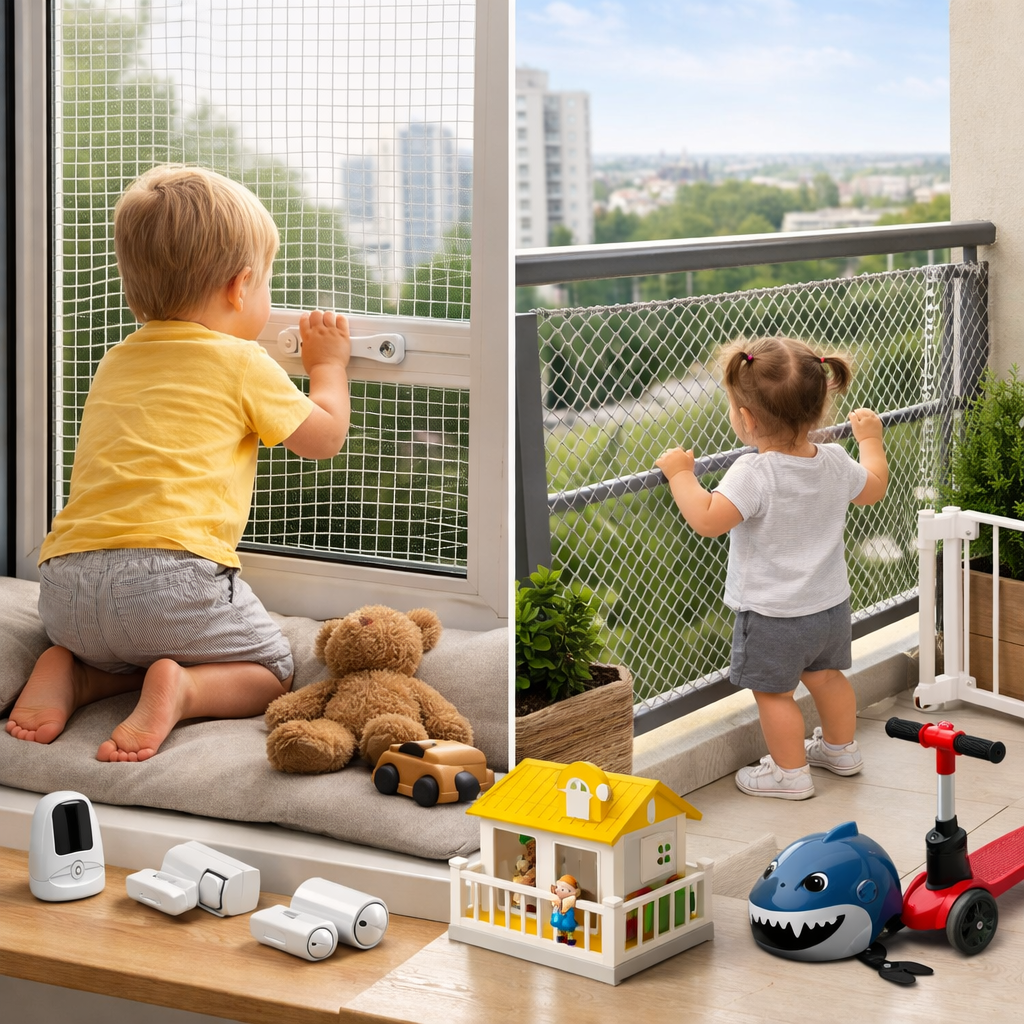
Window and balcony safety for children should be a priority in every home, school, child-care space, and multi-unit residence. Falls from windows and balconies can happen quickly during everyday activities such as playing, cleaning, moving furniture, or getting fresh air. In Canadian homes and buildings, practical prevention measures matter because children are naturally curious, may climb without understanding the danger, and can reach an open window or balcony in seconds.
A calm, prevention-focused approach works best. The goal is not only to supervise children, but also to create safer spaces through barriers, safer layouts, clear rules, and regular checks. For families, schools, landlords, and young workers who may help care for children or maintain buildings, window and balcony safety for children is about reducing risk before a fall can occur.
Why window and balcony safety for children matters
Children do not always recognize heights, gaps, or unstable surfaces as hazards. A window screen may look strong but is generally designed to keep insects out, not to stop a child from falling. Balcony railings can also create risk if they are damaged, widely spaced, or easy to climb because of nearby furniture, toys, or planters.
In Ontario and across Canada, families may live in apartments, townhomes, detached houses, student housing, or mixed-use buildings. Each setting has different layouts, but the prevention principles are similar: limit access, control openings, remove climbing aids, and inspect barriers often. Guidance from organizations such as CCOHS, Parachute, and public health authorities can support safer everyday practices.
Common situations that increase risk
- Windows left open without a child-resistant opening control
- Furniture placed under or beside windows and balcony railings
- Children playing unsupervised near upper-floor windows or balconies
- Loose, damaged, or climbable balcony railings
- Assuming insect screens will prevent a fall
- Care routines changing during visits, moves, renovations, or warm weather
Practical home controls for window and balcony safety for children
The most effective strategy is to build layers of protection. In safety planning, this reflects the hierarchy of controls: first reduce the hazard where possible, then add physical barriers and administrative controls such as rules, supervision, and inspections. At home, that means not relying on one step alone.
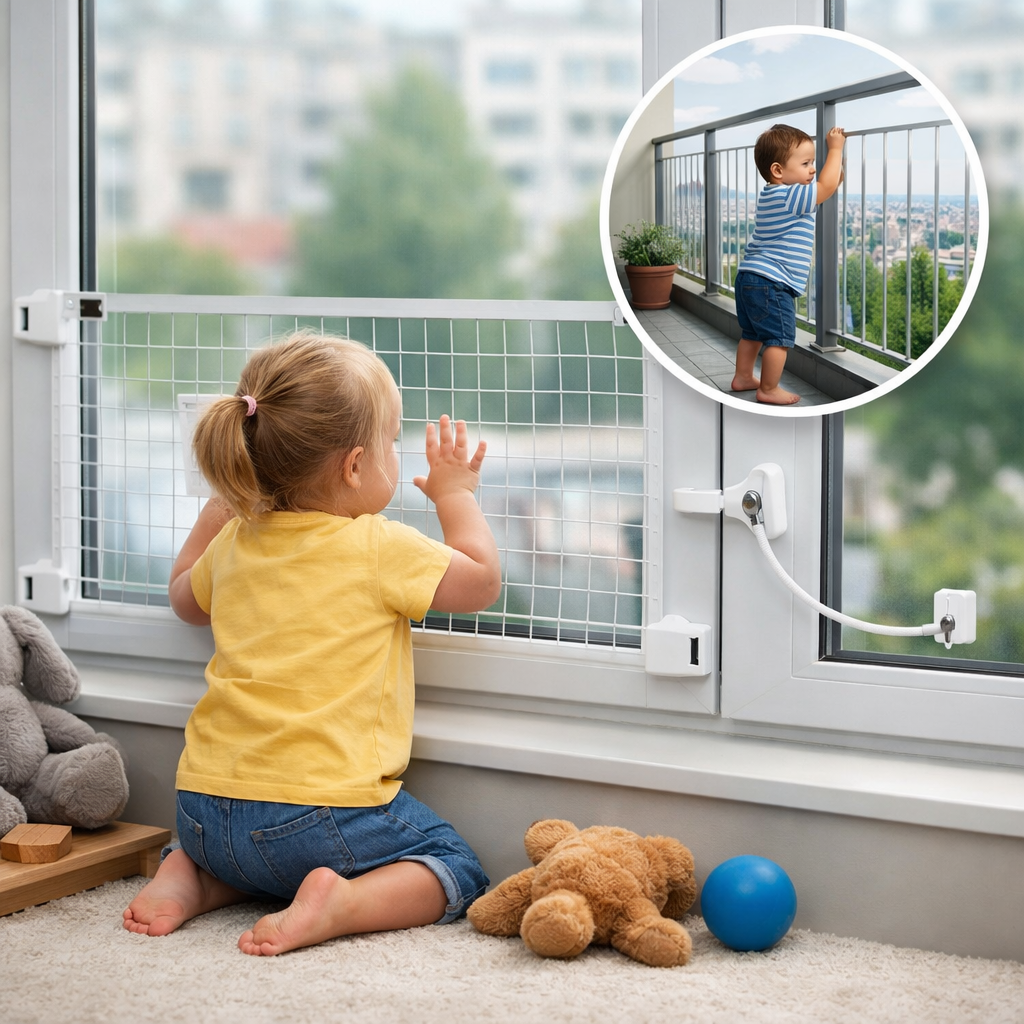
Safer windows
Use child-resistant window locks, latches, or opening-control devices that limit how far a window can open, while still following fire safety and emergency egress requirements for the specific room and building. Always follow manufacturer instructions and local building guidance before installing any device.
Keep cribs, beds, chairs, toy bins, and other climbable items away from windows. If a room needs ventilation, open windows that children cannot access more easily, and keep the opening limited. Check that windows close securely and that hardware is not loose or worn.
Most importantly, never rely on a screen to hold a child’s weight. If a child leans, pushes, or falls against it, the screen may give way.
Safer balconies
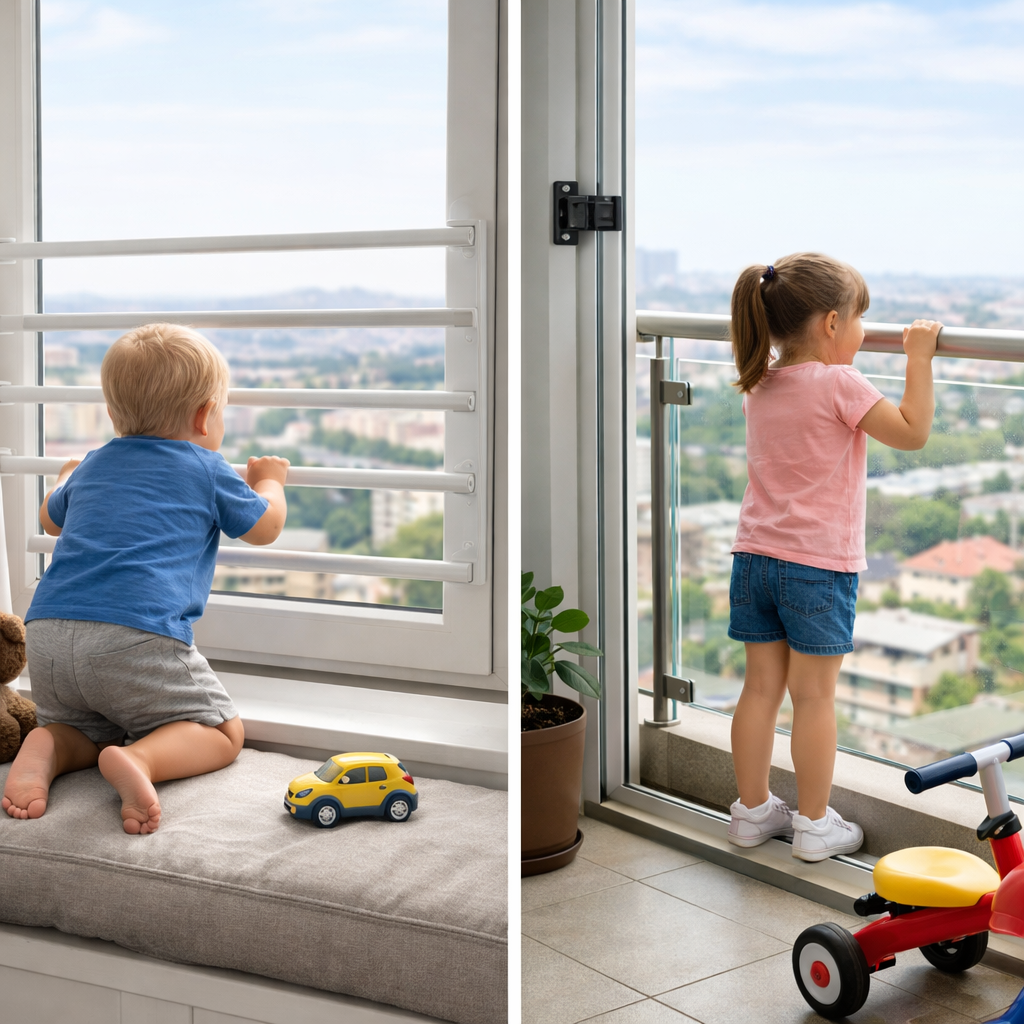
For balconies, inspect railings, gates, and floor surfaces regularly. Report loose parts, corrosion, cracks, or wobbling right away to the property owner, supervisor, or maintenance team. Keep furniture, planters, coolers, and storage bins away from the railing so they cannot be used as steps.
Teach children that balconies are not play spaces unless an adult is actively present and the area is set up safely. Do not allow climbing, leaning through rails, or throwing objects over the edge. In schools, child-care settings, and some workplaces that host families, these same rules should be part of routine supervision and site safety planning.
Room-by-room checklist for everyday prevention
A short checklist can help families and caregivers spot hazards before they become incidents. Review it seasonally, after moving furniture, and anytime a child’s abilities change.
Actionable checklist
- Install and test approved window safety devices where appropriate.
- Keep all furniture away from windows and balcony railings.
- Confirm balcony railings are secure and not easy to climb.
- Do not leave children unattended on a balcony.
- Do not rely on insect screens for fall protection.
- Set clear household rules about windows and balconies.
- Check rental or condo maintenance procedures for reporting hazards.
- Review emergency escape needs before adding window controls.
| Area | Key Risk | Practical Control |
|---|---|---|
| Bedroom | Bed or toy chest under window | Move furniture away and limit window opening |
| Living room | Chair near balcony door or railing | Remove climbable items and supervise access |
| Apartment balcony | Loose railing or wide gaps | Report immediately and restrict use until fixed |
| Child-care or school space | Openable windows near play area | Use approved controls and active supervision |
Schools, rentals, and workplace relevance
Window and balcony safety for children also matters beyond private homes. In schools, child-care settings, camps, student residences, and family-serving workplaces, responsibility is often shared among administrators, educators, maintenance staff, and caregivers. A formal inspection routine can help identify hazards such as damaged hardware, obstructed sightlines, or furniture placement that creates climbing access.
Young workers, custodial staff, and housing staff may also be involved in cleaning windows, setting up rooms, supervising children, or reporting maintenance issues. They should understand that fall prevention includes environmental controls, not just watching children. Training and orientation should cover hazard recognition, reporting procedures, and safe room setup. For broader workplace and safety learning, readers can explore OHSE training resources and practical guidance at OHSE.ca.
Renters and condo residents should review building rules and maintenance contacts. If a balcony railing is loose or a window device is broken, report it promptly and keep children away from the area until it is repaired. For general government and health information in Canada, readers may also consult Ontario.ca or Health Canada where relevant.
How to talk to children about fall prevention
Use simple, calm language. Explain that windows and balconies are not for climbing, sitting, or leaning on. Repeat the rules often and model them consistently. Older children may understand more detail, but they still benefit from reminders, especially in new places such as hotels, relatives’ homes, schools, and vacation rentals.
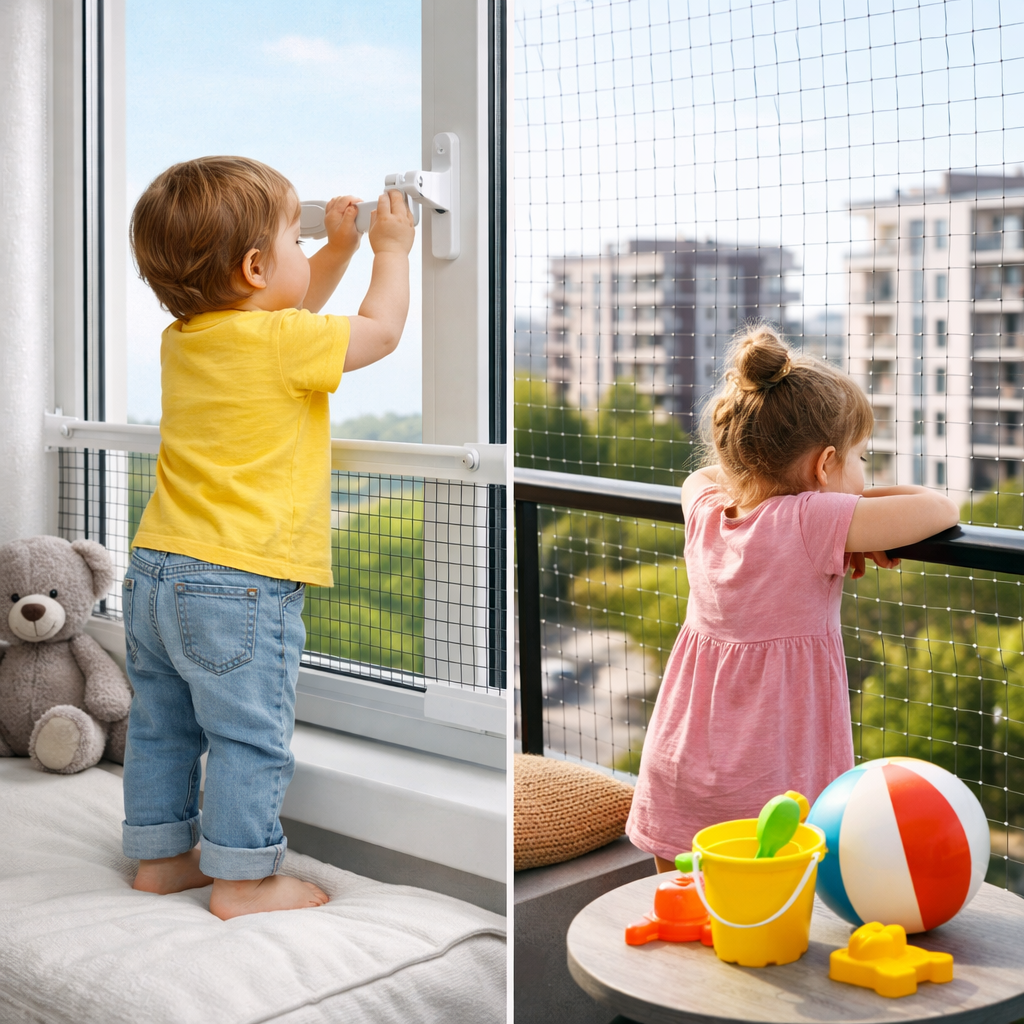
It also helps to teach children to ask an adult before opening a window or going onto a balcony. Safety messages work best when paired with physical controls, because curiosity can override memory in the moment.
Building a safer routine year-round
Warm weather often increases the use of open windows and balconies, but window and balcony safety for children should be reviewed all year. During spring cleaning, back-to-school preparation, holiday visits, moves, or renovations, re-check each room for climbing hazards and test safety devices again. If grandparents, babysitters, older siblings, or temporary caregivers are involved, make sure they know the household rules and the reasons behind them.
Prevention is strongest when safety becomes routine: keep openings controlled, keep climbable items away, inspect barriers, and supervise wisely. In the end, window and balcony safety for children is not about fear. It is about creating everyday environments where children can learn, play, and grow with fewer preventable fall hazards, while families and organizations follow local school, workplace, manufacturer, and emergency guidance where applicable.
No comments yet