
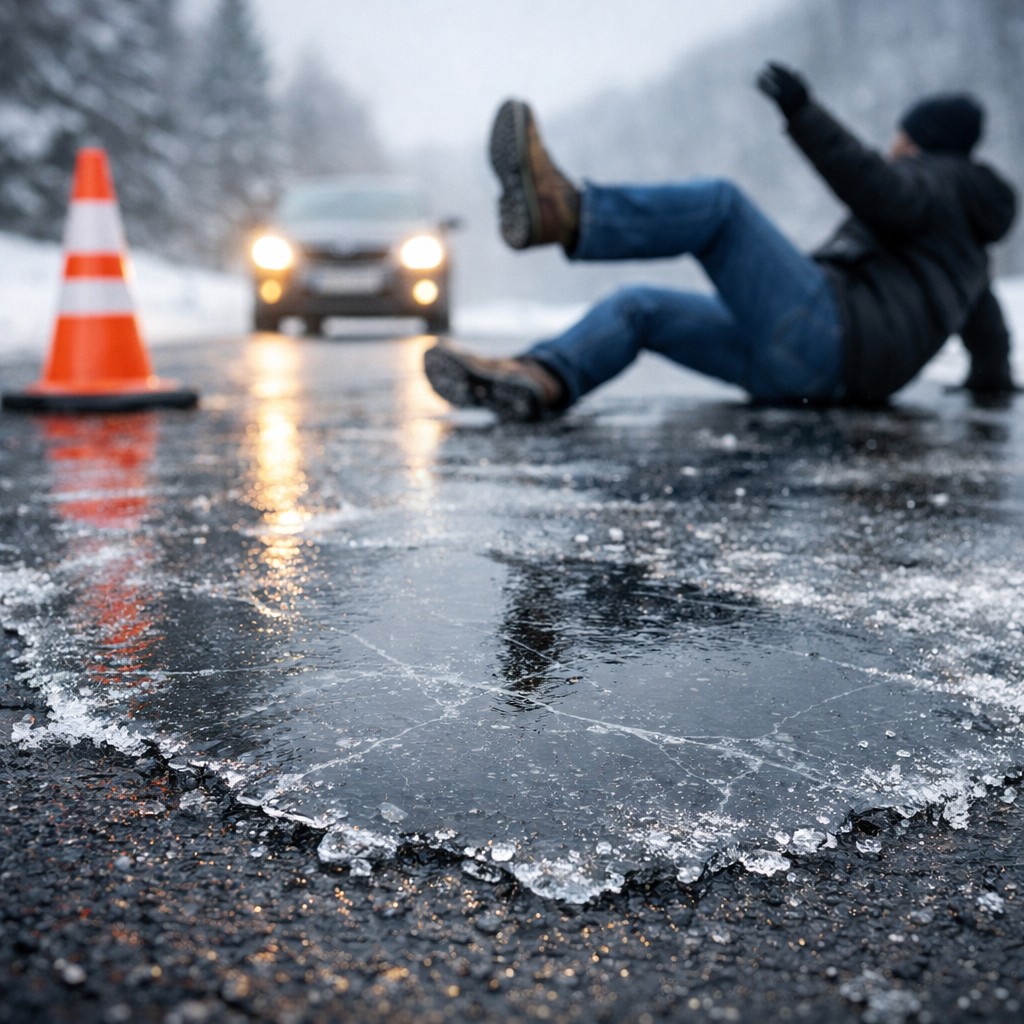

Black ice safety matters every winter morning when students head out to school on sidewalks, paths, driveways, and parking lots that can look wet but are actually frozen. In Canada, especially during Ontario winters, black ice can form quickly when temperatures hover around freezing, after light snow melts, or when freezing rain leaves a nearly invisible slippery layer on pavement.
For students, parents, and schools, the goal is simple: prevent slips, falls, and rushed decisions before the school day even begins. Good planning, the right footwear, and careful walking habits can reduce risk. This guide shares practical, age-appropriate advice to help families build safer winter routines and improve black ice safety during the walk to school.
Why Black Ice Safety Deserves Attention Before School
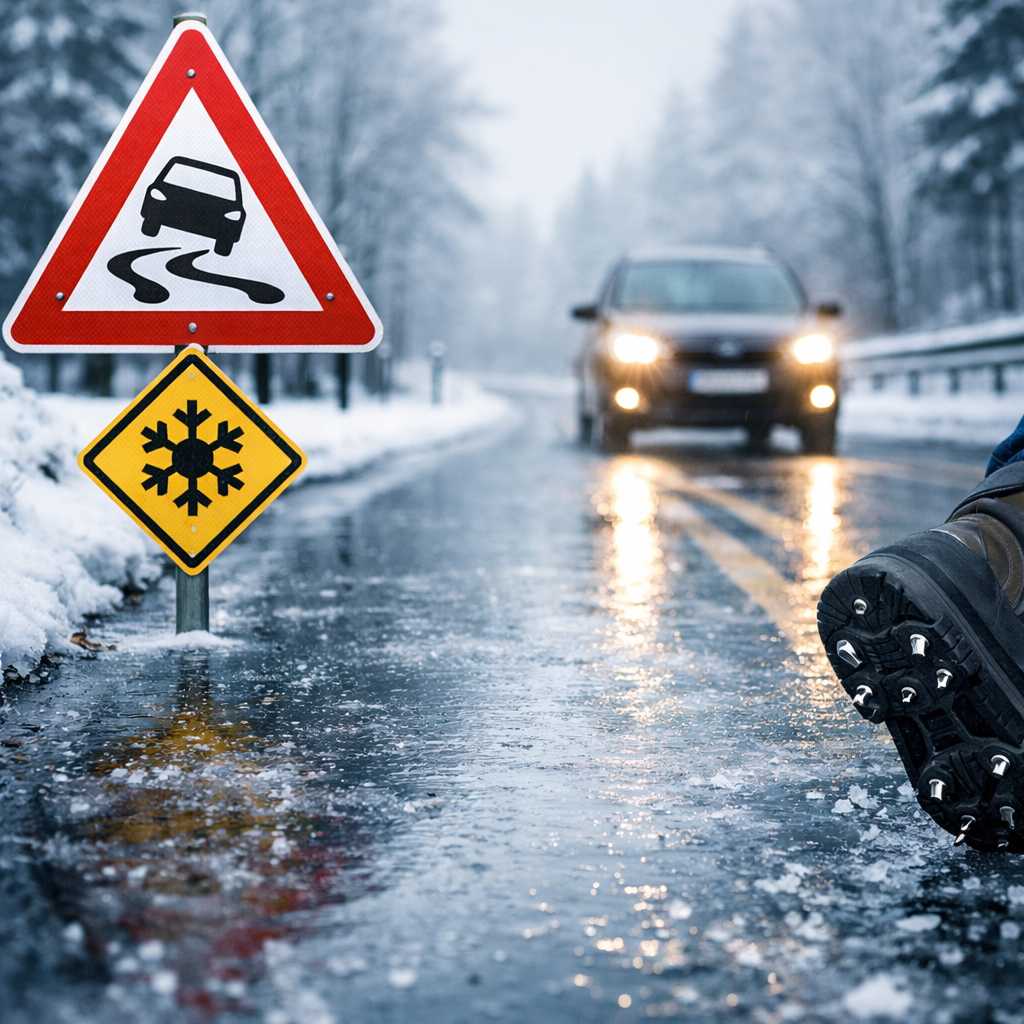
Black ice is dangerous because it often blends into dark pavement, concrete, asphalt, and packed surfaces. A sidewalk may appear damp, clear, or lightly shiny, but still be slick enough to cause a sudden fall. Students are at greater risk when they are hurrying, carrying heavy bags, wearing smooth-soled shoes, or stepping between snowbanks, curbs, and crosswalks.
Morning school travel also happens during conditions that increase risk. Low light, wind, drifting snow, and repeated freeze-thaw cycles can hide hazards. Entrances, bus stops, school yards, and parking lot edges are common places where black ice safety needs extra attention because melted snow can refreeze overnight.
Parents and schools can support prevention by checking conditions early, allowing extra travel time, and reminding children that winter walking is not the time to race friends or look down at a phone. Reliable Canadian safety guidance is available from CCOHS, Ontario.ca, and Parachute. Families looking for broader safety resources can also visit OHSE.ca.
Black Ice Safety Tips Students Can Use Right Away
Dress for grip, balance, and visibility
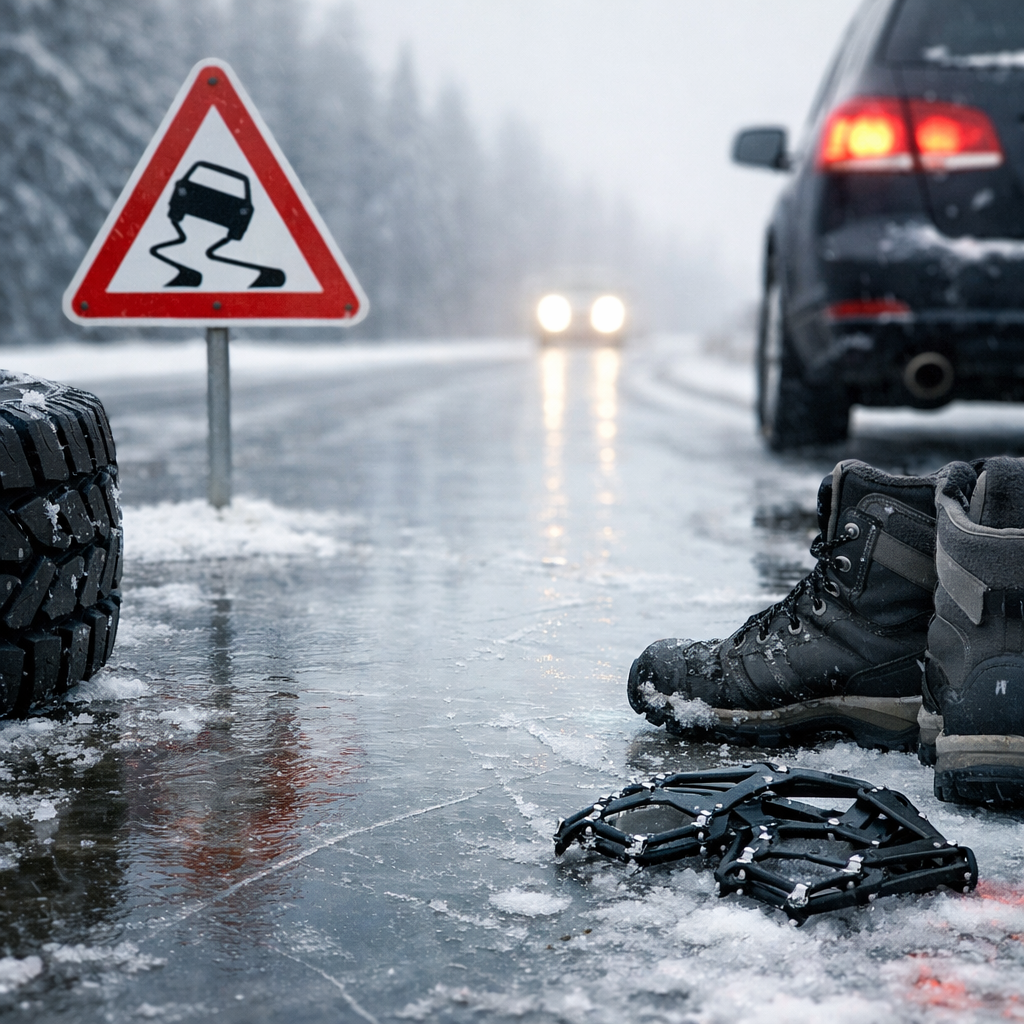
What a student wears can affect stability. Winter boots with deep tread are usually a better choice than flat shoes or worn-out soles. Boots should fit well enough to allow steady steps without sliding inside the footwear.
Backpacks also matter. A very heavy or unevenly packed backpack can shift weight and throw off balance on slippery ground. Keep loads manageable and wear both shoulder straps so weight stays centred.
- Choose winter boots with strong tread and good ankle support.
- Avoid smooth soles that have little grip on wet or icy pavement.
- Wear reflective or bright outer layers in darker morning conditions.
- Keep backpack weight balanced and secure.
- Use gloves or mittens so hands stay free for balance instead of staying in pockets.
Change how you walk on icy surfaces
One of the most effective black ice safety habits is simply slowing down. Short, careful steps improve control and reduce the chance of slipping. Some people describe it as walking a bit like a penguin: feet slightly apart, knees relaxed, and body weight centred over the front leg.
Students should avoid sudden turns, jumping over puddles, and stepping onto snow-covered areas without checking footing first. If a route includes stairs, railings should be used whenever available. Hands should stay free for balance, which means phones should stay away until students are safely indoors.
Watch for high-risk spots
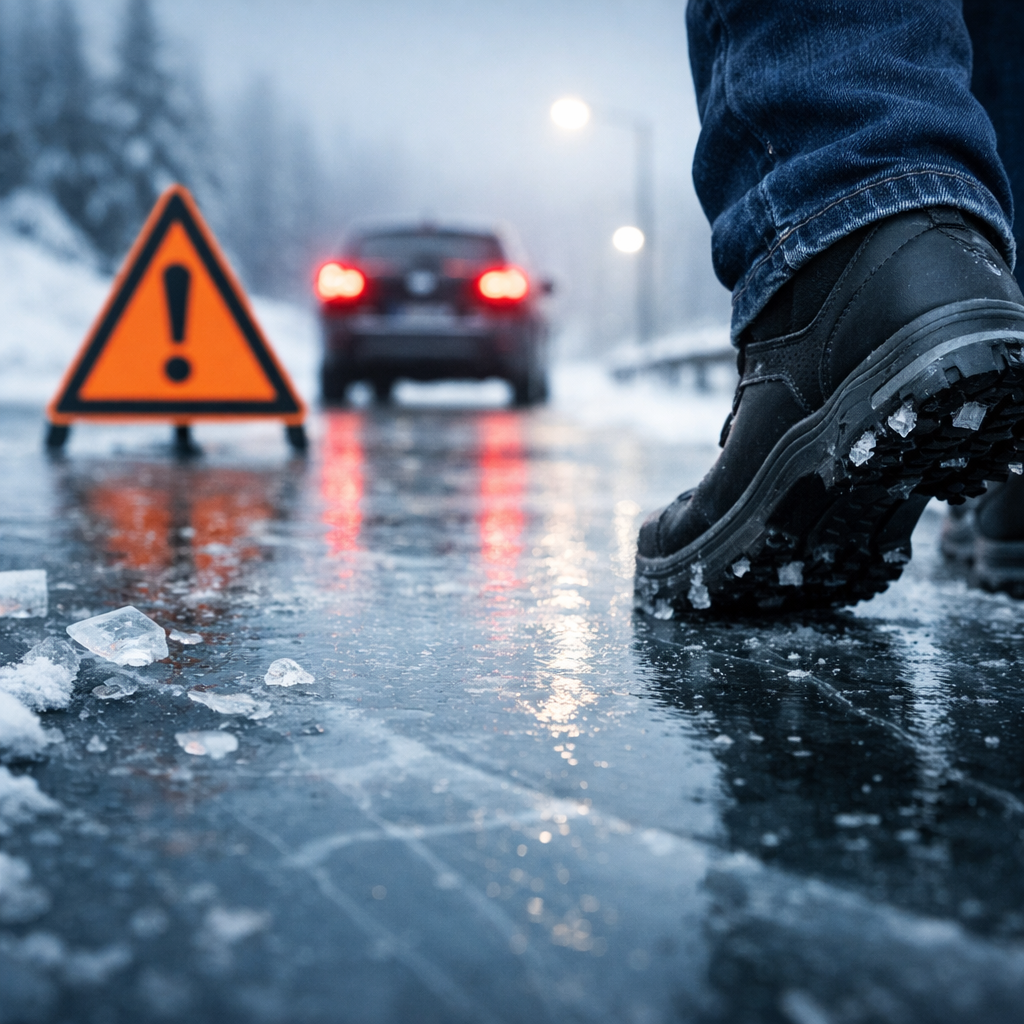
Black ice often forms in specific areas. Knowing where to expect it is a practical part of black ice safety. Students should be especially careful in shaded areas, bridge-like walkways, school entrances, curb ramps, bus loading zones, and places where snowmelt runs across pavement and refreezes.
| Location | Why it can be slippery | Safer approach |
|---|---|---|
| Driveways and parking lot edges | Vehicle traffic compacts snow and meltwater can refreeze | Slow down and avoid sudden direction changes |
| School entrances | Snow tracked in and out creates wet, icy patches | Use handrails and wipe boots carefully |
| Shaded sidewalks | Less sunlight means ice can remain longer | Test footing and take shorter steps |
| Crosswalks and curb ramps | Slush and freezing runoff collect in low areas | Step carefully and allow extra crossing time |
Planning Ahead: Black Ice Safety for Families and Schools
Black ice safety starts before anyone leaves home. Parents can check the weather, look outside for signs of freezing conditions, and build a few extra minutes into the morning routine. A rushed start often leads to running, and running on icy pavement greatly increases fall risk.
Families can also choose safer routes. A slightly longer path with better sidewalk maintenance, lighting, and crossings may be safer than a shorter shortcut through untreated paths or parking areas. If a student walks with siblings or friends, remind them to leave space between each other so one slip does not cause a collision.
Schools have an important prevention role too. Winter inspection and maintenance of walkways, entrances, stairs, and drop-off areas can help reduce hazards. Staff supervision during arrival times may help identify slippery spots quickly. School boards and employers that want broader hazard awareness may also find training support through OHSE training resources, especially where young workers, co-op students, or school support staff face winter slip risks outdoors.
A short actionable checklist
- Check outdoor conditions before leaving.
- Wear winter boots with good tread.
- Leave early enough to avoid rushing.
- Keep hands free and phone away while walking.
- Use cleared, well-lit routes whenever possible.
- Hold railings on stairs and ramps.
- Report icy school entrances or sidewalks to school staff or property managers.
If Someone Slips: Calm, Practical Steps
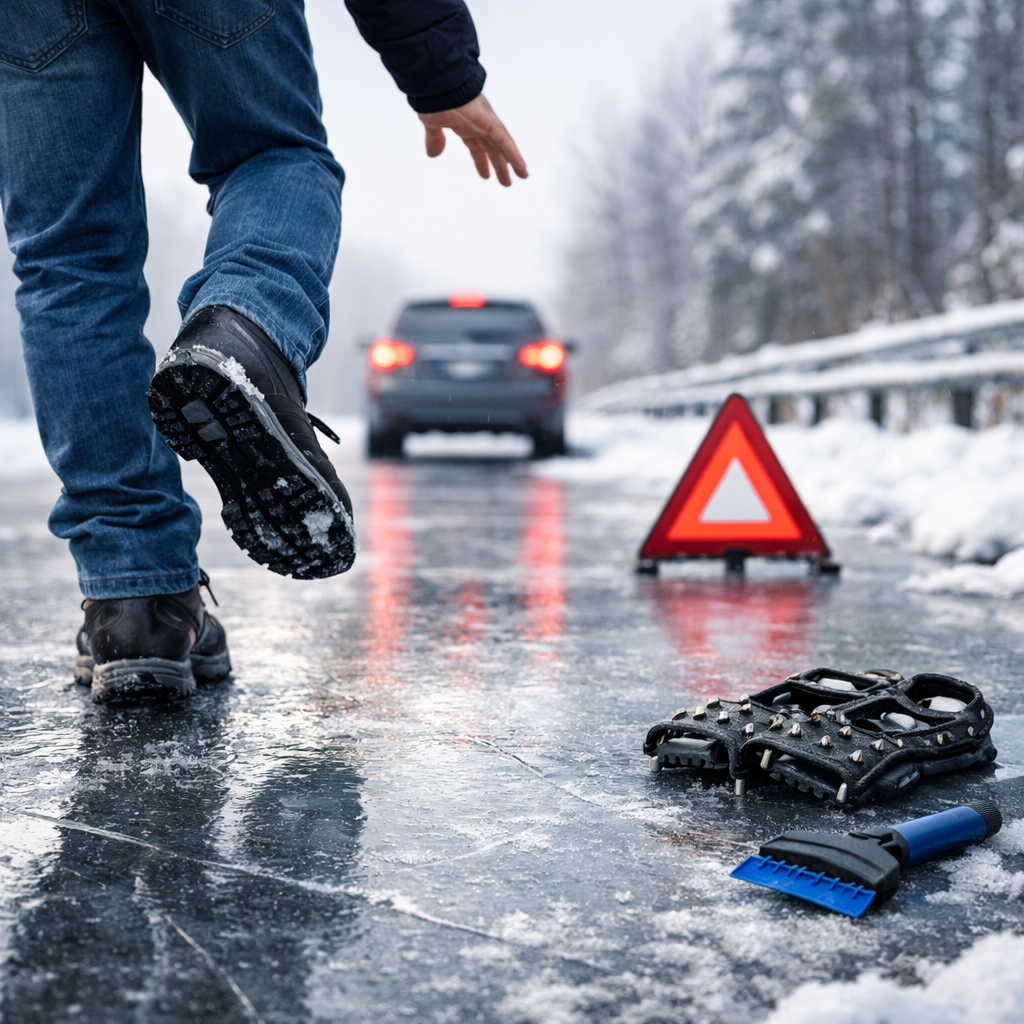
Even with strong prevention, slips can still happen. Students should know that if they begin to lose footing, trying to twist suddenly or catch themselves awkwardly can make an injury worse. If they do fall, the safest response is usually to pause, check whether they are hurt, and get help from a nearby adult, school staff member, crossing guard, or trusted person if needed.
Parents should remind children not to feel embarrassed about slowing down, using a railing, or asking for help on icy days. Schools may also wish to remind students to report untreated slippery areas instead of assuming someone else already has. Following local school procedures and emergency guidance is important if an injury occurs.
There is also a useful workplace lesson here. Young workers, student volunteers, and co-op students may face the same outdoor slip hazards during winter shifts, deliveries, or site travel. In occupational health and safety, slip prevention often follows a hierarchy of controls: remove the hazard where possible, improve the environment with sanding or salting and maintenance, set safe procedures, and use suitable footwear. That same prevention mindset supports black ice safety on the walk to school.
Building Everyday Winter Confidence
Students do not need to be fearful of winter walking, but they do need practical habits. A calm pace, proper boots, route awareness, and attention to weather can make a major difference. Small decisions such as leaving early, using railings, and avoiding distractions are often the strongest protection against slips.
For Canadian families, winter conditions can change fast, so regular reminders help. Parents can model safe walking, schools can maintain outdoor areas, and students can learn to recognize shiny, wet-looking surfaces as possible hazards. With steady routines and prevention-focused choices, black ice safety becomes part of everyday winter readiness rather than a last-minute concern.
In the end, black ice safety is about noticing risks early and making smart choices before a slip happens. When students, families, and schools work together, the walk to school can stay safer, calmer, and more confident all winter long.
No comments yet