
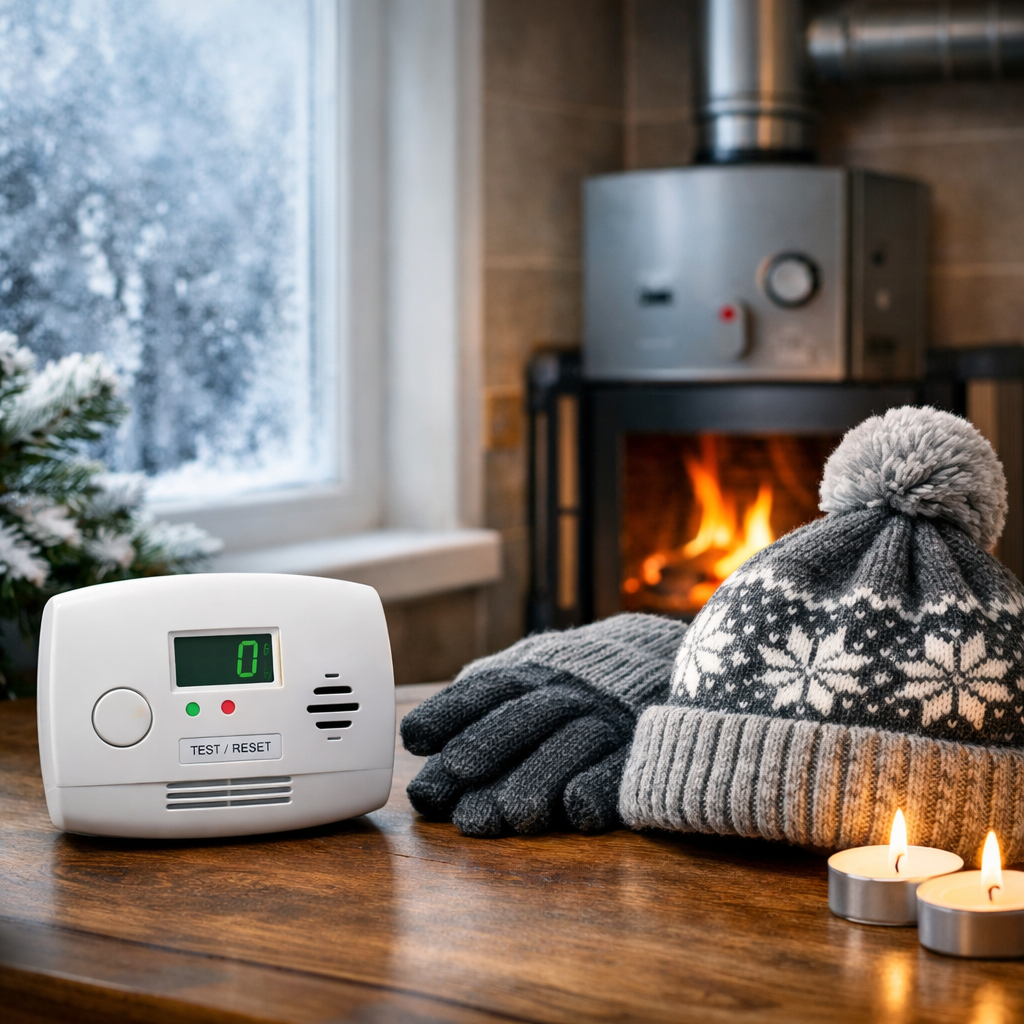

Carbon monoxide safety in winter matters because colder weather brings more time indoors, more use of furnaces and fuel-burning appliances, and a greater risk of dangerous gas building up without warning.
For Canadian families, students, schools, and young workers, carbon monoxide is a serious seasonal hazard because it cannot be seen or smelled. That is why winter prevention must focus on safe equipment, working alarms, and clear household routines.
This practical guide explains where risks come from, how to reduce them, and what families in Ontario and across Canada should review each winter. For broader health and safety learning, readers can also explore OHSE.ca and safety training options at learn.ohse.ca.
Why carbon monoxide safety in winter is so important
Carbon monoxide is produced when fuels such as natural gas, propane, oil, wood, charcoal, or gasoline do not burn completely. In winter, homes, garages, school facilities, and workplaces often rely more heavily on heating systems and may keep windows and doors closed for longer periods.
That combination can increase risk if equipment is damaged, poorly vented, blocked by snow or ice, or used in the wrong location. Families may also use portable generators, vehicles, or space heaters more often during storms or power outages, creating added danger if those devices are used indoors or too close to buildings.
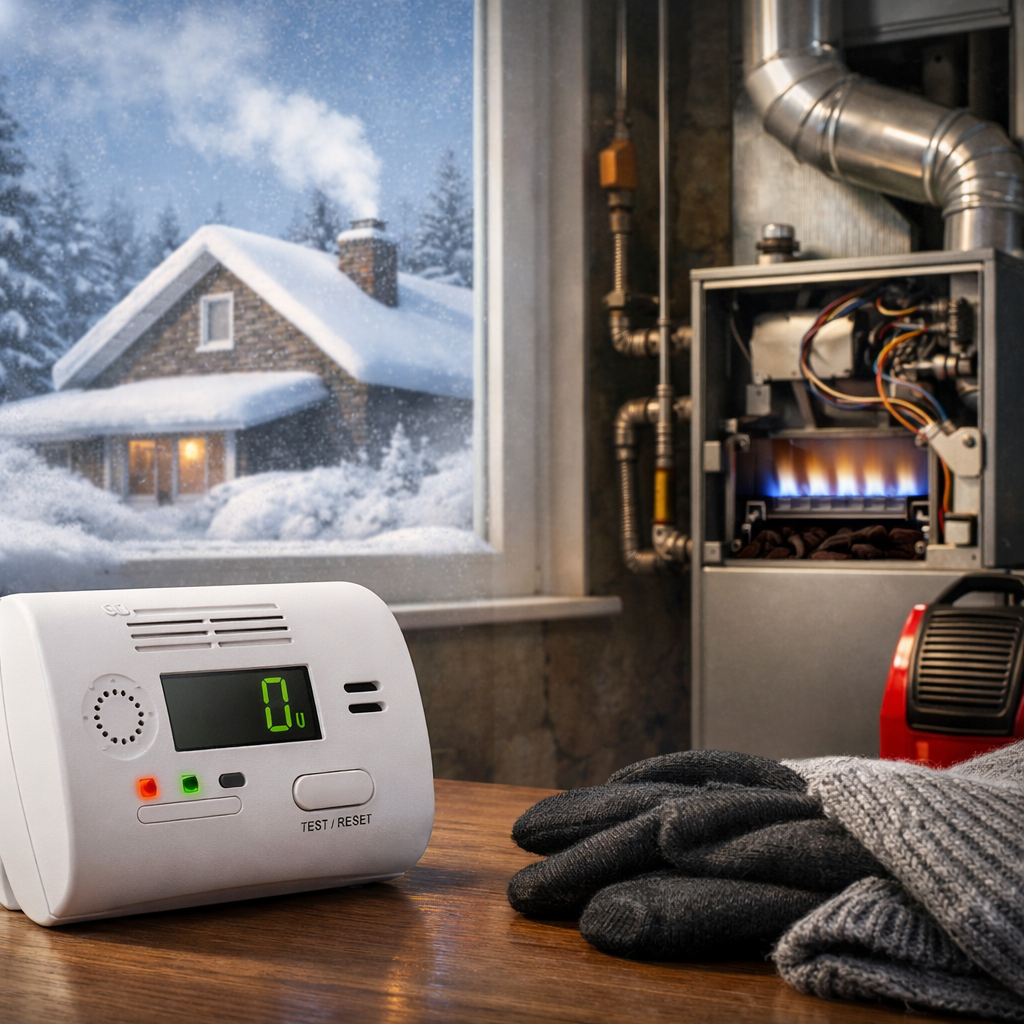
For students and young workers, the risk is not limited to homes. Carbon monoxide hazards can also appear in maintenance rooms, loading areas, attached garages, school shops, arenas, and work vehicles. Following local school, workplace, manufacturer, and emergency guidance is essential wherever fuel-burning equipment is present.
Common winter sources to check
- Furnaces, boilers, and water heaters
- Fireplaces, wood stoves, and other solid-fuel appliances
- Gas stoves or ovens used improperly for heating
- Portable generators
- Vehicles idling in attached garages
- Barbecues, camp stoves, or charcoal devices used indoors
- Blocked vents, chimneys, or exhaust outlets after snow, ice, or debris buildup
Carbon monoxide safety in winter at home, school, and work
The most effective approach is prevention. In OHSE terms, this means controlling the hazard before it harms someone. Families do not need a technical background to take strong preventive steps, but they do need consistent habits and regular maintenance.
At home, start with fuel-burning appliances. Have heating systems inspected and maintained according to manufacturer instructions and local requirements. Keep vents and air intakes clear. Never run vehicles inside an attached garage, even briefly, and never use outdoor fuel-burning equipment inside the home, basement, or garage.
In schools and workplaces, carbon monoxide safety in winter should be part of seasonal inspections. Supervisors, custodians, facility teams, and young workers should know where fuel-burning equipment is located, what warning signs to watch for, and who to contact if something seems wrong. Reliable safety information from CCOHS and public guidance from Ontario can support local planning and training.
Using the hierarchy of controls in simple terms
The hierarchy of controls is a practical way to think about protection:
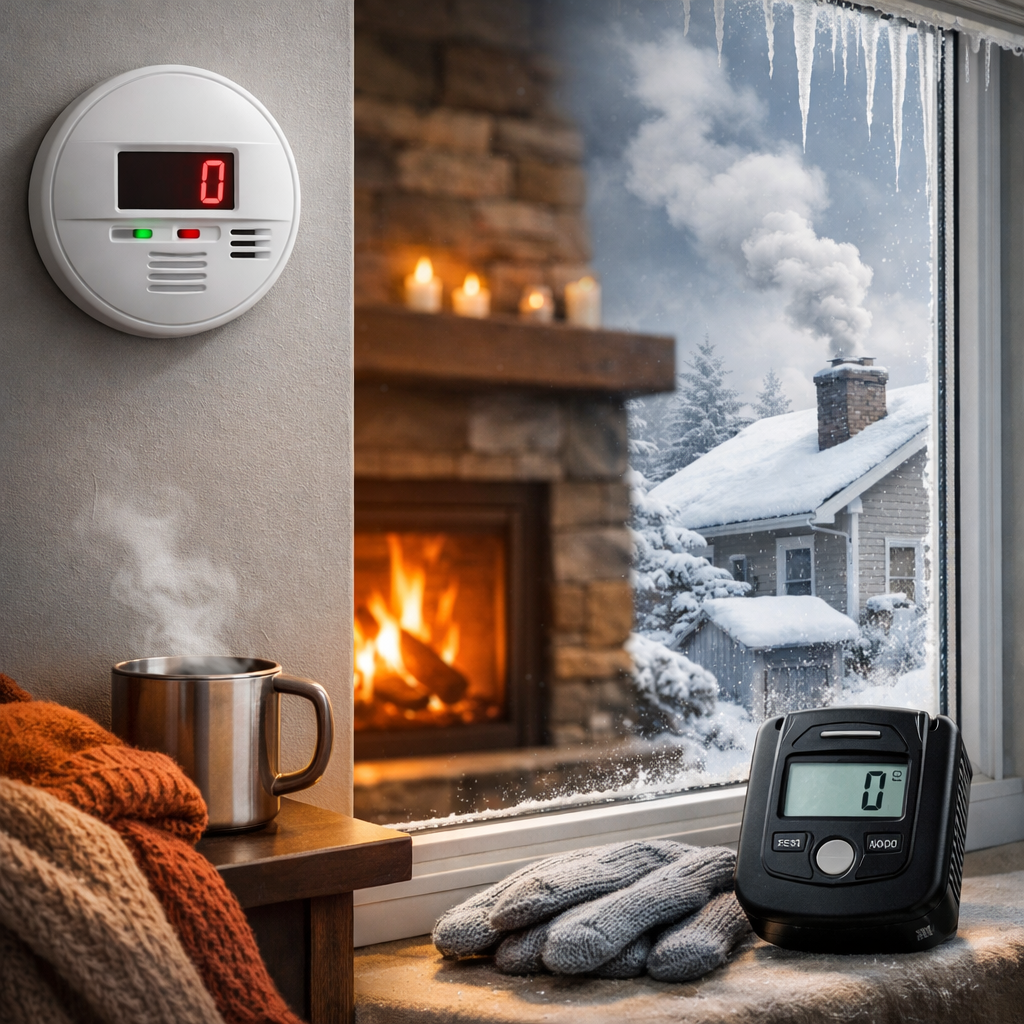
- Elimination or substitution: Avoid bringing fuel-burning devices indoors when safer alternatives are available.
- Engineering controls: Maintain proper venting, safe exhaust systems, and working carbon monoxide alarms.
- Administrative controls: Set household rules, inspection schedules, and winter checklists.
- Personal action: Teach everyone what to do if an alarm sounds or if they suspect a problem.
For families, the strongest everyday controls are proper maintenance, correct equipment use, and alarms installed where required.
Practical prevention steps for carbon monoxide safety in winter
Carbon monoxide safety in winter should be reviewed before the coldest part of the season and again after major storms. Snow, freezing rain, and drifting can affect vents and exhaust outlets quickly, so visual checks are important.
Parents can also make safety age-appropriate for children and teens. Younger children should know that an alarm is serious and that they must leave with an adult right away. Teens and young workers should understand that idling a vehicle in a garage, using a generator too close to a building, or bringing a barbecue indoors is never safe.
Short winter checklist for families
- Test carbon monoxide alarms regularly and replace batteries if needed.
- Confirm alarms are installed in the proper locations for your home.
- Arrange seasonal inspection and maintenance for fuel-burning equipment.
- Check outdoor vents after snowfall, ice buildup, or windstorms.
- Never heat indoor spaces with barbecues, camp stoves, or generators.
- Never leave a vehicle idling in an attached garage.
- Review evacuation and reporting steps with everyone in the household.
Simple prevention table
| Situation | Risk | Safer action |
|---|---|---|
| Vehicle warming up in attached garage | Exhaust can enter the home | Move the vehicle outside immediately before idling if needed |
| Portable generator during outage | Fumes can build up near doors, windows, or indoor spaces | Use only outdoors in a safe location as instructed by the manufacturer |
| Snow blocking exterior vent | Combustion gases may not vent properly | Clear vents carefully and monitor after storms |
| Using stove or oven for heat | Improper indoor combustion exposure | Use approved heating equipment only |
What to do if you suspect a problem
If a carbon monoxide alarm sounds, treat it as an emergency warning. Follow your local emergency guidance, leave the area, and move to fresh air. Do not ignore the alarm or assume it is a false alert simply because no one notices an odour.
If someone feels unwell and you suspect carbon monoxide may be present, get to fresh air and seek help through local emergency procedures and health guidance. Avoid trying to diagnose symptoms on your own. Families should rely on emergency responders, healthcare professionals, school procedures, workplace reporting systems, and manufacturer instructions.
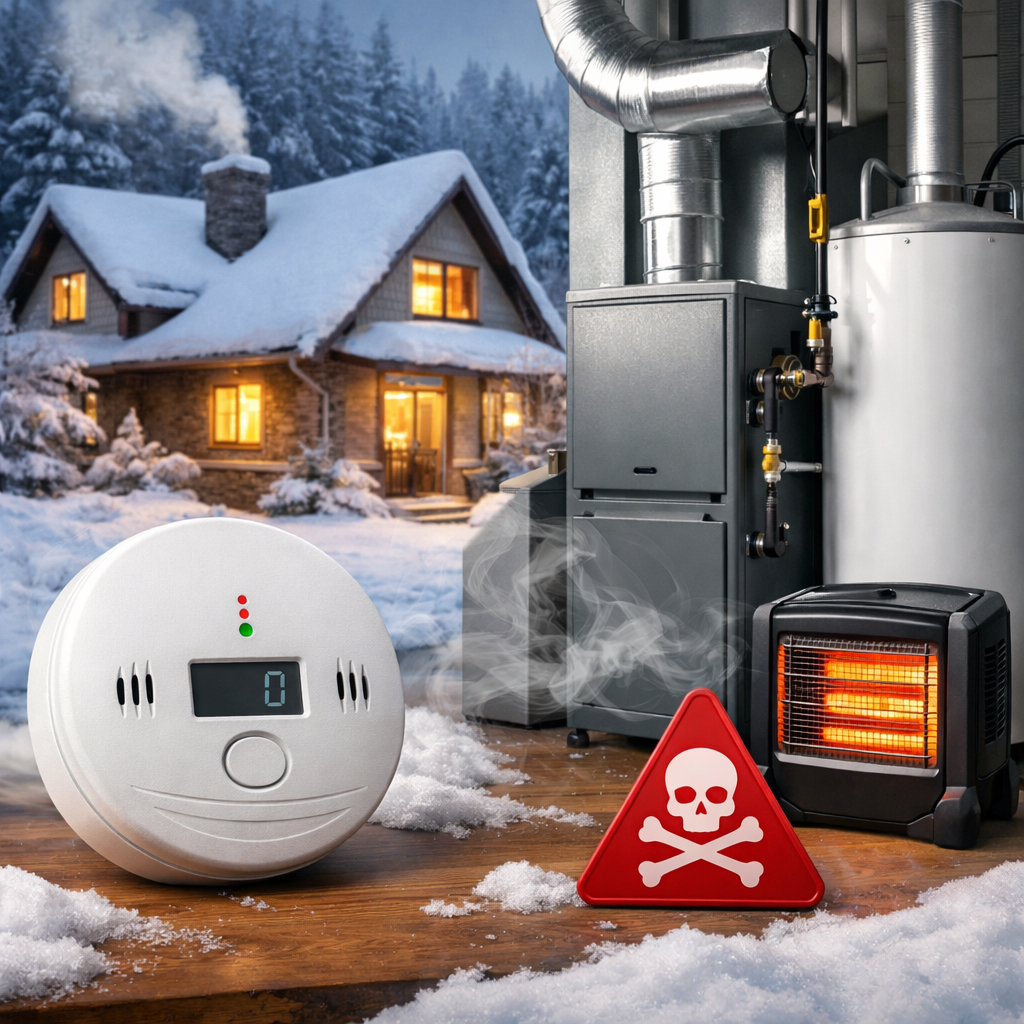
Do not re-enter the space until qualified guidance says it is safe. The source should be inspected and corrected before appliances or equipment are used again. Health Canada information at Canada.ca can help families understand safe public-health practices, while local rules and building requirements should guide installation and maintenance decisions.
Carbon monoxide safety in winter is ultimately about routine prevention, not fear. With working alarms, proper maintenance, clear family rules, and attention after storms or outages, households can reduce risk significantly. For Canadian parents, students, schools, and young workers, carbon monoxide safety in winter should be part of every cold-season safety plan so that homes and shared spaces stay safer all season long.
No comments yet