
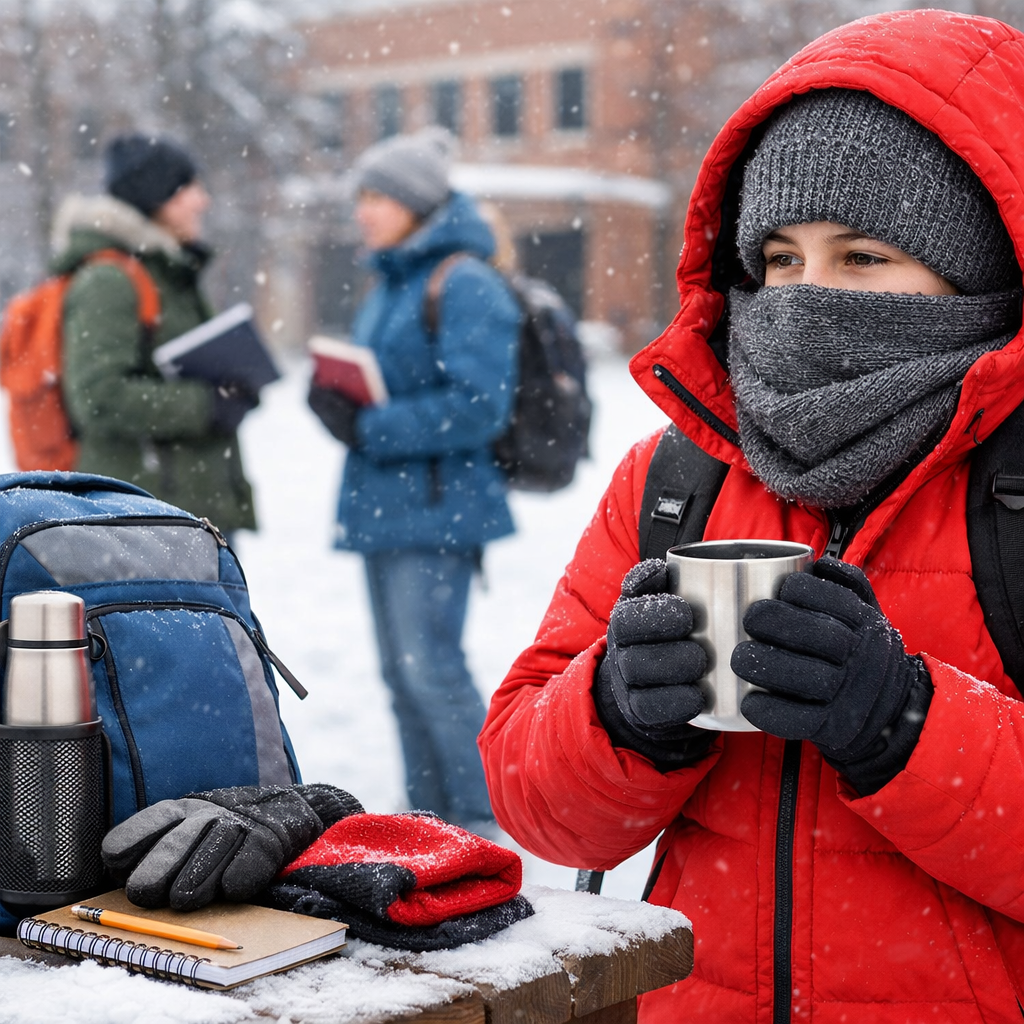

Hypothermia prevention for students starts with simple habits that reduce cold exposure before a school day, outdoor activity, or part-time shift begins.
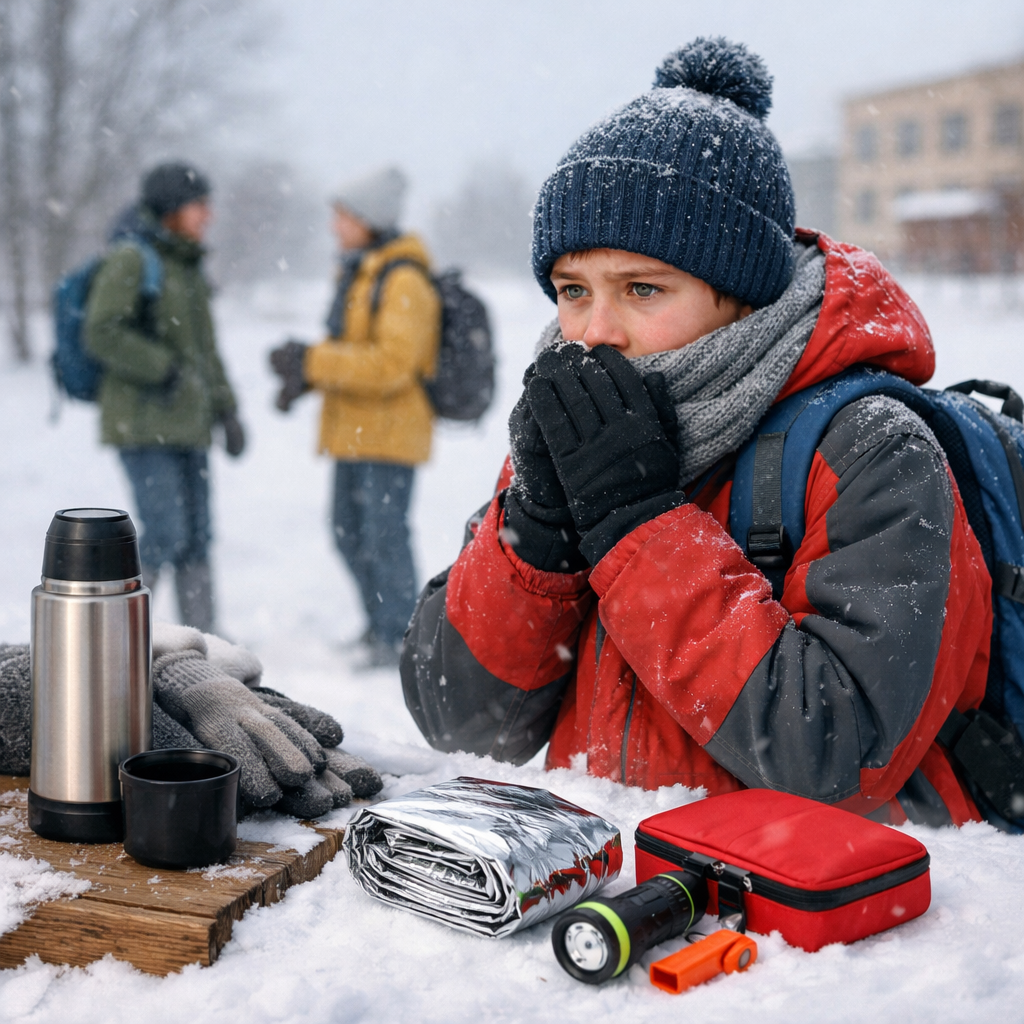
In Canada, students may face low temperatures while waiting for the bus, walking to class, playing outside, travelling between buildings, or working outdoors in entry-level jobs. Cold stress can develop gradually, and younger students may not always notice early warning signs or speak up when they feel too cold. That is why families, schools, and student workers all benefit from a practical plan focused on staying warm, dry, and prepared.
This guide explains what hypothermia is, where student risks commonly appear, and how to apply calm, prevention-focused steps in school, sports, travel, and workplace settings. For broader health and safety information, readers can also visit OHSE.ca and, when safety training is relevant, learn.ohse.ca.
Why hypothermia prevention for students matters in Canada
Hypothermia happens when the body loses heat faster than it can produce it, causing body temperature to drop. It is more likely in cold, wet, or windy conditions, especially when a student is not dressed properly, remains outside too long, or is exhausted, hungry, or soaked from snow or rain.
For students, risk is not limited to extreme outdoor adventures. Everyday situations can create exposure, including recess, field trips, school drop-off lines, sports practices, bus delays, winter walks, and outdoor job tasks such as shoveling, deliveries, or site cleanup. Even temperatures near freezing can become dangerous when clothing is wet or wind chill is significant.
Schools and families in Ontario and across Canada can support prevention by planning around local conditions and following public guidance from organizations such as CCOHS, Ontario.ca, and Health Canada. The goal is not fear. It is awareness, preparation, and quick action when a student shows signs of cold stress.
Common early warning signs
- Shivering that does not ease after warming up
- Cold, pale, or numb skin
- Clumsiness or poor coordination
- Slowed thinking, confusion, or unusual quietness
- Fatigue, weakness, or complaints of feeling very cold
- Wet clothing that stays on too long
If symptoms worsen or a student appears confused, very drowsy, or difficult to warm, follow local school, workplace, parent, manufacturer, or emergency guidance right away.
Hypothermia prevention for students at school, on the way, and at work
Effective hypothermia prevention for students depends on routine decisions. Students should be dressed for the conditions before leaving home, not after they begin to feel cold. Layers are one of the most practical controls because they trap warm air and can be adjusted as activity levels change.
Dress for warmth and dryness
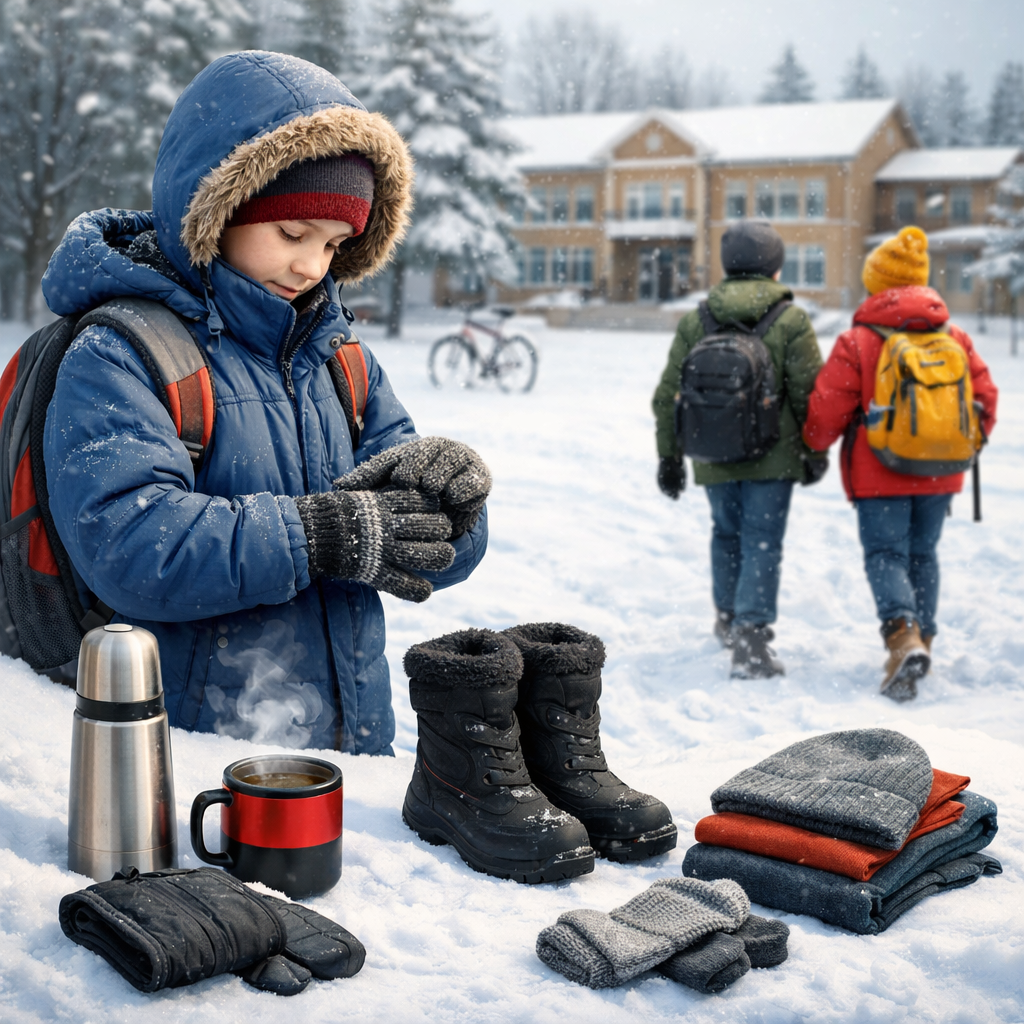
A useful winter clothing system includes a base layer to help manage moisture, a warm middle layer, and an outer layer that blocks wind and moisture. Hats, mittens or gloves, warm socks, and boots matter because the body loses heat quickly through exposed skin and wet feet or hands.
Parents and guardians can help by checking weather conditions, packing extra socks or gloves, and choosing clothing that students can put on and remove easily. Schools can remind students to wear outerwear before recess and confirm that younger children are properly dressed before heading outside.
Watch high-risk situations
Some school and work situations need extra attention:
- Walking long distances to school in wind or blowing snow
- Waiting outside for buses or rides
- Outdoor physical education, recess, and sports
- Field trips with prolonged outdoor exposure
- Part-time outdoor work after school or on weekends
- Wet clothing after snow play, freezing rain, or slush
Student workers should also follow employer procedures for cold exposure, breaks, PPE, and reporting hazards. Young workers may hesitate to speak up, so supervisors should create a workplace culture where reporting cold stress is expected and supported.
Practical prevention steps and the hierarchy of controls
In OHSE planning, the hierarchy of controls helps organize risk reduction. While winter weather cannot be eliminated, exposure can still be reduced through thoughtful scheduling, safer environments, administrative controls, and proper protective clothing.
How the hierarchy applies to cold-weather safety
| Control level | How it helps students | Example |
|---|---|---|
| Elimination | Remove the cold exposure when possible | Move an activity indoors during severe weather |
| Substitution | Choose a lower-exposure option | Use indoor pickup areas instead of extended outdoor waits |
| Engineering controls | Improve the physical environment | Heated shelters, wind barriers, dry storage for spare clothing |
| Administrative controls | Change schedules, supervision, and procedures | Shorter outdoor periods, warm-up breaks, weather monitoring |
| PPE and clothing | Protect the body from cold, wind, and moisture | Layered clothing, insulated boots, hats, mittens |
For schools, this may mean modifying recess or transportation plans when conditions worsen. For student jobs, it may mean adjusting tasks, increasing warm-up breaks, or rotating workers to reduce exposure time. CCOHS materials are helpful for understanding cold-stress controls in workplace settings.
Short actionable checklist
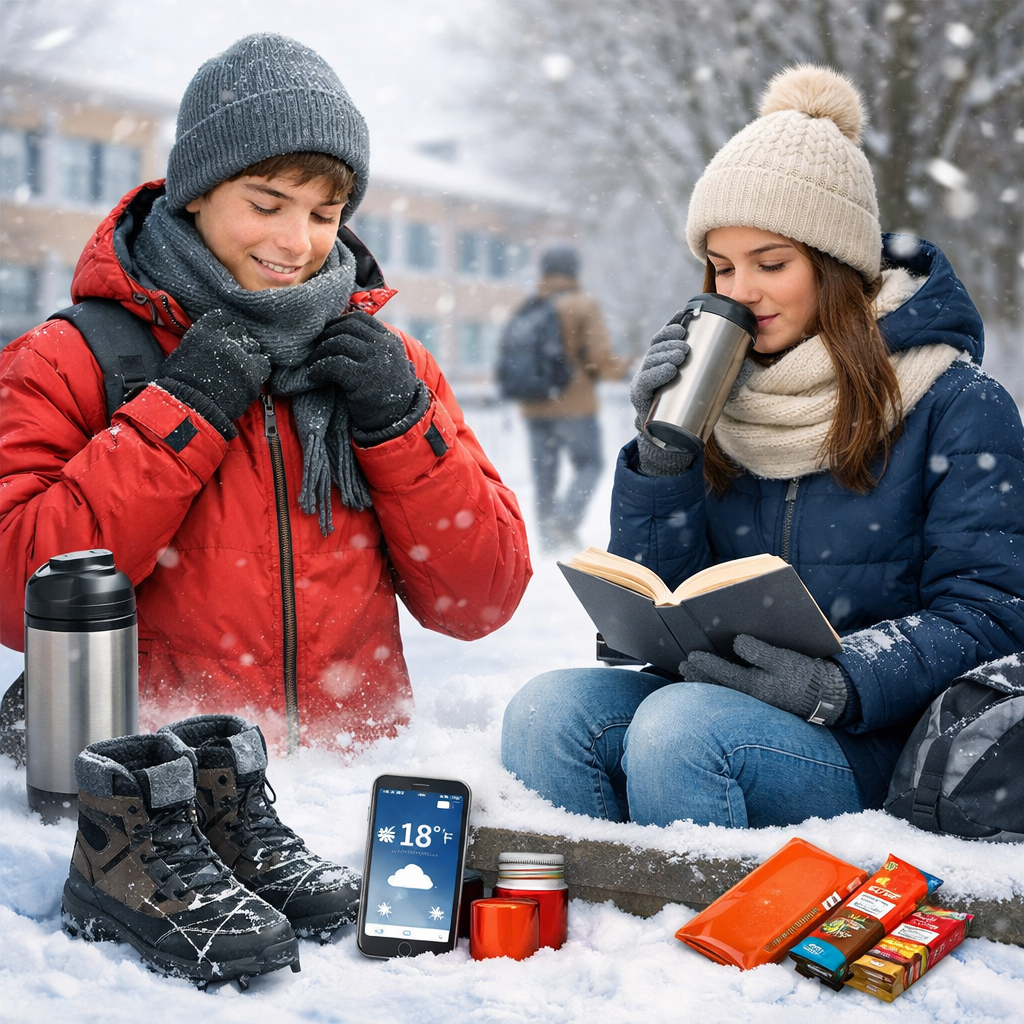
- Check the temperature, wind, and precipitation before leaving
- Wear layers, a hat, gloves or mittens, and warm waterproof footwear
- Keep spare socks, gloves, or a dry shirt in a backpack or locker
- Limit time outside when clothing becomes wet
- Use scheduled warm-up breaks during outdoor school or work activities
- Tell a teacher, coach, parent, or supervisor if you feel unusually cold or numb
- Watch classmates, teammates, and co-workers for confusion or clumsiness
What schools, families, and student workers should do if someone is too cold
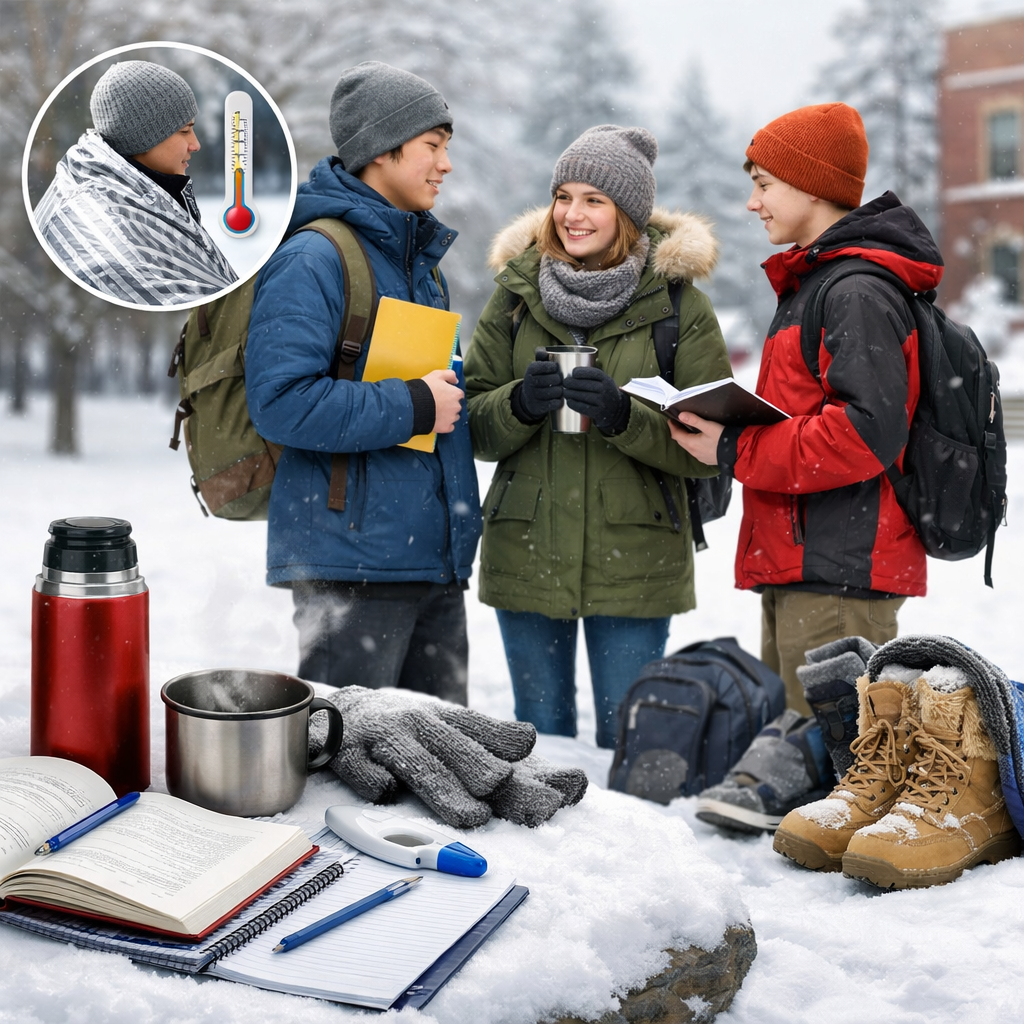
Good hypothermia prevention for students includes knowing how to respond early. If a student appears very cold, move them to a warmer sheltered area as soon as possible. Replace wet clothing with dry clothing if available, add blankets or warm layers, and encourage gradual warming.
Do not ignore unusual fatigue, stumbling, poor coordination, or confusion. These can be signs that the student needs prompt attention. Staff, parents, and supervisors should follow local school, workplace, and emergency procedures. When in doubt, seek help according to local guidance.
Age-appropriate school and family strategies
Younger children often need reminders to zip coats, wear mittens, and change out of wet clothes. Older students and young workers benefit from direct education about cold stress, wind chill, hydration, and the need to report symptoms early.
Families can build routines by setting out winter gear the night before and checking that items still fit and stay dry. Schools can support awareness through seasonal reminders, recess supervision, indoor alternatives during severe weather, and clear communication with parents about winter preparedness. Coaches and employers can reinforce that “toughing it out” is not a safe response to cold stress.
Hypothermia prevention for students works best when everyone shares responsibility. Students should know the signs, adults should notice changes in behaviour or coordination, and schools and workplaces should have practical controls ready before the cold arrives.
In conclusion, hypothermia prevention for students is about preparation, observation, and timely action. Warm layered clothing, dry gear, shorter exposure times, supervised warm-up breaks, and early reporting all make a real difference. For Canadian schools, families, and young workers, steady cold-weather awareness is one of the simplest ways to reduce risk and support safer learning, travel, sports, and work throughout winter.
No comments yet