

Lone workers – individuals who work by themselves without direct supervision – face unique safety risks that require specialized policies and technologies for protection. These workers are often found in industries such as healthcare, utilities, agriculture, and security, where they may perform tasks in isolated or high-risk environments.

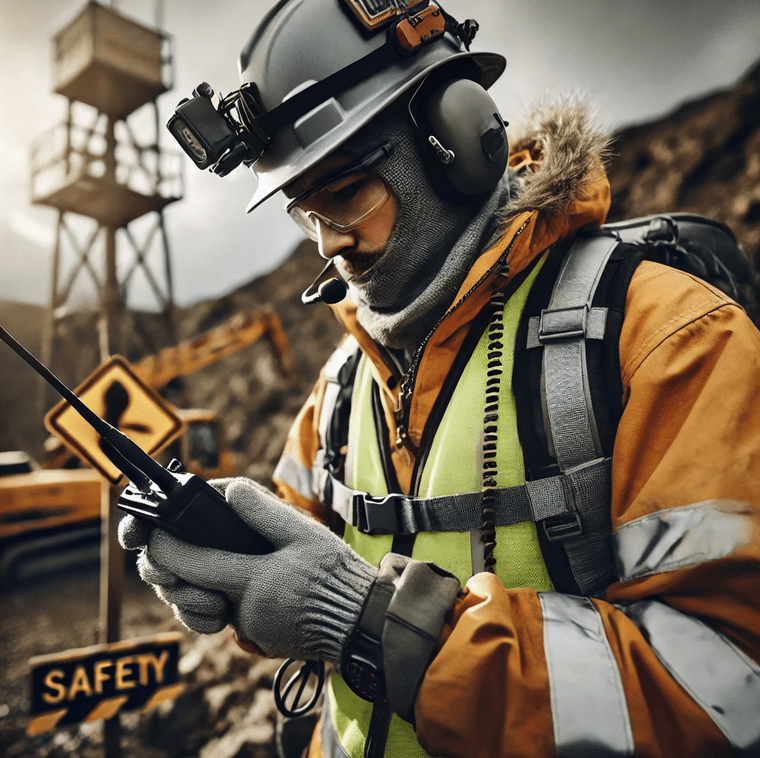
This article explores the essential policies and innovative technologies that organizations can implement to protect lone workers, ensuring their safety and well-being while maintaining compliance with Occupational Health and Safety (OHS) standards.
The Importance of Lone Worker Safety
Lone workers are particularly vulnerable to safety hazards because they lack immediate support if an incident occurs. From health emergencies to accidents or even acts of violence, the risks they face can be substantial. Without someone nearby to assist or report incidents promptly, even minor accidents can have severe consequences. Therefore, companies have a responsibility to develop comprehensive policies and utilize effective technologies that specifically address the needs of lone workers.
Core Components of Lone Worker Safety Policies
A robust lone worker safety policy should be an integral part of an organization’s overall health and safety strategy. Here are some essential components that every lone worker safety policy should include:
- Risk Assessment and Hazard Identification
Before implementing safety measures, employers must conduct a thorough risk assessment to identify the unique hazards lone workers may encounter. This includes evaluating the work environment, tasks performed, and the time and location of work. Hazard identification should be an ongoing process to ensure that new risks are addressed as they arise. - Clear Communication Protocols
Clear communication procedures are essential to ensure that lone workers can stay in touch with supervisors or coworkers. Organizations should establish protocols for regular check-ins, emergency contact numbers, and reporting mechanisms for hazardous situations. - Emergency Response Plans
Lone workers should be equipped with clear and accessible emergency response plans tailored to the specific risks they may face. These plans should cover scenarios such as injuries, equipment malfunctions, and adverse weather conditions. Workers should know who to contact and what steps to take if an emergency arises. - Training and Education
Proper training is crucial to ensure lone workers understand the risks they face and how to respond to various situations. This includes training on hazard awareness, equipment handling, first aid, and emergency response procedures. Regular refresher courses can help keep safety top of mind. - Mental Health Support
Working alone can be isolating and may affect workers’ mental health over time. Organizations should provide access to mental health resources and encourage workers to reach out if they feel anxious or stressed. Regular interactions with supervisors can also help combat feelings of isolation.
Table: Essential Components of a Lone Worker Safety Policy
| Policy Component | Description |
|---|---|
| Risk Assessment | Identifies specific risks lone workers may encounter in their role. |
| Communication Protocols | Establishes regular check-ins and emergency contact information. |
| Emergency Response Plans | Provides steps and contact information for handling emergencies. |
| Training and Education | Ensures workers are equipped with skills to handle risks and emergencies. |
| Mental Health Support | Addresses the isolation and stress that may impact lone workers. |
Technologies for Protecting Lone Workers
Advances in technology have made it easier than ever to protect lone workers, offering real-time monitoring and instant access to emergency support. Here are some essential technologies organizations can implement:
- GPS and Location Tracking Devices
GPS devices allow supervisors to monitor the real-time location of lone workers, providing peace of mind and quick response capability in case of an emergency. Many wearable devices also allow workers to signal for help instantly if they feel threatened or unsafe. - Wearable Panic Buttons
Panic buttons, often integrated into wearables like smartwatches or small, handheld devices, enable lone workers to send immediate distress signals. These signals notify designated contacts that assistance is needed, allowing for a quick and effective response. - Check-in and Man-Down Alarms
Check-in systems prompt workers to confirm their safety at regular intervals. If a lone worker misses a check-in, the system can alert their supervisor. Man-down alarms detect falls or sudden lack of movement, triggering an alert for potential assistance. - Mobile Safety Apps
Mobile safety apps can provide comprehensive features like GPS tracking, panic buttons, and check-in reminders. These apps can also store emergency contacts and predefined responses, making them a versatile solution for lone workers. - Remote Monitoring Systems
Remote monitoring technology uses video and audio feeds to observe lone workers in real-time. This can be especially valuable in high-risk areas where immediate assistance may be required. Remote monitoring systems can also include two-way communication features, allowing workers to speak directly with supervisors if needed. - Environmental Sensors
Environmental sensors, such as gas detectors, temperature monitors, and air quality sensors, are particularly useful for lone workers in hazardous environments. These sensors alert workers to potential dangers, allowing them to evacuate or take protective measures if necessary.
Table: Key Technologies for Lone Worker Safety
| Technology | Description |
|---|---|
| GPS and Location Tracking | Real-time location monitoring for quick response capability. |
| Panic Buttons | Wearable devices that send distress signals for immediate assistance. |
| Check-in and Man-Down Alarms | Alerts supervisors if a worker misses a check-in or if sudden movement stops. |
| Mobile Safety Apps | Apps with GPS tracking, panic buttons, and check-in reminders. |
| Remote Monitoring Systems | Provides video/audio feeds for real-time monitoring and communication. |
| Environmental Sensors | Detects environmental hazards, such as gas leaks or poor air quality, to alert lone workers. |
Benefits of Implementing Lone Worker Safety Policies and Technology
- Increased Worker Confidence: Knowing that safety policies and support systems are in place helps lone workers feel safer and more valued.
- Improved Emergency Response: Real-time monitoring and instant alerts allow for faster responses to emergencies, potentially saving lives.
- Enhanced Compliance with OHS Regulations: Adhering to comprehensive lone worker safety measures helps organizations comply with OHS standards, reducing legal liabilities.
- Cost Savings in the Long Run: Proactive safety measures can prevent accidents and reduce associated costs such as medical expenses, legal fees, and lost productivity.
Challenges and Considerations
While implementing lone worker safety policies and technologies can greatly improve safety outcomes, organizations should also consider the following challenges:
- Privacy Concerns: GPS tracking and monitoring can raise privacy issues among workers. Organizations must balance safety with respect for workers’ privacy and communicate transparently about the purpose and extent of monitoring.
- Initial Investment Costs: Advanced technologies like environmental sensors and remote monitoring systems may require significant initial investment. However, these costs are often justified by the benefits they provide in terms of safety and compliance.
- Training and Maintenance: The effectiveness of these systems relies on proper training and regular maintenance. Workers should receive training on how to use the devices effectively, and organizations should perform routine maintenance to ensure functionality.
Conclusion
Protecting lone workers is an ethical and legal responsibility that organizations must take seriously. By establishing comprehensive lone worker safety policies and leveraging advanced technologies, employers can significantly reduce the risks associated with lone work. Not only does this enhance the well-being of individual workers, but it also reinforces a culture of safety within the organization. As lone work becomes more common across industries, prioritizing these policies and technologies will be essential for sustainable, compliant, and safe operations.
Discussion Questions
- What specific risks might lone workers in your industry face, and how can they be mitigated?
- How can organizations balance worker privacy with the need for monitoring in lone worker safety?
- What role can employee feedback play in developing effective lone worker safety policies?
Notes
- Policy Customization: Ensure that lone worker policies are tailored to specific job roles and environments to address the unique risks involved.
- Emergency Drills: Conduct regular emergency drills to test the effectiveness of safety policies and ensure workers know how to respond.
- Feedback Mechanism: Encourage lone workers to provide feedback on safety policies and technologies to continuously improve and adapt the safety measures.
This article aims to provide a foundational understanding of lone worker safety policies and the technologies available to protect these workers. Implementing these measures will not only improve safety outcomes but also help organizations fulfill their duty of care to all employees.