-

Comprehensive Overview of Occupational Health, Safety, and Environment (OHSE)
Occupational Health, Safety, and Environment (OHSE) is a comprehensive approach that integrates the principles of health, safety, and environmental protection within the workplace. It encompasses the management of risks and the promotion of well-being to ensure a holistic approach to the welfare of individuals, the community, and the environment in and around workplaces. Occupational Health,…
-
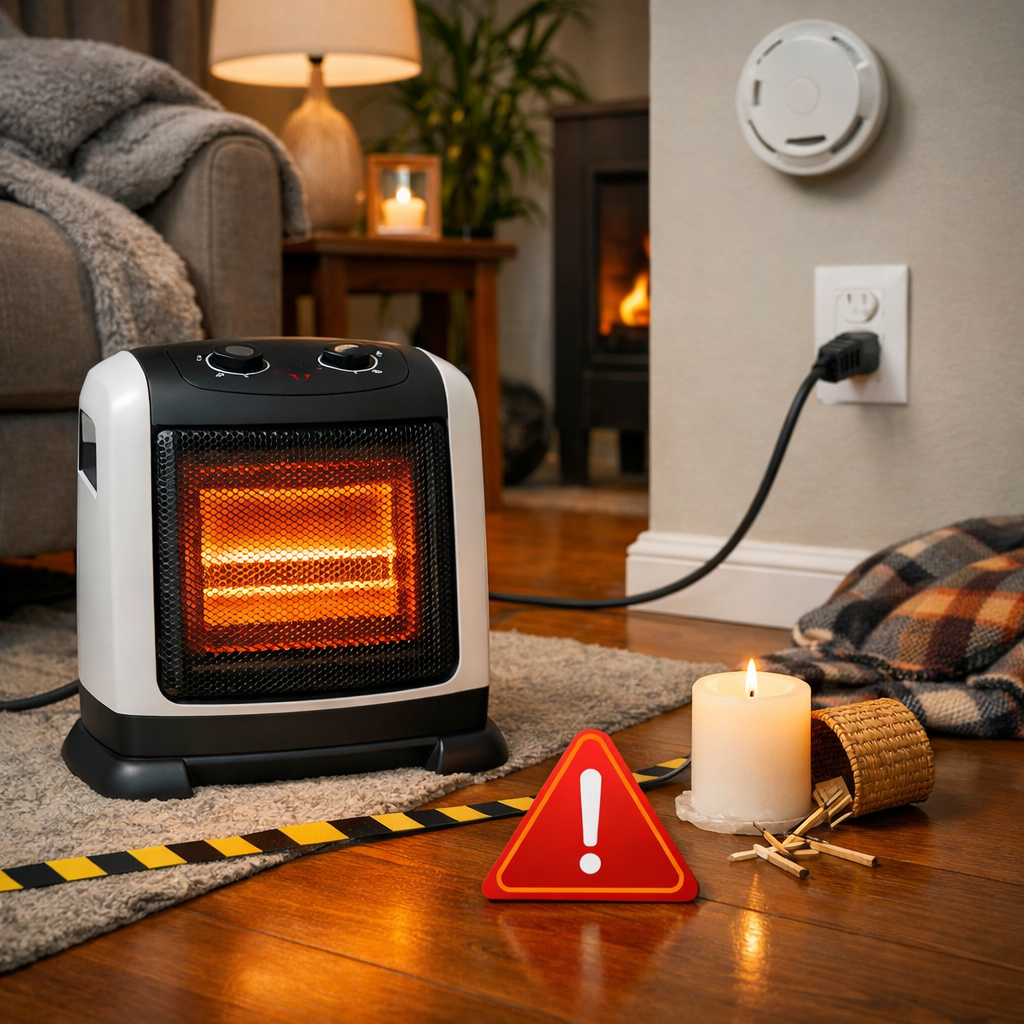
Space Heater Safety: Essential Winter Rules for Homes and Student Rooms
Space heater safety tips for Canadian homes and student rooms. Learn essential winter rules for placement, electrical use, fire prevention, and daily safe habits.
-
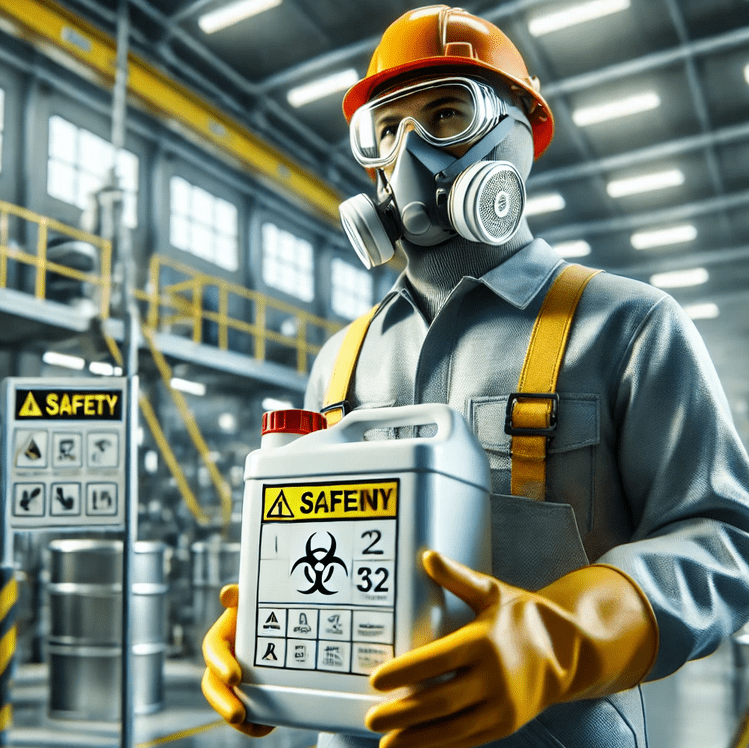
What Is Hazardous? Understanding Hazards and Risks in Context
The term “hazardous” is often used to describe substances or situations that pose a threat to health, safety, or the environment. However, understanding what constitutes hazardous requires a nuanced exploration of hazards, risks, and the conditions under which they interact. A material of relatively low hazard can present a substantial risk, while a material with…
-

Protecting Employee Health During Cold and Flu Season
Cold and flu season is a challenging time for both employees and employers. Illnesses can quickly spread through workplaces, leading to reduced productivity, increased absenteeism, and a negative impact on overall morale. Proactively addressing these challenges with effective health and safety measures can help maintain a healthy workforce and prevent widespread illness. Here’s a comprehensive…
-
Why is Effective Communication Important in Safety Leadership?
How does effective communication contribute to a safer workplace environment? Effective communication contributes to a safer workplace by ensuring that safety protocols and procedures are clearly understood by all employees. It also facilitates the quick dissemination of information regarding hazards or changes in safety procedures, allowing workers to stay informed and make necessary adjustments to…
-
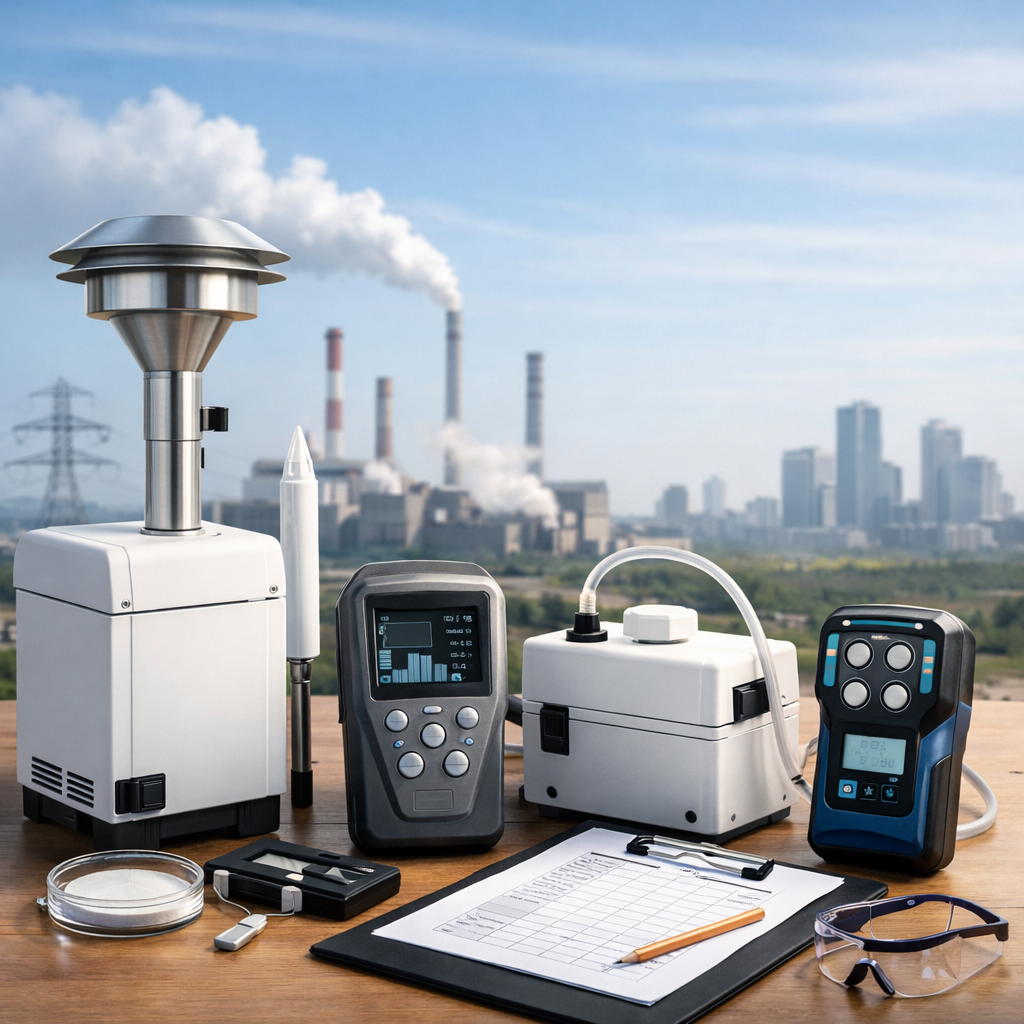
Why air monitoring basics matter in occupational hygiene
Air Monitoring Basics for Stronger Occupational Hygiene Programs Air monitoring basics are a core part of any effective occupational hygiene program. They help employers understand what workers are breathing, when exposures are happening, and whether current controls are actually reducing risk. In workplaces such as manufacturing plants, warehouses, construction sites, laboratories, and workshops, airborne hazards…
-

10 Essential Health and Safety Tips for Office Workers
While offices may not seem as hazardous as construction sites or factories, they still pose a variety of health and safety risks. Office workers are often exposed to risks like repetitive strain injuries, poor ergonomics, stress, and even slips and falls. By following some essential health and safety tips, both employers and employees can create…
-

Humidity and Heat: Essential Safety Guidelines to Beat Dangerous Conditions at Work
Humidity and Heat can be deadly hazards in many workplaces. At the beginning of any hot season, employers and workers should review their safety plans to reduce the risks of heat stress, dehydration, and other heat-related illnesses. This article explores why humidity makes heat so dangerous, how to recognize and manage the risks, and what…
-

OHSE in the Food Production Industry: Ensuring Safety and Compliance
The food production industry plays a crucial role in delivering essential products to consumers, but it also presents numerous health and safety challenges. Managing risks in food production involves adhering to Occupational Health, Safety, and Environment (OHSE) standards to protect workers, ensure food safety, and maintain environmental sustainability. This article explores the key OHSE concerns…
-
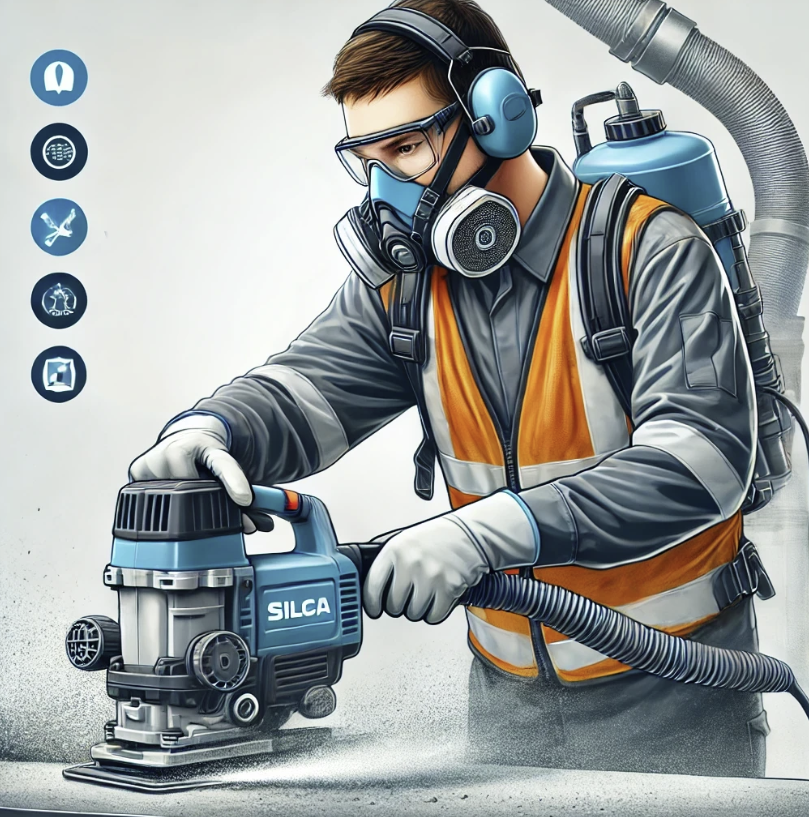
Comprehensive Guide to Silica Dust Management: Protecting Industries and Workers
Table of Contents Introduction to Silica Dust Management Industries Affected by Silica Dust Construction Industry Mining and Quarrying Manufacturing and Glass Production Oil and Gas Industry Health Risks Associated with Silica Dust Respiratory Diseases Cancer Other Health Impacts Best Practices for Silica Dust Prevention and Control Engineering Controls Administrative Controls Personal Protective Equipment (PPE) Table:…