

-

Comprehensive Overview of Occupational Health, Safety, and Environment (OHSE)
Occupational Health, Safety, and Environment (OHSE) is a comprehensive approach that integrates the principles of health, safety, and environmental protection within the workplace. It encompasses the management of risks and the promotion of well-being to ensure a holistic approach to the welfare of individuals, the community, and the environment in and around workplaces. Occupational Health,…
-

Top 7 Proven Strategies to Bite Back: Preventing Insect-Borne Illnesses in Agricultural Workplaces
Insect-borne illnesses pose serious health threats to agricultural workers across the globe. From mosquito-transmitted viruses like West Nile and Zika to tick-borne diseases like Lyme, farm workers face high exposure due to the nature of outdoor work environments. Protecting these essential workers is not just a health matter—it’s a critical workplace safety priority. In this…
-
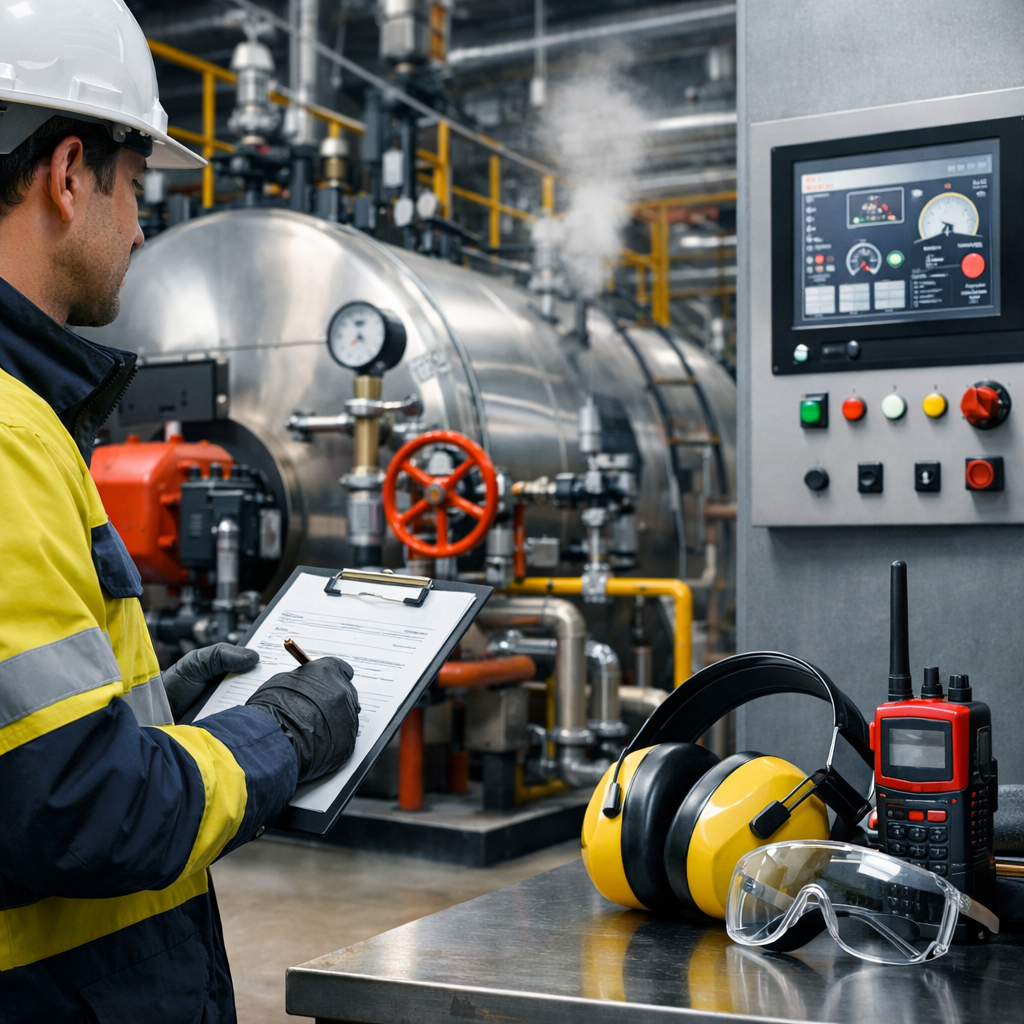
Why boiler operation safety guidelines matter in the workplace
boiler operation safety guidelines: Essential OHSE Practices for Safe and Compliant Workplaces boiler operation safety guidelines are critical for protecting workers, equipment, and facilities from fires, explosions, toxic exposure, and costly downtime. In industrial plants, commercial buildings, food processing facilities, hospitals, and manufacturing sites, boilers operate under high pressure and temperature. When they are poorly…
-
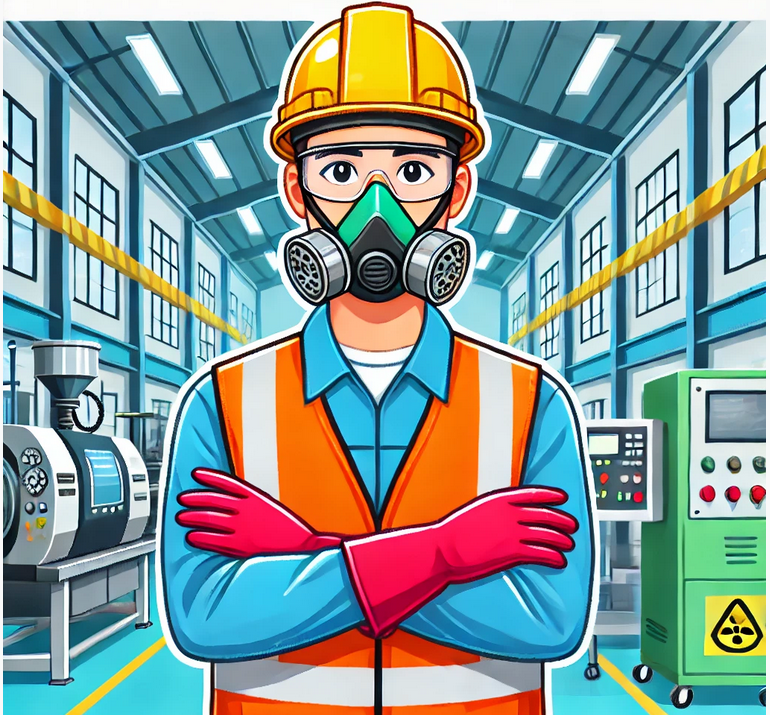
Critical Health Risks in Manufacturing Environments
Table of Contents Health Risks in Manufacturing Environments Understanding the Hazards in Manufacturing Environments Types of Hazards Health Risks of Long-term Exposure to Chemicals in Manufacturing Respiratory Diseases Cancer Risks Skin Disorders Physical Risks in Manufacturing Environments Hearing Loss Vibration-related Injuries Heat and Cold Stress Ergonomic Risks and Musculoskeletal Disorders (MSDs) Common MSDs in Manufacturing…
-
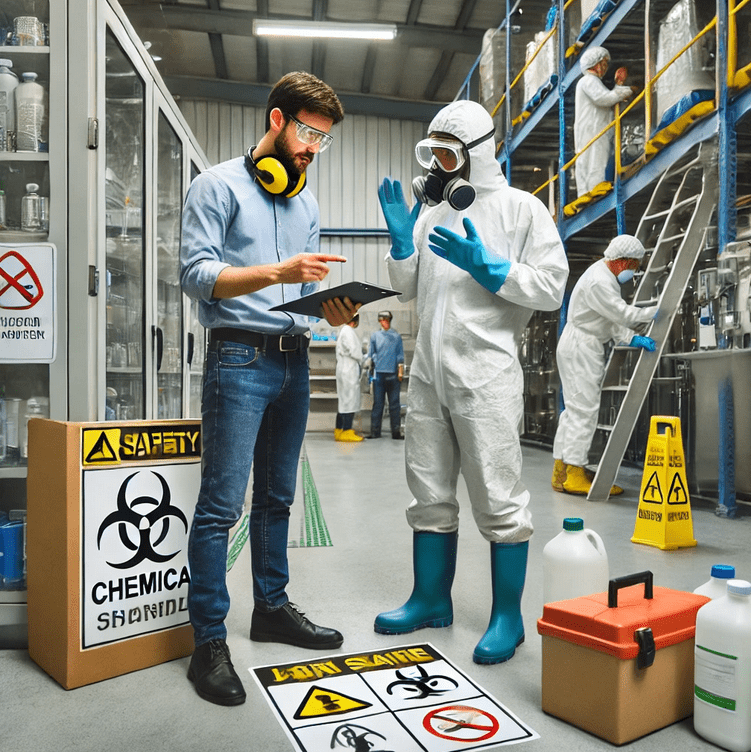
100 Methods for Reducing Accidents and Injuries on the Job
Workplace accidents and injuries can have a devastating impact on both employees and employers, leading to loss of productivity, legal consequences, and, most importantly, harm to the workers. A proactive approach to safety can help minimize these risks, ensuring that employees go home safe every day. Below are 100 methods that organizations can adopt to…
-

Enhancing Workplace Safety and Health: A Comprehensive Approach
Occupational Safety and Health (OSH) is a critical yet often underappreciated discipline that plays a vital role in protecting workers and ensuring that workplaces are safe, healthy, and conducive to productivity. With its broad scope and involvement in numerous specialized fields, OSH aims to foster the highest degree of physical, mental, and social well-being among…
-

Mandatory PPE for Work Area Poster
Table of Contents Free Download : Mandatory PPE for Work Area Poster 👷 Hard Hat – Protect Your Head from Falling Objects 👓 Safety Glasses – Shield Your Eyes from Dust, Debris & Chemicals 🎧 Hearing Protection – Guard Your Ears in High-Noise Zones 😷 Respirator or Dust Mask – Breathe Safely in Dusty or…
-
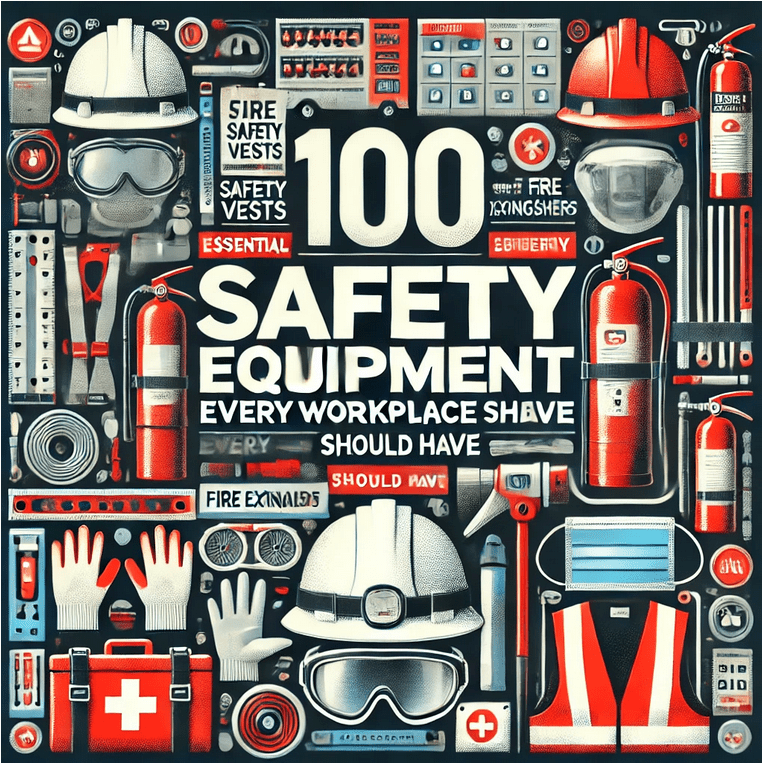
100 Safety Equipment Every Workplace Should Have
Safety in the workplace is paramount, regardless of the industry. Ensuring that your workplace is equipped with the necessary safety equipment can prevent accidents, minimize injuries, and even save lives. Below is a comprehensive list of 100 essential safety tools, equipment, and systems that every workplace should consider, categorized for ease of understanding. Table of…
-
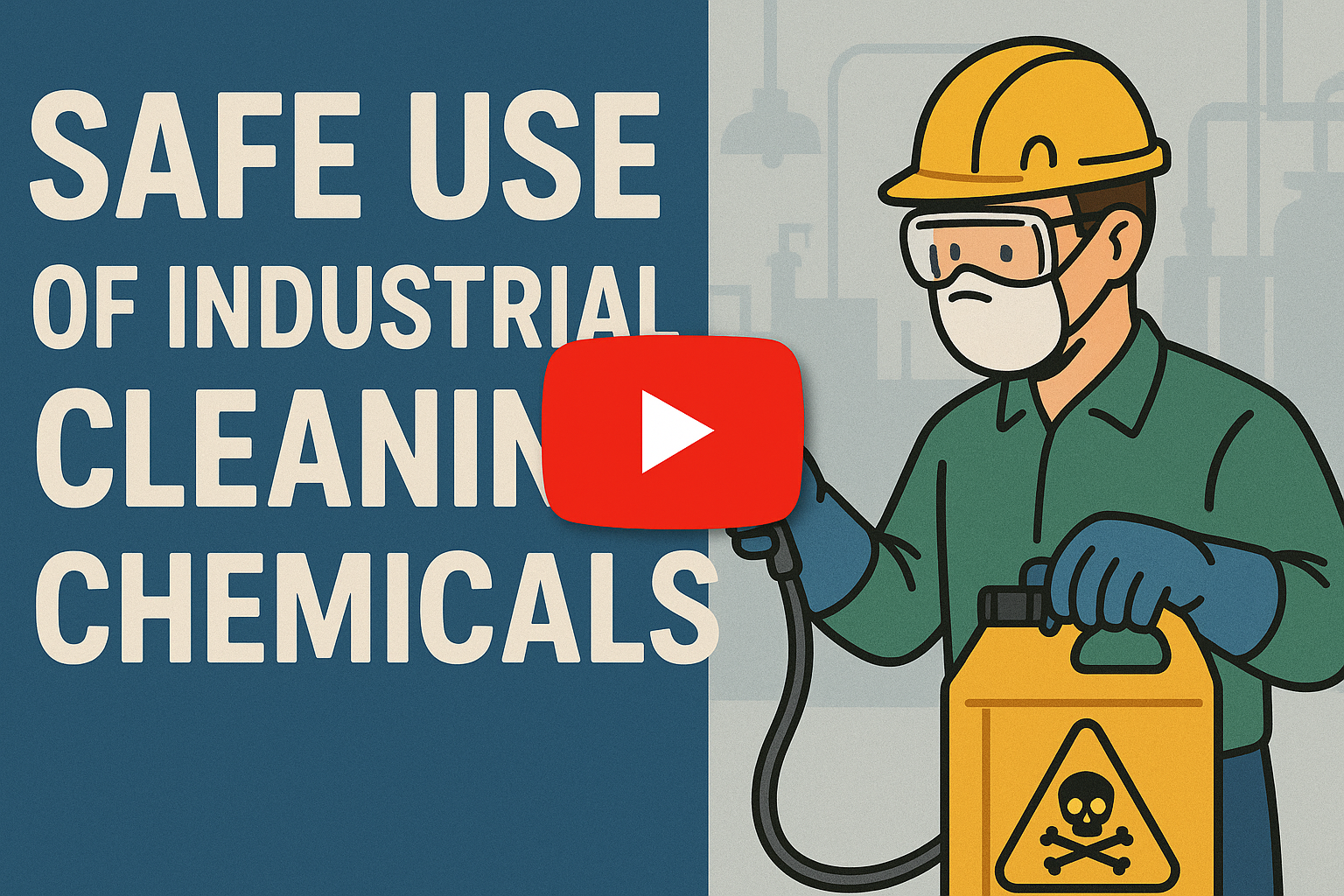
Safe Use of Industrial Cleaning Chemicals in the Workplace: Essential Safety Guide
Safe Use of Industrial Cleaning Chemicals in the Workplace is a critical priority for employers and employees alike. From hospitals and manufacturing plants to warehouses and office spaces, industrial cleaning products play a vital role in maintaining hygiene, preventing contamination, and ensuring compliance with health standards. Table of Contents Safe Use of Industrial Cleaning Chemicals…
-

Why temporary structure safety compliance matters in real workplaces
temporary structure safety compliance: A Practical OHSE Guide for Safer Worksites temporary structure safety compliance is essential for protecting workers, contractors, visitors, and the public wherever short-term installations are used. From scaffolding and formwork to event stages, marquees, hoardings, and temporary access platforms, these structures often support people, equipment, materials, and operations in changing environments.…
-

6 Empowering Essentials of Risk Management for OHSE Practitioners
The essentials of risk management for OHSE practitioners are the cornerstone of creating safe, healthy, and productive workplaces. Effective risk management ensures that hazards are identified, assessed, and mitigated, protecting workers and fostering organizational resilience. By mastering these essentials, OHSE practitioners can lead proactive safety initiatives and drive a culture of prevention. Table of Contents…


