

-

Comprehensive Overview of Occupational Health, Safety, and Environment (OHSE)
Occupational Health, Safety, and Environment (OHSE) is a comprehensive approach that integrates the principles of health, safety, and environmental protection within the workplace. It encompasses the management of risks and the promotion of well-being to ensure a holistic approach to the welfare of individuals, the community, and the environment in and around workplaces. Occupational Health,…
-

Positions and Roles in the Health, Safety, and Environment (OHSE) Field: Responsibilities and Duties
The field of Occupational Health, Safety, and Environment (OHSE) is critical to ensuring the well-being of employees, the protection of the environment, and compliance with regulatory requirements. As industries continue to recognize the importance of creating safe work environments, the demand for professionals in OHSE roles has grown significantly. Below is an overview of the…
-
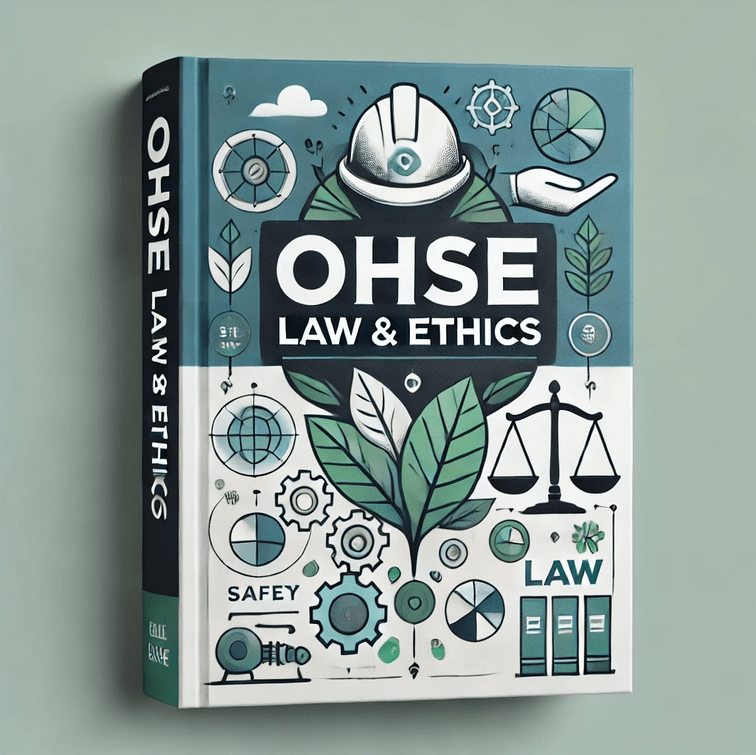
OHSE Law & Ethics
Table of Contents Chapter 1: Introduction to OHSE Law & Ethics Chapter 2: Historical Development of OHSE Law Chapter 3: Key OHSE Legislation Chapter 4: Roles and Responsibilities under OHSE Law Chapter 5: Compliance and Enforcement Chapter 6: Ethical Considerations in OHSE Chapter 7: Cultural and Global Ethical Perspectives in OHSE Chapter 8: Whistleblowing and…
-
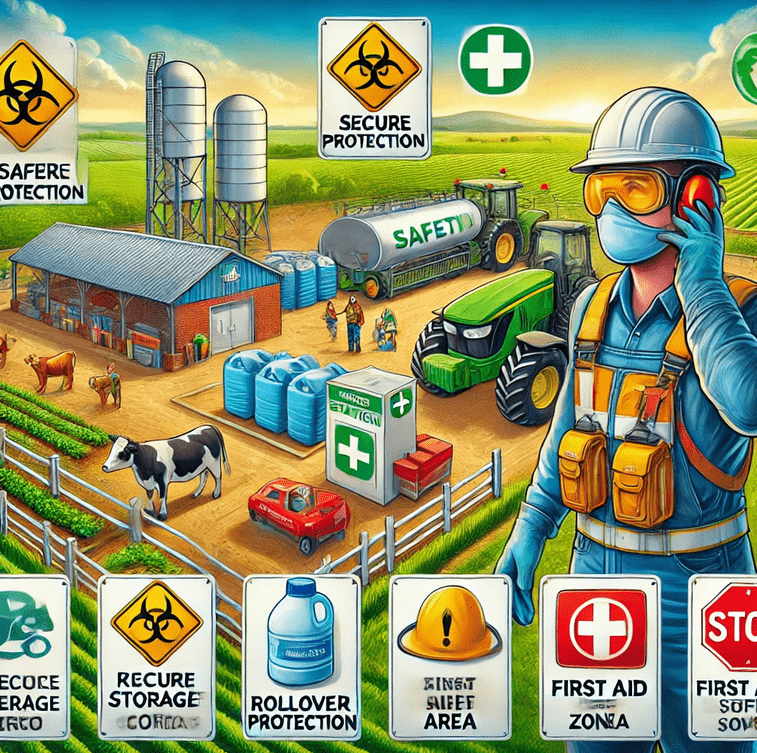
Farm Safety Basics and How to Manage Safety in Agriculture
Agricultural work is among the most rewarding yet challenging occupations, involving various risks that demand proactive safety practices. Farmers face hazards like heavy machinery, livestock handling, chemicals, and unpredictable weather, making safety management essential for both worker well-being and operational success. This article explores the fundamentals of farm safety and effective strategies for managing these…
-
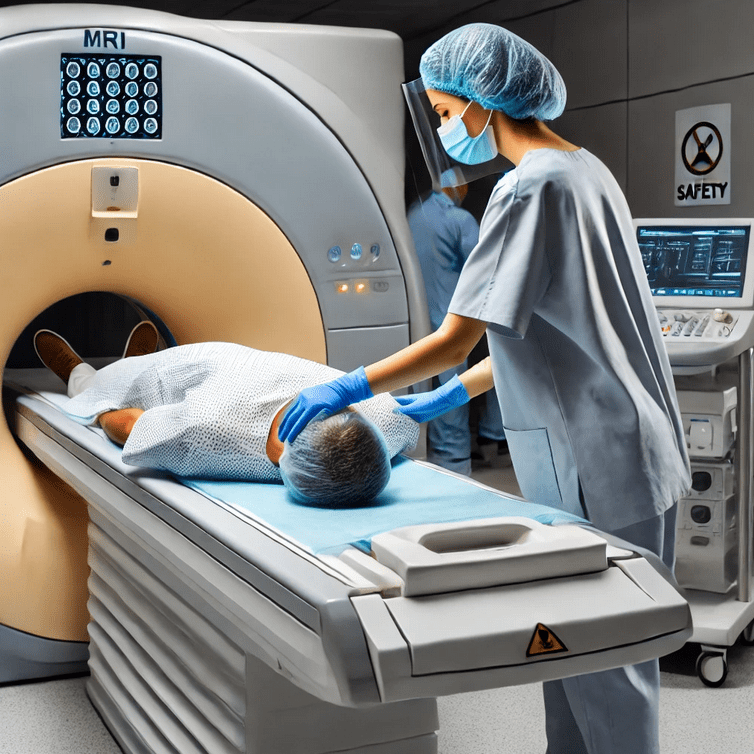
OHSE for Healthcare Workers in MRI Suites: Electromagnetic Fields and Patient Handling
Healthcare workers in MRI (Magnetic Resonance Imaging) suites face unique occupational health, safety, and environmental (OHSE) challenges due to their exposure to electromagnetic fields (EMFs) and the physical demands of patient handling. MRI technology, while invaluable for diagnostic imaging, can pose potential health risks if proper safety protocols are not followed. This article outlines the…
-

Ensuring Occupational Health and Safety for Petrol Pump Workers
Petrol pump workers play a crucial role in ensuring the smooth operation of fuel distribution systems, but they are often exposed to unique occupational hazards. From managing flammable liquids to dealing with vehicle emissions and repetitive tasks, the risks associated with this line of work require comprehensive safety measures. This article explores the occupational health…
-

What a behaviour based safety program does well
Behaviour Based Safety Program Tips That Avoid Common Pitfalls and Improve Real Safety Results Behaviour based safety program design can help organizations improve awareness, reporting, and day-to-day safe actions when it is built with care. Yet many companies expect a behaviour based safety program to fix every safety issue, and that is where problems begin.…
-
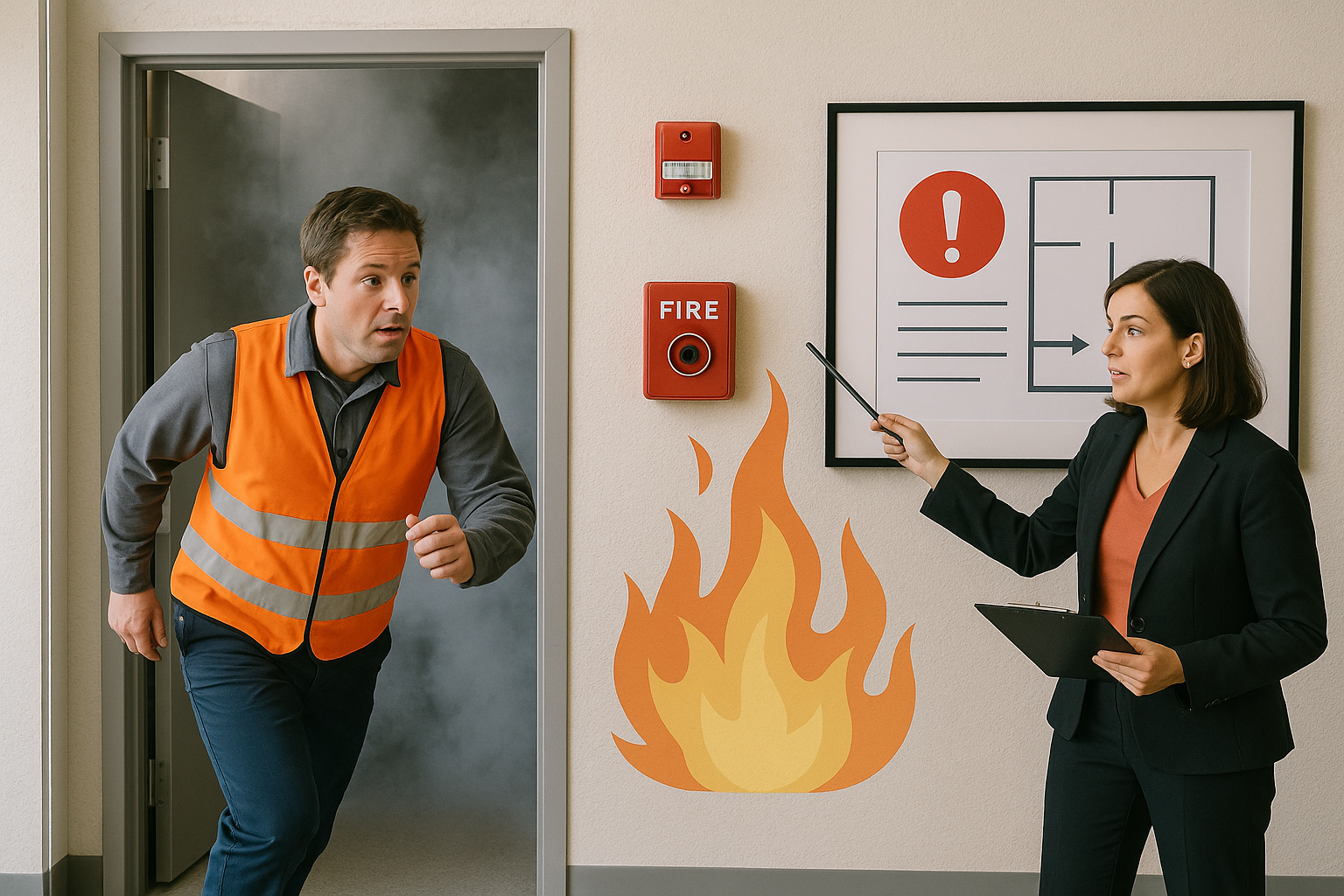
Why Safety Drills Fail and How to Make Them Work: Powerful Fixes for Real Emergencies
Why Safety Drills Fail and How to Make Them Work is a topic that cuts to the core of workplace emergency preparedness. Safety drills are designed to prepare employees for real-life emergencies—fires, chemical spills, active threats, or natural disasters. But too often, these drills fall flat. They become checkboxes, time-wasters, or worse—false security. The difference…
-

Winter Safety for Students: Essential Checklist for Cold Weather School Days
Winter safety for students starts with smart routines. Use this essential checklist for clothing, travel, school hazards, and cold weather safety on Canadian school days.
-
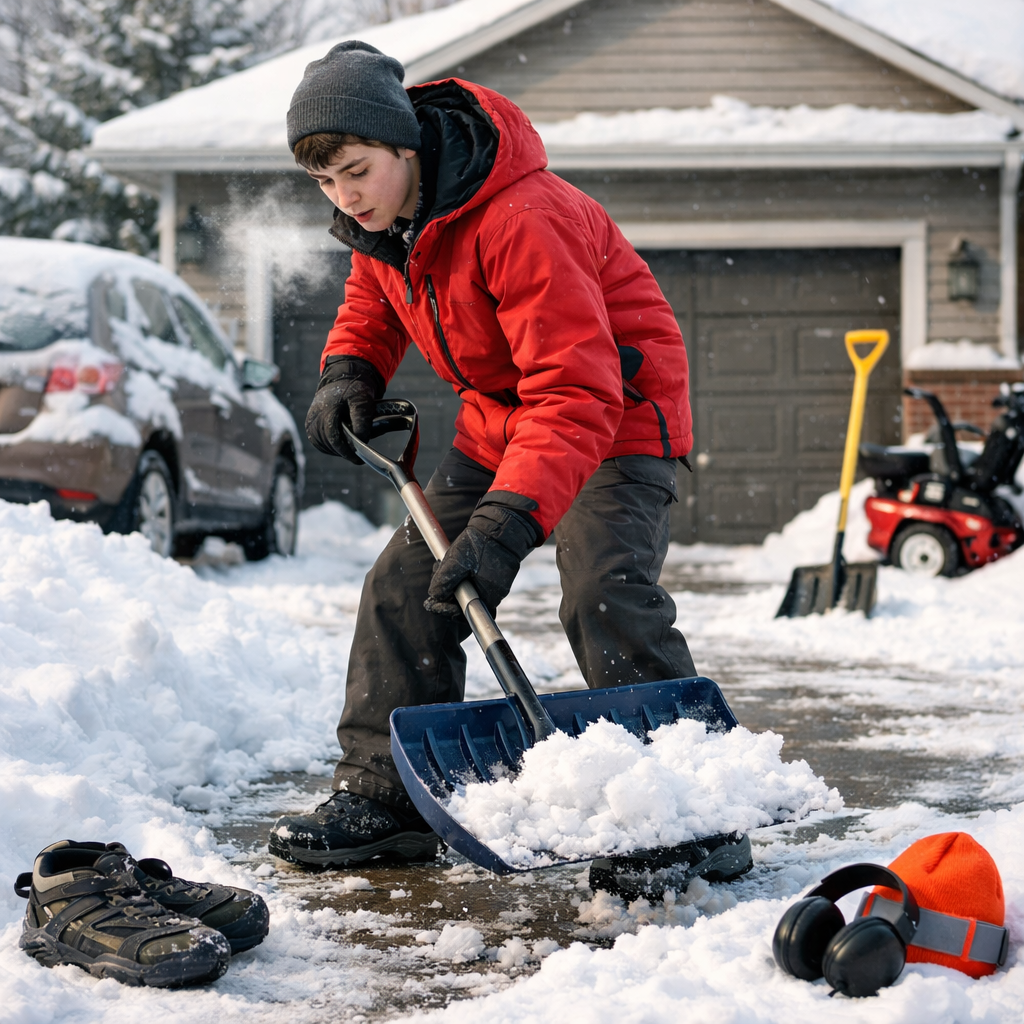
Snow Shoveling Safety for Teens: Essential Tips to Prevent Strains, Slips, and Overexertion
Snow shoveling safety for teens: practical Canadian winter tips to prevent strains, slips, cold stress, and overexertion at home, school, or work.
-
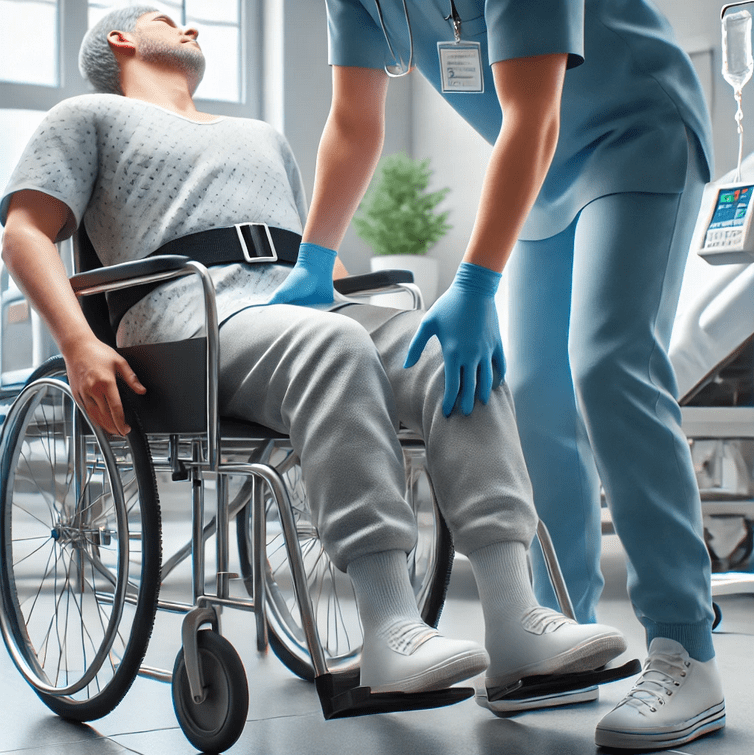
OHSE Guidelines for Safe Patient Transfers and Assistance with Walking
Healthcare workers, particularly those in caregiving roles, are often required to assist patients with transfers and walking. These tasks, while crucial for patient care, pose significant risks to both caregivers and patients if not done correctly. Following Occupational Health and Safety (OHSE) guidelines can minimize these risks, ensuring a safe and effective process for all…


