

-

Comprehensive Overview of Occupational Health, Safety, and Environment (OHSE)
Occupational Health, Safety, and Environment (OHSE) is a comprehensive approach that integrates the principles of health, safety, and environmental protection within the workplace. It encompasses the management of risks and the promotion of well-being to ensure a holistic approach to the welfare of individuals, the community, and the environment in and around workplaces. Occupational Health,…
-

Career Paths in Occupational Health and Safety
Occupational Health and Safety professionals are tasked with creating policies, assessing risks, and implementing measures to prevent workplace accidents and illnesses. With the demand for OHS professionals growing, roles in this field span industries such as construction, manufacturing, healthcare, and energy. If you’re passionate about protecting people and the environment, OHS offers a rewarding and…
-
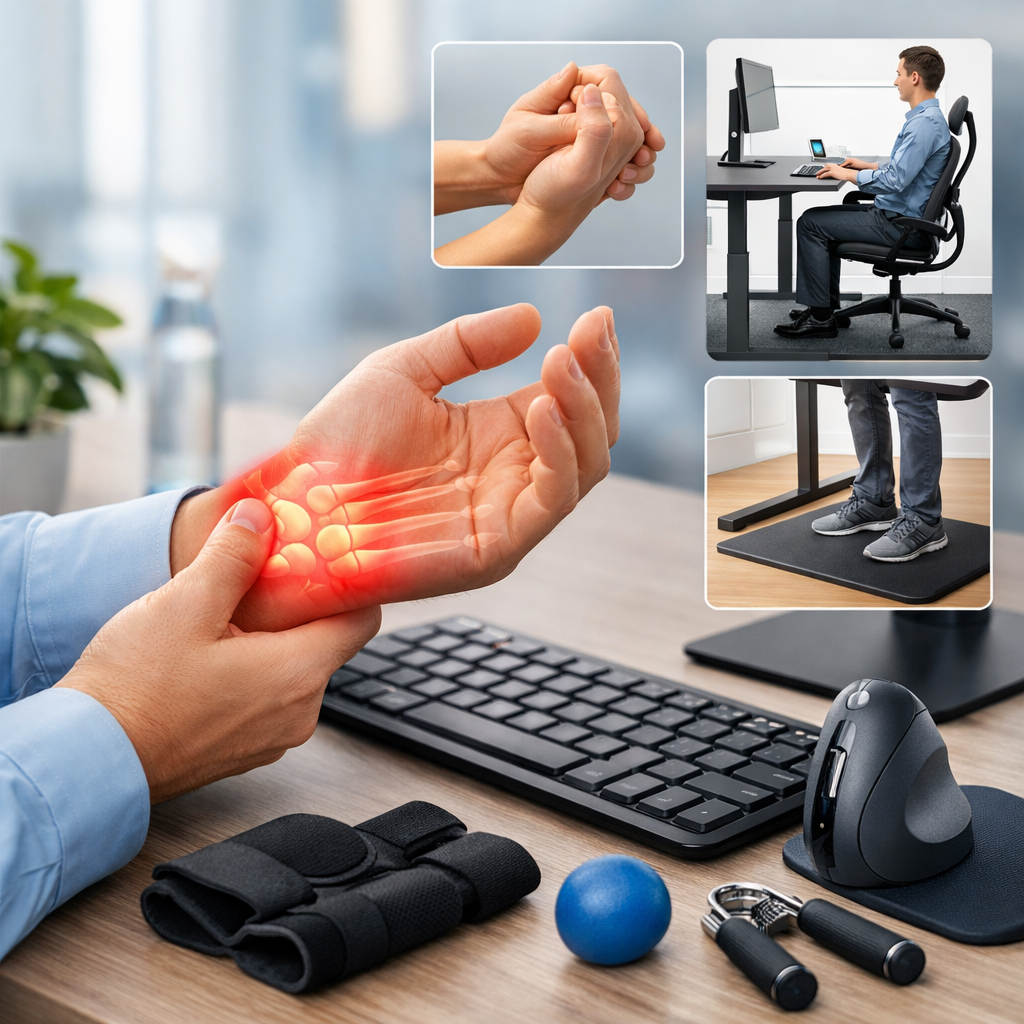
Why repetitive strain injury prevention matters for desk workers
Repetitive Strain Injury Prevention: Helpful Tips for Desk Workers That Make a Real Difference Repetitive strain injury prevention starts with understanding how small, repeated movements affect the body over time. For desk workers, hours of typing, clicking, scrolling, and sitting in one position can gradually lead to pain in the wrists, hands, shoulders, neck, and…
-

WHMIS Pictograms – Powerful Visual Safety Tools for Every Workplace
WHMIS Pictograms are at the heart of hazard communication in Canadian workplaces. These bold, standardized symbols are essential for recognizing chemical dangers at a glance. At the beginning of any job that involves hazardous products, understanding WHMIS pictograms is not just recommended—it’s a legal and life-saving requirement. From construction sites to laboratories, these pictograms provide…
-

Enhance Safety & Productivity with Ergonomic Glove Design
In various industries, from manufacturing to healthcare, the right safety gear is crucial for ensuring both the well-being of workers and the efficiency of operations. One of the most essential yet often overlooked pieces of safety equipment is the ergonomic glove. Designed to protect workers while supporting natural hand movement, ergonomic gloves play a key…
-

How to Design a Safe Warehouse Picking System: Essential Guide for Injury Prevention
Safe Warehouse Picking System design is crucial for any operation that relies on efficient, error-free, and safe material handling. At the very start of your safety planning, understanding how to create a picking system that minimizes risk is essential for worker well-being, productivity, and regulatory compliance. In this guide, we’ll break down the key principles…
-
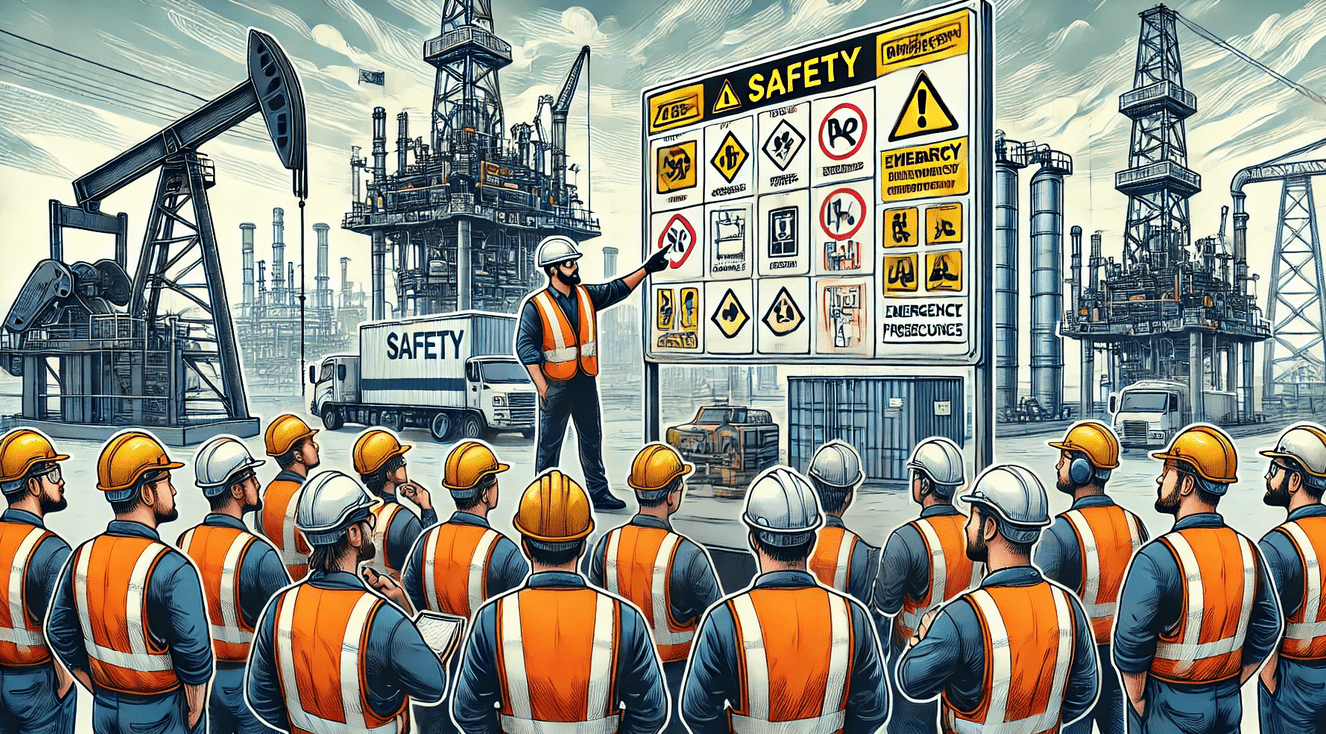
The Role of Safety Training in the Oil and Gas Industry
The oil and gas industry is one of the most hazardous sectors in the world, with workers exposed to risks ranging from fires and explosions to chemical exposures and confined spaces. To mitigate these risks, safety training plays a pivotal role in equipping employees with the knowledge and skills to operate safely and efficiently. This…
-

Understanding Thermal Conditions in Occupational Health and Safety (OHSE)
Thermal conditions refer to the environmental factors that affect an individual’s ability to maintain a safe body temperature while working. This topic is critical for ensuring the well-being of workers, especially in environments with extreme temperatures such as manufacturing plants, construction sites, or outdoor settings. Employers and OHSE professionals must understand how thermal conditions affect…
-

Comprehensive Guide to 250+ Safety Toolbox Talk Topics for a Safer Workplace
Creating a safe and productive work environment starts with effective communication about potential hazards and best practices. Safety toolbox talks are brief, focused discussions that empower employees with the knowledge to identify risks, prevent accidents, and promote well-being on the job. This guide covers 250+ Safety Toolbox Talk Topics, offering a comprehensive resource for workplace…
-
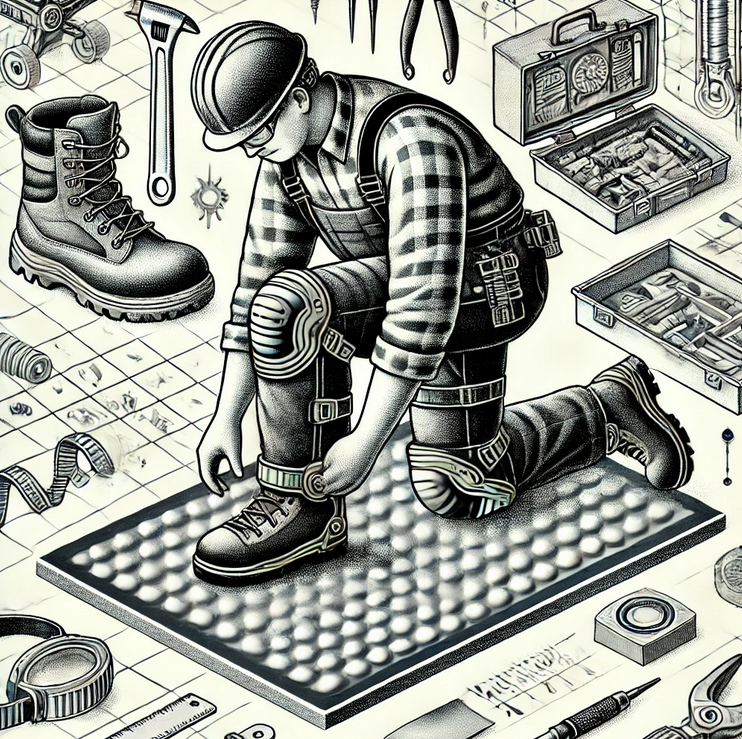
Knee Protection in Occupational Health & Safety
Knee Protection : Knee injuries are among the most common workplace-related musculoskeletal disorders, especially in industries that involve prolonged kneeling, heavy lifting, or repetitive movement. Workers in construction, manufacturing, warehousing, healthcare, and agriculture are particularly vulnerable to knee strain, injuries, and long-term damage. Proper knee protection is essential to ensure worker safety, prevent injuries, and…
-

Understanding and Preventing Heart Attacks
A heart attack, also known as a myocardial infarction, occurs when the blood flow to a part of the heart is blocked, causing damage to the heart muscle. This medical emergency can be life-threatening, but recognizing the symptoms early and taking immediate action can significantly improve the chances of survival. In this article, we will…


