

-

Comprehensive Overview of Occupational Health, Safety, and Environment (OHSE)
Occupational Health, Safety, and Environment (OHSE) is a comprehensive approach that integrates the principles of health, safety, and environmental protection within the workplace. It encompasses the management of risks and the promotion of well-being to ensure a holistic approach to the welfare of individuals, the community, and the environment in and around workplaces. Occupational Health,…
-
-

Heavy Equipment Hazards: How to Stay Safe on Site
Heavy equipment hazards pose some of the most serious threats to construction workers’ safety. From cranes and bulldozers to loaders and excavators, this machinery plays a vital role in getting the job done — but it also comes with significant risks if not operated, maintained, and supervised correctly. Understanding these hazards and implementing practical safety…
-

Why corrective action tracking matters after safety findings
Corrective Action Tracking: Important Methods After Safety Findings Corrective action tracking is one of the most important steps after a safety finding because it turns an inspection, audit, incident review, or near-miss report into real risk reduction. Without a reliable system, hazards may be logged but never fixed, deadlines can slip, and teams may assume…
-

Workplace Bullying and Harassment: Prevention and Response
Workplace bullying and harassment are serious issues that can negatively affect employees’ mental health, productivity, and overall workplace morale. It’s crucial for employers to understand how to prevent and respond to these problems. In this article, we’ll explore the definitions, prevention strategies, and response plans for addressing bullying and harassment at work. Table of Contents…
-

How to Get Management Buy-In for Safety Initiatives : 10 Proven Strategies
How to Get Management Buy-In for Safety Initiatives is one of the most important challenges safety professionals face. Even the best safety plans, training programs, or equipment upgrades will fall flat if leadership doesn’t support them. According to the National Safety Council (dofollow), effective safety management systems require visible and ongoing commitment from top leadership.…
-

Why ohse documentation control matters for compliance
OHSE Documentation Control: Useful Practices for Stronger Compliance OHSE documentation control is one of the most practical ways to improve compliance, reduce risk, and keep safety systems working as intended. When policies, procedures, forms, and records are current, approved, and easy to access, workers can follow the right process at the right time. When documents…
-

Data-Driven OHS: Leveraging Analytics for Proactive Safety Measures
Data-Driven OHS : Occupational Health and Safety (OHS) has evolved significantly in recent years, driven by advancements in technology and the growing adoption of data analytics. Traditional reactive approaches to workplace safety, which often focus on addressing incidents after they occur, are being replaced by proactive, data-driven strategies. Leveraging analytics enables organizations to identify potential…
-
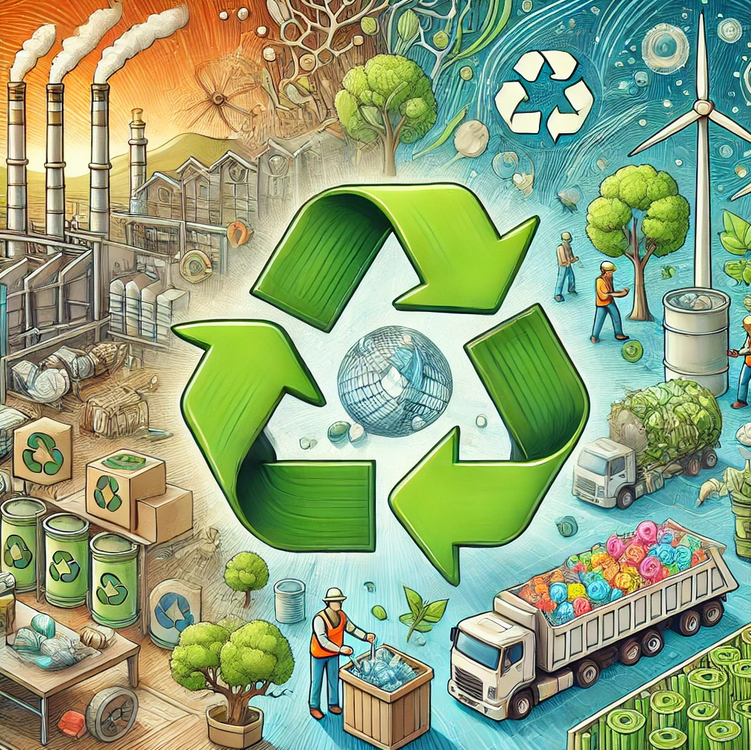
4 Circular Economy Approaches to Plastic Waste Management: A Sustainable Solution
Circular economy approaches to plastic waste management provide innovative and sustainable strategies for reducing environmental impact while promoting resource efficiency. Unlike the traditional linear model of “take, make, dispose,” circular economy principles aim to close the loop by reusing, recycling, and redesigning materials for continuous use. Table of Contents The Circular Economy Framework in Plastic…
-

Preventing Cuts and Lacerations: Essential Safety Tips for Every Workplace
Preventing cuts and lacerations is critical for maintaining workplace safety and protecting employees from injuries that can lead to lost productivity, medical expenses, and long-term complications. Whether working with sharp tools, machinery, or handling hazardous materials, understanding how to prevent cuts and lacerations is vital. This article provides actionable strategies and tools to minimize risks…
-

Bullying in the Workplace: Understanding, Prevention, and Action
Table of Contents What is Workplace Bullying? Is Bullying a Workplace Issue? What are Examples of Bullying? What Might Not Be Considered Bullying? How Can Bullying Affect an Individual? How Can Bullying Affect the Workplace? Are There Any Laws Addressing Bullying in the Workplace in Canada? What Can You Do if You Think You Are…


