

-

Comprehensive Overview of Occupational Health, Safety, and Environment (OHSE)
Occupational Health, Safety, and Environment (OHSE) is a comprehensive approach that integrates the principles of health, safety, and environmental protection within the workplace. It encompasses the management of risks and the promotion of well-being to ensure a holistic approach to the welfare of individuals, the community, and the environment in and around workplaces. Occupational Health,…
-

Partial Airway Obstruction First Aid: Essential Steps Everyone Should Know
Partial Airway Obstruction First Aid is a critical life skill that can prevent emergencies from escalating into life-threatening situations. When a person is choking but still able to cough, speak, or breathe, they are experiencing a partial airway obstruction. Unlike a complete obstruction, where immediate intervention is necessary, a partial obstruction requires a calm, measured…
-

Hard Hats and Hard Laughs: Construction Safety Jokes That Hit the Nail on the Head
Construction Safety Jokes can do something remarkable on a job site: lower defenses, open ears, and make serious lessons stick. When a crew is juggling deadlines, noise, and a thousand moving parts, a quick laugh can turn a routine reminder into a moment everyone remembers. The secret isn’t telling jokes just to be funny; it’s…
-
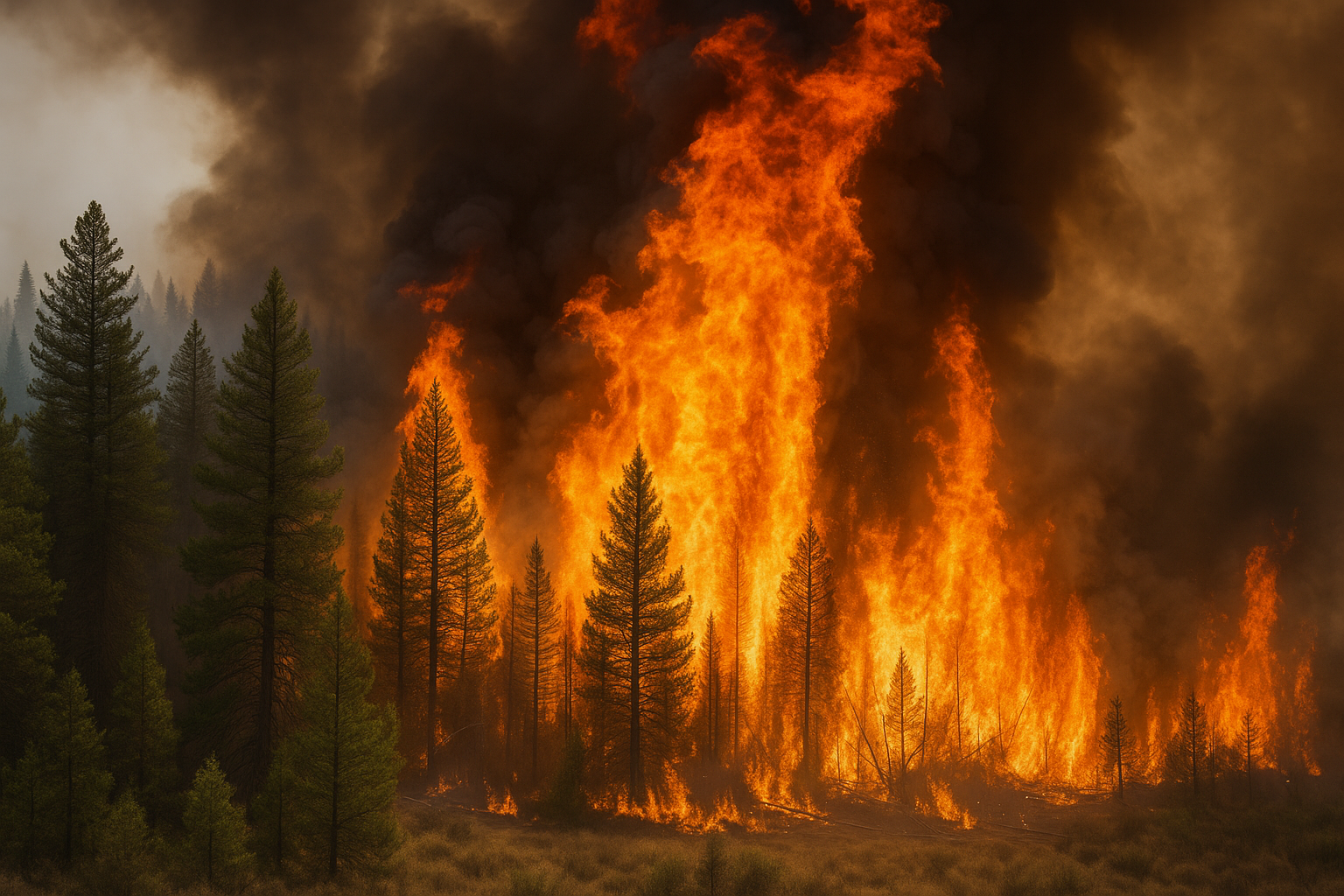
Tornado, Wildfire, Flood: Building All-Hazard Emergency Plans That Save Lives
All-Hazard Emergency Plans : Workplace emergencies don’t wait for a convenient time to strike—and rarely follow a script. From raging wildfires and flash floods to devastating tornadoes, every geographic location faces unique risks. Yet many organizations still approach emergency preparedness in isolated silos. All-Hazard Emergency Plans provide a proactive, flexible, and unified framework for preparing…
-
Teams and Group Dynamics
Table of Contents 6.1. Understanding Teams and Groups 6.2. Group Dynamics 6.3. Managing Effective Teams Summary and Key Takeaways 6.1. Understanding Teams and Groups 6.1.1. Differences Between Teams and Groups While the terms “team” and “group” are often used interchangeably, they have distinct meanings in organizational behavior. Understanding these differences is key to fostering effective…
-

Winter Nail and Finger Safety : Essential OHSE Safety Tips
Winter Nail and Finger Safety – Winter brings many challenges, especially when it comes to personal safety. Among the less obvious risks is the vulnerability of your nails and fingers. In cold conditions, these small but essential parts of your body can suffer damage, leading to discomfort, injury, or infection. Following Occupational Health, Safety, and…
-
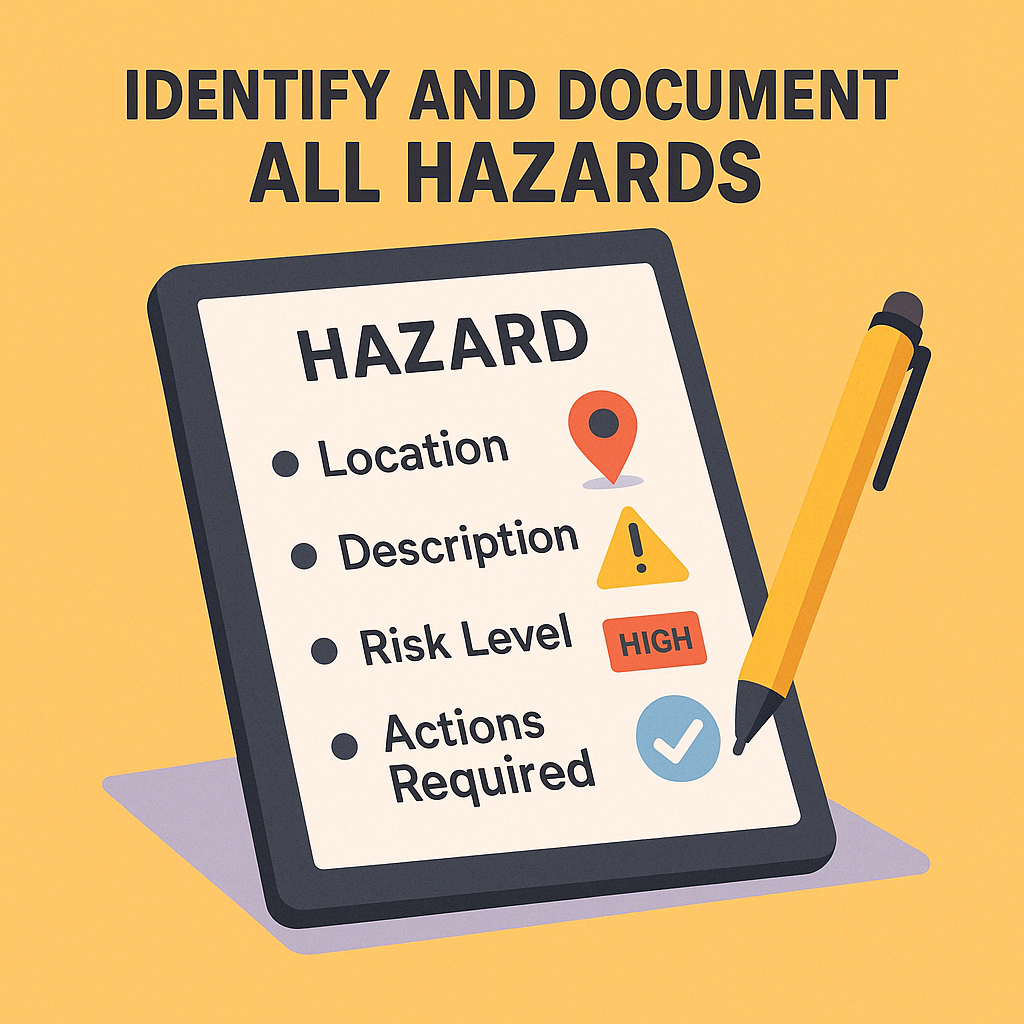
How to Conduct a Workplace Hazard Assessment Step by Step (Essential Guide)
Workplace Hazard Assessment is the foundation of occupational health and safety. At the beginning of every successful safety program is a structured approach to identifying potential risks before they cause harm. Table of Contents Workplace Hazard Assessment Why Workplace Hazard Assessment Matters Step 1: Understand the Types of Workplace Hazards Step 2: Review Past Incident…
-
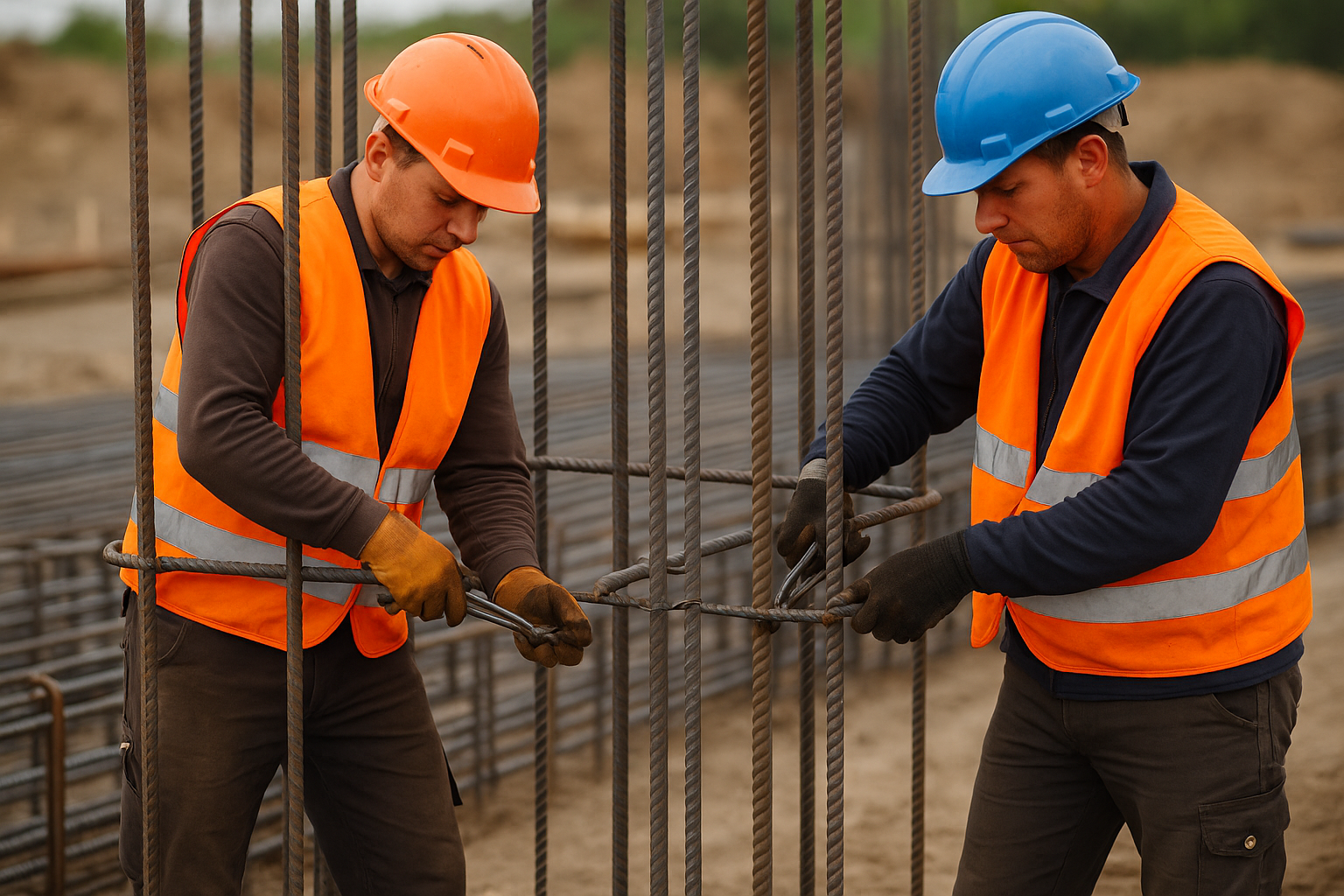
Concrete Reinforcement Safety: Best Practices for Cutting, Bending, and Tying Steel
Concrete reinforcement is the backbone of modern construction, and the technicians who cut, bend, and tie steel play a critical role in ensuring structural strength. But these tasks carry significant risks. By following concrete reinforcement safety practices, employers and workers can prevent injuries while delivering durable, safe structures. Table of Contents Why Concrete Reinforcement Safety…
-

Why Near Miss Reporting Practices Matter in Every Workplace
Smart Near Miss Reporting Practices That Improve Prevention Near miss reporting practices are one of the most effective ways to stop injuries before they happen. When a falling tool misses a worker by inches, a forklift turns too fast in a crowded aisle, or a chemical container is found leaking before exposure occurs, the event…
-

Radiation Safety Protocols for Technicians and Radiologists: Critical Guidelines for Protection
Table of Contents Radiation Safety Understanding the Risks of Radiation Exposure 1. The ALARA Principle: Keep Exposure As Low As Reasonably Achievable 2. Use of Personal Protective Equipment (PPE) 3. Dosimetry and Monitoring 4. Shielding and Structural Barriers 5. Equipment Maintenance and Safety Checks 6. Education and Radiation Safety Training 7. Controlled Access and Signage…
-

Traffic Management Plan Tips for Busy Industrial Sites That Improve Safety and Flow
Table of Contents Traffic Management Plan Tips for Busy Industrial Sites That Improve Safety and Flow Traffic Management Plan Tips for Route Design and Site Layout Design routes around real site movement Use one-way systems where possible Traffic Management Plan Tips for Signage and Communication Make signs simple, visible, and consistent Support signs with markings…


