

-

Comprehensive Overview of Occupational Health, Safety, and Environment (OHSE)
Occupational Health, Safety, and Environment (OHSE) is a comprehensive approach that integrates the principles of health, safety, and environmental protection within the workplace. It encompasses the management of risks and the promotion of well-being to ensure a holistic approach to the welfare of individuals, the community, and the environment in and around workplaces. Occupational Health,…
-

Fire Suppression Systems: Choosing the Right Solution for Your Workplace
Workplace safety is a top priority for businesses, particularly when it comes to fire hazards. A fire can cause significant damage to property, disrupt operations, and, most importantly, threaten the safety of employees. Fire suppression systems are critical tools designed to detect and extinguish fires before they cause widespread damage. However, choosing the right fire…
-

Special Risks for Young Workers—and How to Mitigate Them: Essential Safety Strategies
Special Risks for Young Workers—and How to Mitigate Them is a critical topic for any safety manager, supervisor, or employer. Young workers—typically defined as those under 25—are statistically more likely to suffer workplace injuries than older, more experienced colleagues. Why? Because they often lack experience, training, and the confidence to speak up about hazards. Employers…
-

The Future of Robotics in Occupational Health and Safety: Tesla’s Gen 3 Optimus Bot
The emergence of Tesla’s Gen 3 Optimus Bot brings exciting possibilities to various industries, including Occupational Health and Safety (OHSE). This humanoid robot, designed with cutting-edge features and abilities, has the potential to revolutionize how workplaces handle safety, efficiency, and risk management. However, alongside its promise comes the need to address security, safety concerns, and…
-
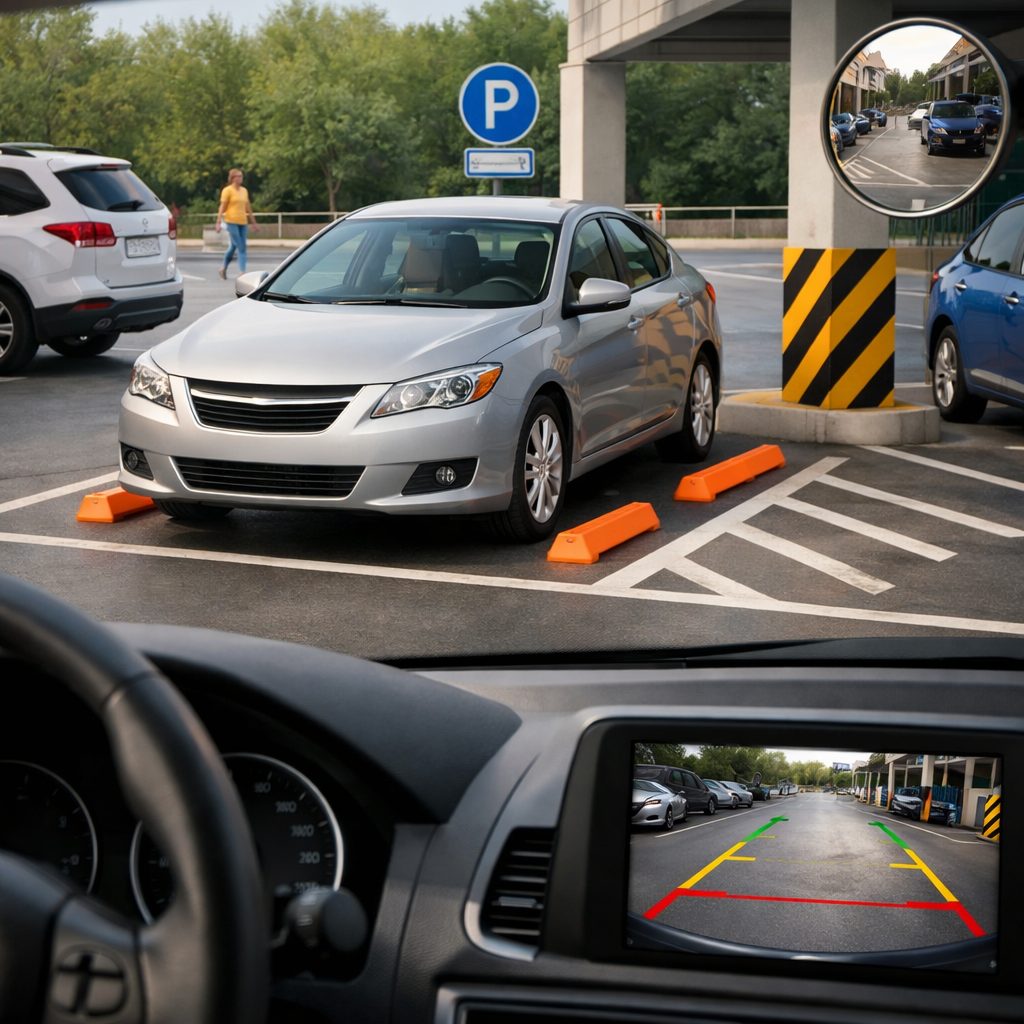
Why safe parking practices for drivers matter in OHSE
safe parking practices for drivers: Reducing Risks and Improving OHSE Compliance on the Road safe parking practices for drivers are a critical part of occupational health, safety, and environmental performance in transport, logistics, field service, construction, and general workplace travel. Parking may seem routine, but many incidents occur when vehicles are stationary, reversing, entering loading…
-
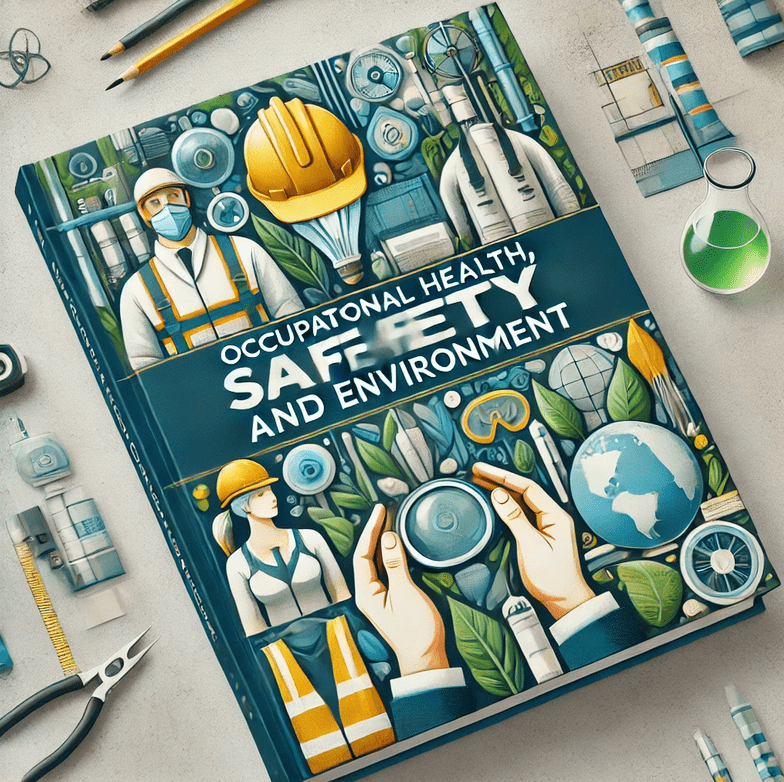
Integrating OHSE into Organizational Strategy
Table of Contents 10.1. The Strategic Importance of OHSE 10.2. Developing an OHSE Strategy 10.3. Measuring and Communicating OHSE Performance Summary and Key Takeaways 10.1. The Strategic Importance of OHSE 10.1.1. Aligning OHSE with Business Goals Integrating Occupational Health, Safety, and Environmental (OHSE) management into organizational strategy is essential for achieving long-term success and sustainability.…
-

Top 20 Ways to Enhance Mental Health in the Workplace
Ensuring positive mental health in the workplace is essential for employee well-being, productivity, and overall job satisfaction. Addressing mental health proactively can lead to a happier, more engaged workforce and reduce absenteeism. Here are 20 detailed strategies to enhance mental health in the workplace: No. Strategy Description 1 Flexible Work Hours Allowing employees to have…
-
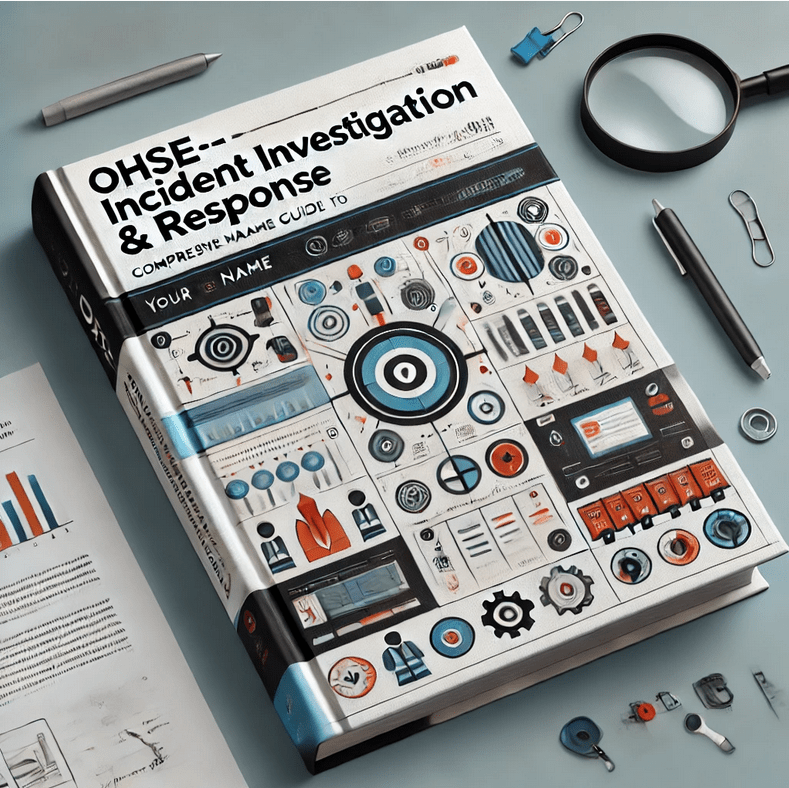
Conducting Incident Investigations
Table of Contents 2.1. Initial Response to an Incident 2.2. Data Collection and Documentation 2.3. Analyzing the Incident 2.4. Developing Findings and Conclusions Summary of Chapter 2 2.1. Initial Response to an Incident The initial response to an incident is critical in ensuring the safety of individuals involved, preventing further damage, and preserving evidence for…
-

Cybersecurity as a Critical Component of Occupational Health, Safety, and Environment (OHSE)
As businesses and organizations continue to rely more heavily on digital technologies, cybersecurity has emerged as a vital component of Occupational Health, Safety, and Environment (OHSE). While traditional OHSE frameworks have focused on physical safety, workplace health, and environmental sustainability, the rise of cyber threats presents new challenges that can have significant repercussions on employees,…
-

Why Workers Don’t Report Near Misses: Understanding the Barriers to Safety
Near misses are golden opportunities to prevent future accidents—but only if they’re reported. Unfortunately, many workers choose not to report them. Understanding why workers don’t report near misses is essential for building a safer, more transparent workplace. Table of Contents Fear of Repercussions Lack of Understanding About Near Misses Belief That Nothing Bad Happened Peer…
-

Preventing Needle Stick Injuries: Best Practices in Healthcare
Preventing needle stick injuries is one of the most pressing occupational health and safety concerns in modern healthcare. Each year, thousands of healthcare workers—nurses, doctors, laboratory technicians, and support staff—suffer accidental punctures from needles and sharps. T hese incidents are not just minor injuries; they carry the risk of exposure to bloodborne pathogens such as…


