

-

Comprehensive Overview of Occupational Health, Safety, and Environment (OHSE)
Occupational Health, Safety, and Environment (OHSE) is a comprehensive approach that integrates the principles of health, safety, and environmental protection within the workplace. It encompasses the management of risks and the promotion of well-being to ensure a holistic approach to the welfare of individuals, the community, and the environment in and around workplaces. Occupational Health,…
-

Why Mental Health and Workplace Safety Matter in OHSE
Mental Health and Workplace Safety: Building Safer, Healthier Work Environments Mental health and workplace safety are closely connected, and employers cannot treat them as separate issues. When workers are stressed, fatigued, anxious, isolated, or overwhelmed, the risk of mistakes, injuries, conflict, and poor decision-making increases across every industry. In OHSE practice, psychological health is part…
-

Key Features and Differences Between ISO 45001 and OHSAS 18001
Occupational health and safety (OH&S) management is critical for ensuring worker safety, minimizing risks, and improving overall business performance. Businesses around the world have utilized management standards like OHSAS 18001 to maintain high levels of workplace safety. However, a significant transition has been underway, with ISO 45001 replacing OHSAS 18001 as the new global standard…
-

Dealing with Snow and Ice Removal: 9 Safe Practices for Job Sites
Snow and ice accumulation on job sites during winter pose significant safety risks for workers and can delay project timelines. Dealing with snow and ice removal safely is crucial to maintaining productivity and minimizing hazards. This guide outlines effective practices to ensure safe and efficient snow and ice removal on construction sites. Table of Contents…
-

Lessons from Recent Workplace Fatalities: Preventing Reversing Vehicle Incidents
Lessons from Recent Workplace Fatalities: Preventing Reversing Vehicle Incidents begins with a hard truth—lives are still being lost to preventable vehicle-related accidents at job sites across Canada. As industries move faster with tight deadlines and complex logistics, reversing vehicles have become an overlooked but deadly hazard. In August 2025, multiple fatal incidents, including a worker…
-
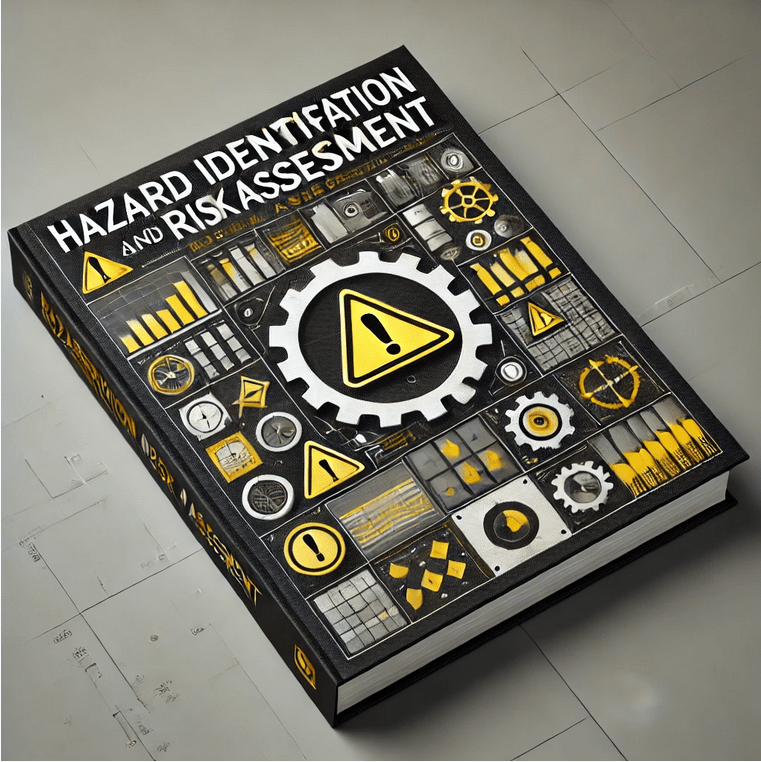
The Hazard Identification Process
Table of Contents 3.1. Techniques for Identifying Hazards 3.2. Tools for Hazard Identification 3.3. Documentation and Reporting of Hazards Summary of Chapter 3 3.1. Techniques for Identifying Hazards Hazard identification is a systematic process that involves various techniques to ensure that all potential hazards in the workplace are recognized and documented. This chapter focuses on…
-
Master Workplace Safety: Occupational Health and Safety Quiz
Occupational Health and Safety Quiz : Occupational Health and Safety (OHSE) isn’t just a set of rules—it’s a lifesaving commitment every workplace must uphold. Whether you’re a safety officer, supervisor, frontline worker, or just passionate about creating safer work environments, this OHSE Multiple Choice Test is the perfect way to assess and expand your safety…
-
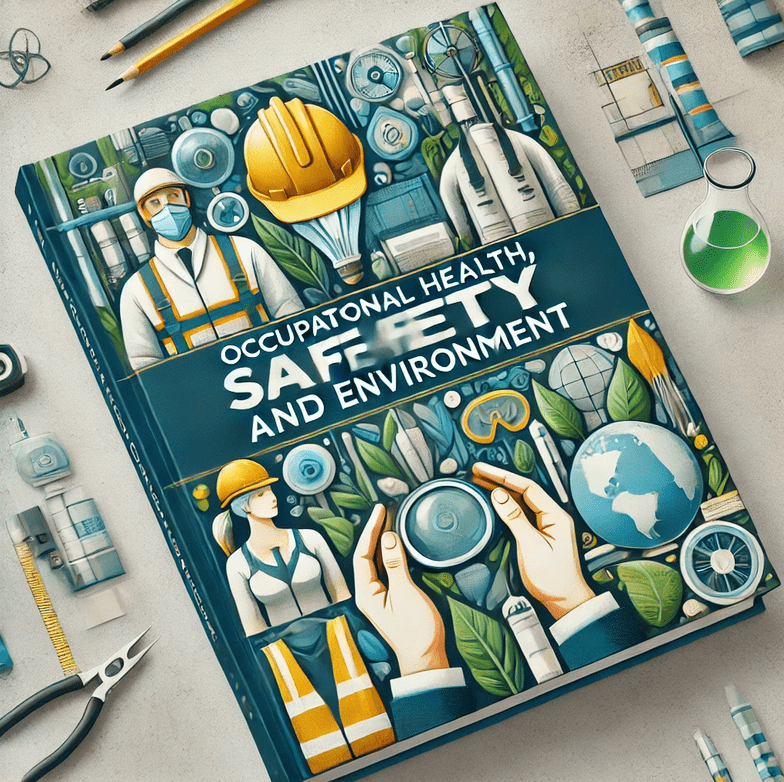
Introduction to Occupational Health, Safety, and Environment (OHSE)
Table of Contents 1.1. Understanding OHSE 1.2. Key Concepts and Terminology 1.1. Understanding OHSE 1.1.1. Definition and Scope of OHSE Occupational Health, Safety, and Environment (OHSE) is a critical field that integrates the principles of health, safety, and environmental management into the workplace. The primary aim of OHSE is to protect workers’ health and safety…
-

What a Permit to Work System Is and Why It Matters
Permit to Work System Basics for Hazardous Tasks: Critical Controls for Safer Work Permit to work system processes are one of the most important foundations of safe work when jobs involve high-risk activities, non-routine tasks, or hazardous energy. In workplaces such as factories, warehouses, construction sites, laboratories, and process plants, a structured permit process helps…
-
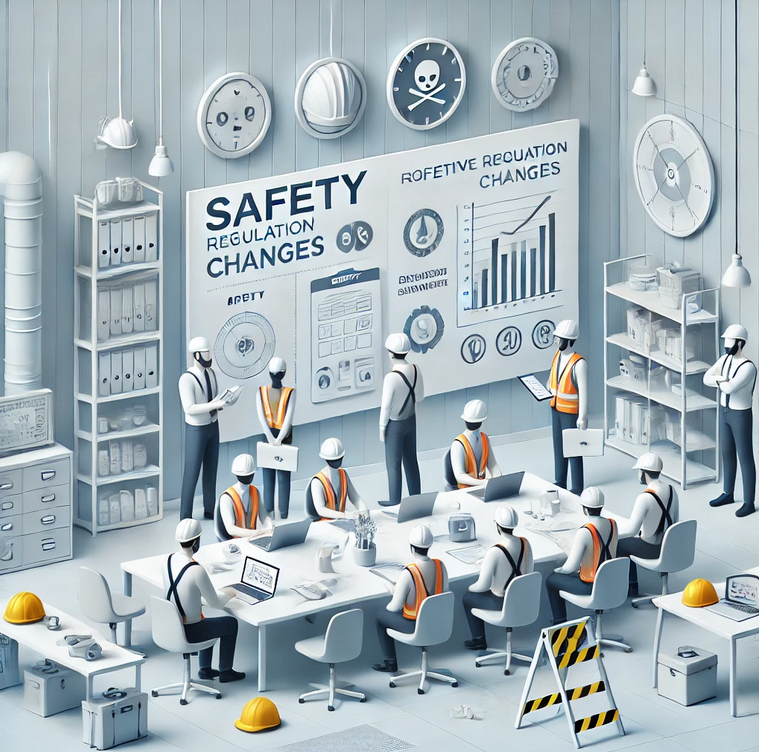
The Benefits of Staying Ahead of Safety Regulation Changes
The benefits of staying ahead of safety regulation changes extend beyond compliance to fostering a safer, more efficient, and resilient workplace. Rapid shifts in safety standards and industry regulations require organizations to be proactive, ensuring they meet legal requirements while protecting their workforce and assets. In this article, we explore the critical advantages of staying…


