

-

Comprehensive Overview of Occupational Health, Safety, and Environment (OHSE)
Occupational Health, Safety, and Environment (OHSE) is a comprehensive approach that integrates the principles of health, safety, and environmental protection within the workplace. It encompasses the management of risks and the promotion of well-being to ensure a holistic approach to the welfare of individuals, the community, and the environment in and around workplaces. Occupational Health,…
-

6 Methods for Teaching Kids About Health and Safety
Table of Contents Teaching Kids About Health and Safety: A Guide for Parents and Educators 1. Why Teaching Kids About Health and Safety is Important A. Reduces Risk of Accidents and Injuries B. Encourages Good Health and Hygiene C. Builds Confidence in Emergency Situations 2. Key Health and Safety Topics for Kids 3. How to…
-

Supporting Aged Employees in the Workplace
Table of Contents Key OHSE Considerations for a Healthy and Productive Environment 1. Understanding the Needs of Aged Employees 2. Ergonomics for Older Workers Adjusting Workstations Lifting Techniques 3. Health and Safety Measures Slips, Trips, and Falls Fatigue Management Musculoskeletal Health 4. Fostering a Supportive Work Environment Encourage Open Communication Offer Training and Development 5.…
-
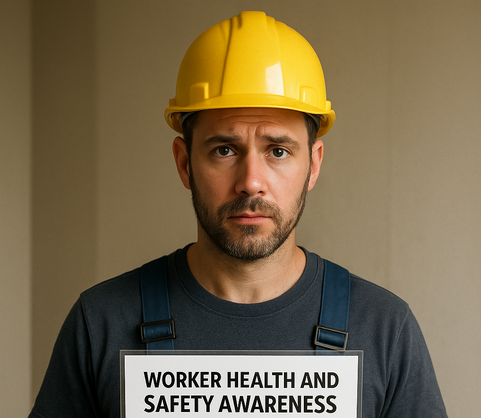
Essential Worker Health and Safety Awareness in 5 Steps
Worker Health and Safety Awareness is the cornerstone of a productive and injury-free workplace. At the beginning of every job, no matter the industry, understanding basic safety expectations and responsibilities helps reduce risks and promotes a strong safety culture. This article walks you through five fundamental steps to promote awareness and protect your workforce. Table…
-
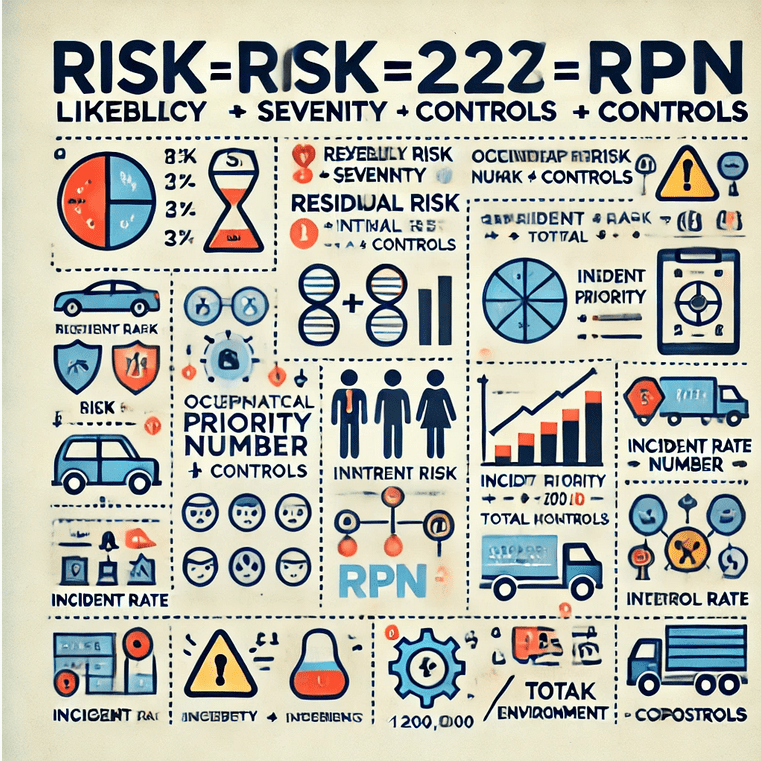
Key Risk Management and Safety Equations in OHSE
Equation Explanation Risk = Likelihood × Severity This is the most basic and widely used equation in risk assessment, where risk is calculated by combining the likelihood of occurrence with the severity of the consequences. Residual Risk = Initial Risk − Controls Residual risk refers to the remaining risk after implementing control measures. This helps…
-

Leadership in Crisis Situations
Table of Contents 5.1. The Role of OHSE Leaders in Crisis Management 5.2. Decision-Making Under Pressure 5.3. Communication During a Crisis 5.4. Post-Crisis Leadership and Recovery 5.5. Case Studies: Leadership During OHSE Crises Summary and Key Takeaways 5.1. The Role of OHSE Leaders in Crisis Management Crisis situations in Occupational Health, Safety, and Environment (OHSE)…
-

The Best 100 Safety Topics For Daily Toolbox Talks
Toolbox talks are an essential part of workplace safety, offering employees valuable information on how to maintain a secure and efficient environment. These short, informal meetings are a great way to highlight potential hazards, reinforce safe working practices, and ensure that everyone is aware of the latest safety protocols. Here are 100 of the best…
-
The Future of Leadership in OHSE
Table of Contents 10.1. Emerging Trends in OHSE Leadership 10.2. The Impact of Technology on OHSE Leadership 10.3. The Evolving Role of OHSE Leaders 10.4. Preparing for the Future of OHSE Leadership Summary of Chapter 10 10.1. Emerging Trends in OHSE Leadership As the field of Occupational Health, Safety, and Environment (OHSE) continues to evolve,…
-
Global Perspectives on Industrial/Occupational Hygiene
Table of Contents 12.1 International Standards and Guidelines 12.2 Global Challenges and Emerging Trends 12.3 Occupational Hygiene in Developing Countries 12.4 The Future of Industrial/Occupational Hygiene Review Questions: Further Reading: 12.1 International Standards and Guidelines Occupational hygiene is governed by various international standards and guidelines that aim to protect workers’ health and safety globally. These…
-
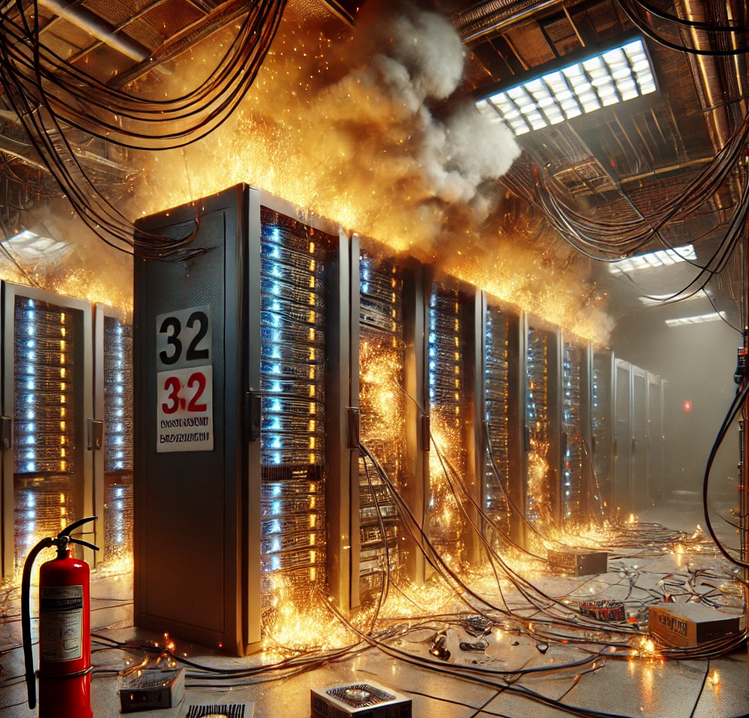
Data Centers and IT Industry Safety: Managing Electrical and Fire Hazards
Table of Contents Data Centers and IT Industry Safety Common Electrical and Fire Hazards in Data Centers 1. Overloaded Electrical Circuits 2. Faulty Wiring and Electrical Connections 3. UPS (Uninterruptible Power Supply) System Malfunctions 4. Dust and Debris Accumulation 5. Inefficient Cooling and Ventilation Systems 6. Use of Substandard Electrical Components 7. Human Error and…
-
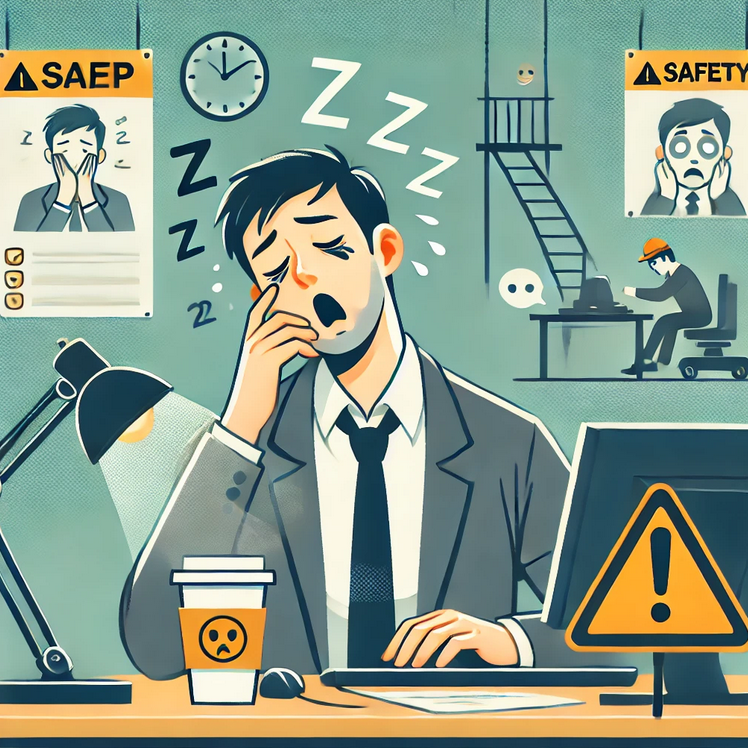
Sleep Deprivation and Its Impact on Workplace Safety
Recognizing Signs and Addressing Risks Sleep deprivation is a growing concern in modern workplaces, affecting employees’ productivity, decision-making, and overall safety. Insufficient sleep leads to reduced cognitive function, increased accident risks, and long-term health problems. Understanding the dangers of sleep deprivation and implementing strategies to mitigate its impact is crucial for workplace safety and employee…


