-

Comprehensive Overview of Occupational Health, Safety, and Environment (OHSE)
Occupational Health, Safety, and Environment (OHSE) is a comprehensive approach that integrates the principles of health, safety, and environmental protection within the workplace. It encompasses the management of risks and the promotion of well-being to ensure a holistic approach to the welfare of individuals, the community, and the environment in and around workplaces. Occupational Health,…
-
Investigating Non-Critical Injuries: Tips to Overcome Common Challenges
Workplace injuries, whether minor or severe, require thorough investigation to understand their causes and prevent future occurrences. While non-critical injuries, such as minor cuts, sprains, or bruises, may not have immediate serious consequences, they still play a significant role in the overall safety and health landscape of an organization. Investigating these incidents is essential to…
-
Developing an Ethical Safety Culture
Table of Contents 9.1 Overview Learning Objectives 9.2 What is an Ethical Safety Culture? 9.2.1 Definition of Ethical Safety Culture Key Characteristics of an Ethical Safety Culture: Table 9.1: Elements of an Ethical Safety Culture 9.2.2 Why Ethical Safety Cultures Matter Benefits of an Ethical Safety Culture: 9.3 The Role of Leadership in Promoting Safety…
-
Health and Safety Tips for Trucking and Hiking on Hills
Trucking or hiking on hills offers great physical exercise and scenic rewards, but it also comes with potential risks. From steep inclines to uneven terrain and unpredictable weather, proper preparation is essential. This guide provides health and safety tips to ensure a safe and enjoyable trekking experience. Table of Contents 1. Wear Proper Gear 2.…
-
Workplace Bullying and Harassment: Prevention and Response
Workplace bullying and harassment are serious issues that can negatively affect employees’ mental health, productivity, and overall workplace morale. It’s crucial for employers to understand how to prevent and respond to these problems. In this article, we’ll explore the definitions, prevention strategies, and response plans for addressing bullying and harassment at work. Table of Contents…
-
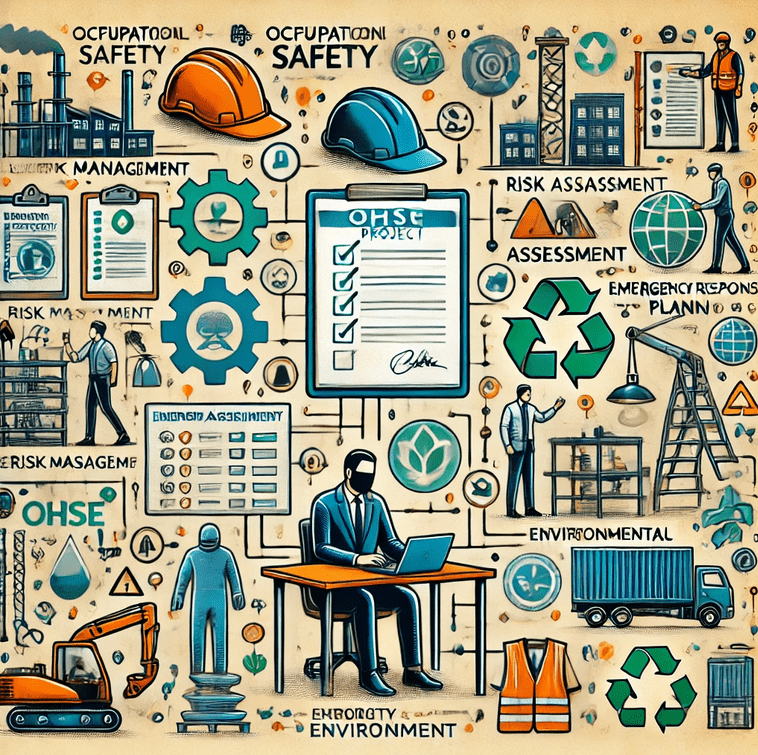
Comprehensive OHSE Projects for Skill Development
Occupational Health, Safety, and Environment (OHSE) is a critical field focused on ensuring safe and healthy working conditions across various industries. Engaging in OHSE projects allows practitioners to apply theoretical knowledge to real-world scenarios, helping to mitigate risks and promote a culture of safety. Here are several project ideas that can be undertaken to deepen…
-
Why preventive maintenance safety planning matters in production
Preventive Maintenance Safety Planning: A Practical Guide for Safer Production Equipment Preventive maintenance safety planning is one of the most important ways to keep production equipment reliable, workers protected, and downtime under control. When maintenance is planned with safety built in from the start, teams can reduce exposure to stored energy, moving parts, unexpected start-up,…
-
The Confined Space Attendant: Roles and Responsibilities
A Confined Space Attendant, also known as a “hole watch” or “standby person,” plays a critical role in ensuring the safety of workers entering and working within confined spaces. Confined spaces, by definition, are areas that are not designed for continuous occupancy and have limited means of entry or exit. These spaces, such as tanks,…
-
Occupational Health, Safety, and Environment (OHSE): A Comprehensive Guide
Table of Contents Occupational Health, Safety, and Environment (OHSE): A Comprehensive Guide 1. What is OHSE? 2. The Importance of OHSE in the Workplace 3. Core Components of OHSE 3.1 Occupational Health 3.2 Workplace Safety 3.3 Environmental Management 4. Key OHSE Terminologies and Concepts 5. Regulatory Frameworks for OHSE 6. Steps to Implement an Effective…
-
Behavior-Based Safety (BBS): A Proven Path to Zero Harm Workplaces
Behavior-Based Safety (BBS) is a proactive approach to workplace safety that focuses on identifying and reinforcing safe behaviors while discouraging unsafe actions. It goes beyond rules and compliance to target the human element of safety—what people do, why they do it, and how it can be improved. When implemented effectively, BBS helps reduce injuries, foster…
-
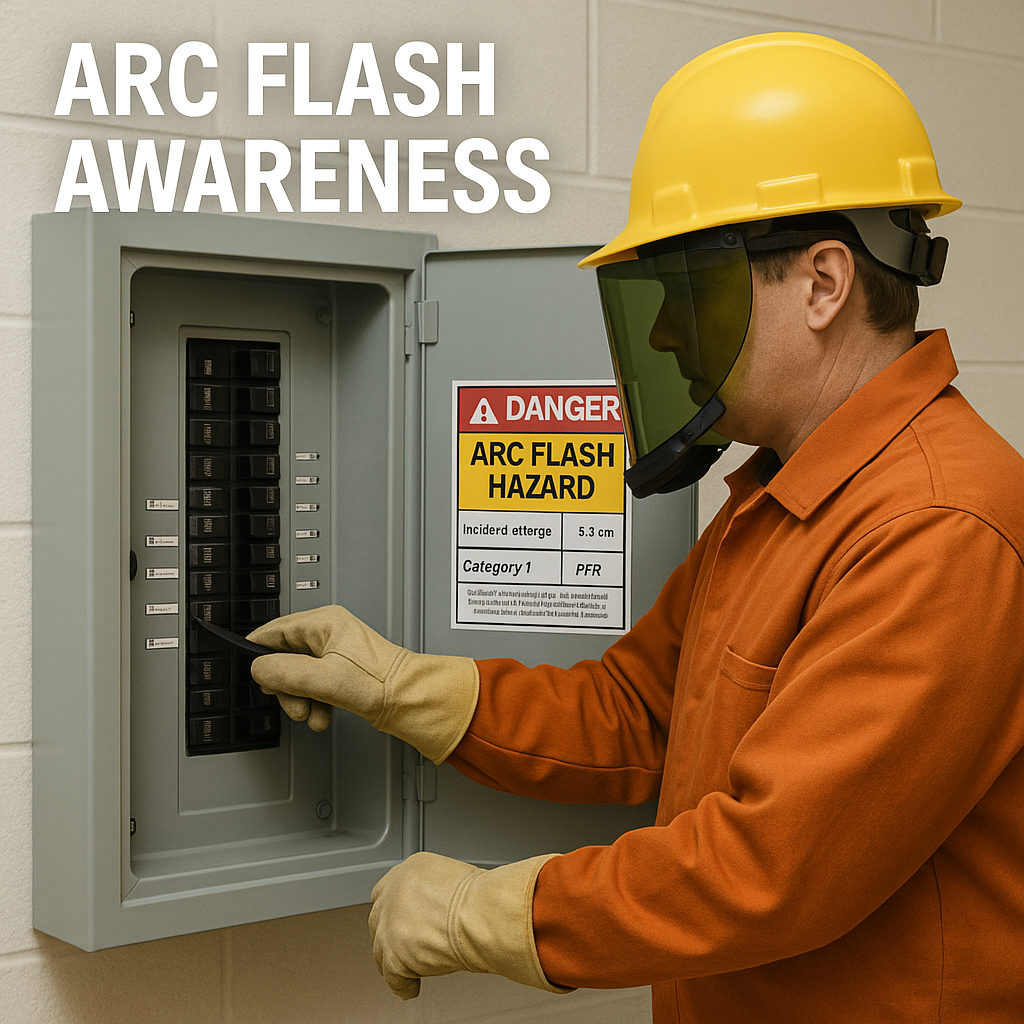
Arc Flash Awareness: Hidden Dangers of Electrical Panels
Arc Flash Awareness should be at the forefront of every safety program that involves working with or around electrical systems. At the heart of this hazard lies one of the most overlooked risks in the workplace—electrical panels. They may appear harmless from the outside, but inside, they hold the potential to unleash deadly electrical explosions…