-

Comprehensive Overview of Occupational Health, Safety, and Environment (OHSE)
Occupational Health, Safety, and Environment (OHSE) is a comprehensive approach that integrates the principles of health, safety, and environmental protection within the workplace. It encompasses the management of risks and the promotion of well-being to ensure a holistic approach to the welfare of individuals, the community, and the environment in and around workplaces. Occupational Health,…
-
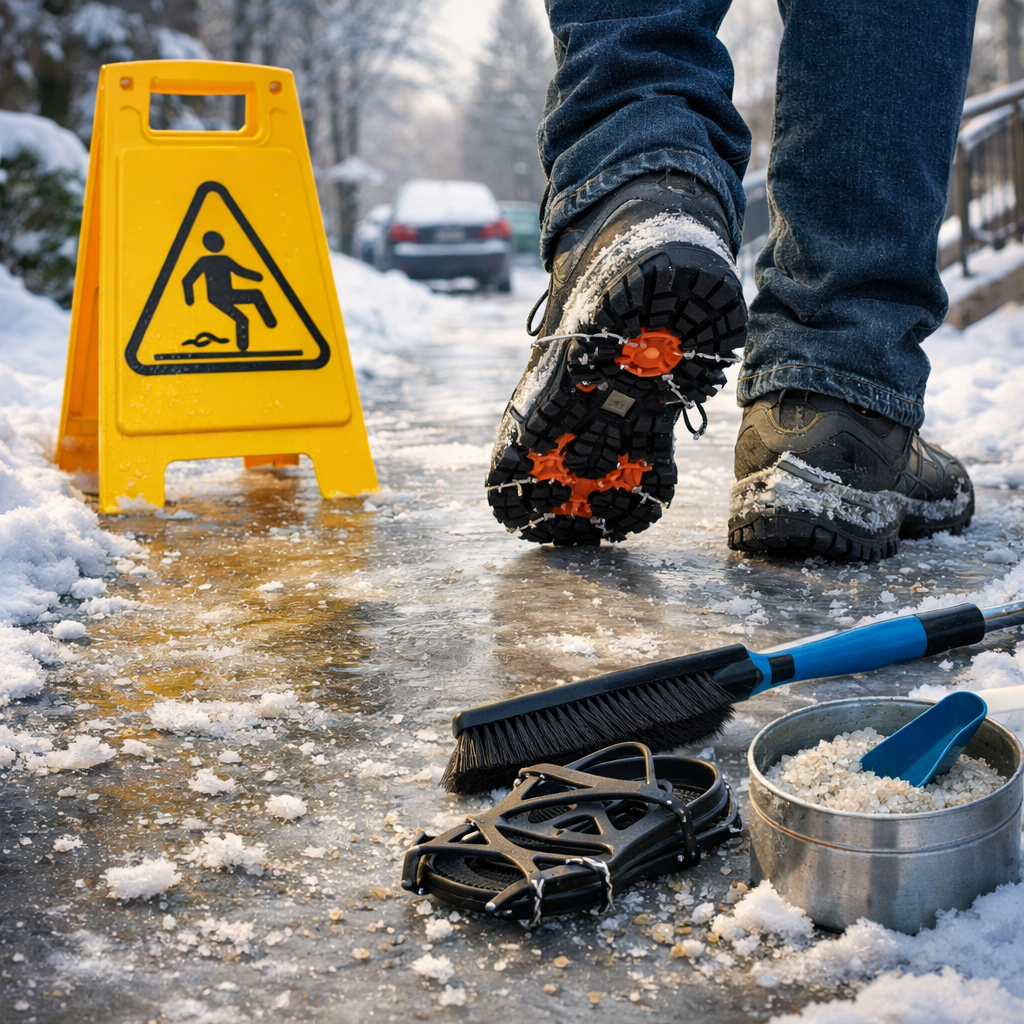
Icy Sidewalk Safety: Proven Ways to Reduce Winter Slip-and-Fall Risks
Icy sidewalk safety tips for Canadian families, schools, and young workers. Learn practical ways to prevent winter slips and falls at home, school, and work.
-
CPR Knowledge Quiz: Test Your Life-Saving Skills! 🚑💓
OHSE Quiz Table of Contents OHSE CPR Quiz OHSE CPR Quiz Retry
-
Retail Workplace Safety: Preventing Injuries in High-Traffic Environments
Table of Contents Retail Workplace Safety – Common Hazards in Retail Workplaces 1. Slips, Trips, and Falls 2. Manual Handling and Lifting Injuries 3. Workplace Violence and Aggressive Customers 4. Ergonomic Hazards 5. Stockroom and Storage Risks Creating a Culture of Safety in Retail 1. Employee Training and Awareness 2. Clear Safety Policies and Procedures…
-
Appendices
Table of Contents Appendix A: Glossary of OHSE Terms Appendix B: OHSE Regulatory Resources Appendix C: Templates and Tools for OHSE Management Appendix D: Further Reading and References Appendix A: Glossary of OHSE Terms This glossary provides definitions and explanations of key terms and concepts used throughout the textbook. It serves as a quick reference…
-
Bicycle Safety: Bike Safety Tips for Kids and Adults
Bicycle safety is essential for both kids and adults to enjoy cycling while staying protected. With proper precautions, awareness, and adherence to traffic rules, biking can be a safe and enjoyable activity. This comprehensive guide provides practical bike safety tips to ensure a secure riding experience for everyone. Table of Contents Why Bicycle Safety is…
-
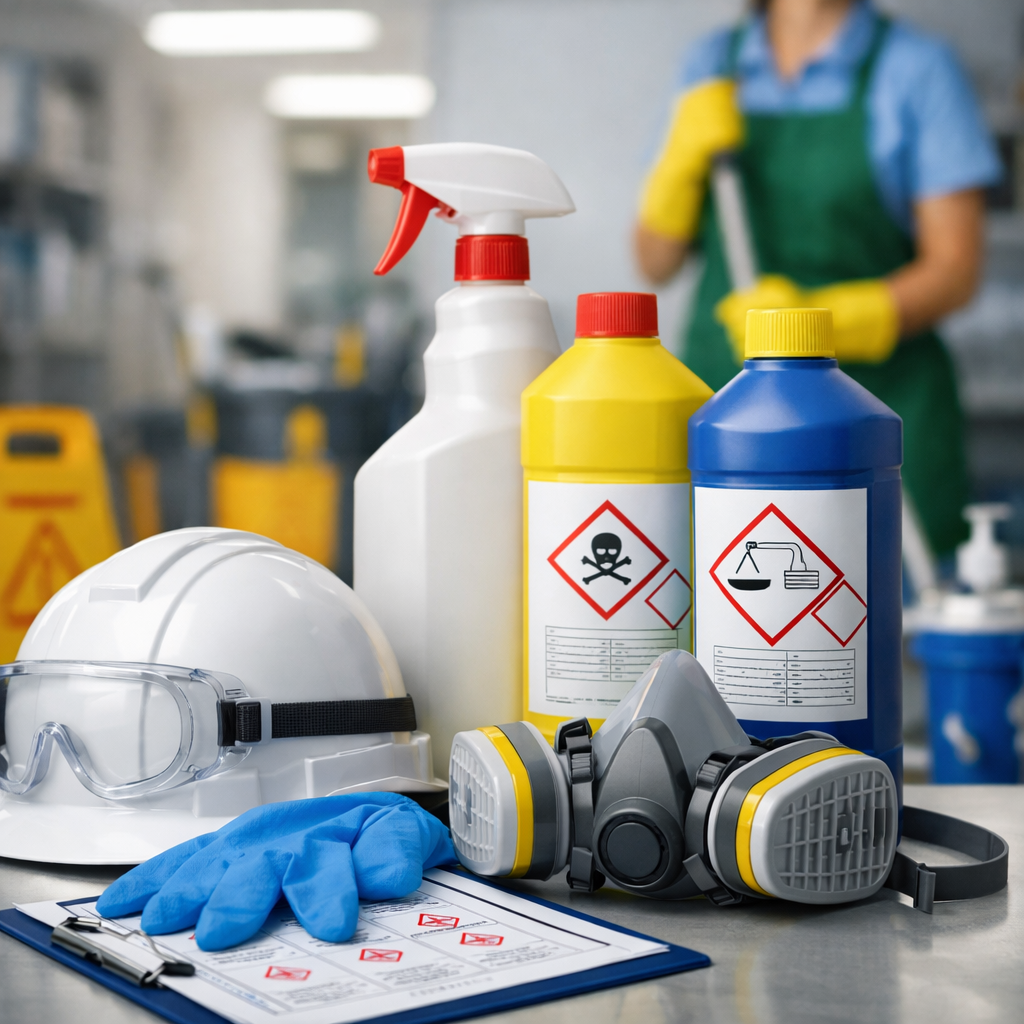
Why cleaning staff chemical safety matters in daily operations
Cleaning Staff Chemical Safety: Essential OHSE Practices for Safer Workplaces Cleaning staff chemical safety is a critical part of occupational health, safety, and environmental management in every workplace. From offices and schools to hospitals, factories, and retail sites, cleaning teams routinely handle products that can burn skin, irritate lungs, trigger allergies, or create dangerous chemical…
-
5S Method for Safer, More Efficient Workplaces: Boost Safety and Productivity Today
5S Method for Safer, More Efficient Workplaces is more than a productivity system—it’s a proven safety strategy that transforms disorganized, hazardous work areas into clean, efficient, and safer environments. Originally developed in Japan for manufacturing, 5S has become a global best practice for all types of workplaces, from offices to construction sites. In this guide,…
-
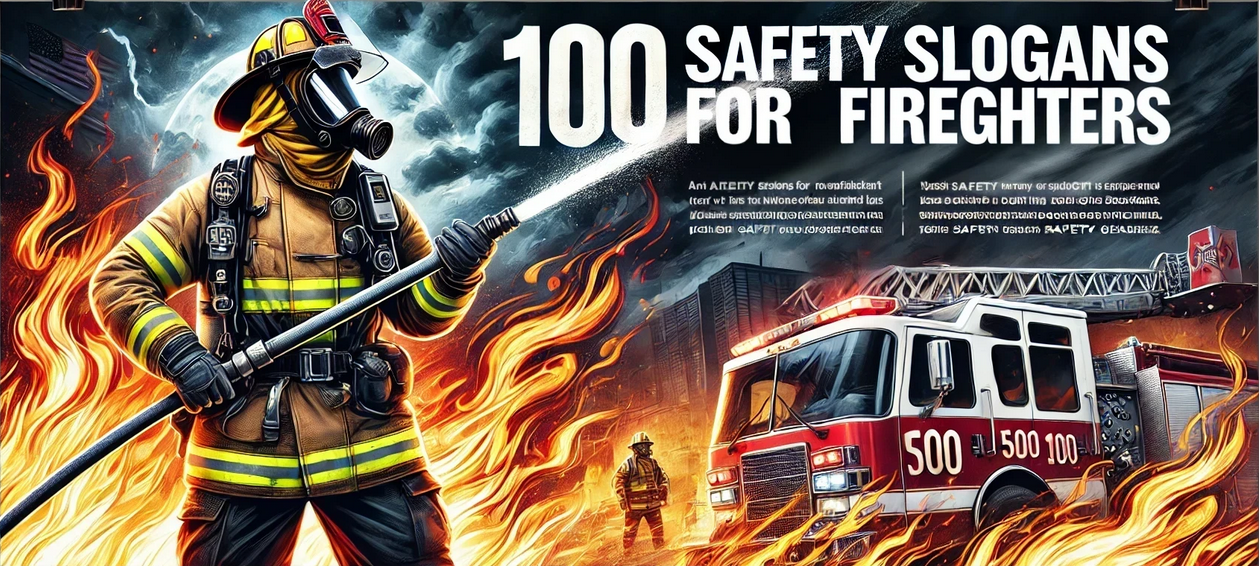
100 Safety Slogans for Firefighters and Rescue Teams: Inspiring Safety Every Day
Firefighters and rescue teams face some of the most dangerous and unpredictable work environments imaginable. Whether battling raging fires, rescuing individuals from precarious situations, or responding to natural disasters, safety is paramount. Table of Contents Safety Slogans for Firefighters General Firefighter Safety Slogans Slogans for Firefighter PPE (Personal Protective Equipment) Teamwork and Communication Slogans Fire…
-
Door Safety: Essential OHSE Practices to Prevent Injuries
Door safety is a critical but often overlooked aspect of occupational health and safety. From warehouse roller doors to fire exits and automatic glass entrances, doors of all kinds can pose serious injury risks when not properly maintained or used. Employers and workers must prioritize door safety to prevent crush injuries, impact trauma, entrapment, and…
-
The Crucial Role of Safety Committees in Reducing Workplace Injuries
The Role of Safety Committees in Reducing Workplace Injuries is more significant than many organizations realize. Safety isn’t just a checklist—it’s a culture. And at the heart of that culture, safety committees serve as the bridge between management and workers, helping ensure that health and safety isn’t just policy—it’s practice. From analyzing hazards to implementing…