-

Comprehensive Overview of Occupational Health, Safety, and Environment (OHSE)
Occupational Health, Safety, and Environment (OHSE) is a comprehensive approach that integrates the principles of health, safety, and environmental protection within the workplace. It encompasses the management of risks and the promotion of well-being to ensure a holistic approach to the welfare of individuals, the community, and the environment in and around workplaces. Occupational Health,…
-
How to Stay on Top of Road Safety Compliance for Commercial Vehicles
Maintaining road safety compliance is essential for commercial vehicle operators and fleet managers to reduce accident risks, ensure legal adherence, and foster public trust. Staying on top of compliance involves understanding and implementing specific regulations, maintaining vehicle standards, and regularly monitoring both driver behavior and vehicle conditions. In this article, we’ll outline the key steps…
-
Occupational Safety
Table of Contents Introduction The Role of Energy in Occupational Safety Statistics on Workplace Injuries and Fatalities Key Principles of Occupational Safety Sources of Safety Hazards Conclusion Introduction Occupational safety is a cornerstone of Occupational Health, Safety, and Environment (OHSE), focusing on the protection of workers from injuries, accidents, and hazardous conditions in the workplace.…
-
How to Lead Effective Toolbox Talks
Effective Toolbox Talks : How to Lead Effective Toolbox Talks is a question every supervisor and safety professional should master. Toolbox talks (or tailgate meetings, safety huddles) are short, focused discussions held on the job site to raise awareness about safety risks, share best practices, and encourage open communication. According to the Canadian Centre for…
-
Defensive Driving for Fleet Operators: Reducing Road Risk, Protecting Workers, and Strengthening Compliance
Table of Contents Defensive Driving for Fleet Operators: Reducing Road Risk, Protecting Workers, and Strengthening Compliance Why Defensive Driving for Fleet Operators Matters in OHSE Common road risks for fleet operators Core Principles of Defensive Driving for Fleet Operators Key defensive driving habits Practical example Vehicle checks support safer driving Prevention and the Hierarchy of…
-
Occupational Health, Safety, and Environment (OHSE) vs. Workplace Health, Safety, and Environment (WHSE)
The fields of Occupational Health, Safety, and Environment (OHSE) and Workplace Health, Safety, and Environment (WHSE) are critical to ensuring the well-being of employees, protecting the environment, and maintaining organizational efficiency. While these two concepts share many similarities, they also have distinct focuses that can lead to confusion. Understanding the differences and overlaps between OHSE…
-
Health and Safety in the Fishing Industry: OHSE Considerations
The fishing industry is one of the most hazardous industries worldwide, with workers exposed to various risks on a daily basis. These risks can range from dangerous working conditions on the open water to handling heavy equipment and exposure to extreme weather. Occupational Health, Safety, and Environment (OHSE) measures are essential to safeguarding the health…
-
How to Build a Site-Specific Emergency Response Plan
How to Build a Site-Specific Emergency Response Plan – Emergencies are unpredictable, but your response to them shouldn’t be. A site-specific emergency response plan (ERP) is a critical tool for safeguarding employees, minimizing property damage, and ensuring regulatory compliance. Unlike generic emergency procedures, a site-specific ERP is tailored to the unique layout, operations, and risks…
-
Why office evacuation drill planning matters in OHSE
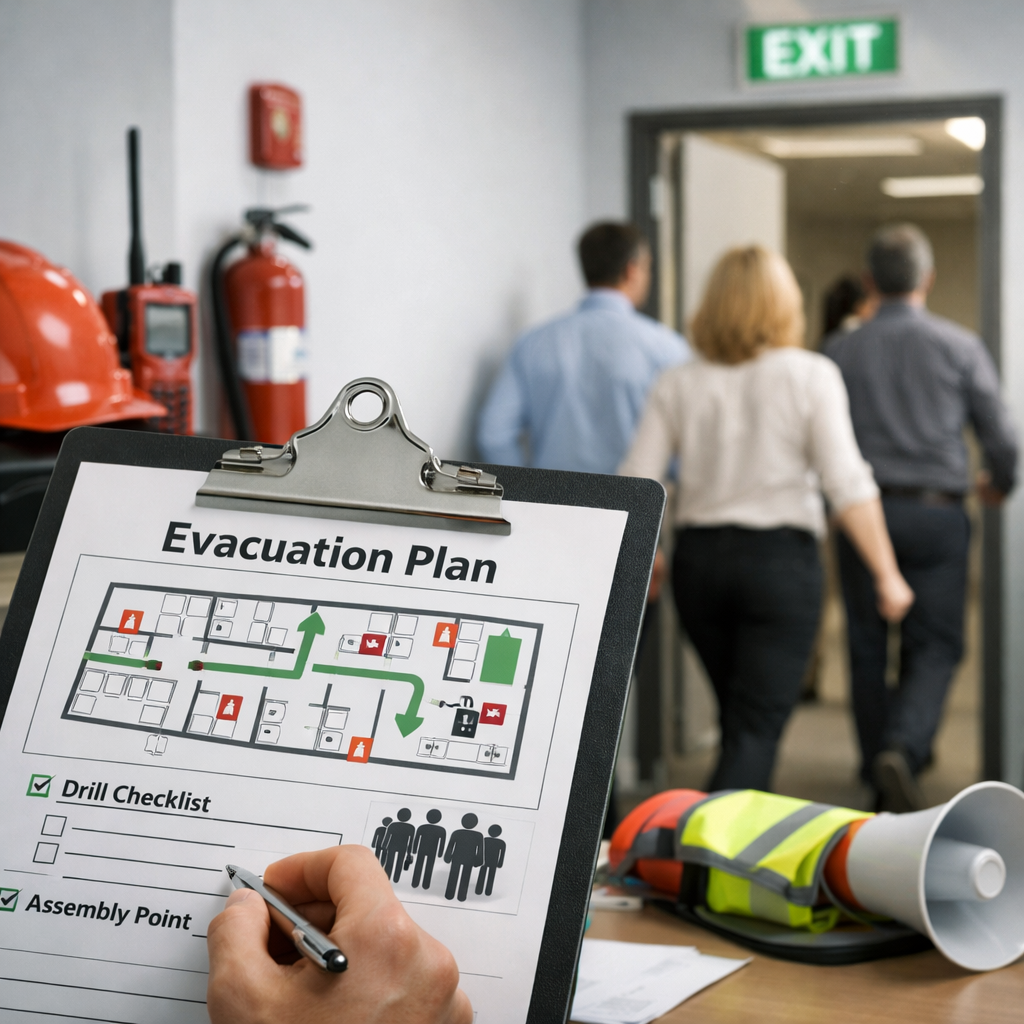
office evacuation drill planning: how to build a safer, compliant, and practical workplace response Office evacuation drill planning is a critical part of occupational health, safety, and emergency preparedness. A well-planned drill helps employees respond quickly, reduces confusion, and supports compliance with workplace safety requirements. In office settings, emergencies can develop with little warning. Fire,…
-
Choosing the Right Face Respirator Gas Mask for Your Job: A Complete Safety Guide
Table of Contents Why a Face Respirator Gas Mask Is Essential Types of Face Respirator Gas Masks 1. Half-Face Respirator Masks 2. Full-Face Respirator Gas Masks Understanding Filter Types and Cartridges Top Face Respirator Gas Mask Options 🔹 PD-101 Smoke Black Tinted Full-Face Mask 🔹 PD-100 Arctic Blue Full-Face Mask 🔹 PD-101 Amber Tinted Full-Face…
-
Why rockfall hazards are a major OHSE concern
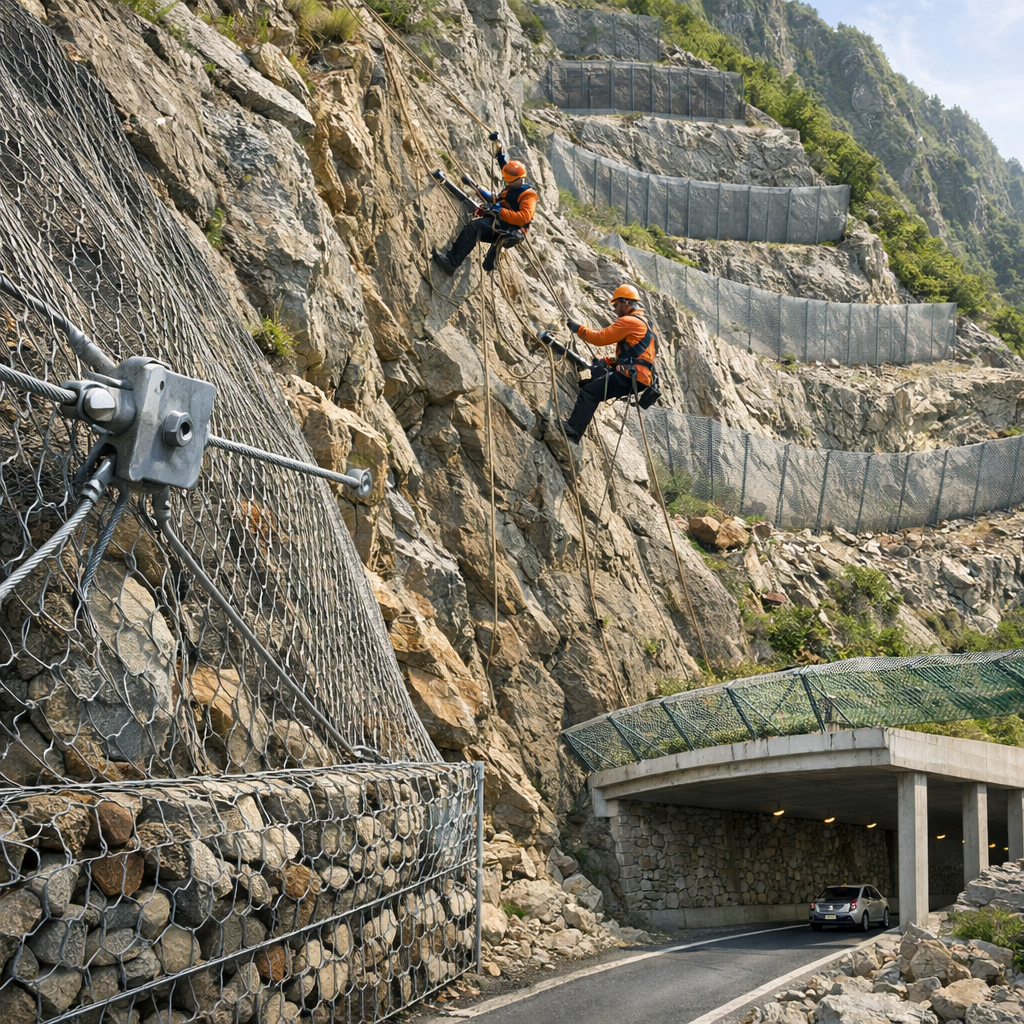
Rockfall Prevention Techniques: Practical OHSE Strategies to Reduce Risk on Hazardous Sites Rockfall prevention techniques are essential for protecting workers, equipment, roads, and nearby communities in mining, quarrying, construction, rail, and roadside operations. When loose rock detaches from a slope or high wall, the outcome can be severe, ranging from minor property damage to fatal…