
- safe use of hand pallet trucks: Essential OHSE Guidance for Safer Manual Handling
- Why the safe use of hand pallet trucks matters at work
- Practical controls for the safe use of hand pallet trucks
- Safe operating techniques, PPE, and practical workplace examples
- Training, compliance, and building a safer system of work
safe use of hand pallet trucks: Essential OHSE Guidance for Safer Manual Handling
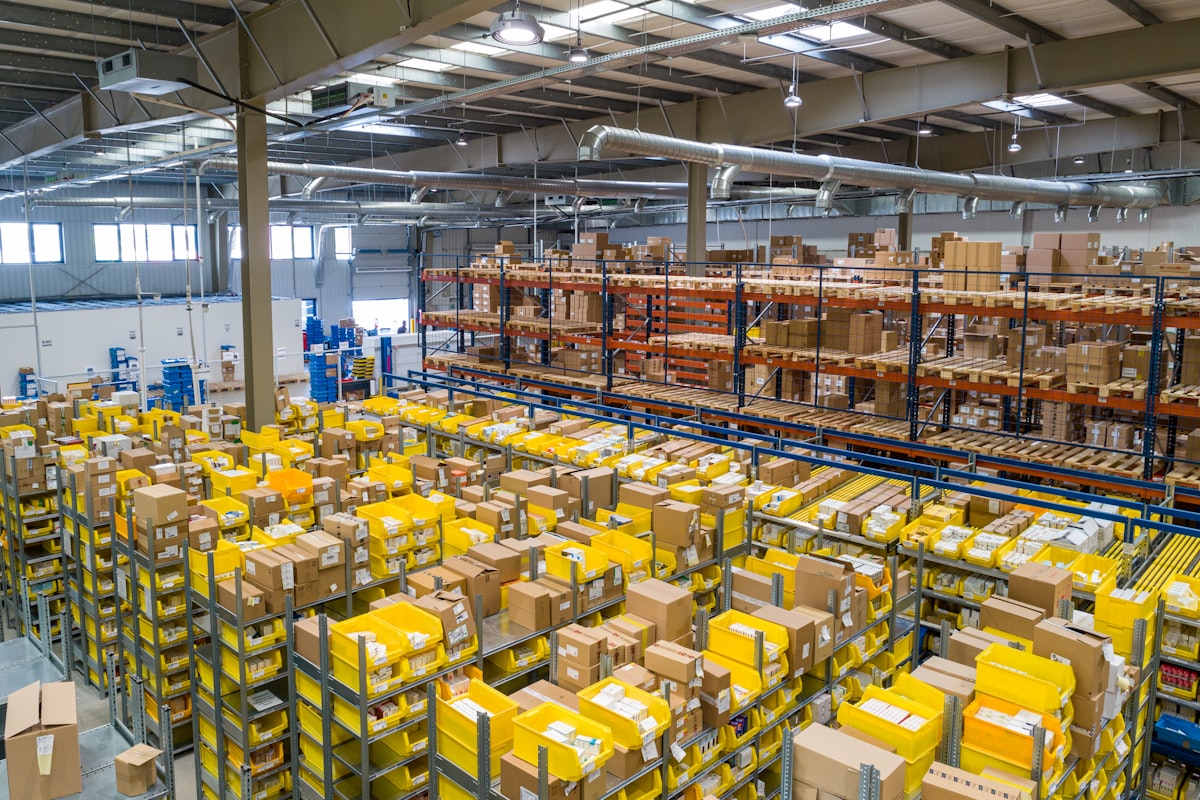
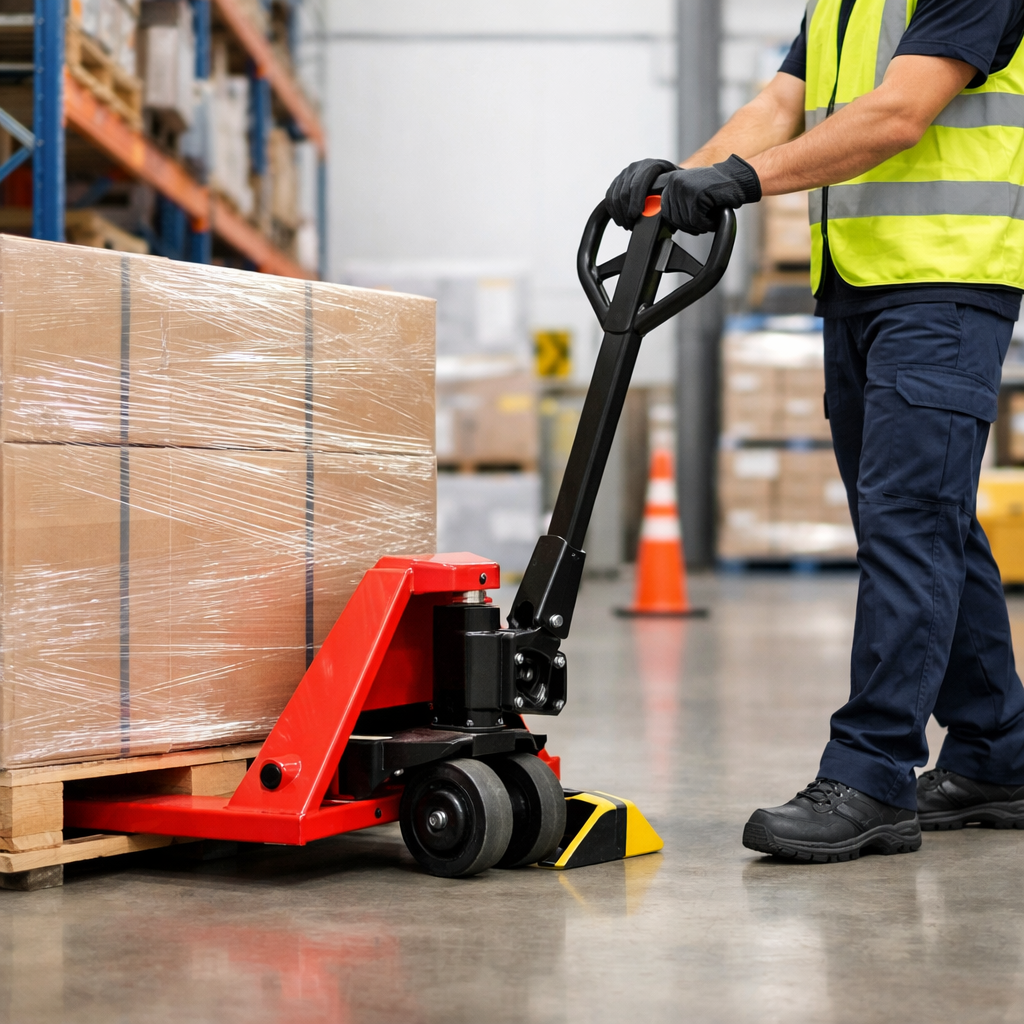
safe use of hand pallet trucks is a basic but critical part of workplace health and safety in warehouses, retail stockrooms, factories, freight depots, and construction supply areas.
Although hand pallet trucks are simple tools, they can still cause serious injuries, damaged stock, and costly incidents when they are used incorrectly or in unsuitable conditions.
Employers and workers often underestimate the risks because hand pallet trucks do not have motors, high-speed controls, or complex operating systems.
However, strains, crushed feet, trapped hands, collisions, and unstable loads are common hazards, especially in busy environments where space is limited and time pressure is high.
The safe use of hand pallet trucks depends on proper task planning, operator awareness, regular equipment checks, suitable PPE, and clear workplace procedures.
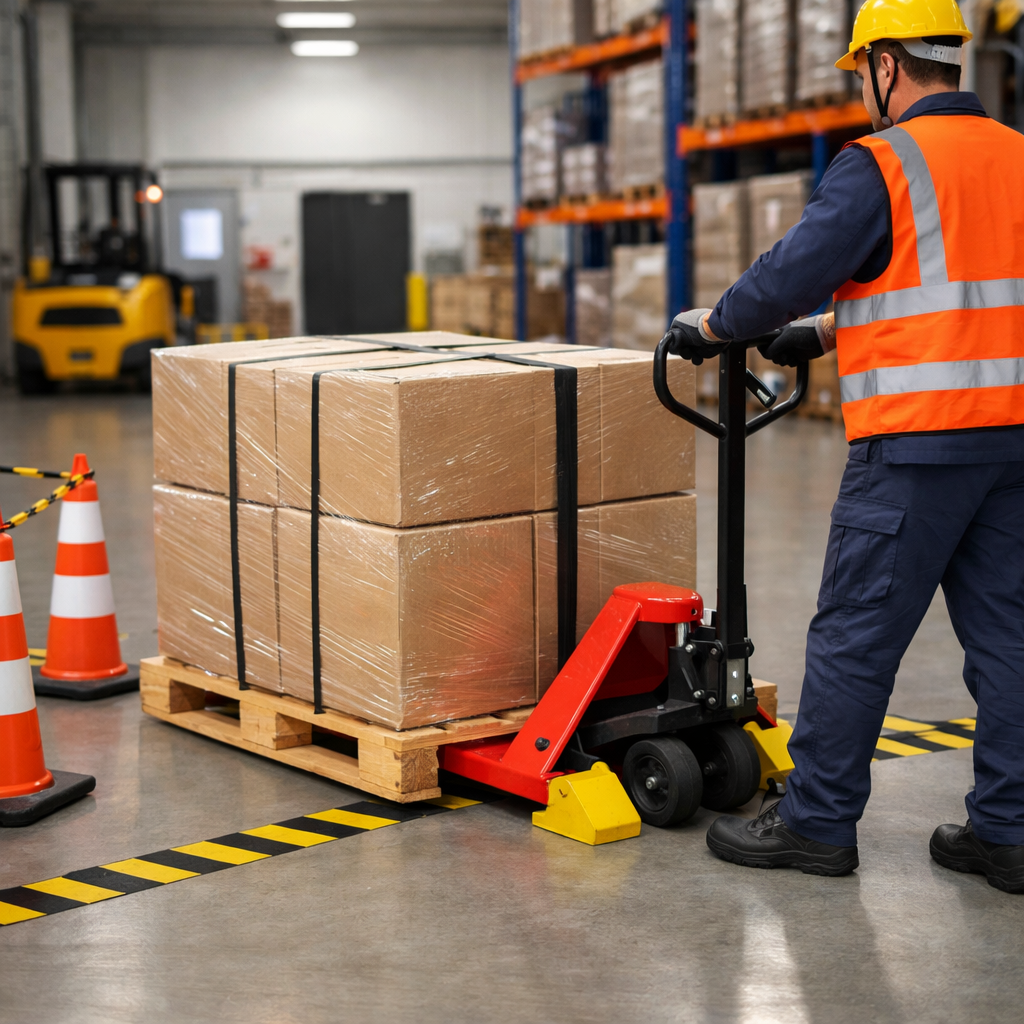
Guidance from organizations such as CCOHS and OSHA supports a practical approach that combines hazard identification, risk control, and worker training.
For businesses reviewing their material handling procedures, this topic should sit alongside broader manual handling safety and warehouse risk assessment practices.
Why the safe use of hand pallet trucks matters at work
Hand pallet trucks are designed to lift and move palletized loads over short distances.
They are widely used because they are efficient, compact, and affordable, but their convenience can lead to shortcuts.
When loads are too heavy, stacked poorly, or moved over uneven floors, the risk of injury increases quickly.
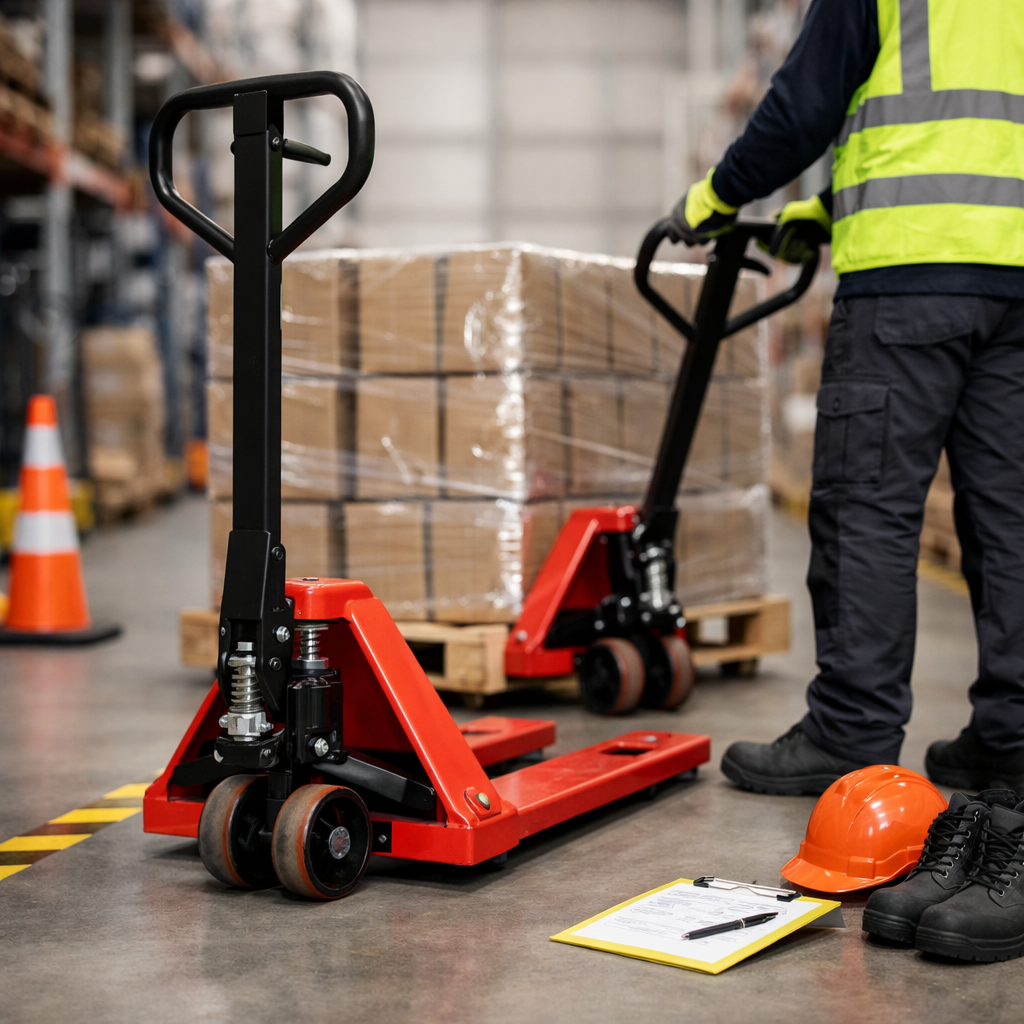
A worker pulling a loaded truck around a blind corner may collide with a pedestrian.
Another worker may suffer a back or shoulder strain from trying to force a stuck pallet over a damaged floor surface.
In some cases, a foot can be trapped under a wheel or fork, causing fractures or crush injuries.
Common risks linked to hand pallet trucks
The most common hazards are easy to recognize once workplaces assess how and where the equipment is used.
- Musculoskeletal injuries from excessive pushing, pulling, twisting, or sudden stopping
- Crush injuries to feet, hands, and lower legs from wheels, forks, or shifting loads
- Slips, trips, and falls caused by wet floors, debris, poor lighting, or cluttered aisles
- Load instability when pallets are broken, overloaded, unevenly stacked, or poorly wrapped
- Collisions with racks, doorways, vehicles, or pedestrians in shared traffic areas
- Loss of control on slopes where the truck can roll, accelerate, or jack-knife
These hazards become more serious where workers are fatigued, inexperienced, rushed, or not trained in the safe use of hand pallet trucks.
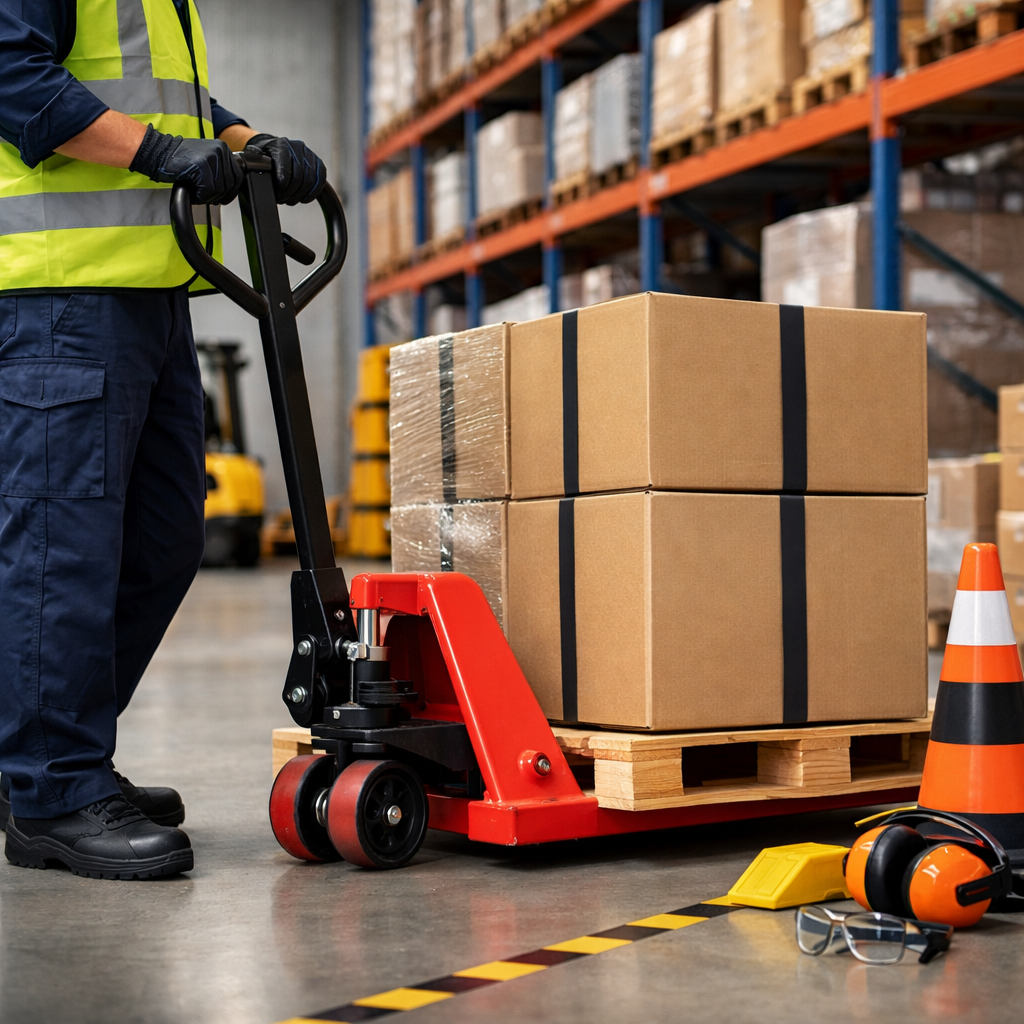
Risk also rises where the equipment is used for tasks it was never intended to perform, such as moving people, carrying loose items, or transporting loads beyond rated capacity.
Practical controls for the safe use of hand pallet trucks
The most effective way to improve the safe use of hand pallet trucks is to apply the Hierarchy of Controls.
This means starting with higher-level controls where possible, then supporting them with procedures, training, and PPE.
Applying the Hierarchy of Controls
| Control Level | How it applies to hand pallet trucks |
|---|---|
| Elimination | Remove unnecessary manual pallet movement by redesigning workflow or delivery points. |
| Substitution | Use powered pallet trucks or forklifts where loads, slopes, or distances make manual handling unsafe. |
| Engineering Controls | Maintain smooth floors, install mirrors at blind corners, improve lighting, and separate pedestrian and equipment routes. |
| Administrative Controls | Provide training, load limits, traffic rules, inspections, and safe work procedures. |
| PPE | Use safety footwear, gloves where appropriate, and high-visibility clothing in active traffic areas. |
In many workplaces, substitution is especially important.
If workers regularly move very heavy pallets over long distances or ramps, a hand pallet truck may not be the safest option.
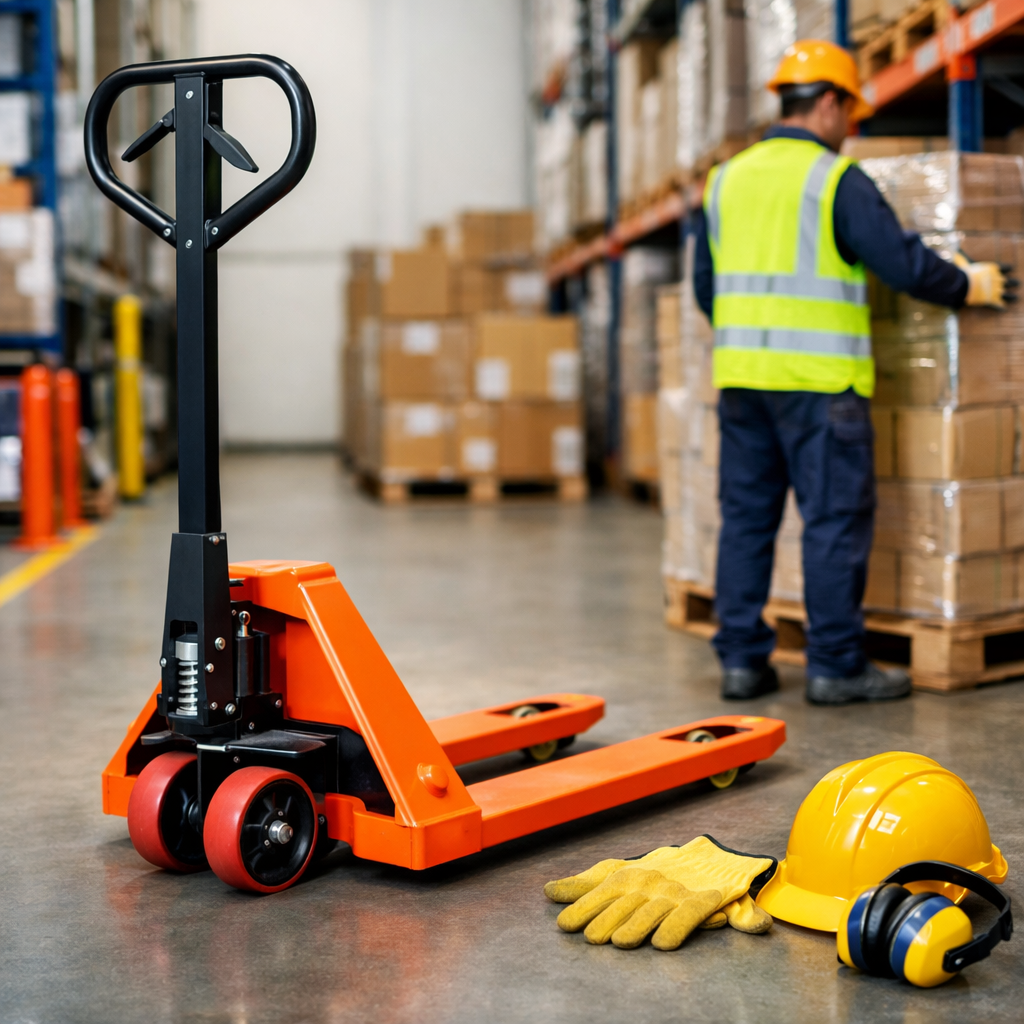
Choosing powered equipment can reduce the physical demand and improve control.
Pre-use inspection and equipment condition
A simple pre-use check can prevent many incidents.
Before each shift or task, workers should inspect the pallet truck for visible defects and confirm it is suitable for the planned load and route.
- Check wheels and rollers for damage or flat spots
- Inspect forks for cracks, bends, or distortion
- Test the hydraulic pump and lowering control
- Ensure the handle moves freely and returns properly
- Look for oil leaks or signs of poor maintenance
- Confirm the load rating is legible and not exceeded
Damaged or faulty pallet trucks should be tagged out of service immediately and reported.
Allowing workers to “make do” with worn equipment is a common cause of preventable incidents.
Safe operating techniques, PPE, and practical workplace examples
Good technique is central to the safe use of hand pallet trucks.
Workers should be trained to assess the load, inspect the travel path, and move in a controlled manner at all times.
Safe operating practices
Insert the forks fully into the pallet before lifting.
Raise the load only enough to clear the floor, since excessive lift height can reduce stability.
Where possible, push rather than pull, as pushing usually places less strain on the body and offers better forward visibility.
If pulling is necessary in tight spaces, workers should move slowly and avoid twisting the spine.
Hands and feet should be kept clear of pinch points and wheels.
Loads should never block the operator’s view.
If the load is too tall or awkward, a spotter or an alternative method should be used.
Operators should slow down at doorways, intersections, and corners, especially where pedestrians may enter the path unexpectedly.
Hand pallet trucks should not be used on steep slopes unless the equipment is specifically suited to the task and a safe system of work is in place.
PPE for the safe use of hand pallet trucks
PPE does not remove the hazard, but it supports safer work when combined with proper controls.
- Safety footwear with toe protection to reduce injury from wheels or dropped loads
- Gloves where grip and hand protection are needed, provided they do not create a snagging risk
- High-visibility clothing in warehouses, loading docks, and mixed traffic areas
- Weather-appropriate PPE for outdoor loading areas where rain may affect grip and footing
Employers should assess the task and environment before deciding on PPE requirements.
For example, gloves may help in a cold store but may not be ideal for all handling tasks if they reduce grip or dexterity.
Practical examples from the workplace
In a retail stockroom, a worker may attempt to move a pallet of bottled drinks through a narrow aisle during peak hours.
If the route is blocked by cartons and customers are nearby, the risk of collision and strain is high.
A safer approach would be to clear the route first, move the pallet during a quieter period, and use a spotter if visibility is restricted.
In a warehouse dispatch area, a worker may try to drag a damaged pallet onto a trailer using a hand pallet truck.
The broken pallet deck can collapse, shifting the load and trapping the operator’s foot.
The safer control measure is to reject damaged pallets, restack the goods if needed, and use the correct loading equipment.
On a loading dock with a slight incline, an employee may lose control of a loaded truck while descending toward a delivery bay.
That task may require a powered pallet truck, wheel chocks, a level transfer point, or a revised process to remove the manual handling risk altogether.
Training, compliance, and building a safer system of work
The safe use of hand pallet trucks is not only about individual behavior.
It also depends on supervision, layout, maintenance, and OHSE management.
Even experienced workers need site-specific instruction, especially when conditions change or new equipment is introduced.
What training should cover
Training should be practical, easy to understand, and relevant to the actual loads and surfaces in the workplace.
- How to inspect the truck before use
- Load limits and load stability principles
- Correct pushing and pulling techniques
- Pedestrian awareness and traffic management rules
- Hazards involving ramps, dock plates, and uneven floors
- When to stop and report defects or unsafe conditions
Supervisors should also monitor work practices and refresh training where poor habits appear.
Safe procedures are far more effective when they are reinforced in daily operations rather than left in a manual on a shelf.
Compliance and OHSE responsibilities
Workplace laws differ by jurisdiction, but employers generally have a duty to provide safe equipment, information, training, supervision, and a work environment without unnecessary risks.
Workers also have responsibilities to follow procedures, use equipment correctly, wear required PPE, and report hazards.
Resources from CCOHS OSH Answers and OSHA can help organizations strengthen policies, inspections, and training content.
Documented risk assessments, maintenance records, and incident reviews are valuable for compliance and continuous improvement.
If near misses involving hand pallet trucks are ignored, the same unsafe conditions often lead to a more serious event later.
safe use of hand pallet trucks should therefore be treated as an essential part of manual handling control, not a minor warehouse task.
When businesses combine risk assessment, suitable equipment, PPE, practical training, and strong supervision, they reduce injuries and improve operational efficiency.
In any workplace where pallets are moved by hand, the safe use of hand pallet trucks protects workers, stock, and the wider safety culture.
No comments yet