
- Storage Rack Collapse Prevention: Practical OHSE Steps to Protect People, Stock, and Facilities
- Why Storage Rack Collapse Prevention Matters in Real Workplaces
- Storage Rack Collapse Prevention Through Hazard Control and Safe Design
- Inspections, PPE, and Worker Training for Storage Rack Collapse Prevention
- Compliance, Practical Examples, and Building a Strong Prevention Culture
Storage Rack Collapse Prevention: Practical OHSE Steps to Protect People, Stock, and Facilities
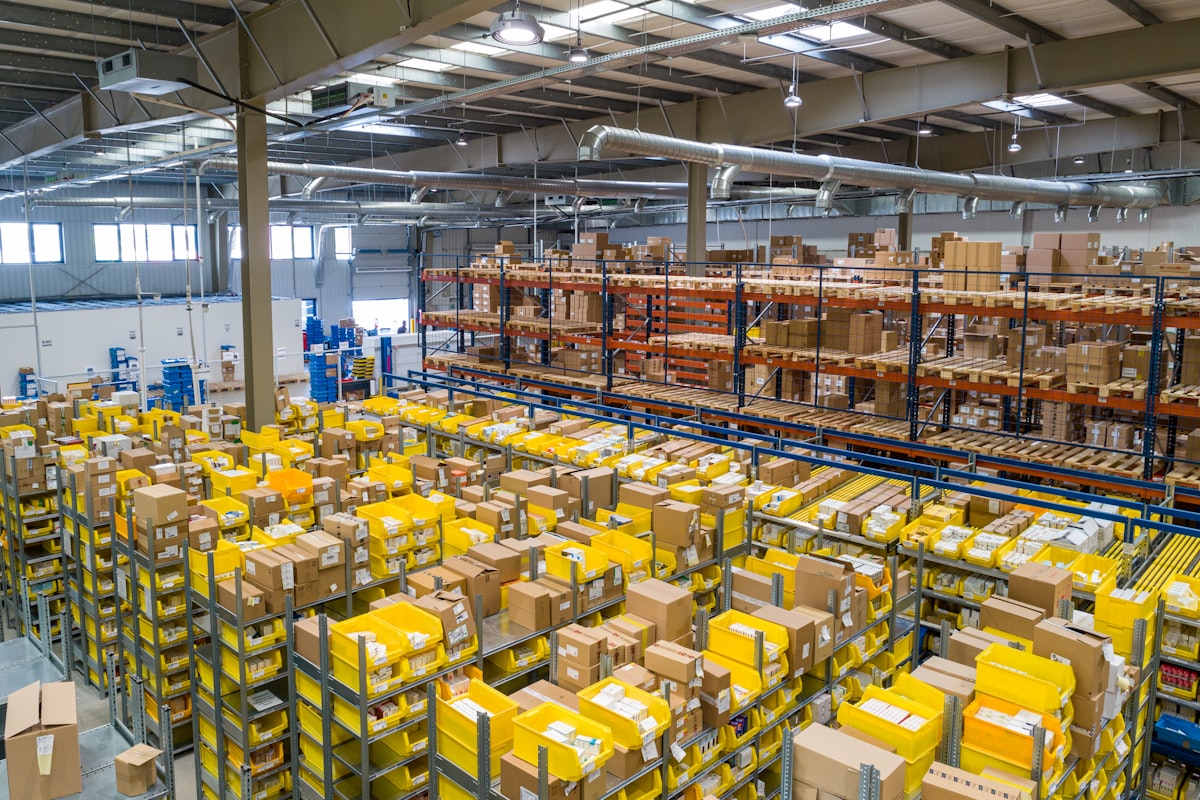
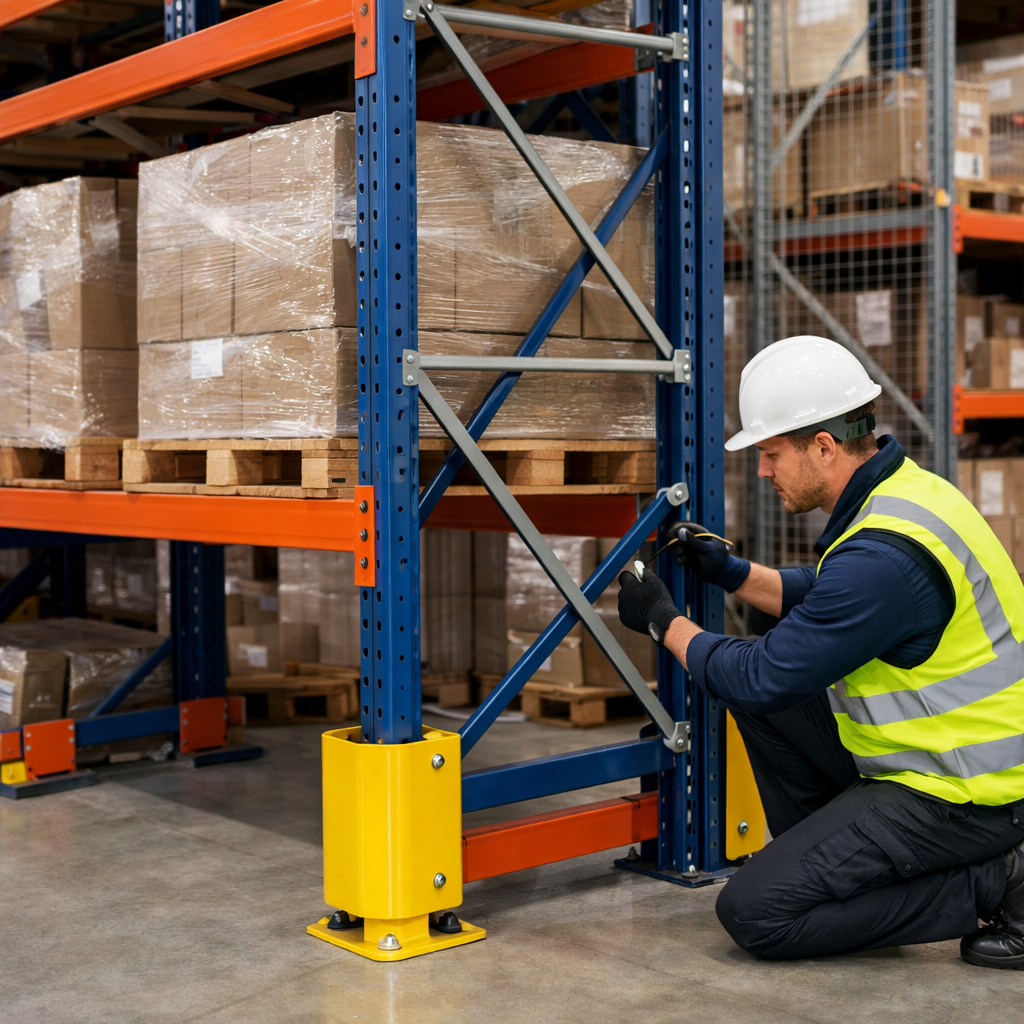
storage rack collapse prevention is a critical part of workplace health, safety, and efficiency in warehouses, distribution centers, retail backrooms, and industrial storage areas.
When pallet racking or shelving fails, the result can be falling stock, crushed equipment, serious worker injuries, and costly business disruption.
Because rack systems carry heavy, uneven, and constantly changing loads, even a small impact or loading mistake can trigger a much larger structural failure.
An effective OHSE approach to storage rack collapse prevention combines sound design, safe loading practices, worker training, regular inspections, and clear compliance procedures.
Organizations that follow guidance from OSHA and CCOHS are better positioned to identify hazards early and reduce the chance of rack instability.
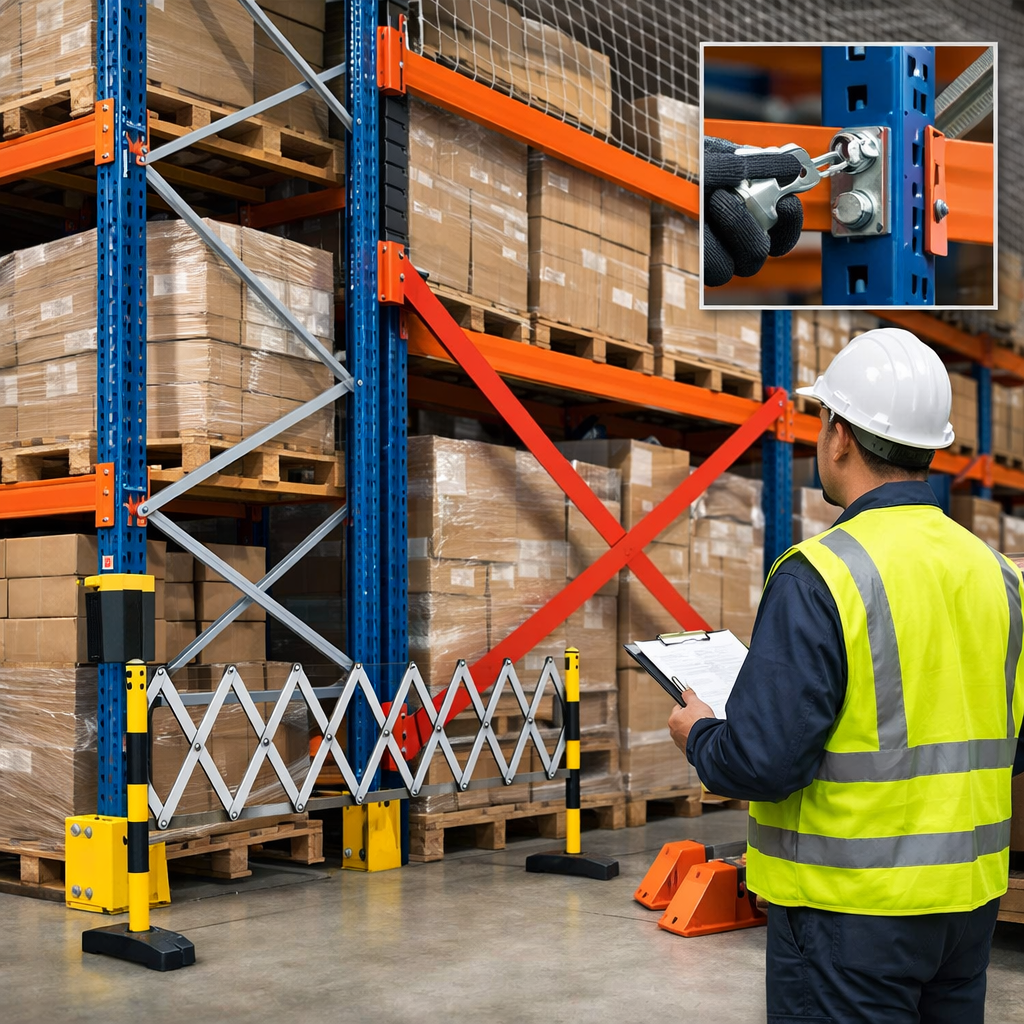
If your facility already has a warehouse safety checklist or a material handling program, storage rack collapse prevention should be built directly into those systems.
Why Storage Rack Collapse Prevention Matters in Real Workplaces
Rack collapse is rarely a random event.
In most cases, it develops from a series of visible and preventable issues such as overloaded beams, forklift strikes, missing safety clips, damaged uprights, poor floor anchoring, or altered rack configurations.
What makes the hazard so serious is the potential for a domino effect.
If one upright or beam fails, neighboring bays can also give way, causing multiple rows of stock to fall in seconds.
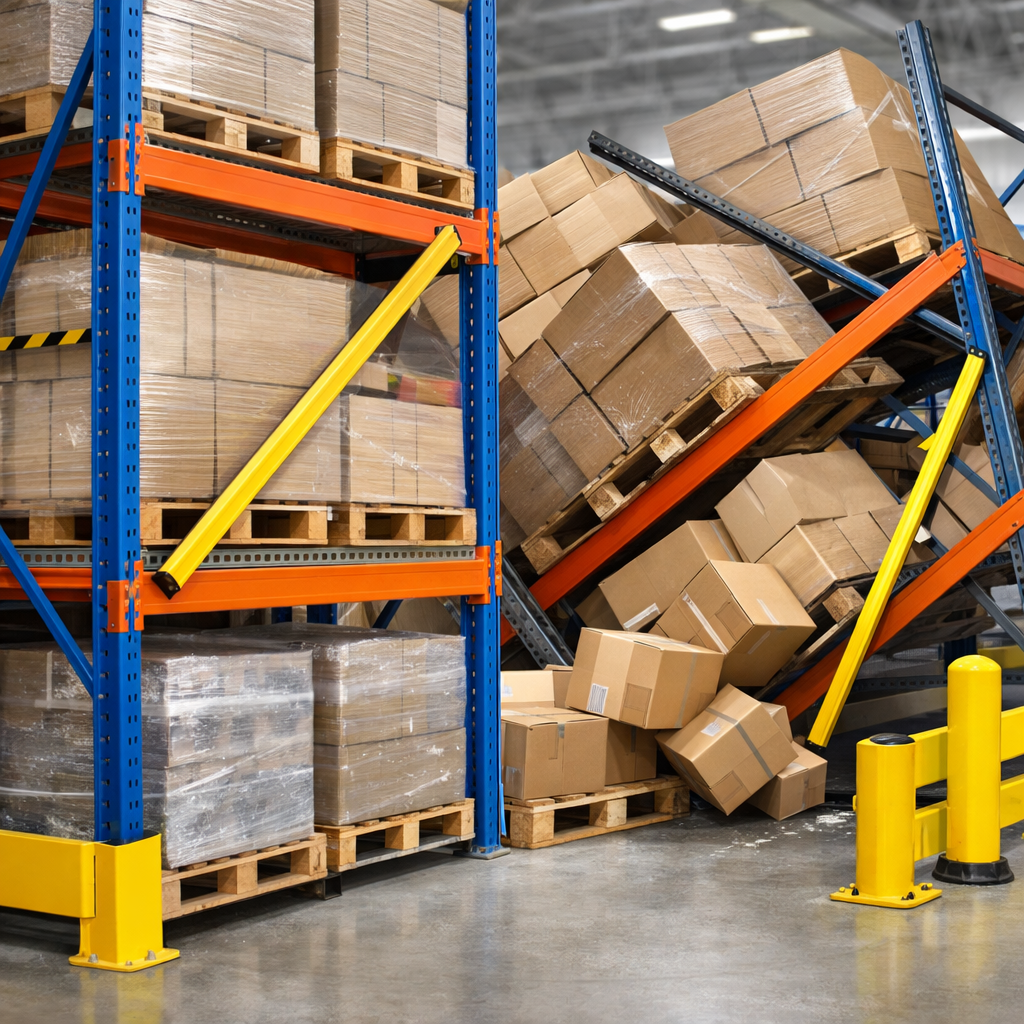
Common risks that lead to rack failure
- Overloading beyond manufacturer-rated capacity
- Uneven load distribution across beams or levels
- Forklift or pallet jack impacts on rack uprights
- Missing anchors, braces, locking pins, or beam connectors
- Damaged pallets placing unstable loads on shelves
- Poor housekeeping creating obstructions during loading
- Unauthorized modifications to rack height or beam spacing
- Corrosion, floor damage, or environmental wear
A practical example is a busy warehouse where operators frequently place pallets quickly during peak periods.
If a forklift clips an upright and the damage is not reported, that weakened section may continue carrying full loads until it buckles.
Another example is a storeroom where staff add heavier inventory to upper levels without checking load ratings.
That simple change can overload the frame and increase the chance of sudden collapse.
Storage Rack Collapse Prevention Through Hazard Control and Safe Design
The best storage rack collapse prevention programs use the Hierarchy of Controls rather than relying on worker caution alone.
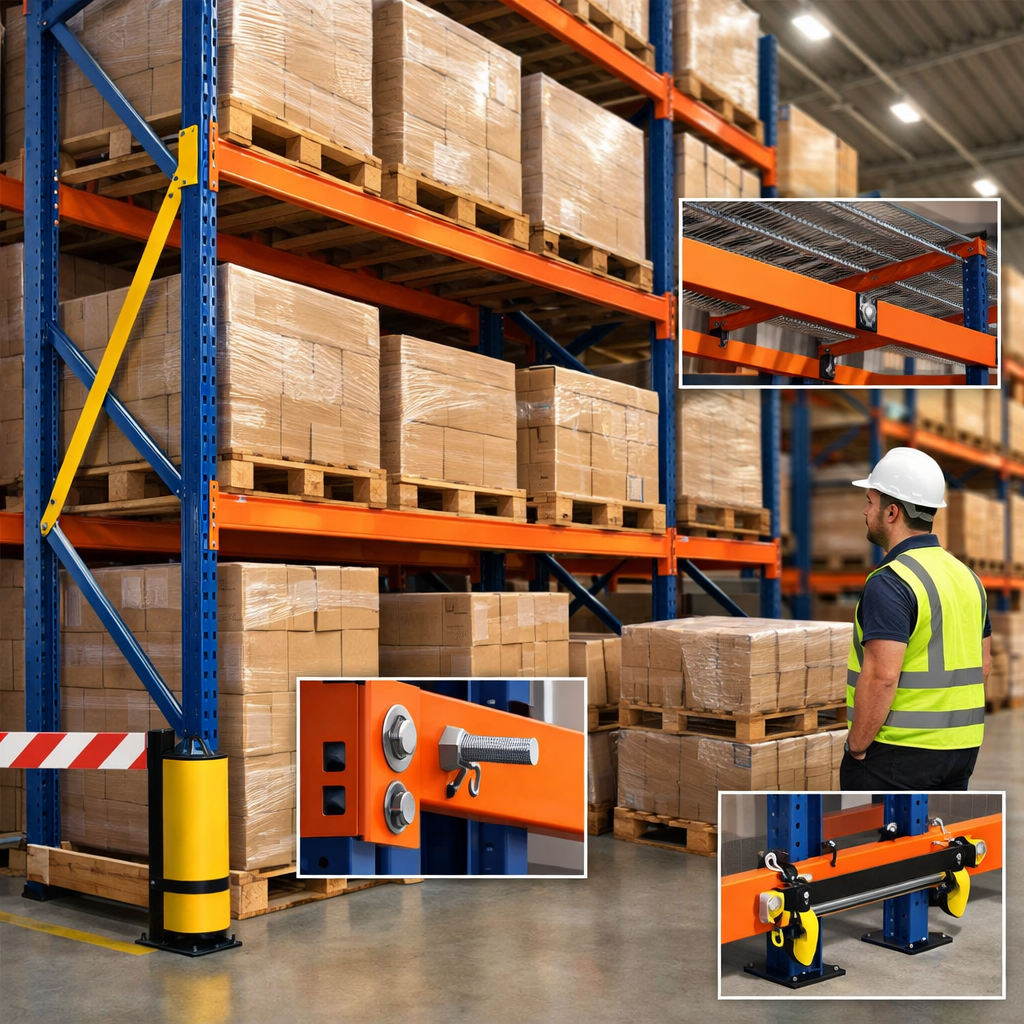
This means addressing hazards at their source wherever possible.
Applying the Hierarchy of Controls
Elimination may involve removing damaged racks from service immediately instead of continuing to use them temporarily.
Substitution can include replacing unsuitable shelving with engineered pallet racking designed for the load and environment.
Engineering controls are especially important and may include rack protectors, end-of-aisle barriers, upright guards, anti-collapse mesh, load signage, and proper anchoring.
Administrative controls include inspection schedules, traffic management, reporting rules, operator licensing, and safe loading procedures.

PPE remains the last line of defense and helps reduce injury severity, though it cannot stop a rack from collapsing.
Key prevention measures that work
- Install racks according to manufacturer specifications and engineering requirements
- Display clear load capacity signs for each bay and beam level
- Anchor racks securely to suitable floors
- Use upright protectors and column guards in high-traffic areas
- Maintain adequate aisle width for forklifts and pedestrians
- Inspect pallets before storage to prevent unstable loading
- Keep heavier items on lower levels where possible
- Prohibit unapproved repairs, welding, or structural alterations
Storage rack collapse prevention also depends on buying the right system for the task.
Light-duty shelving should never be used where high pallet loads or forklift interaction are expected.
Before adding more stock or changing product dimensions, businesses should confirm that the rack design still matches operational demand.
OSHA warehousing guidance supports this broader view of facility design, traffic flow, and material storage as part of injury prevention.
Inspections, PPE, and Worker Training for Storage Rack Collapse Prevention
Routine inspection is one of the most effective tools in storage rack collapse prevention.
Visible damage often appears long before a collapse occurs, but only if staff know what to look for and feel responsible for reporting it.
What inspections should cover
Inspections should review upright alignment, bent frames, cracked welds, loose anchors, missing beam locks, damaged braces, and floor condition around base plates.
They should also check whether pallets are overhanging dangerously, stored unevenly, or stacked in ways that push loads beyond rack limits.
Many workplaces use a simple traffic-light method for damage classification so urgent defects are acted on quickly.
| Inspection Issue | Risk Level | Recommended Action |
|---|---|---|
| Minor surface scrape on protector only | Low | Monitor and record during routine inspection |
| Bent upright or missing beam safety lock | Medium | Unload affected bay and arrange prompt repair |
| Severe frame damage, leaning rack, or loose anchor failure | High | Isolate area immediately and remove from service |
PPE and safe behavior in rack areas
PPE does not replace structural controls, but it still plays an important OHSE role.
Workers in storage areas may need safety footwear, high-visibility clothing, gloves suitable for handling pallets, and hard hats where overhead storage hazards exist and risk assessment supports their use.
Forklift operators should also follow seatbelt and visibility requirements as part of a larger traffic safety system.
Training should cover load limits, impact reporting, exclusion zones during loading, pedestrian separation, and what to do if instability is noticed.
A good rule is simple: if a rack looks bent, leaning, or overloaded, staff should stop work, isolate the area, and report it immediately.
Compliance, Practical Examples, and Building a Strong Prevention Culture
Compliance is central to storage rack collapse prevention because employers have a duty to provide a safe workplace, safe systems of work, and properly maintained equipment.
That means documented inspections, competent installation, risk assessments, training records, and corrective actions should all be part of the safety management system.
Guidance from CCOHS and OSHA can support internal procedures, but businesses should also check local regulations, building requirements, fire codes, and manufacturer instructions.
Practical examples from day-to-day operations
In one warehouse scenario, a receiving team notices that inbound pallets are frequently broken and unstable.
Instead of storing them anyway, management introduces a damaged-pallet rejection process and a designated restacking area.
That administrative control reduces the chance of uneven loads being placed on upper beams.
In another example, repeated forklift contact occurs at the end of a narrow aisle.
The business installs end-of-aisle barriers, repaints travel lanes, retrains operators, and changes traffic flow to reduce tight turning.
That combination of engineering and administrative controls directly supports storage rack collapse prevention.
A third example involves a facility expansion where inventory becomes heavier over time.
Rather than simply adding more stock to existing racks, the employer arranges a professional review of load capacity, beam spacing, and anchoring before changes are made.
This is a strong example of proactive compliance instead of reactive damage control.
Creating a reporting culture that prevents collapse
Workers should never feel that reporting rack damage will slow production or create blame.
The safest facilities treat reports as early warnings, not inconveniences.
Supervisors can reinforce this by responding quickly, tagging unsafe bays clearly, and communicating what actions were taken.
Near-miss reporting is especially valuable because a minor impact today may become a structural failure tomorrow.
In the end, storage rack collapse prevention is not a one-time inspection task but an ongoing OHSE commitment.
When employers combine compliant design, regular inspections, PPE, trained operators, and practical controls based on real workplace risks, they greatly reduce the chance of catastrophic failure.
A safe rack system protects workers first, while also safeguarding stock, equipment, and business continuity.
For any warehouse or storage facility, making storage rack collapse prevention a daily priority is one of the most effective ways to prevent serious incidents before they happen.
No comments yet