

Student safety checklist habits can make a meaningful difference in how students move through school, campus, transit, placements, and part-time work. For Canadian students and families, the goal is not fear, but routine prevention: simple actions that reduce common risks such as slips, distracted walking, lost belongings, unsafe rides, online oversharing, and confusion during emergencies.
A practical approach works best. Whether a student is in elementary school, high school, college, university, co-op, or a campus residence, safe habits are easier to follow when they are repeated every day. Schools and families can support those habits by keeping expectations clear, age-appropriate, and consistent with local school rules and emergency procedures.
Why a student safety checklist matters every day
A good student safety checklist helps students notice hazards before they become incidents. In Ontario and across Canada, school safety often overlaps with workplace safety principles: identify risks, use the safest option available, and follow instructions from the school, employer, residence, or placement supervisor.
That same prevention mindset is familiar in occupational health and safety. Resources from CCOHS, Ontario.ca, and Parachute support practical injury prevention, awareness, and safer daily choices. For broader school and workplace safety guidance, families and educators may also find useful information at OHSE.ca.
Students face different environments in a single day: sidewalks, buses, parking lots, hallways, labs, gyms, shops, libraries, residences, and online learning spaces. A checklist creates consistency across those settings. It also gives parents, guardians, and schools a simple tool for conversations that are calm and useful instead of reactive.
Student safety checklist for leaving home and travelling
Before leaving home
Many safety issues begin before the school day starts. Students should know their route, carry only what they need, and wear footwear that matches the weather and activity. In winter, icy walkways and wet entrances raise slip risks. In warmer months, hydration and sun exposure may matter more for outdoor activities or sports.
- Charge your phone before leaving, if you carry one.
- Tell a parent, guardian, roommate, or trusted contact about major schedule changes when appropriate.
- Carry needed school ID, transit pass, residence card, and essential contact information.
- Dress for conditions, including visibility, rain, cold, and safe footwear.
- Keep backpacks organized so heavy items do not shift and sharp items are stored safely.
Walking, cycling, and transit habits
Travel safety is a key part of any student safety checklist. Students should stay alert when crossing roads, avoid looking at phones while walking through intersections or parking lots, and use designated routes whenever possible. Cyclists should follow local rules and use well-maintained equipment. On transit, students should stay aware of their surroundings, keep personal items secure, and move toward populated, well-lit areas when waiting.
For younger students, families should review who is allowed to pick them up and what to do if plans change. Older students should avoid accepting rides that feel unsafe or unplanned. If weather, visibility, or a situation on the route seems risky, the safest choice may be to wait in a supervised area and contact a trusted person.
Student safety checklist at school, on campus, and in residences
Classrooms, halls, and common areas
At school or on campus, prevention often means paying attention to small things. Wet floors, cluttered stairs, loose cords, and blocked exits can all lead to preventable incidents. Students should report hazards to school staff, residence staff, or maintenance instead of assuming someone else already did.
This is also where the hierarchy of controls is helpful. The best control is often removing the hazard entirely, such as cleaning a spill or clearing a blocked walkway. When that is not possible right away, schools may use barriers, signs, supervision, rules, or protective equipment depending on the activity and setting.
Labs, shops, gyms, and placements
Some student environments involve higher risk than a standard classroom. Science labs, technical shops, culinary spaces, sports facilities, and co-op placements may require orientation, task-specific training, and closer supervision. Students should never use equipment, chemicals, tools, or machines without instruction and permission.
Where training is part of the role, students and young workers can benefit from structured learning such as programs available through learn.ohse.ca. The key habits are simple: follow posted rules, wear required protective equipment, tie back loose clothing or hair where needed, ask questions before starting unfamiliar work, and stop if something seems unsafe.
Residence and personal security
For students living away from home, residence safety matters as much as classroom safety. Keep doors locked, do not share access cards or entry codes, and avoid letting unknown people follow you into secured areas. Meet deliveries in approved locations if the building recommends it, and learn the residence procedures for alarms, evacuations, and severe weather.
Personal belongings also affect safety. Keep laptops, wallets, keys, and medication secure. Lost keys or access cards should be reported quickly. A room or suite that is cluttered with bags, chargers, or extension cords can also create trip and fire risks, so regular tidying is part of a realistic student safety checklist.
Digital awareness, boundaries, and emergency readiness
Online safety is everyday safety
Student safety now includes digital habits. Oversharing schedules, locations, residence details, or photos of access cards can create unnecessary risk. Students should use privacy settings, strong passwords, and caution when joining groups, selling items, or meeting people through apps or social platforms.
Schools may also have policies around recording classes, posting images of others, device use, and respectful communication. Students should follow those rules and report online harassment, threats, or impersonation through school channels or local guidance.
Know what to do in an emergency
An effective student safety checklist includes basic emergency readiness. Students should know where exits are, how alarms sound, where to find official updates, and who to contact on campus or at school for urgent concerns. They should also follow directions from school staff, security, supervisors, or emergency personnel.
The safest response depends on the situation, so students should follow local school, workplace, manufacturer, or emergency guidance where applicable. Health-related information and public guidance may also be available through Health Canada when relevant.
| Area | Common Risk | Simple Control Measure |
|---|---|---|
| Travel to school | Distracted walking or unsafe pickup | Use planned routes and confirm transportation changes |
| Classroom or hallway | Trips, slips, blocked exits | Report hazards and keep walkways clear |
| Lab, shop, or gym | Improper equipment use | Get training and wear required protective gear |
| Residence | Unauthorized entry or lost access card | Keep doors secured and report lost cards quickly |
| Online activity | Oversharing location or routine | Use privacy settings and limit personal details |
Short actionable student safety checklist for daily use
Students can use this short version as a daily reminder before school, class, work placement, or campus activities:
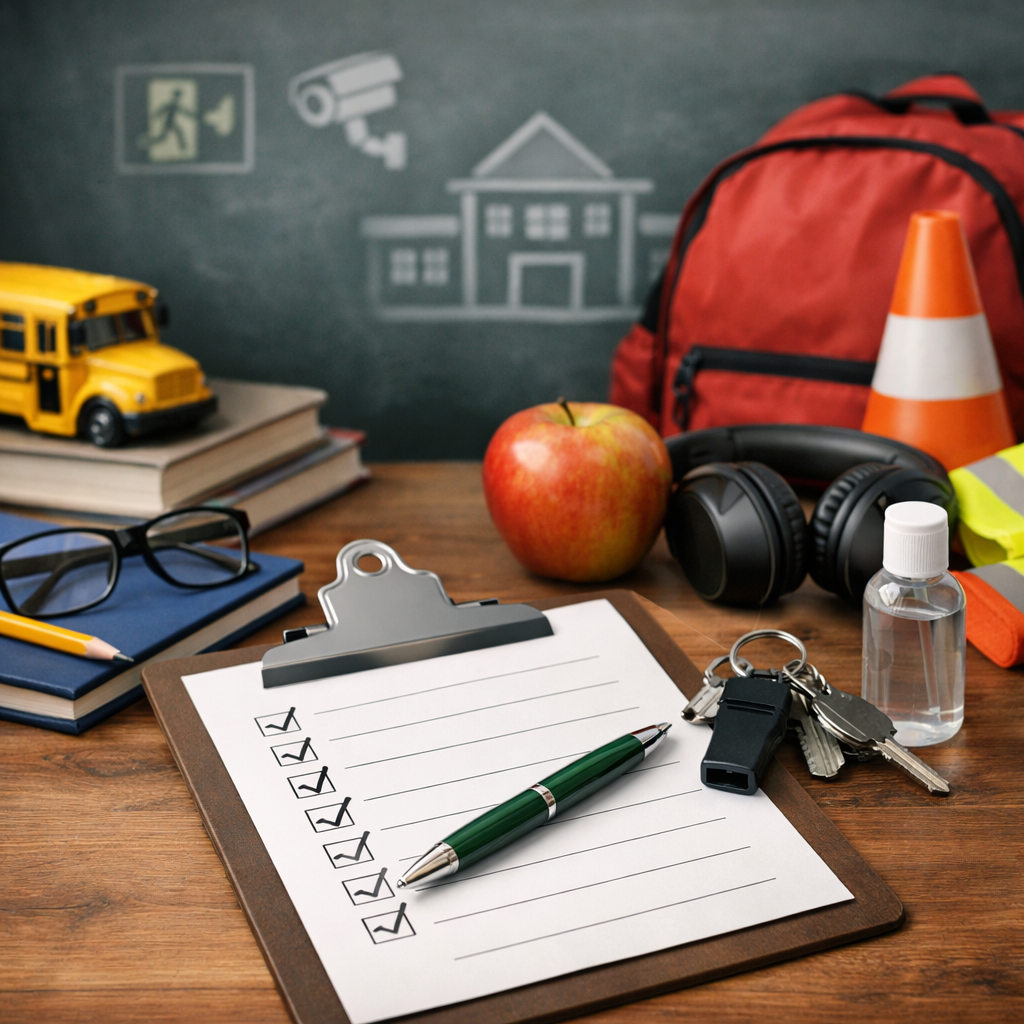
- Check your route, weather, and timing before leaving.
- Carry ID, essential contacts, and needed school items only.
- Stay alert near roads, parking lots, stairs, and transit areas.
- Keep valuables secured and do not leave items unattended.
- Follow school, lab, shop, gym, and residence rules every time.
- Report spills, broken equipment, bullying, harassment, or suspicious behaviour.
- Do not use tools, chemicals, or equipment without training or approval.
- Protect passwords, location details, and private information online.
- Know exits, meeting points, and where to get official instructions.
- Trust your judgment and ask for help early if something feels unsafe.
A strong student safety checklist is not about adding stress to the day. It is about building steady habits that support confidence, awareness, and prevention at school and on campus. For students, families, educators, and supervisors, the most effective safety plan is one that is simple enough to use every day, flexible enough for different settings, and clear enough to follow when it matters most.
No comments yet