
Safety Inspection Checklist: Effective Ideas for Routine Audits That Improve Workplace Safety


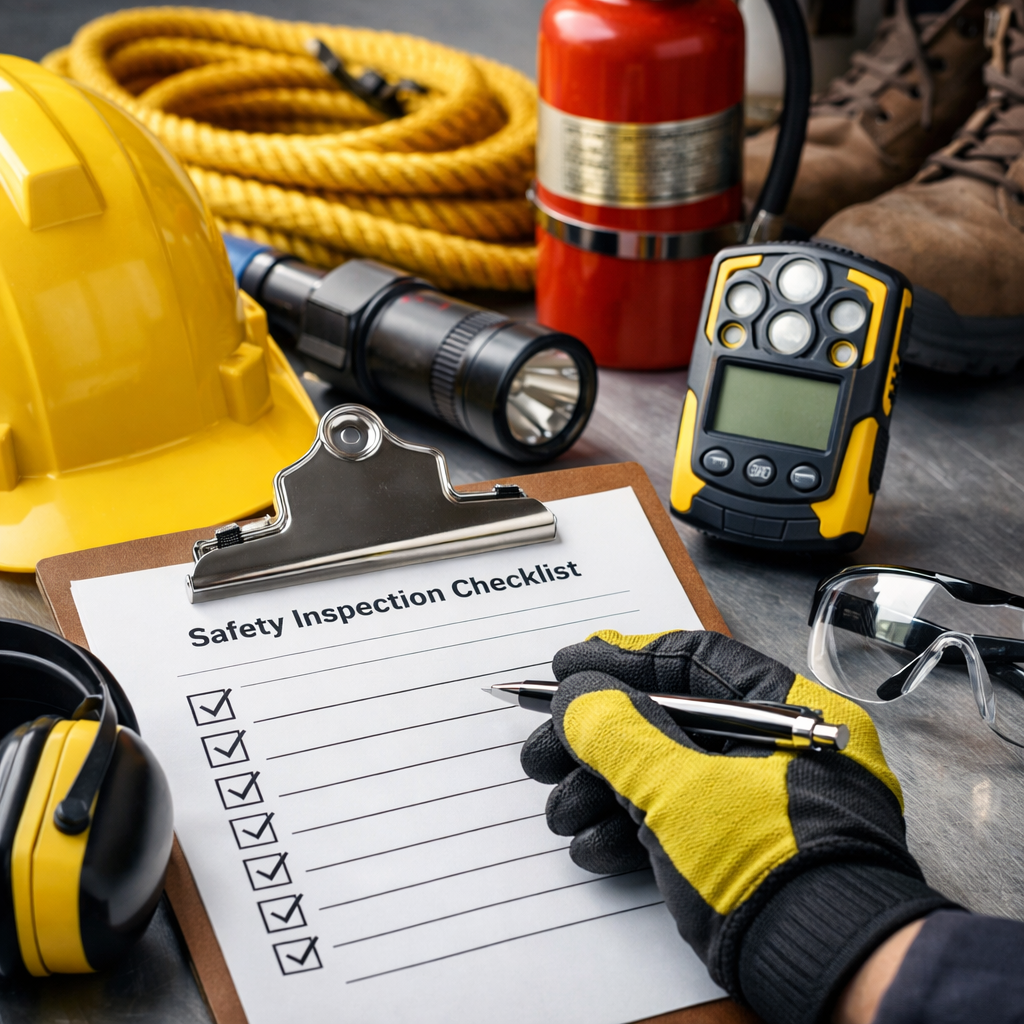
Safety inspection checklist routines are one of the most practical ways to identify hazards early, reduce incidents, and keep workplaces compliant with health and safety requirements.
Whether you manage an office, warehouse, construction site, plant, or retail operation, a well-built checklist helps teams inspect consistently, document findings clearly, and follow up on corrective actions before small issues become major risks.
Routine audits are not just about ticking boxes. They are about checking real conditions, speaking with workers, and confirming that controls are working as intended.
When used properly, a safety inspection checklist supports due diligence, strengthens safety culture, and provides a reliable record for continuous improvement.
Why a safety inspection checklist matters for routine audits
A routine audit works best when inspectors know exactly what to look for. Without a standard process, inspections can become inconsistent, rushed, or too dependent on individual experience.

A clear safety inspection checklist creates structure. It helps supervisors, safety coordinators, and managers review the same high-risk areas every time, compare results over time, and spot recurring problems.
It also supports compliance with recognized guidance from organizations such as OSHA and CCOHS. These organizations emphasize regular inspections, hazard identification, and prompt corrective action as part of an effective safety program.
In practical terms, routine audits can help you identify blocked exits, poor housekeeping, damaged cords, missing machine guards, improper chemical storage, weak lockout procedures, or incomplete personal protective equipment use.
They also create opportunities to apply the Hierarchy of Controls. For example, if workers are exposed to noise, the best response is not only hearing protection. You should also consider eliminating the source, replacing noisy equipment, adding enclosures, or changing work practices before relying on PPE alone.
What to include in a safety inspection checklist
A strong safety inspection checklist should be simple enough to use during a real walk-through but detailed enough to catch meaningful issues.

The checklist should reflect the actual workplace, task hazards, legal requirements, and previous incident trends. A warehouse checklist will not look the same as one used for an office, laboratory, or fabrication shop.
Core areas to inspect during routine audits
- Housekeeping: spills, trip hazards, cluttered aisles, improper waste disposal, and storage problems.
- Emergency readiness: fire extinguishers accessible, alarm systems functional, exits marked, evacuation routes clear, and first aid supplies stocked.
- Electrical safety: damaged plugs, overloaded outlets, exposed wires, extension cord misuse, and panel access clearance.
- Machinery and equipment: guards in place, emergency stops working, maintenance current, and tools in safe condition.
- Chemical safety: labels present, safety data sheets available, compatible storage, ventilation adequate, and spill kits accessible.
- PPE compliance: correct PPE provided, worn properly, maintained, and matched to the hazard.
- Ergonomics: awkward lifting, repetitive strain risks, poor workstation setup, and material handling concerns.
- Work at height or fall protection: ladder condition, guardrails, anchor points, harness use, and training records.
- Traffic and mobile equipment: forklift routes, pedestrian separation, mirrors, horns, speed controls, and dock safety.
- Training and procedures: workers aware of safe work procedures, permits in use, and incident reporting understood.
Many companies also add site-specific sections for confined spaces, hot work, lockout/tagout, contractor management, and environmental controls.
If you already use audit forms for incident reviews, it helps to align them with your inspection process. For example, your team can connect findings to your incident reporting process or your workplace risk assessment guide so hazards are tracked consistently across the business.
Example checklist format
| Inspection Item | What to Check | Status | Follow-Up Needed |
|---|---|---|---|
| Fire exits | Clear access, signage visible, doors operable | Pass/Fail | Remove obstructions immediately |
| Machine guarding | Guards installed, secure, not bypassed | Pass/Fail | Tag out equipment and repair |
| Chemical storage | Labels, SDS access, incompatible materials separated | Pass/Fail | Relocate materials and retrain staff |
| PPE use | Correct PPE available and worn properly | Pass/Fail | Replace damaged PPE and coach workers |
How to use a safety inspection checklist effectively
Even the best safety inspection checklist will fall short if it is used as a paperwork exercise. Effective routine audits require planning, observation, and action.
Start by deciding how often inspections should occur. High-risk areas may need daily or weekly checks, while lower-risk environments may be suitable for monthly or quarterly audits.

Use a consistent route during inspections so no area is missed. Inspectors should observe the workplace in normal operating conditions whenever possible. A quiet site after hours may hide risks that only appear during active work.
Good inspection habits that improve results
Talk with workers during the audit. Ask what hazards they see, what tasks are difficult, and whether existing controls are practical. Frontline employees often notice problems before managers do.
Take photos where appropriate, record exact locations, and describe hazards clearly. “Poor housekeeping” is too vague. A better note would be “pallet wrapping left in aisle 3 creating a trip hazard near forklift crossing.”
Prioritize findings by risk level. A missing machine guard or blocked emergency exit should be treated far more urgently than faded floor markings.
Where possible, identify the control using the Hierarchy of Controls. For example:
- Elimination: remove an unused chemical from the process.
- Substitution: replace a solvent with a less hazardous product.
- Engineering controls: install local exhaust ventilation.
- Administrative controls: update procedures, training, and access restrictions.
- PPE: provide gloves, eye protection, or respirators where still needed.
For industry-specific inspection points, resources from the National Safety Council can also support stronger audit planning and worker engagement.
Following up on findings after routine audits
The value of a safety inspection checklist depends on what happens after the inspection. If findings are logged but not corrected, the audit has not achieved its purpose.
Every issue should be assigned to a responsible person with a target completion date. High-risk findings may require immediate action, such as stopping equipment, isolating an area, or restricting access until controls are restored.
Examples of follow-up actions
If an inspection finds a frayed extension cord in a workshop, the follow-up should not simply say “replace cord.” A stronger action would be: remove the damaged cord from service immediately, inspect nearby cords for similar wear, review why temporary wiring is being used, and provide a permanent power solution if needed.
If the audit identifies workers lifting heavy boxes with poor posture, the response could include introducing lift tables, reducing box weight, rearranging storage heights, and retraining employees on safe material handling.
If chemical containers are found unlabeled, follow-up should include relabeling, checking all secondary containers, verifying safety data sheets, and reviewing the chemical handling procedure with the team.
Close the loop by verifying that corrective actions were completed and effective. A completed action is not always a successful action.
For example, installing a warning sign near a slippery area may not be enough if water still leaks onto the floor every day. The real corrective action may be repairing the source of the leak and improving drainage or floor surface conditions.
Trend your results over time. If the same issue appears in repeated audits, look beyond the symptom. Recurring findings often point to deeper causes such as weak supervision, poor preventive maintenance, inadequate training, unclear procedures, or unrealistic production pressure.
In summary, a well-designed safety inspection checklist makes routine audits more focused, practical, and effective. It helps teams inspect what matters, document hazards clearly, apply suitable controls, and follow through on corrective actions that reduce real workplace risk. When your checklist is tailored to your operations and supported by consistent follow-up, the safety inspection checklist becomes more than an audit tool. It becomes a reliable part of everyday safety management.
No comments yet