
seasonal worker safety training: Practical Steps to Reduce Risk and Stay Compliant

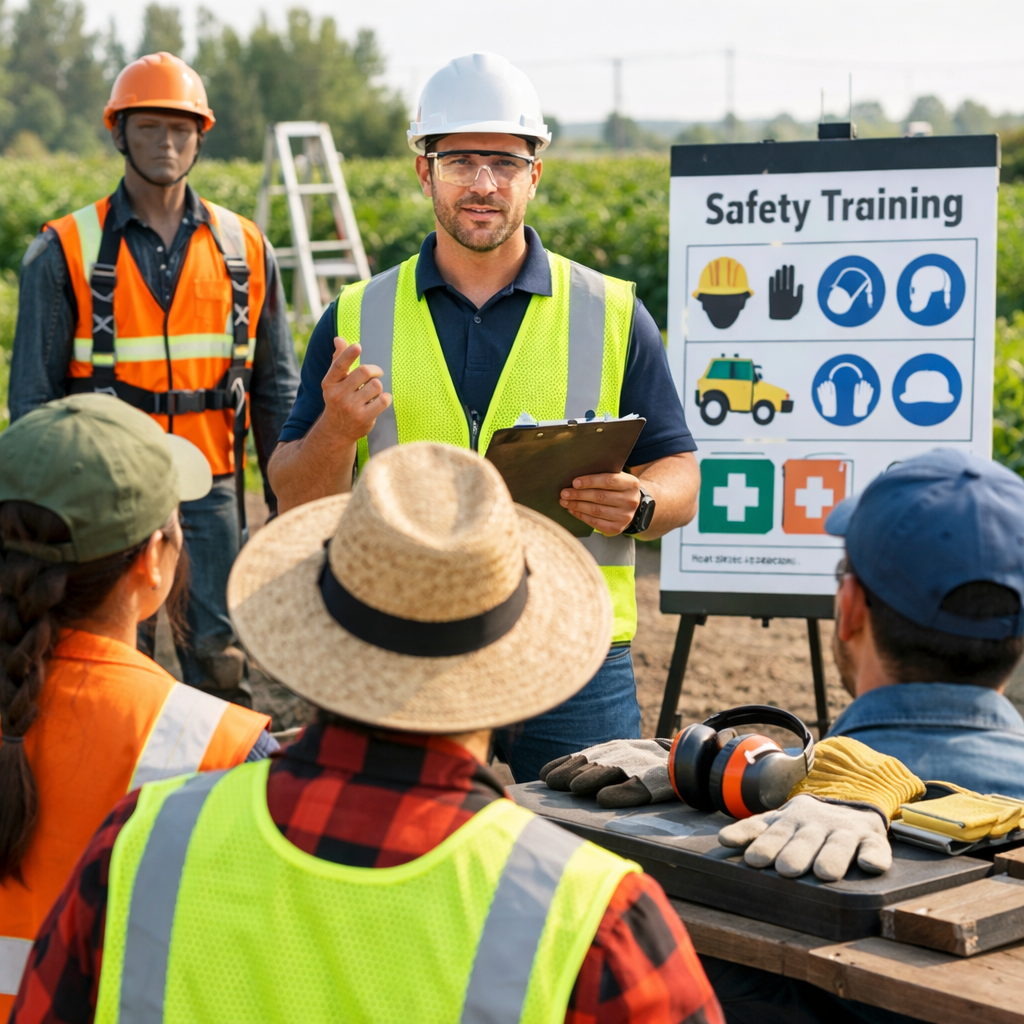
seasonal worker safety training is essential for businesses that bring in temporary staff during peak periods, harvests, holidays, shutdowns, or weather-driven work. Seasonal employees often enter fast-moving environments with unfamiliar tasks, new equipment, and limited time to learn, which can increase the chance of injury if onboarding is rushed or inconsistent.
From agriculture and construction to warehousing, hospitality, and retail, employers need training that is practical, site-specific, and easy to understand. Effective training reduces incidents, improves confidence, supports productivity, and helps organizations meet their legal OHSE duties.
Why seasonal worker safety training matters
Seasonal workers are often exposed to higher risk because they may be new to the industry, new to the site, or returning after a long break. They may not fully understand hazards, emergency procedures, reporting expectations, or the correct use of tools and machinery.
Short-term employment can also create pressure to “learn on the go.” That approach can lead to manual handling injuries, slips and falls, vehicle incidents, heat stress, chemical exposure, cuts, and equipment-related accidents. In many workplaces, new and young workers are statistically more likely to be hurt during their first days and weeks on the job.
Strong seasonal worker safety training addresses this risk by setting clear expectations from day one. It should cover basic rights and responsibilities, site hazards, safe work procedures, incident reporting, and the authority to stop work if something appears unsafe.
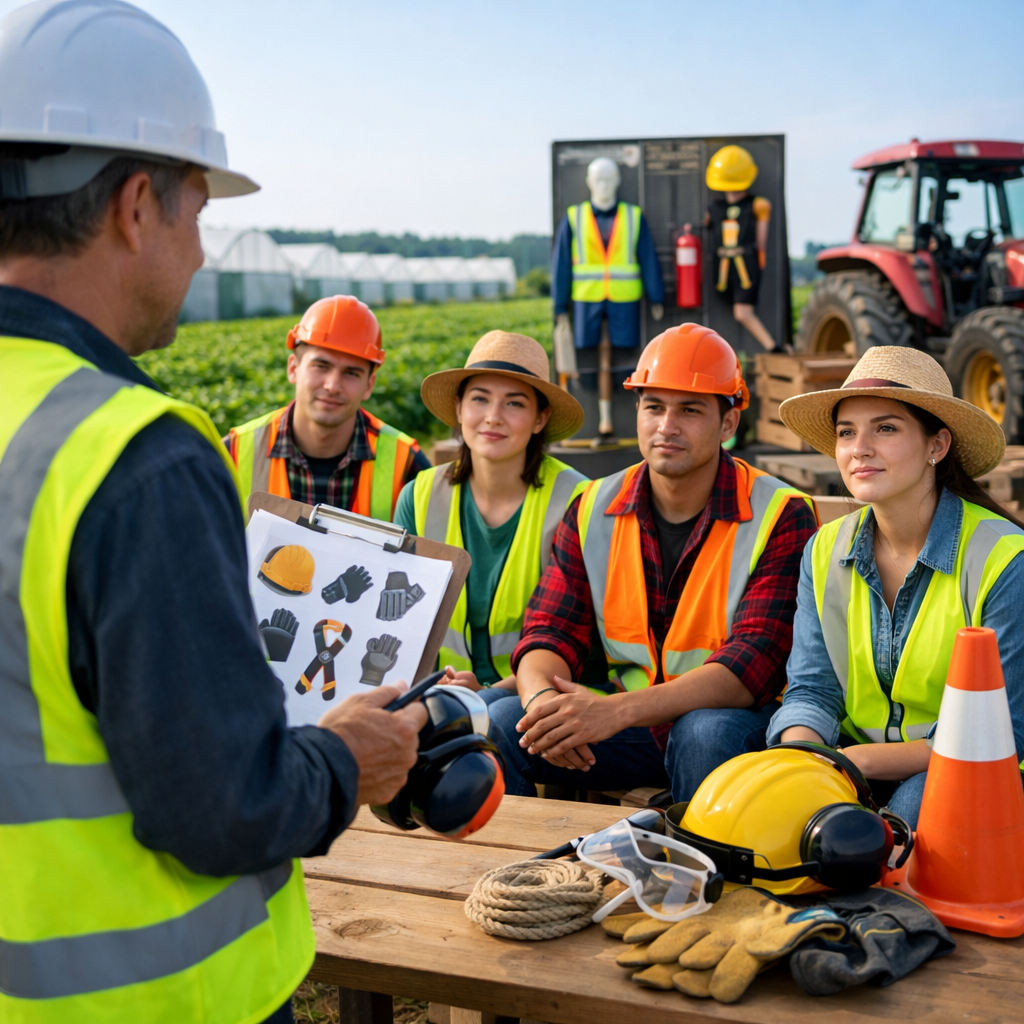
Employers can support their programs by aligning with guidance from OSHA and the CCOHS. Internal resources such as your safety induction checklist and PPE policy can also help standardize onboarding.
Key risks seasonal workers face on the job
Common workplace hazards
The risks facing seasonal workers vary by sector, but several patterns appear across industries. Temporary staff may be assigned physically demanding work, repetitive tasks, or outdoor duties during extreme weather. They may also work irregular shifts, including nights, weekends, or overtime, which can increase fatigue and errors.
- Slips, trips, and falls: wet floors, uneven ground, cluttered aisles, ladders, docks, and loading areas.
- Manual handling injuries: lifting, carrying, pushing, pulling, and awkward postures during repetitive work.
- Machinery and equipment hazards: conveyors, forklifts, agricultural machinery, powered tools, and compactors.
- Heat and cold stress: outdoor work, refrigerated areas, greenhouses, kitchens, and changing seasonal temperatures.
- Chemical exposure: cleaning products, fuels, pesticides, solvents, and dusts.
- Vehicle and pedestrian interaction: warehouses, farms, parking areas, and delivery zones.
- Violence or aggression: customer-facing retail, events, hospitality, and late-night work.
Practical examples from real workplaces
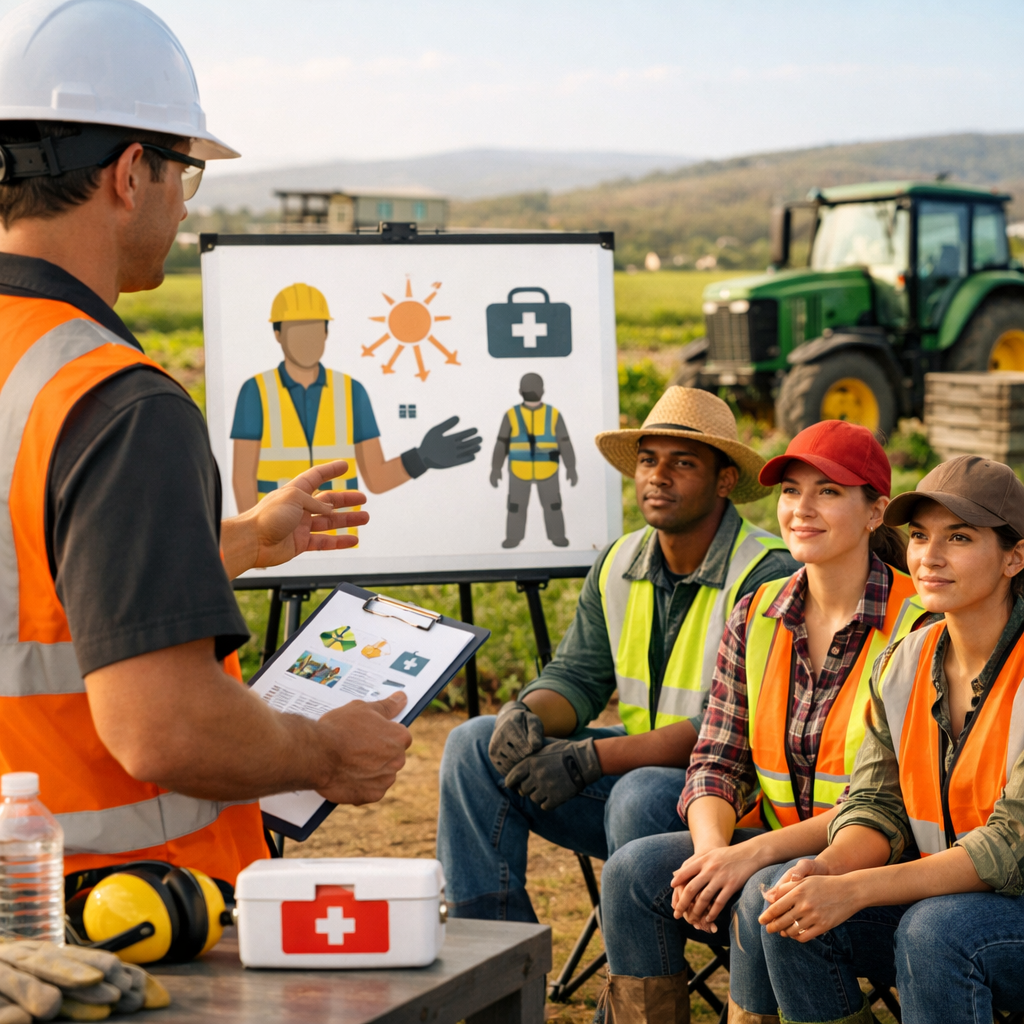
In agriculture, a seasonal picker may be unfamiliar with ATV routes, dehydration risks, or pesticide re-entry intervals. In retail, a holiday employee may rush ladder work in a stockroom without proper instruction. In warehousing, a temporary loader may enter a trailer before it is secured at the dock.
These are not unusual scenarios. They show why seasonal worker safety training must go beyond generic orientation and focus on the actual conditions workers will face during their shift.
How to build effective seasonal worker safety training
Start with induction and job-specific instruction
A good program begins before the first task. Workers should receive a site induction that explains hazards, emergency exits, first aid arrangements, supervision, welfare facilities, and reporting procedures. After that, each worker needs job-specific instruction for the tools, equipment, and tasks they will perform.
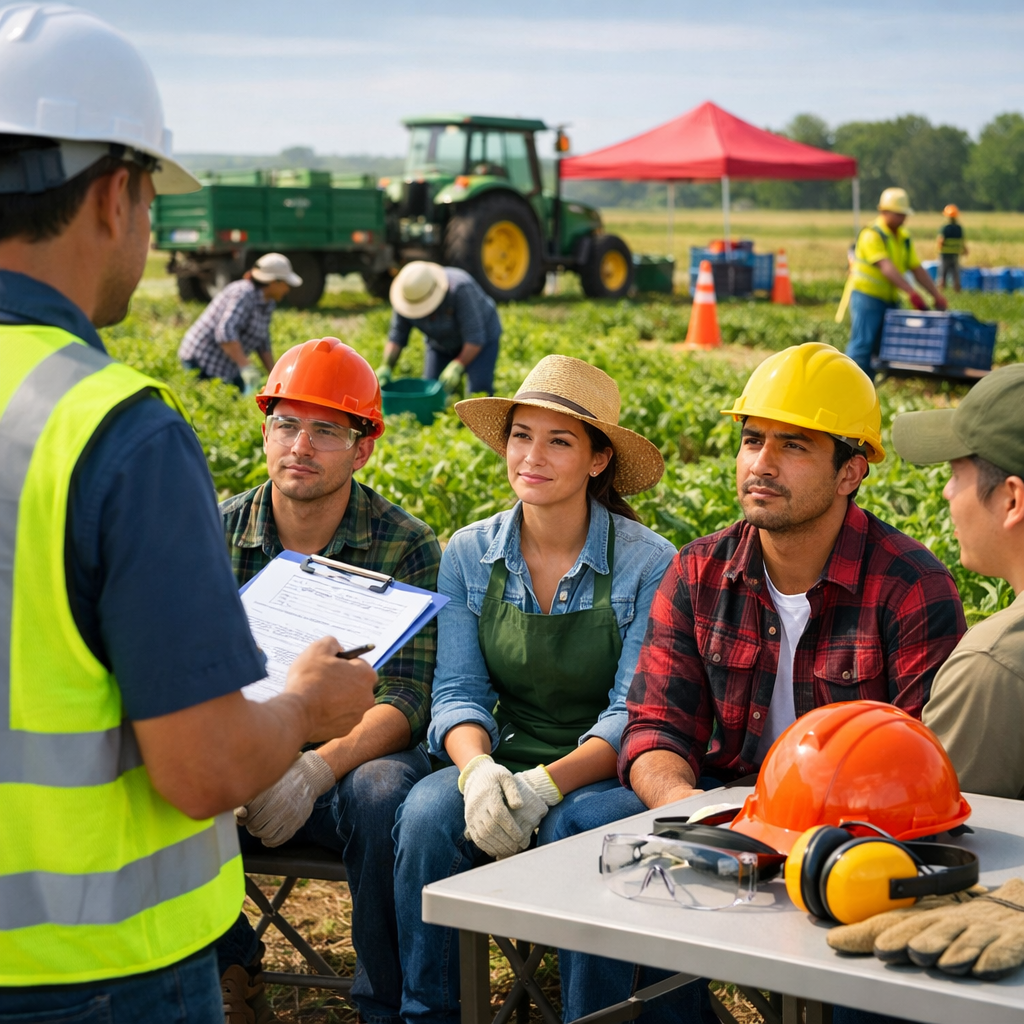
Training should be clear, practical, and checked for understanding. Avoid relying only on handouts. Use demonstrations, shadowing, simple language, visual signage, and supervised practice. If workers speak different languages, provide translated materials or competent interpreters where needed.
Apply the Hierarchy of Controls
One of the most effective ways to structure seasonal worker safety training is to teach controls in the order of the Hierarchy of Controls. This helps supervisors and workers understand that PPE is important, but it is not the first or only line of defense.
| Control Level | What It Means | Seasonal Work Example |
|---|---|---|
| Elimination | Remove the hazard entirely | Stop workers from entering an unsafe roof area by completing stock checks from ground level |
| Substitution | Replace with a safer option | Use less hazardous cleaning chemicals during peak hospitality periods |
| Engineering Controls | Isolate people from the hazard | Install machine guards, dock barriers, or shade structures |
| Administrative Controls | Change the way work is organized | Rotate tasks, schedule water breaks, and use traffic plans |
| PPE | Protect the worker with equipment | Gloves, high-visibility clothing, eye protection, hearing protection, and safety boots |
Use refresher coaching and supervision
Seasonal workers benefit from frequent check-ins, especially during their first week. Supervisors should verify safe technique, answer questions, and correct unsafe habits early. Toolbox talks are useful for changing conditions such as heat alerts, storm response, customer surges, or equipment issues.
Practical training records also matter. Document who was trained, when, on what topic, and by whom. If a task changes, the training should change too.
PPE, compliance, and practical prevention measures
PPE that matches the task
PPE should be selected based on a risk assessment, not guesswork. Seasonal workers need to know what PPE is required, when to wear it, how to inspect it, how to maintain it, and when to replace it. Employers should make sure PPE fits properly, especially where a temporary workforce includes varied sizes and different job roles.
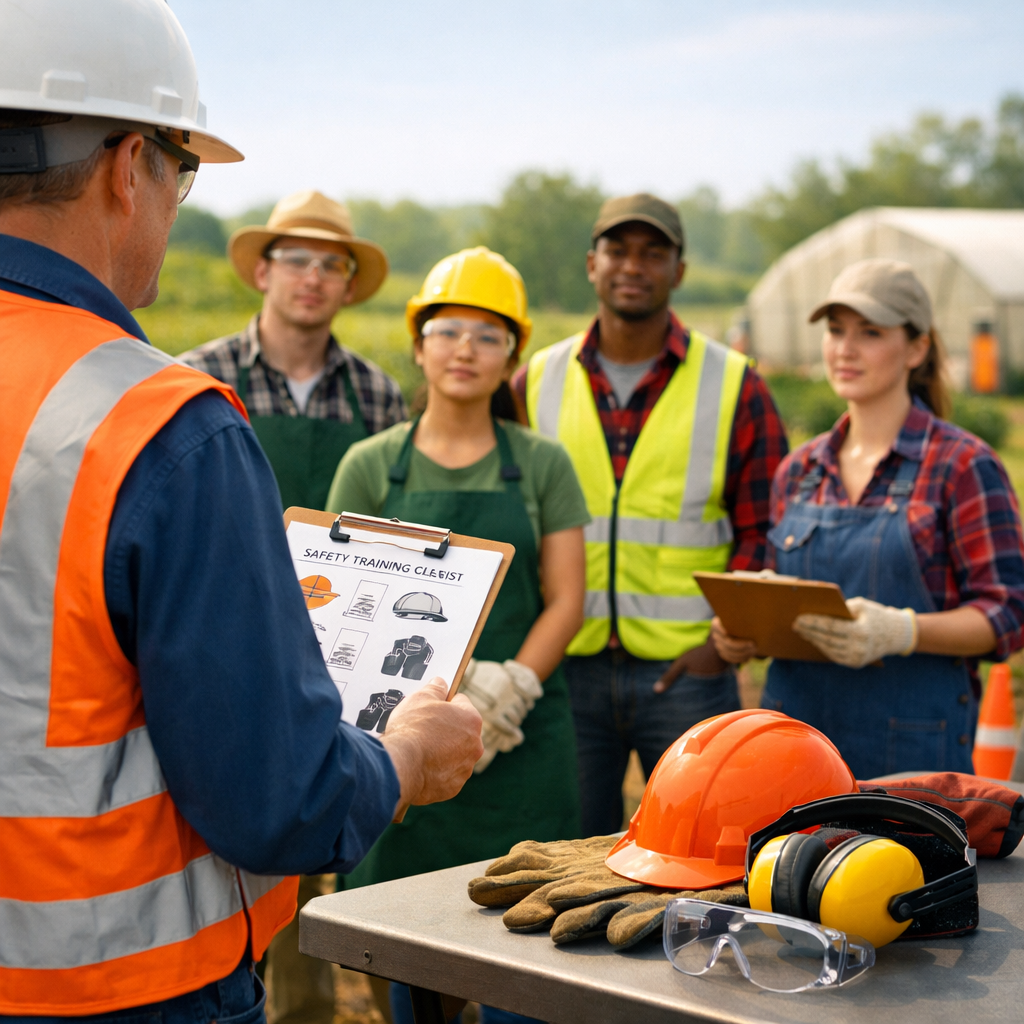
Examples include cut-resistant gloves for food processing, hearing protection in landscaping, high-visibility vests in logistics yards, sun protection for outdoor crews, and slip-resistant footwear in kitchens or retail backrooms. Where respiratory protection is needed, workers must be trained on its limitations and proper use.
Compliance responsibilities for employers
Legal requirements differ by jurisdiction, but the principle is consistent: employers must provide information, instruction, training, and supervision to keep workers safe. That includes temporary and seasonal staff. Regulators expect organizations to assess risks, implement controls, maintain equipment, investigate incidents, and keep records.
For many businesses, compliance also includes worker orientation, hazard communication, emergency preparedness, first aid access, and consultation with workers on safety issues. Guidance from OSHA on young workers is especially helpful where seasonal hiring includes students or first-time employees.
Simple prevention measures that work
- Provide induction before work starts, not after the shift begins.
- Assign a competent buddy or supervisor for the first several shifts.
- Break down tasks into step-by-step safe work procedures.
- Use visual signs and multilingual instructions where appropriate.
- Inspect work areas daily for slip, trip, and equipment hazards.
- Plan for weather, fatigue, hydration, and rest breaks.
- Separate pedestrians and vehicles with barriers and marked routes.
- Encourage immediate reporting of hazards, near misses, and injuries.
Seasonal peaks often tempt employers to move quickly, but rushed onboarding can be costly. A short, focused, well-supervised program is better than a long generic lecture that workers cannot apply in the field.
In conclusion, seasonal worker safety training is one of the most important investments an employer can make during peak hiring periods. It protects new and returning workers from common risks, supports correct PPE use, strengthens compliance, and creates a safer, more organized workplace. When training is practical, role-specific, and backed by supervision and the Hierarchy of Controls, seasonal worker safety training becomes more than a checklist item—it becomes a reliable way to prevent injuries and keep operations running smoothly.
No comments yet