
warehouse inventory handling safety: Practical OHSE Measures for Safer Storage, Picking, and Movement
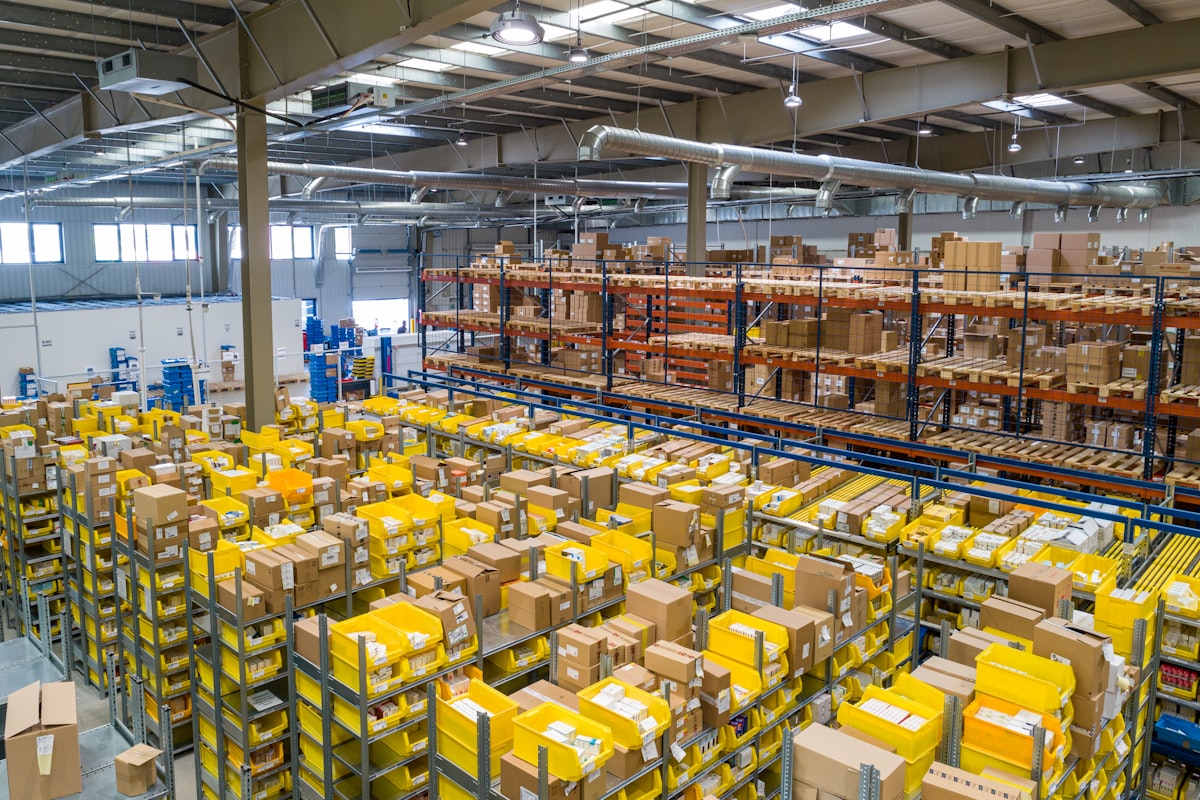
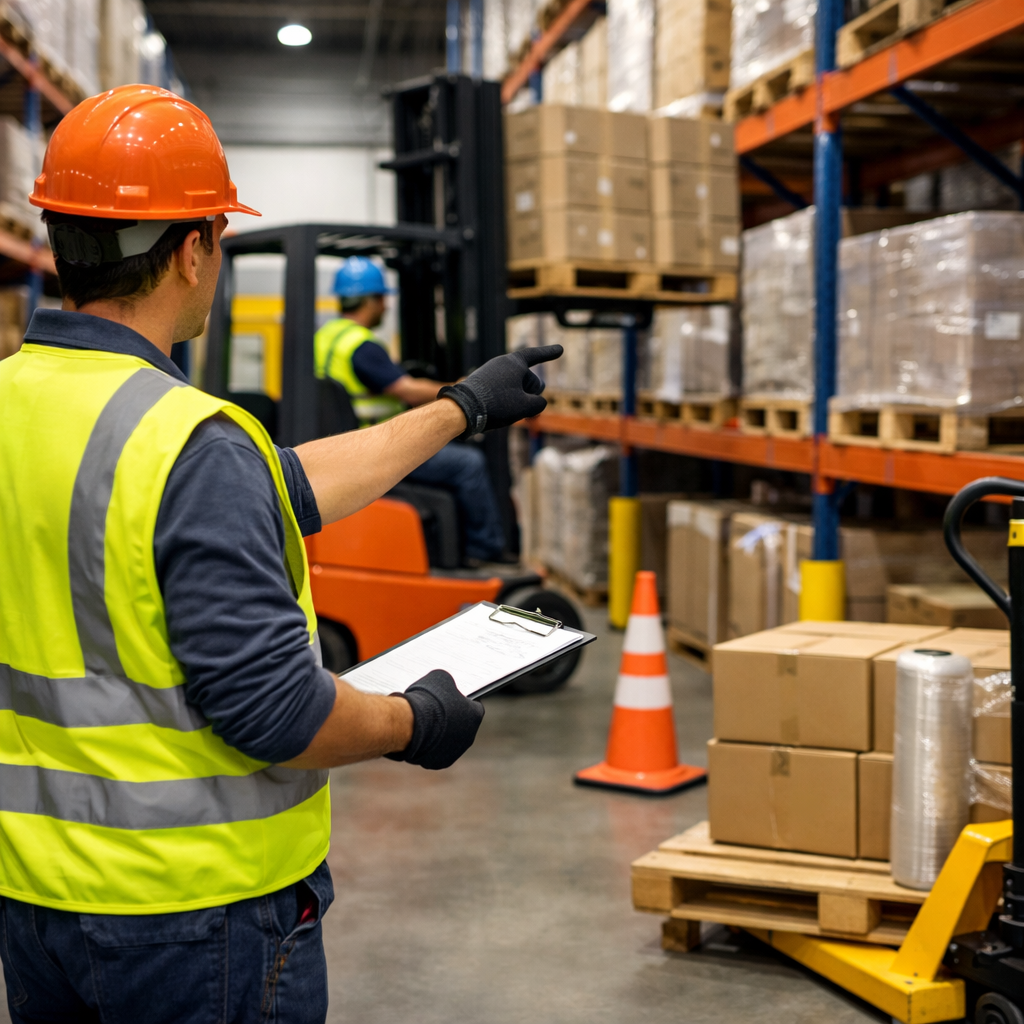
warehouse inventory handling safety is essential for protecting workers, preventing product damage, and keeping warehouse operations efficient.
In busy facilities, stock is constantly received, lifted, stacked, picked, wrapped, and shipped, which creates daily exposure to manual handling injuries, vehicle interactions, falling objects, and slip hazards.
A strong safety approach reduces incidents while supporting productivity, accuracy, and compliance with occupational health, safety, and environment requirements.
Whether a warehouse manages palletized goods, cartons, loose items, or hazardous materials, safe inventory handling depends on planning, training, supervision, and consistent work practices.
This article explains the main risks, practical prevention methods, PPE requirements, compliance expectations, and real workplace examples that help improve warehouse inventory handling safety.
- Why warehouse inventory handling safety matters in daily operations
- Common risks linked to warehouse inventory handling safety
- Prevention strategies for stronger warehouse inventory handling safety
- PPE and compliance requirements for warehouse inventory handling safety
- Practical examples to improve warehouse inventory handling safety
Why warehouse inventory handling safety matters in daily operations
Warehouse work often looks routine, but the risks can change quickly from one shift to the next.
Aisles become crowded, loads are stacked at height, forklifts move through shared spaces, and workers may rush to meet dispatch targets.
Without proper controls, these conditions can lead to strains, crush injuries, falls, collisions, and property loss.
Good warehouse inventory handling safety protects both people and stock.
It also helps reduce downtime, workers’ compensation costs, damaged inventory, and delayed customer orders.
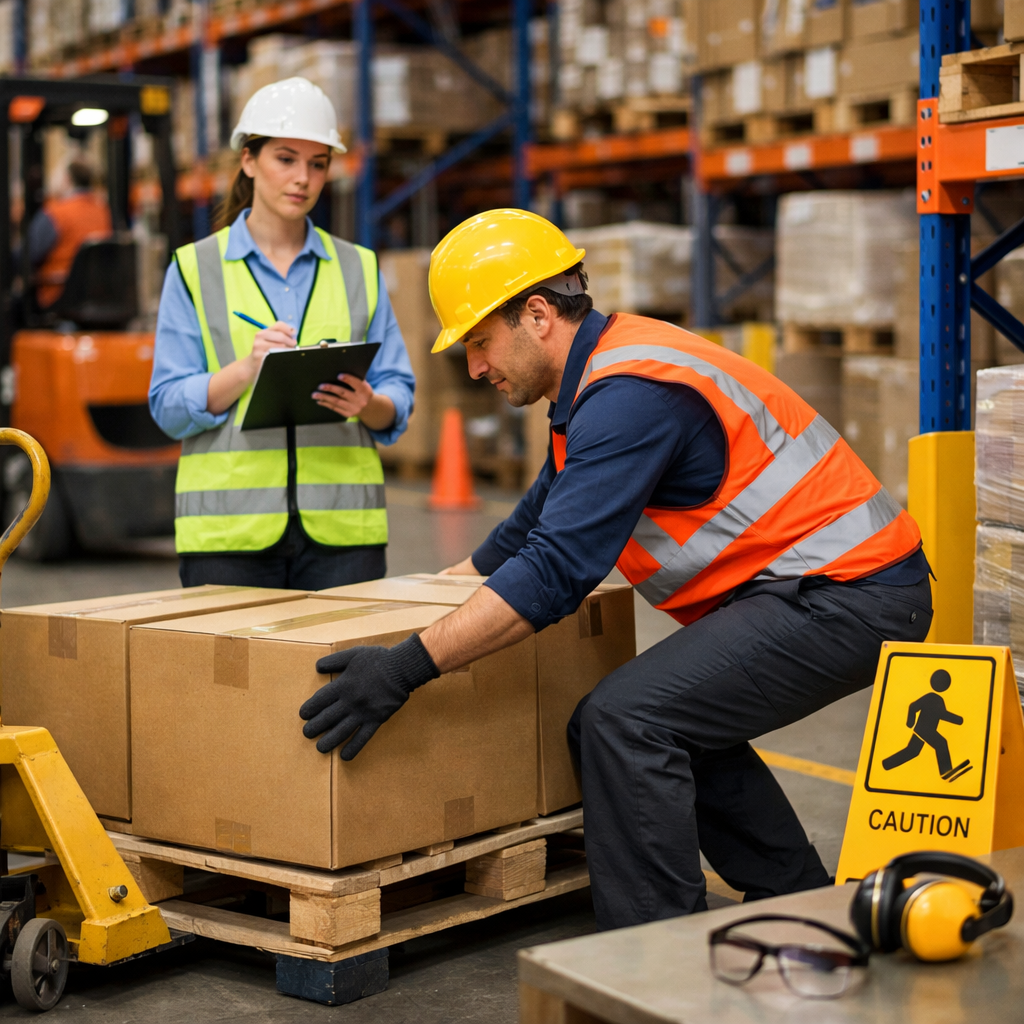
From an OHSE perspective, inventory handling is not only about lifting correctly.
It includes the full movement cycle: receiving, unloading, scanning, shelving, replenishment, order picking, packing, staging, and loading.
Each stage needs hazard identification and control measures that match the actual task.
Organizations such as OSHA and the CCOHS provide useful guidance on material handling, workplace inspections, and injury prevention.
Warehouses can also strengthen performance by reviewing their own safety training procedures and updating manual handling risk assessments when layouts, stock types, or equipment change.
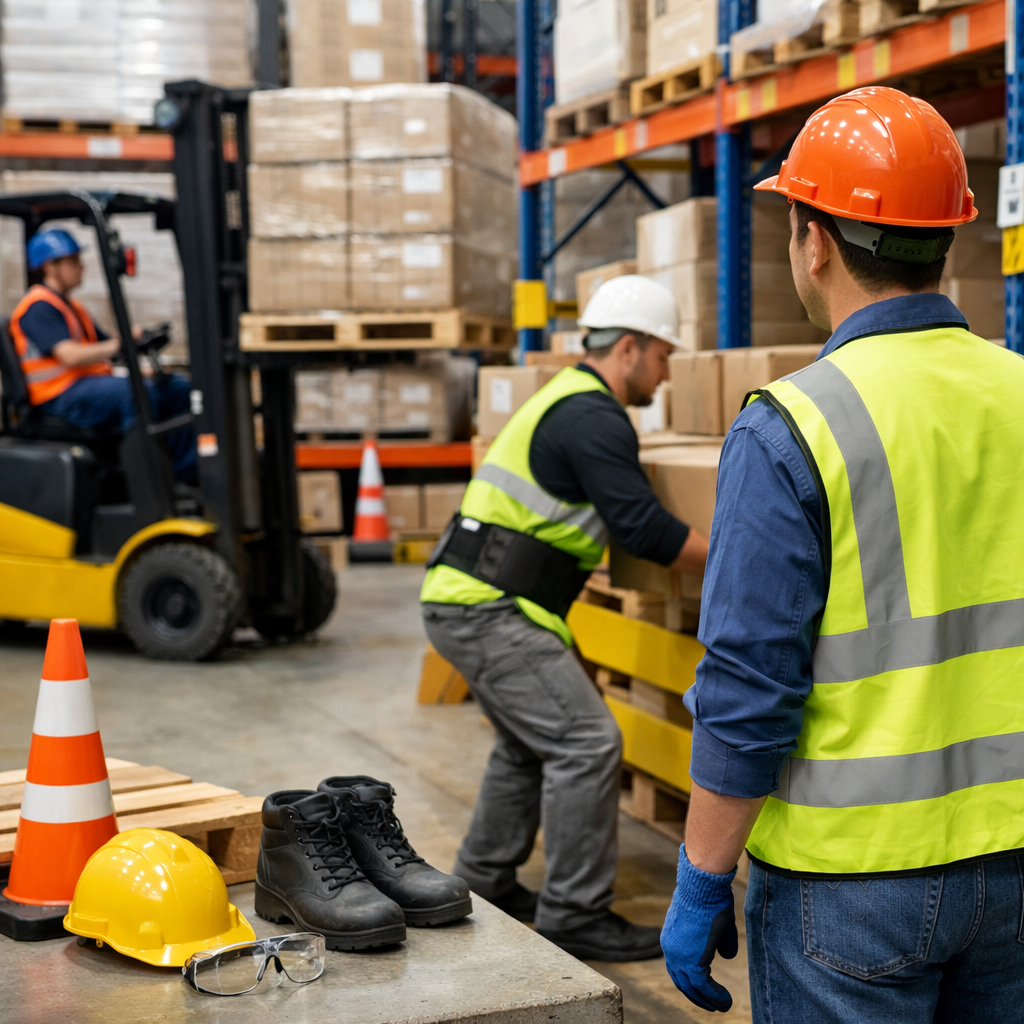
Common risks linked to warehouse inventory handling safety
Manual handling and ergonomic strain
One of the most common warehouse injuries involves sprains and strains caused by lifting, lowering, carrying, pushing, or pulling stock.
Risk increases when loads are bulky, unstable, too heavy, or handled repeatedly over a long shift.
Awkward postures, twisting while carrying, and reaching above shoulder height also raise the chance of musculoskeletal disorders.
Vehicle and equipment interaction
Forklifts, pallet jacks, reach trucks, and conveyors improve efficiency, but they also create serious hazards.
Pedestrians can be struck in narrow aisles, loads can fall during travel, and operators may lose visibility when carrying high or unstable stock.
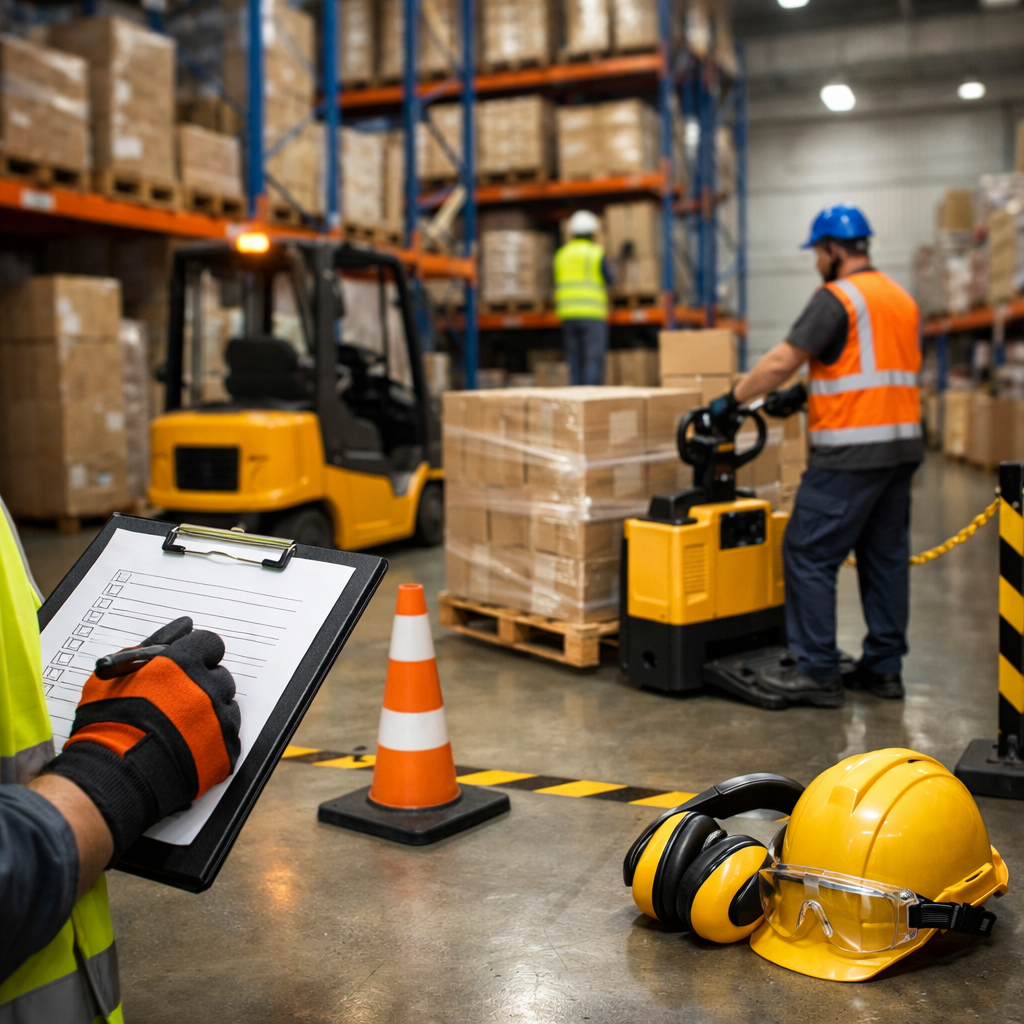
Poor traffic flow, blind corners, and inadequate floor markings often contribute to these incidents.
Falling objects and unstable storage
Improper stacking is a major concern for warehouse inventory handling safety.
Items stored too high, pallets in poor condition, overloaded racking, or mixed-size stock placed without support can all lead to collapse.
Even a small carton falling from height can seriously injure a worker below.
Slips, trips, and environmental hazards
Broken pallets, plastic wrap, spilled liquids, straps, and cluttered walkways frequently cause slips and trips.
Lighting, floor condition, temperature, and noise also affect safety performance.
In cold storage or outdoor loading areas, workers may face additional risks from condensation, uneven surfaces, or weather exposure.
- Overexertion from repetitive lifting or pushing
- Collision between pedestrians and forklifts
- Crush injuries during stacking or pallet movement
- Falls caused by climbing racking or unsafe access methods
- Cuts from damaged packaging, banding, or tools
- Product spills involving chemicals or hazardous substances
Prevention strategies for stronger warehouse inventory handling safety
Apply the Hierarchy of Controls
The most effective way to improve warehouse inventory handling safety is to use the Hierarchy of Controls rather than relying only on worker caution.
Elimination may involve removing unnecessary double-handling or redesigning storage so workers do not need to lift heavy items from floor level.
Substitution can include using lighter packaging or more stable pallet types.
Engineering controls may involve racking protection, lifting aids, conveyor systems, guardrails, dock restraints, and pedestrian barriers.
Administrative controls include traffic management, safe work procedures, training, housekeeping schedules, and fatigue management.
PPE remains important, but it should support higher-level controls rather than replace them.
Safe handling practices that work
Practical prevention starts with understanding the load before moving it.
Workers should check weight, shape, stability, grip points, destination, and path of travel before lifting or transporting any item.
Where possible, heavy and fast-moving stock should be stored between knee and shoulder height to reduce bending and overreaching.
Frequently used items should also be placed in accessible locations to minimize unnecessary travel and manual effort.
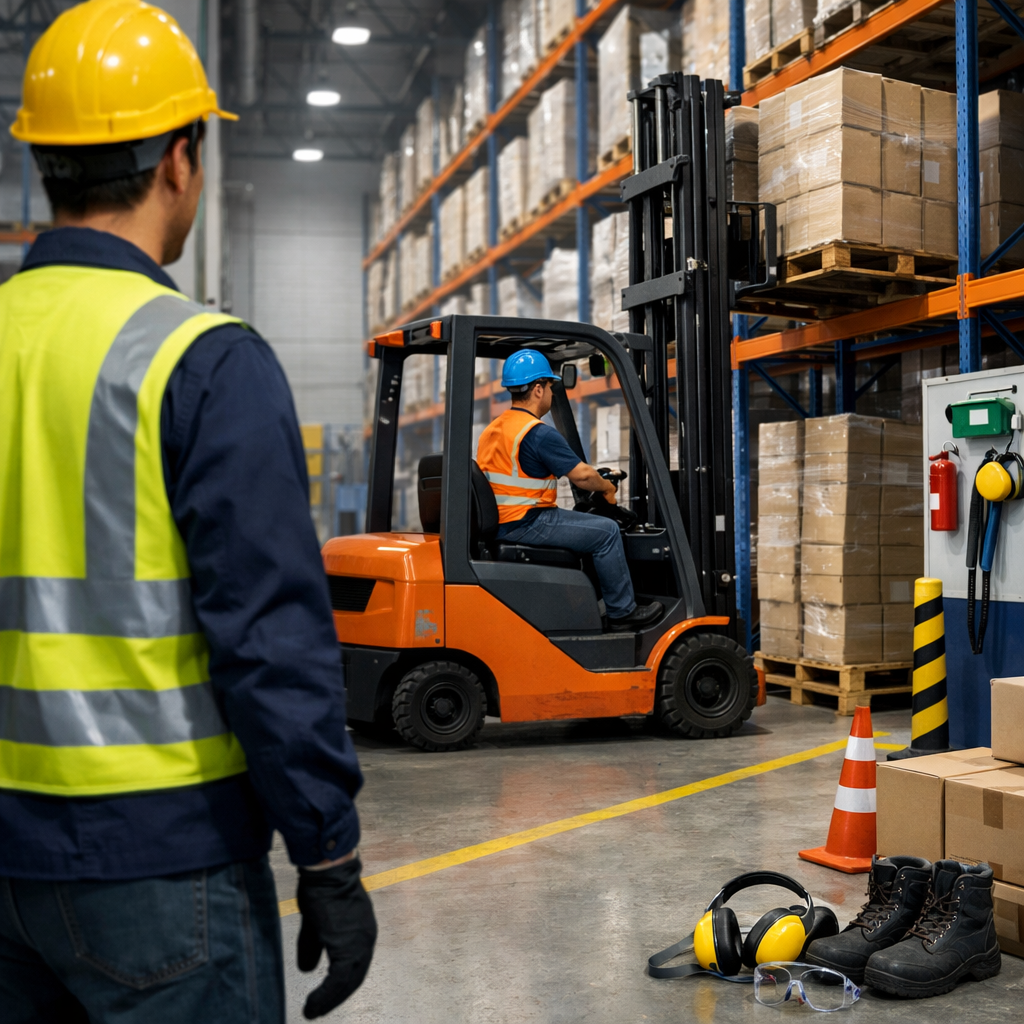
Clear aisle markings, one-way traffic routes, speed limits, mirror placement at intersections, and separated pedestrian walkways can significantly reduce vehicle-related risk.
Regular inspections of pallets, racks, wheels, brakes, and lifting equipment are equally important.
If damaged materials are found, they should be removed from service immediately.
| Hazard | Example in Warehouse | Practical Control |
|---|---|---|
| Manual handling strain | Lifting heavy cartons from floor level | Use lift tables, team lifts, and better shelf placement |
| Vehicle collision | Forklift crossing pedestrian route | Install barriers, signage, and traffic rules |
| Falling stock | Unstable pallet on upper racking | Load limits, pallet checks, and correct stacking |
| Slips and trips | Plastic wrap left in aisle | Housekeeping checks and waste disposal points |
PPE and compliance requirements for warehouse inventory handling safety
Choosing the right PPE
PPE should be selected based on the hazards identified in the task and environment.
In most warehouses, basic PPE may include safety footwear, high-visibility clothing, and gloves suited to the material being handled.
Additional protection such as hard hats, eye protection, hearing protection, or cold-storage clothing may be required depending on the area and activity.
For example, a worker unloading mixed pallets in a busy receiving dock may need safety boots with toe protection, cut-resistant gloves, and a high-visibility vest to reduce the risk of foot injuries, hand cuts, and vehicle contact.
PPE must fit properly, be maintained in good condition, and be supported by training on correct use and limitations.
Training, supervision, and legal compliance
Compliance is a core part of warehouse inventory handling safety.
Employers are generally required to provide a safe workplace, suitable equipment, information, instruction, and supervision.
That means workers should be trained not only at induction, but also whenever new stock types, equipment, layouts, or procedures are introduced.
Refresher training is especially important for manual handling, forklift exclusion zones, incident reporting, emergency response, and hazardous materials management.
Warehouse operators should also maintain records of inspections, maintenance, training, and corrective actions.
Relevant standards and legal duties vary by jurisdiction, but guidance from OSHA’s materials handling resources and CCOHS manual material handling references can help shape site-specific programs.
Supervisors play a key role by monitoring unsafe shortcuts, correcting poor stacking practices, and making sure workloads do not encourage rushed behavior.
Practical examples to improve warehouse inventory handling safety
Example 1: Reducing back injuries in picking zones
A warehouse experienced frequent lower back complaints among pickers handling medium-weight cartons from the lowest shelf level.
After a risk assessment, the business moved high-volume stock to waist height, introduced mobile lift tables, and rotated staff between tasks.
Within a few months, discomfort reports dropped and picking efficiency improved.
This is a good example of using ergonomic redesign instead of relying only on lifting reminders.
Example 2: Preventing forklift and pedestrian near misses
In another facility, pedestrians and forklifts shared the same dispatch area during peak periods.
Near misses were common, especially when visibility was blocked by wrapped pallets.
The warehouse introduced painted walkways, physical barriers, designated crossing points, warning lights, and one-way forklift routes.
Pre-start checks and spot checks by supervisors reinforced the changes.
These relatively simple controls created a major improvement in warehouse inventory handling safety.
Example 3: Controlling falling-object risk in storage racks
A site storing mixed inventory noticed that some upper-level pallets were leaning because of poor pallet quality and inconsistent loading.
The corrective action included pallet inspection at receiving, load-wrapping standards, rack load signage, and retraining for forklift operators on load placement.
Damaged pallets were quarantined immediately, and routine rack inspections became part of weekly safety checks.
This reduced the risk of collapse and protected both workers and inventory.
Strong warehouse inventory handling safety depends on more than rules posted on a wall.
It requires real hazard awareness, well-maintained equipment, suitable PPE, legal compliance, and practical controls built into everyday work.
When warehouses assess risks properly, apply the Hierarchy of Controls, and train workers to handle stock safely, they create safer workplaces and more reliable operations.
In the long term, investing in warehouse inventory handling safety protects people, supports OHSE performance, and helps the business run with fewer disruptions, lower costs, and greater confidence.
No comments yet