
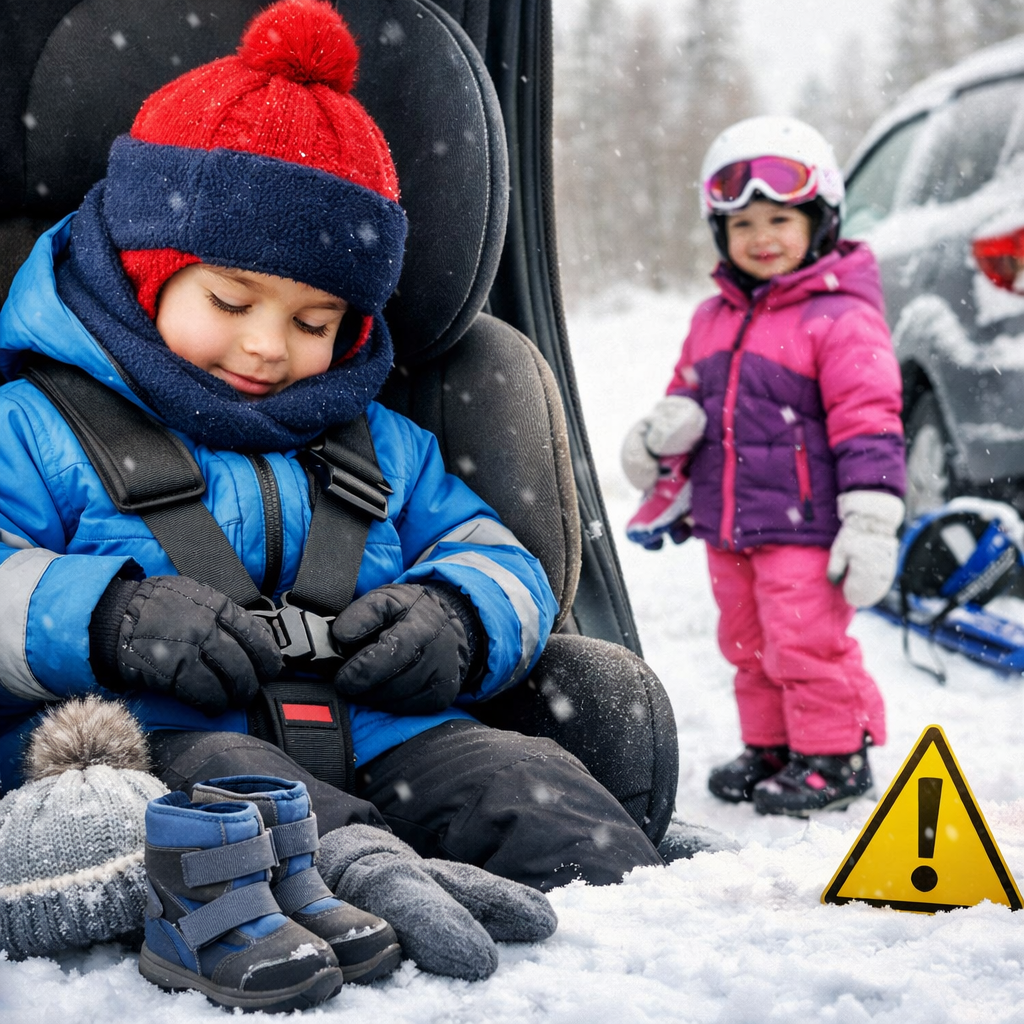

Winter clothing safety for kids starts with simple choices that help children stay warm, dry, visible, and comfortable outdoors. In Canada, students walk to school, wait at bus stops, play at recess, and join winter activities in changing conditions, so clothing is part of everyday safety, not just comfort.
For parents, schools, and caregivers, the goal is practical prevention. Good winter clothing helps reduce cold stress, wet clothing, slips caused by poor footwear, and visibility issues during darker mornings and afternoons. This guide explains how to build safer winter outfits for children using layers, visibility features, and comfort-focused habits that fit school, family, and community routines.
Winter clothing safety for kids begins with smart layering
Layering works because it helps children adjust to changing temperatures, wind, snow, and activity levels. A child standing still at a bus stop may need more insulation than a child running during recess. Layers also make it easier to prevent overheating indoors and chilling outdoors.
Use the three-layer approach
A simple system is often the easiest to follow:
- Base layer: Worn next to the skin to help manage moisture. Dry skin helps children stay warmer.
- Middle layer: Adds insulation by trapping warm air.
- Outer layer: Protects against wind, snow, and wet conditions.
When possible, avoid clothing that stays wet for long periods. If socks, mittens, or pant legs become soaked, children can lose heat faster and may become uncomfortable enough to stop enjoying outdoor time. Packing extra mittens and socks for school is a simple control measure that can make a big difference.
Dress for activity, not just temperature
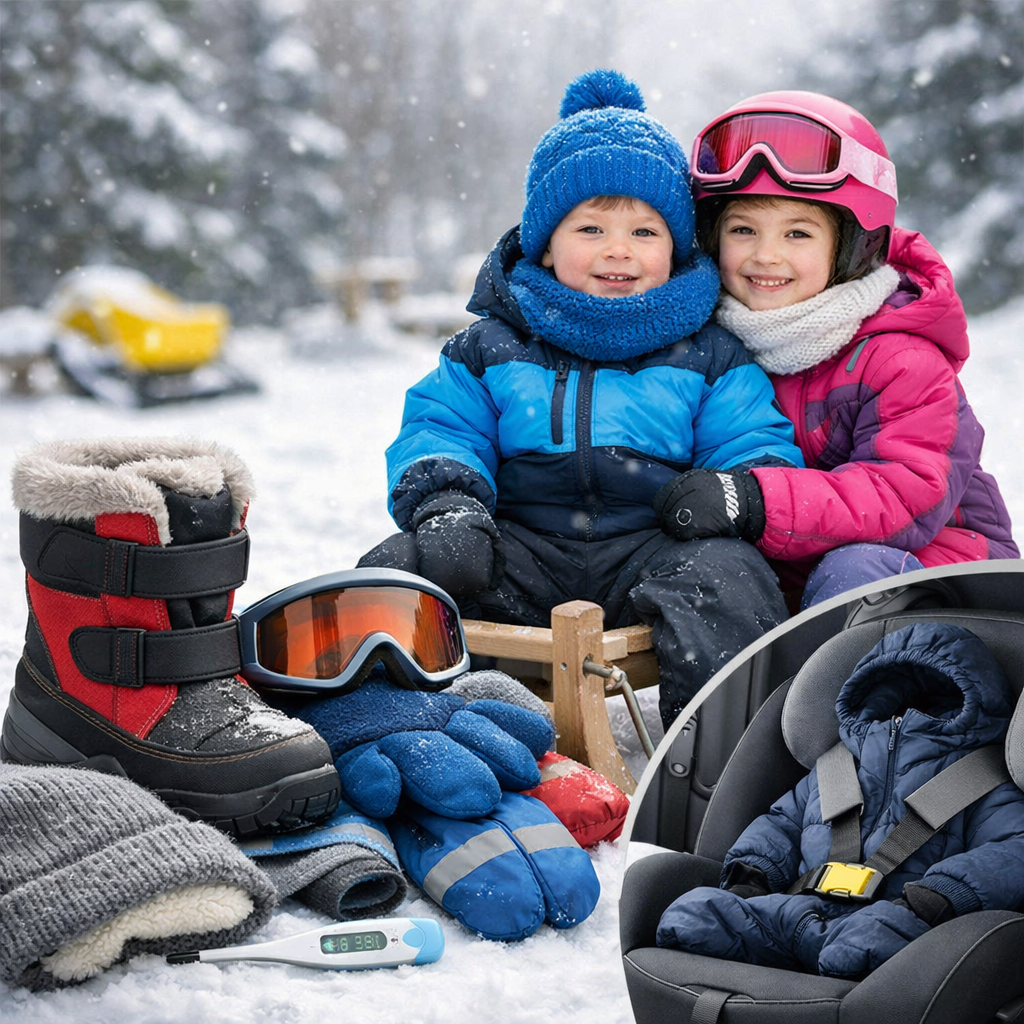
Winter clothing safety for kids is not about putting on the heaviest coat available and leaving it at that. Children generate body heat quickly when active, and too many heavy layers can lead to sweating. Once activity slows down, damp clothing can make them feel colder.
A practical routine is to send children with removable layers and teach them when to open a zipper, switch gloves, or add a hat. Schools and families can support this by encouraging children to recognize when they feel too warm, too cold, or wet.
| Clothing Part | Safety Purpose | Practical Tip |
|---|---|---|
| Hat or toque | Helps retain warmth | Choose one that covers the ears well |
| Mittens or gloves | Protects hands from cold and wet conditions | Pack a dry backup pair |
| Winter boots | Supports warmth, grip, and dry feet | Check tread and fit regularly |
| Snow pants | Keeps legs dry during play | Useful for recess, sledding, and bus stops |
| Scarf or neck warmer | Protects exposed skin from wind | Use safely to avoid snagging hazards |
Visibility matters in winter clothing safety for kids
In Ontario and across Canada, winter often brings shorter days, snowbanks, fog, and reduced contrast between clothing and the environment. That can make it harder for drivers, bus operators, crossing guards, and even supervisors to see children clearly.
Choose bright colours and reflective details
Winter clothing safety for kids should include visibility planning, especially for school travel and outdoor play near roads or parking lots. Bright jackets, reflective strips, reflective backpack tags, and winter gear with visible trim can help children stand out in low light.
This is particularly useful in the morning before full daylight, during evening activities, or when snow is falling. Dark coats may look neat, but they are often harder to see against winter surroundings.
Think beyond the coat
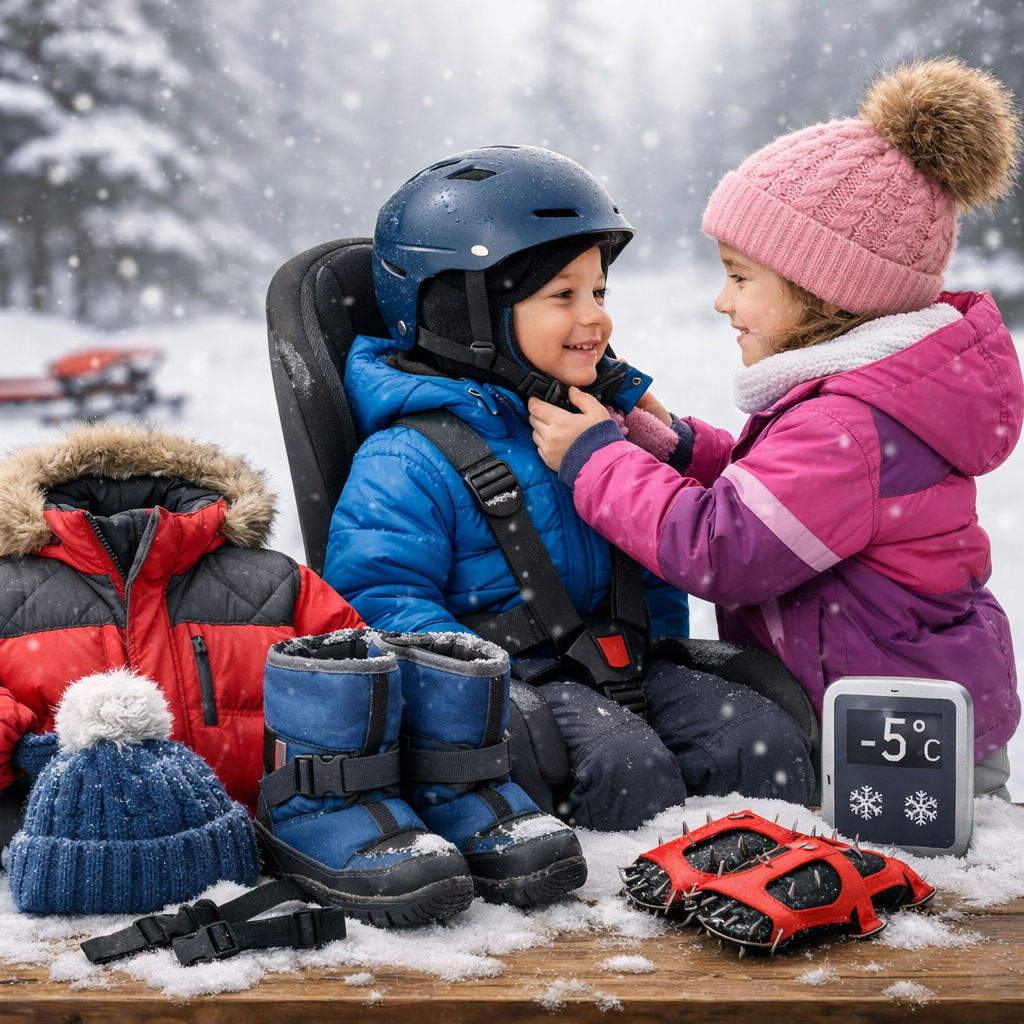
Visibility should not depend on one item alone. A child may remove a coat at school, wear a backpack over reflective material, or crouch behind a snowbank. Try to build visibility into several items:
- Jacket with reflective features
- Bright hat or helmet cover
- Reflective backpack or bag tag
- Light-coloured snow pants when practical
- Reflective accents on boots or outerwear
For broader prevention guidance, families and schools can review trusted Canadian safety information from Parachute, CCOHS, and the Government of Ontario. For additional workplace and safety education resources, visit OHSE.
Outdoor comfort supports safer decisions and better winter habits
Children who are cold, wet, or uncomfortable may rush, ignore instructions, or make poor choices outdoors. Comfort supports attention, patience, and safer movement on icy ground, near vehicles, and during school routines.
Footwear, fit, and movement
Boots should do more than look warm. They should fit properly, allow safe walking, and provide grip suitable for winter surfaces. Soles with worn tread can increase the risk of slipping on ice or packed snow.
Clothing should also allow children to move naturally. If a coat is too bulky to climb stairs safely, too tight to zip properly, or too long for walking, it may create new hazards. Snow pants that drag, scarves that hang too low, and oversized boots can all affect balance and mobility.
Car seats, school travel, and routine transitions
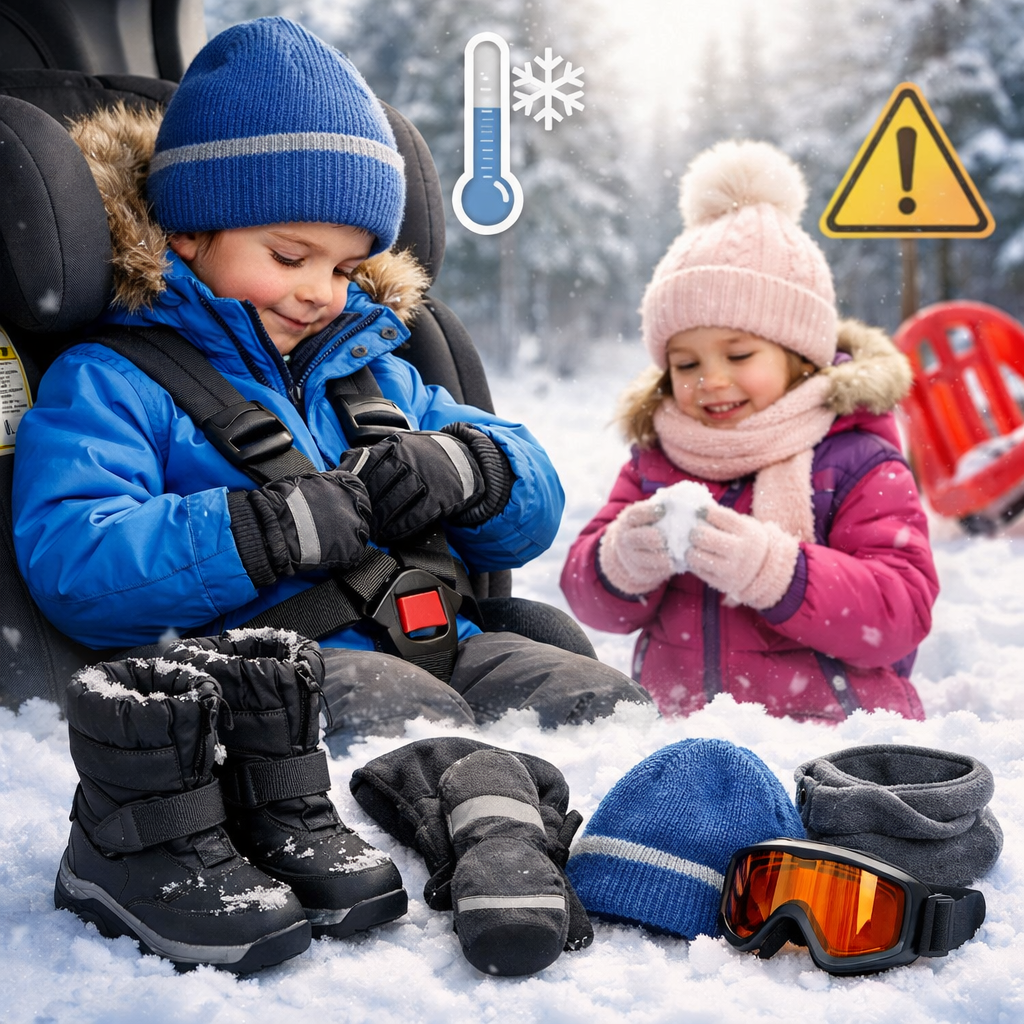
One important part of winter clothing safety for kids is knowing that bulky winter coats may affect harness fit in vehicles. Parents should follow the vehicle and child restraint manufacturer instructions and any local guidance that applies. For school travel, children should also practise safe routines such as brushing snow off boots before entering buses or buildings and storing wet gear where it will not create a slipping hazard.
These small transitions matter. Wet floors in entryways, crowded coat areas, and children carrying large winter items can lead to preventable incidents at school, childcare settings, recreation spaces, and even youth workplaces where older students may help outdoors.
A practical checklist for winter clothing safety for kids
The best winter system is one that families can repeat easily on busy mornings. A short checklist can help reduce forgotten items and improve consistency throughout the season.
Daily winter clothing checklist
- Check the day’s temperature, wind, and precipitation before leaving
- Dress children in layers they can remove or add easily
- Make sure hats, mittens, and boots are dry before use
- Pack backup socks or mittens when possible
- Choose bright or reflective outerwear for low-light conditions
- Confirm boots fit well and still have good tread
- Avoid loose clothing or accessories that may snag during play
- Label winter gear to reduce mix-ups at school or childcare
- Remind children to tell an adult if they feel too cold, wet, or numb
Applying prevention thinking at home and school
A simple safety mindset can help adults make better clothing decisions. In occupational health and safety, prevention starts with identifying hazards and choosing controls. For children in winter, common hazards include cold exposure, wet clothing, low visibility, and slips. Controls may include proper layering, reflective gear, spare clothing, maintained footwear, and school rules for winter outdoor time.
That approach also supports schools, youth programs, and young workers who spend time outside. Staff can reinforce clothing expectations, check conditions, and follow local school, workplace, manufacturer, or emergency guidance where applicable. Families interested in broader safety learning can also explore training resources at learn.ohse.ca.
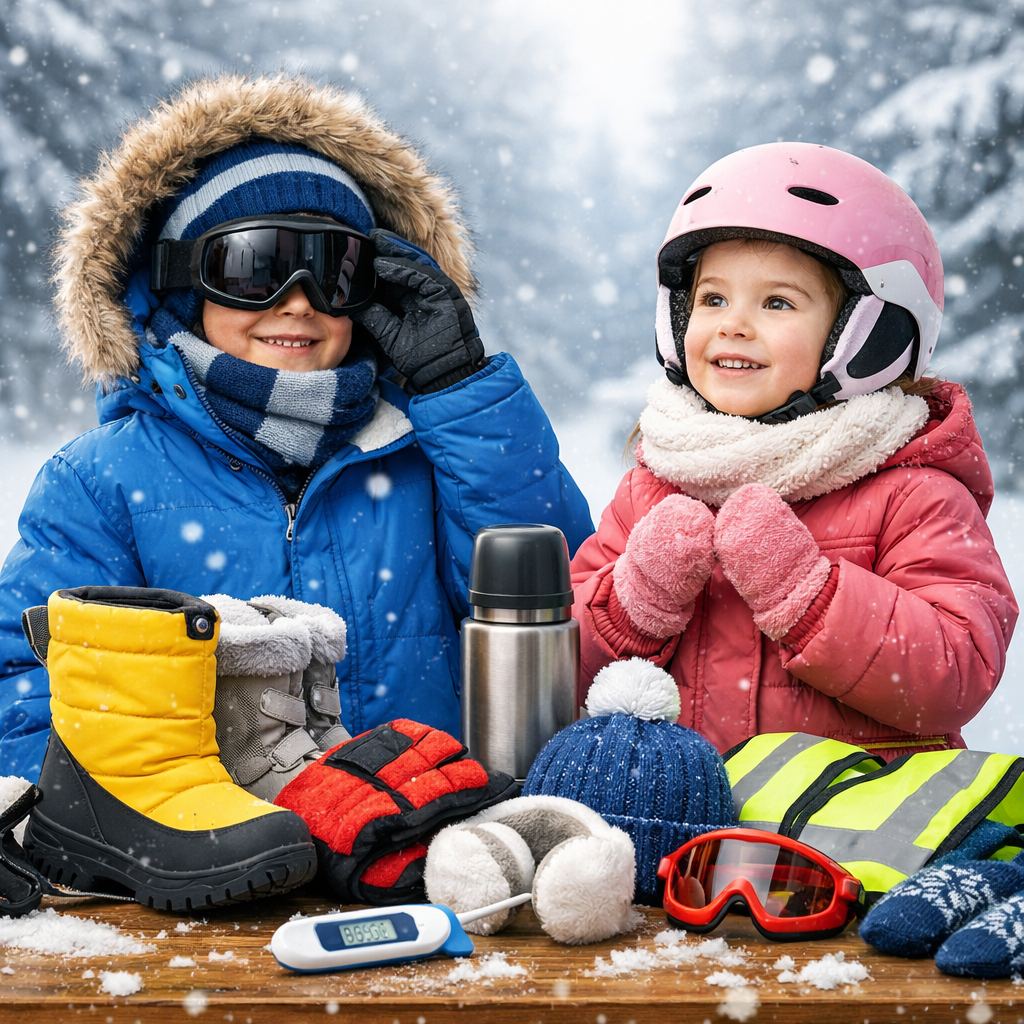
Winter clothing safety for kids is most effective when it is practical, consistent, and easy for children to follow. Smart layers help manage warmth and moisture, visible outerwear helps others see children in darker winter conditions, and comfortable gear supports safer movement and better choices outdoors. By preparing for changing Canadian winter conditions and reviewing clothing regularly through the season, parents, schools, and caregivers can make outdoor time safer, calmer, and more comfortable for children.
No comments yet