
winter driving safety for trucks: Essential OHSE Practices for Safer Cold-Weather Operations

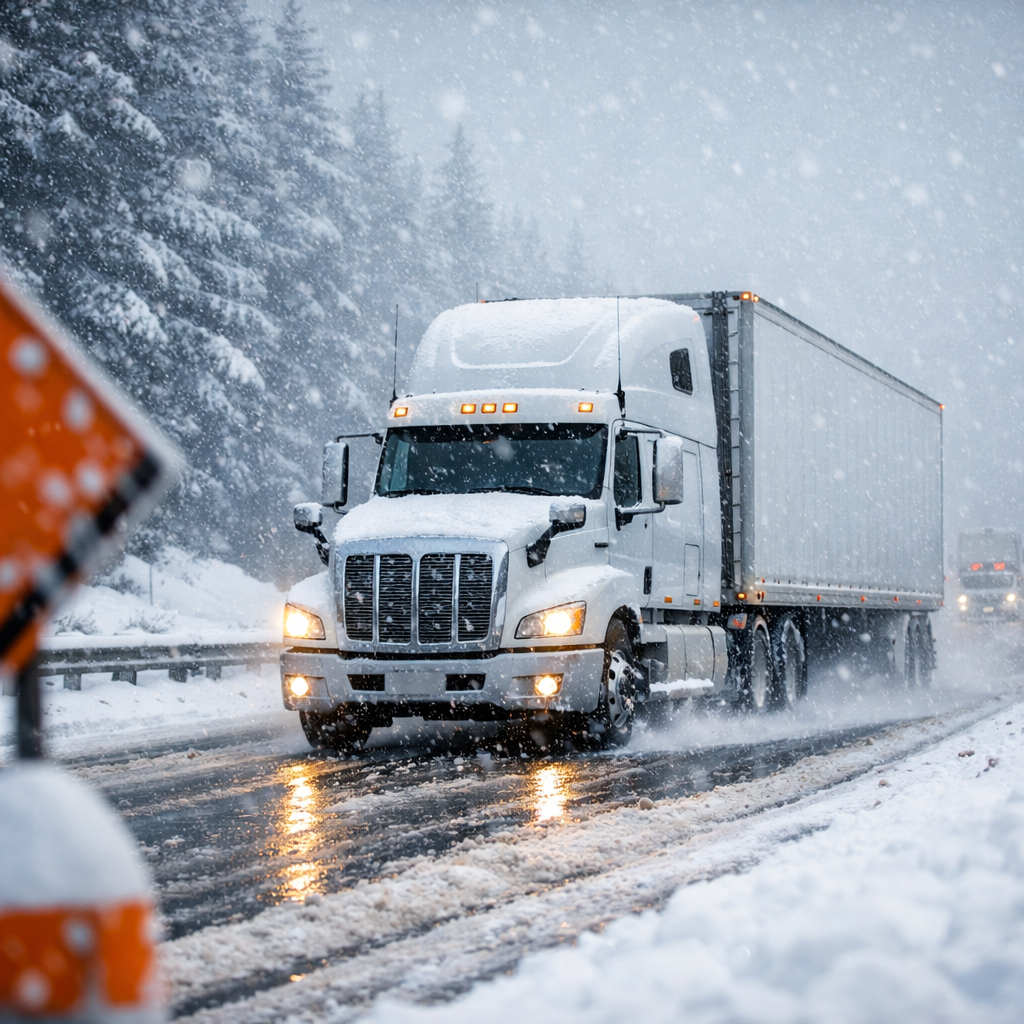
winter driving safety for trucks is a critical OHSE priority for fleets, owner-operators, dispatchers, and site supervisors during cold-weather operations.
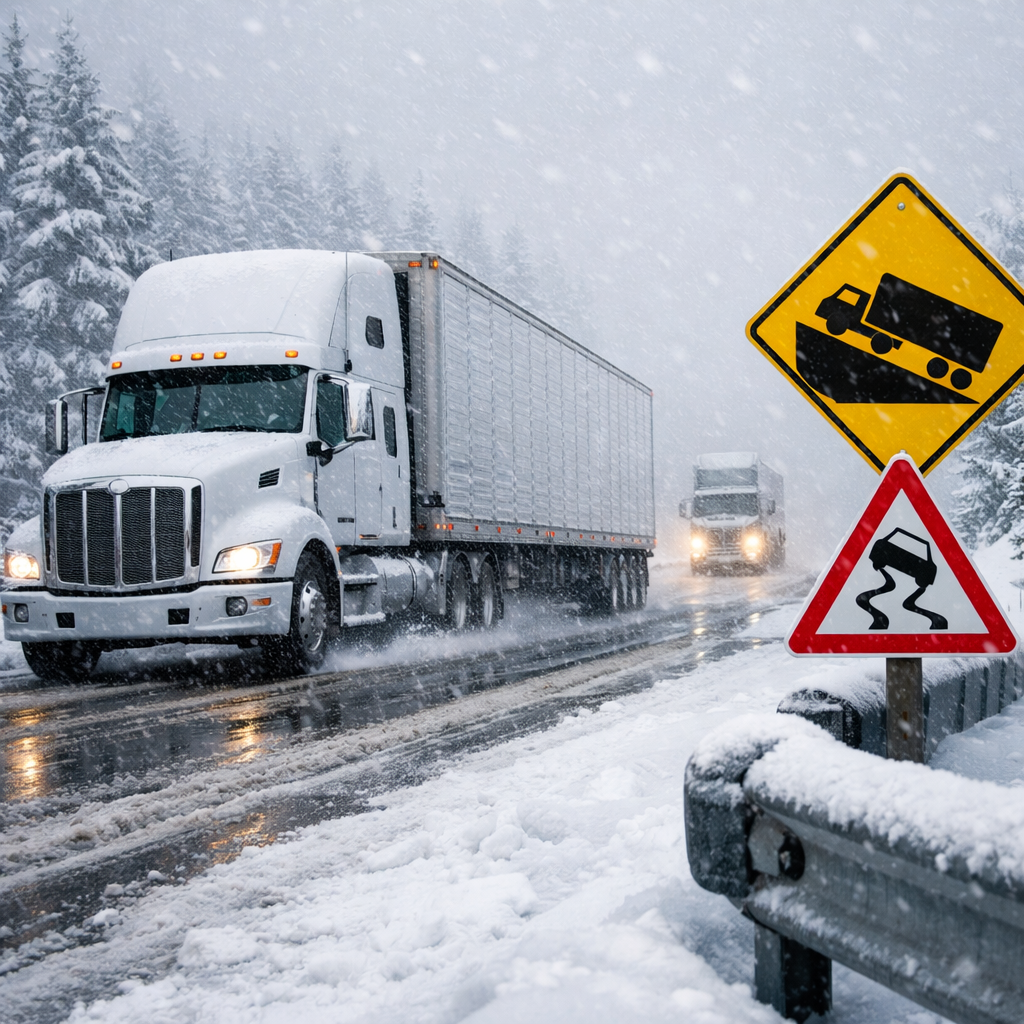
Snow, black ice, freezing rain, low visibility, and extreme temperatures increase the likelihood of collisions, jackknifes, load shifts, mechanical failures, and slip-and-fall injuries during stops and deliveries.
For trucking companies, winter risk management is not only about keeping freight moving. It is also about protecting workers, meeting legal duties, preventing incidents, and ensuring vehicles are fit for hazardous road conditions.
Strong winter planning should combine driver training, vehicle readiness, personal protective equipment, route assessment, emergency preparedness, and clear safety procedures. Guidance from organizations such as CCOHS and OSHA supports employers in building safer transportation operations in harsh environments.
If your company is reviewing seasonal controls, our fleet safety programs and workplace risk assessments can help identify practical improvements before winter conditions worsen.
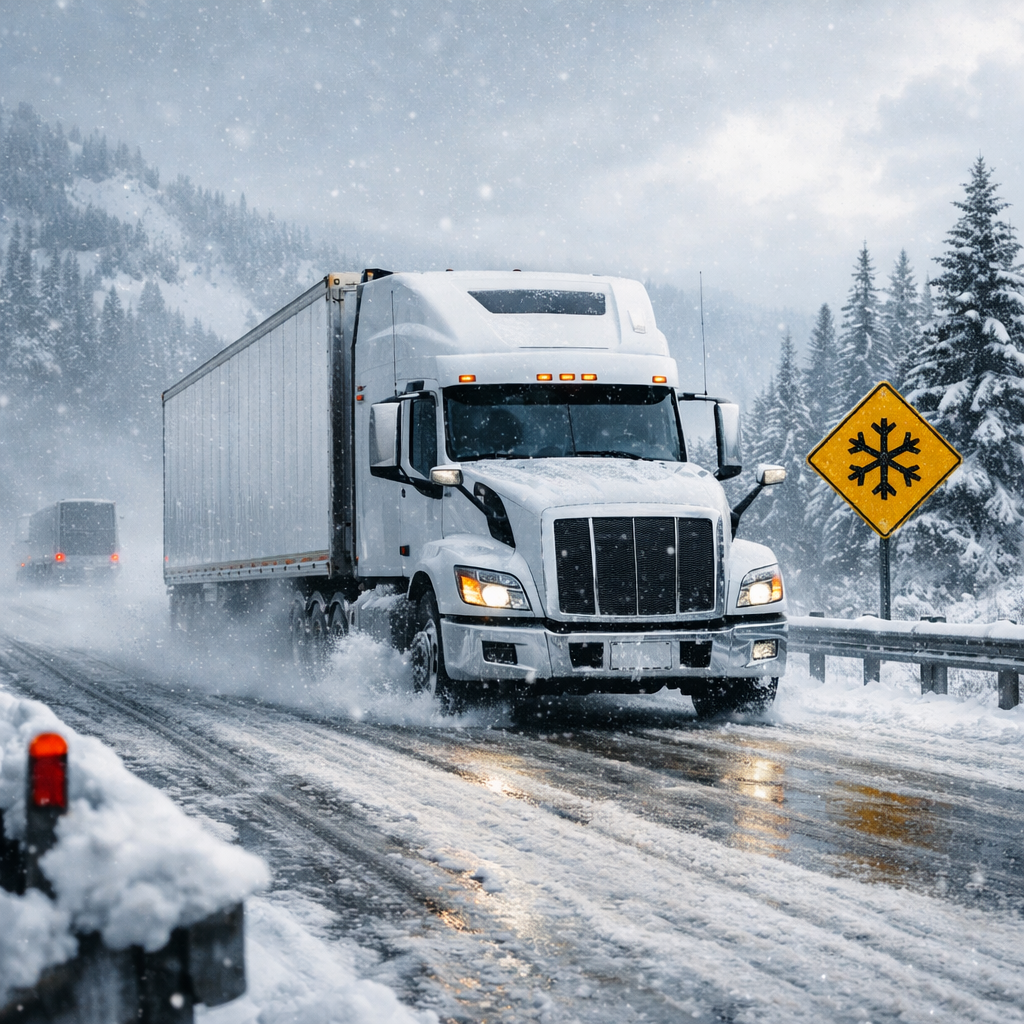
Winter Driving Safety for Trucks: Key Risks on the Road and at the Worksite
Winter hazards affect more than highway travel. They also create serious risks in yards, loading docks, customer sites, fuel stations, rest areas, and roadside breakdown locations.
From an OHSE perspective, employers should assess both driving hazards and related worker exposure during pre-trip checks, cargo securement, chaining tires, opening trailer doors, and walking on icy surfaces.
Common winter hazards for truck operations
- Reduced traction: Snow, slush, and black ice increase stopping distance and reduce steering control.
- Poor visibility: Blowing snow, fog, dirty windshields, and early darkness make it harder to detect vehicles, pedestrians, and hazards.
- Mechanical stress: Cold temperatures affect batteries, air brake performance, tires, hoses, fluids, and diesel fuel flow.
- Driver fatigue: Winter travel is mentally demanding and can increase strain, slower reaction times, and poor decision-making.
- Slip, trip, and fall incidents: Icy steps, catwalks, docks, and parking areas create injury risks during inspections and deliveries.
- Load and trailer hazards: Frozen tie-downs, shifting cargo, ice buildup, and difficult trailer handling can contribute to incidents.
- Emergency exposure: A breakdown in severe cold can quickly become a life-threatening situation if workers are unprepared.
A practical example is a driver arriving at a warehouse after overnight freezing rain. Even if the road trip itself is uneventful, the driver may still face icy stairs, frozen trailer latches, reduced footing while checking load straps, and limited visibility from snow-covered mirrors.
This is why winter driving safety for trucks must be treated as a complete work activity, not just a road safety issue.
Prevention Measures and the Hierarchy of Controls
The most effective winter safety programs use the Hierarchy of Controls to reduce risk systematically. While winter weather cannot be eliminated, exposure can often be reduced through planning, engineering improvements, administrative controls, and appropriate PPE.
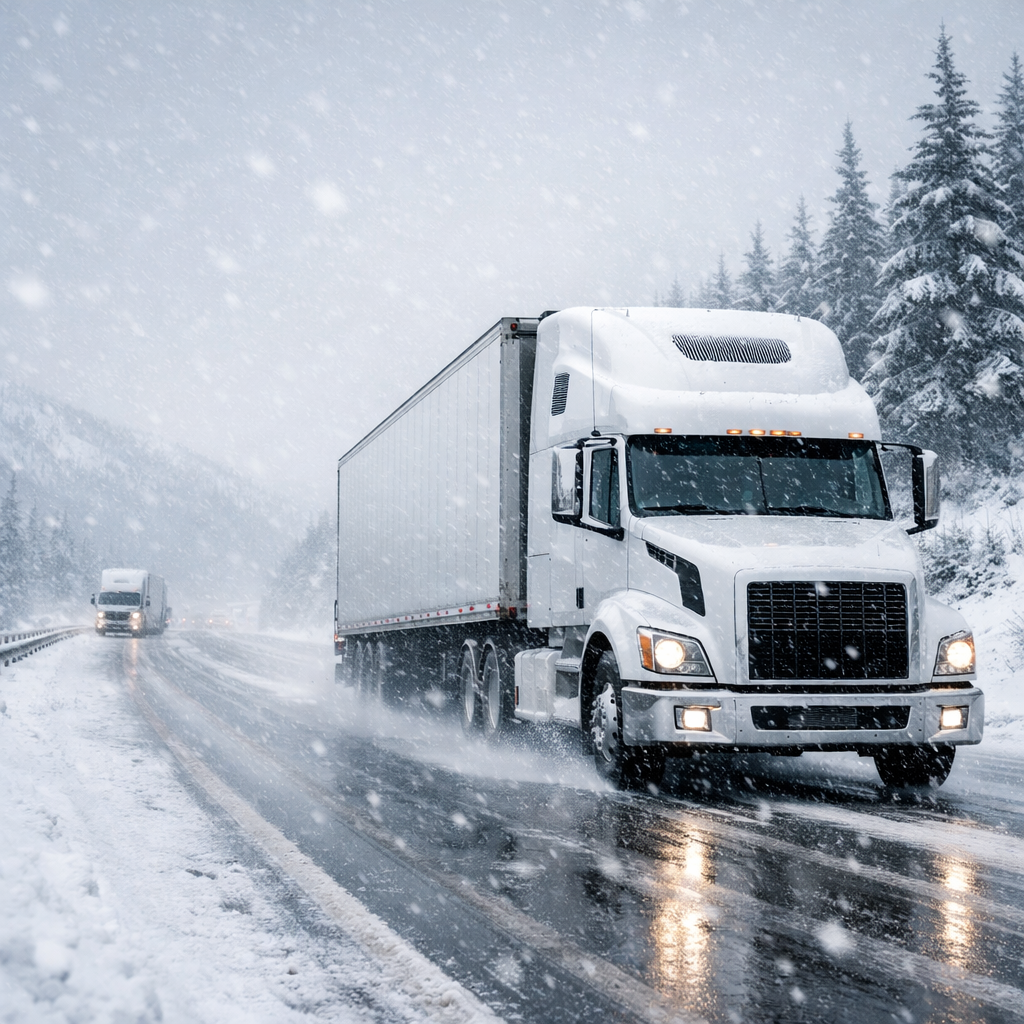
Applying the hierarchy in truck winter operations
Elimination and substitution may include postponing non-essential trips, changing delivery schedules to daylight hours, or rerouting away from mountain passes and untreated secondary roads during storms.
Engineering controls include winter tires where permitted and appropriate, tire pressure monitoring, heated mirrors, functioning defrosters, high-quality wiper systems, traction aids, well-maintained lighting, and anti-lock braking systems.
Administrative controls are especially important. These include winter driving policies, weather monitoring, journey management, mandatory pre-trip inspections, fatigue rules, communication check-ins, reduced speed expectations, and stop-work authority during severe conditions.
PPE protects workers when exposure remains. For truck drivers, that often includes insulated high-visibility outerwear, waterproof gloves, slip-resistant winter boots, layered cold-weather clothing, and head protection suitable for loading yards and customer facilities.
Practical prevention steps before and during a trip
- Inspect tires for tread depth, inflation, and signs of damage.
- Check brakes, airlines, lights, battery condition, heater, defroster, and windshield washers.
- Clear all snow and ice from windows, mirrors, lights, steps, and trailer surfaces.
- Confirm load securement devices are accessible and functioning in cold conditions.
- Review weather, road advisories, chain requirements, and alternate routes before dispatch.
- Carry emergency supplies, including food, water, blankets, flashlight, charger, shovel, and traction material.
- Increase following distance and brake earlier than usual.
- Avoid abrupt steering, acceleration, or braking on snow and ice.
- Pull over safely when visibility becomes unacceptable.
A simple but effective control is adjusting schedules to allow slower travel. When drivers are pressured to “make up time,” the chance of speeding, harsh braking, and unsafe overtaking rises sharply in winter conditions.
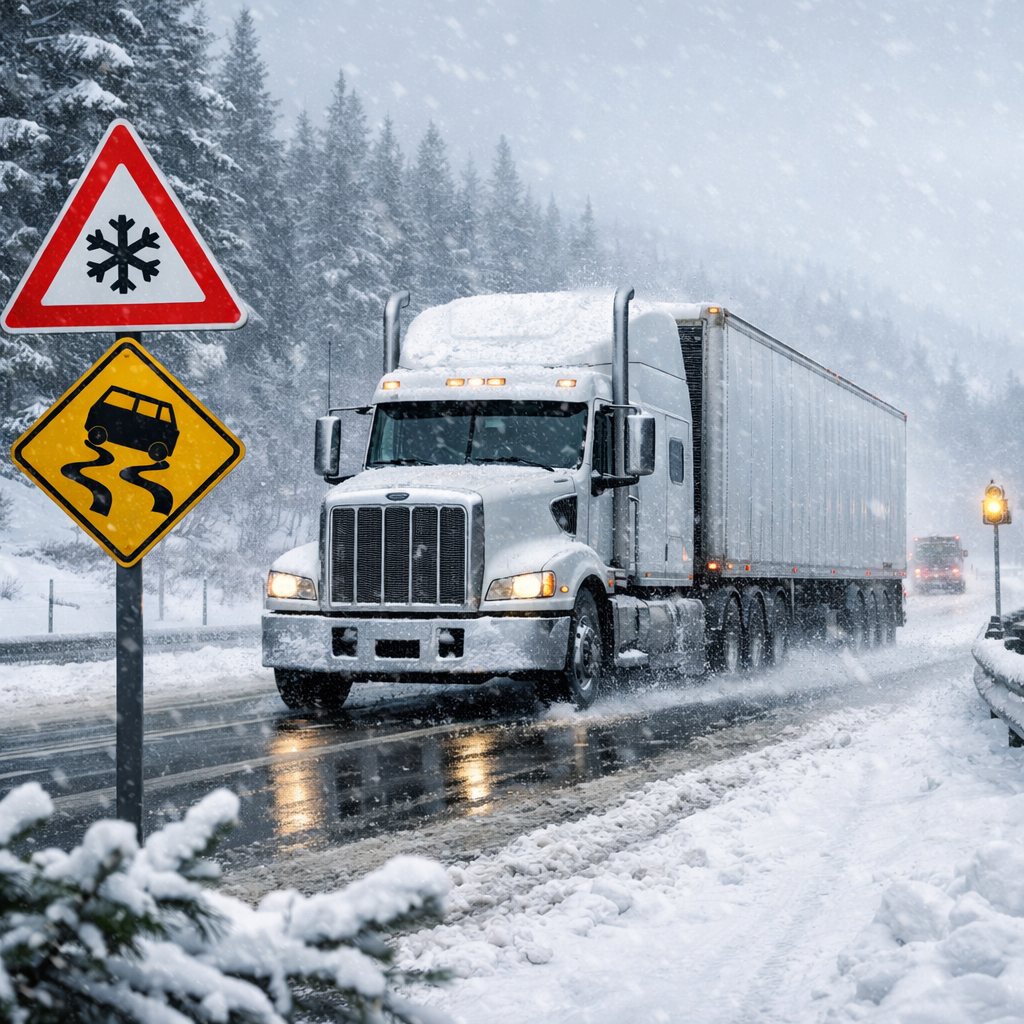
For useful seasonal driving guidance, the NHTSA winter driving tips resource can support internal safety talks and toolbox meetings.
PPE, Driver Readiness, and Safe Winter Work Practices
PPE is often overlooked in trucking because the work is seen mainly as seated driving. In reality, drivers regularly leave the cab to inspect equipment, fuel vehicles, secure cargo, open trailer doors, and walk through slippery yards.
OHSE programs should clearly define what drivers must wear and carry during winter months, especially for long-haul trips and remote routes.
Recommended winter PPE for truck drivers
| PPE item | Purpose | Winter safety benefit |
|---|---|---|
| High-visibility insulated jacket | Improves visibility and warmth | Helps drivers remain seen in dark, snowy, or stormy conditions |
| Slip-resistant insulated boots | Protects feet and improves grip | Reduces falls on icy steps, catwalks, and loading areas |
| Waterproof thermal gloves | Maintains dexterity and warmth | Supports safe handling of straps, doors, and tools in freezing weather |
| Layered cold-weather clothing | Supports body temperature control | Lowers risk of cold stress during breakdowns or outdoor tasks |
| Winter headwear or hard-hat liner | Protects against heat loss | Improves comfort and reduces cold exposure at worksites |
Training is equally important. Drivers should know how to recognize early signs of cold stress, frostbite risk, reduced tire traction, and fatigue-related impairment.
They should also understand how winter affects stopping distance, bridge icing, trailer swing, and air brake response times.
Consider a real-world example: a driver exits the truck at a customer site wearing running shoes instead of winter boots. While stepping onto an icy dock plate, they slip, twist a knee, and cannot complete the delivery. This incident is preventable through PPE rules, supervision, and seasonal safety reminders.
When discussing winter driving safety for trucks in meetings, include these non-driving tasks because many winter injuries occur when the vehicle is parked.
Compliance, Inspections, and Practical OHSE Examples
Employers have a duty to provide safe work procedures, training, proper equipment, and hazard information relevant to winter conditions. Depending on jurisdiction, requirements may come from transportation regulations, occupational health and safety laws, and company due diligence obligations.
Documentation matters. Seasonal inspection records, preventive maintenance logs, driver competency training, incident reports, and weather-based dispatch decisions all help demonstrate a responsible OHSE approach.
Compliance areas to review each winter
- Pre-trip and post-trip inspection procedures
- Preventive maintenance schedules for winter-critical systems
- Fatigue management and hours-of-service compliance
- Emergency response plans for breakdowns and stranded drivers
- PPE requirements and issue records
- Slip-and-fall controls in yards and loading areas
- Driver training on winter hazards and defensive driving
- Supervisor authority to delay or suspend travel in severe weather
A practical OHSE example is a fleet operating in northern regions that creates a winter escalation policy. Green means normal winter travel with caution, yellow means restricted speed and mandatory check-ins, and red means non-essential trips are suspended. This type of administrative control can reduce incident exposure significantly.
Another example is requiring drivers to photograph cleared lights, license plates, and trailer roofs before departure after heavy snowfall. This improves accountability and reduces the risk of ice or snow dislodging onto other vehicles.
Winter incident investigations should also go beyond driver error. If a crash or injury occurs, examine scheduling pressure, maintenance condition, weather intelligence, route planning, and PPE availability. In many cases, underlying system failures contribute as much as individual actions.
winter driving safety for trucks should be built into the company’s OHSE culture through regular toolbox talks, seasonal audits, supervisor coaching, and practical field verification. When businesses combine risk assessment, prevention controls, PPE, and compliance checks, they protect drivers and the public while maintaining safer operations throughout the cold season.
No comments yet