
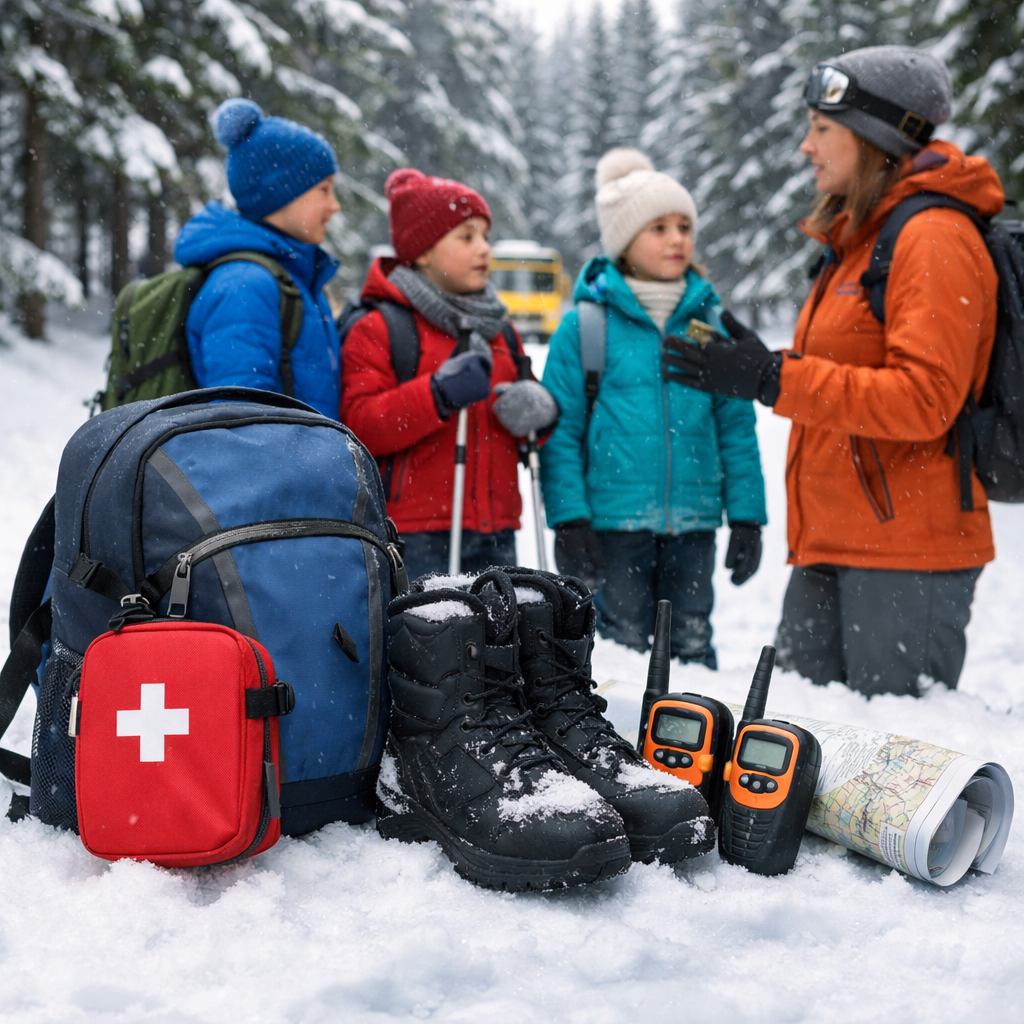

Winter field trip safety starts long before students step onto a bus or lace up winter boots. In Ontario and across Canada, cold temperatures, snow, ice, shorter daylight hours, and changing road conditions can turn a simple outing into a higher-risk activity if schools and families are not prepared.
Good planning does not mean avoiding winter trips altogether. It means choosing suitable activities, checking conditions, preparing students for the environment, and making sure staff, volunteers, and families understand their roles. Whether the trip is to a museum, conservation area, skating venue, ski hill, outdoor education site, or community workplace, the goal is the same: keep students safe, comfortable, supervised, and ready to learn.
Winter field trip safety begins with practical pre-trip planning
The most effective safety step is a careful risk assessment before the trip is approved. School staff should review the destination, weather exposure, travel time, supervision needs, site hazards, washroom access, accessibility needs, and how students will move between indoor and outdoor areas.
In a Canadian school context, winter planning should also consider local school board procedures, transportation policies, parent consent requirements, and emergency communication methods. Resources from CCOHS, the Government of Ontario, and Parachute can support general safety planning and prevention-focused decision-making.
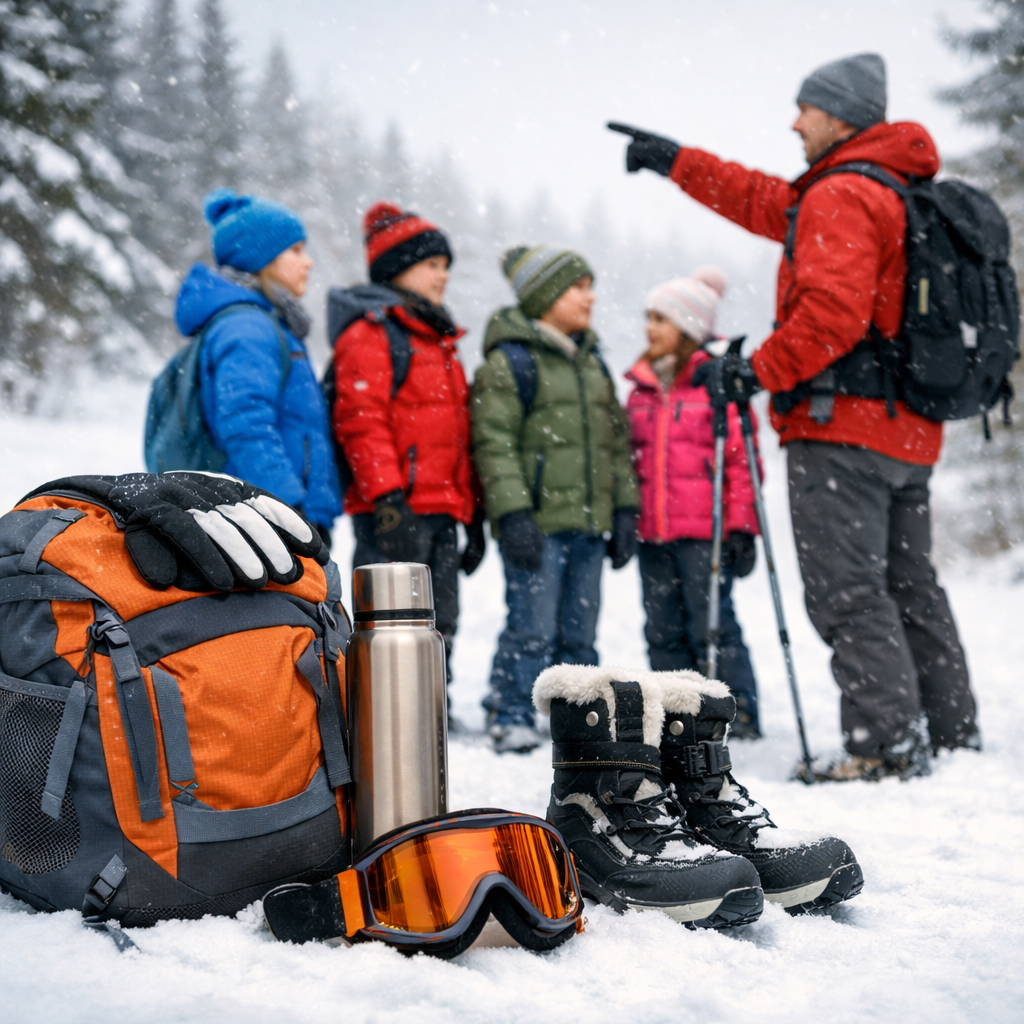
Use a simple hierarchy of controls approach
Applying the hierarchy of controls can help schools make better decisions:
- Elimination: Cancel or postpone the trip if extreme cold, freezing rain, heavy snowfall, or unsafe roads create unacceptable risk.
- Substitution: Replace a fully outdoor activity with an indoor option or shorten outdoor exposure periods.
- Engineering controls: Choose destinations with heated indoor shelter, marked walking routes, handrails, lighting, and maintained surfaces.
- Administrative controls: Set supervision ratios, buddy systems, head counts, arrival/departure procedures, and scheduled warm-up breaks.
- Personal protective equipment and clothing: Require proper winter clothing, helmets where needed, and activity-specific gear.
This approach is especially useful when trips involve physical activity, outdoor walking, ice surfaces, wildlife areas, or transportation in changing winter weather. Schools looking to strengthen prevention culture can also explore safety education resources at OHSE.ca and training support through learn.ohse.ca.
Winter field trip safety for transportation, supervision, and site conditions
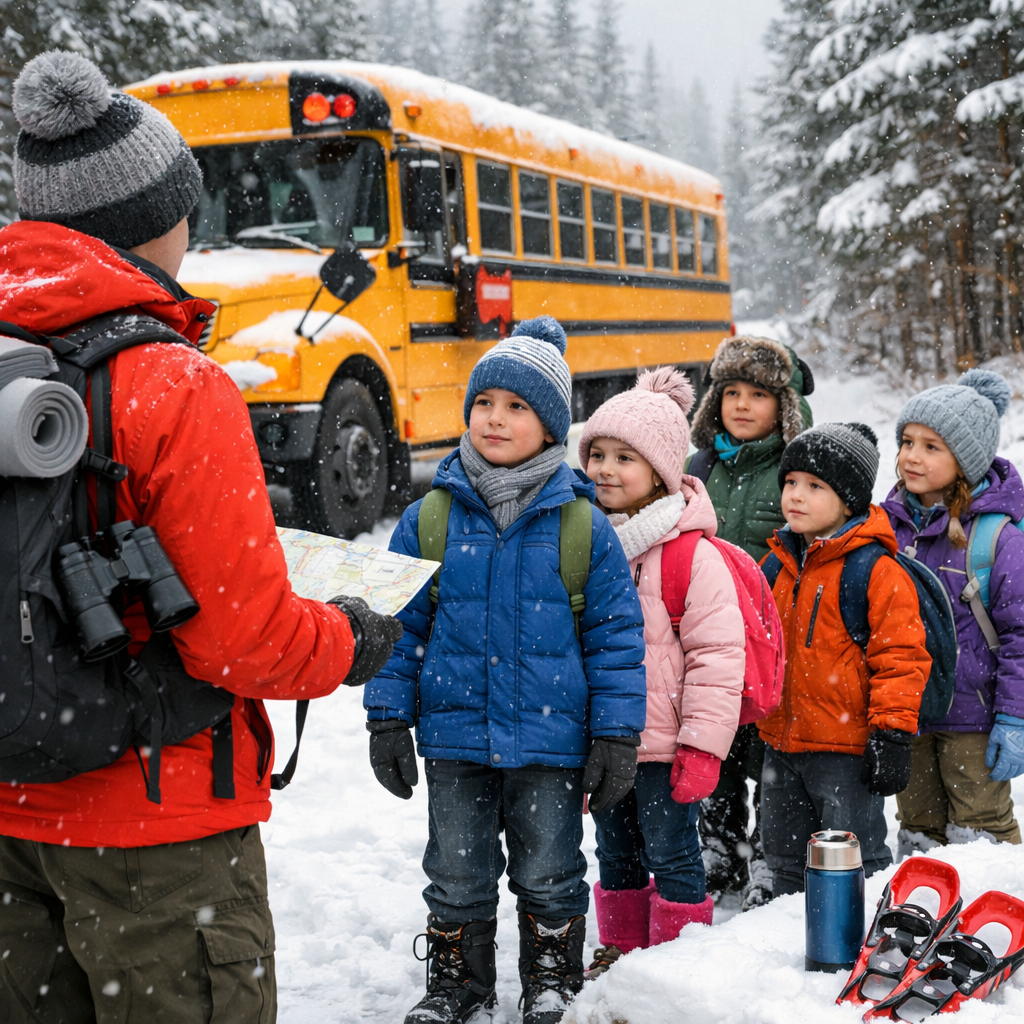
Transportation is one of the most important parts of winter field trip safety. Buses, vans, and passenger vehicles should only be used according to school and board procedures, and drivers should be qualified under those requirements. Departure times may need adjustment to account for slower travel, poor visibility, or icy loading zones.
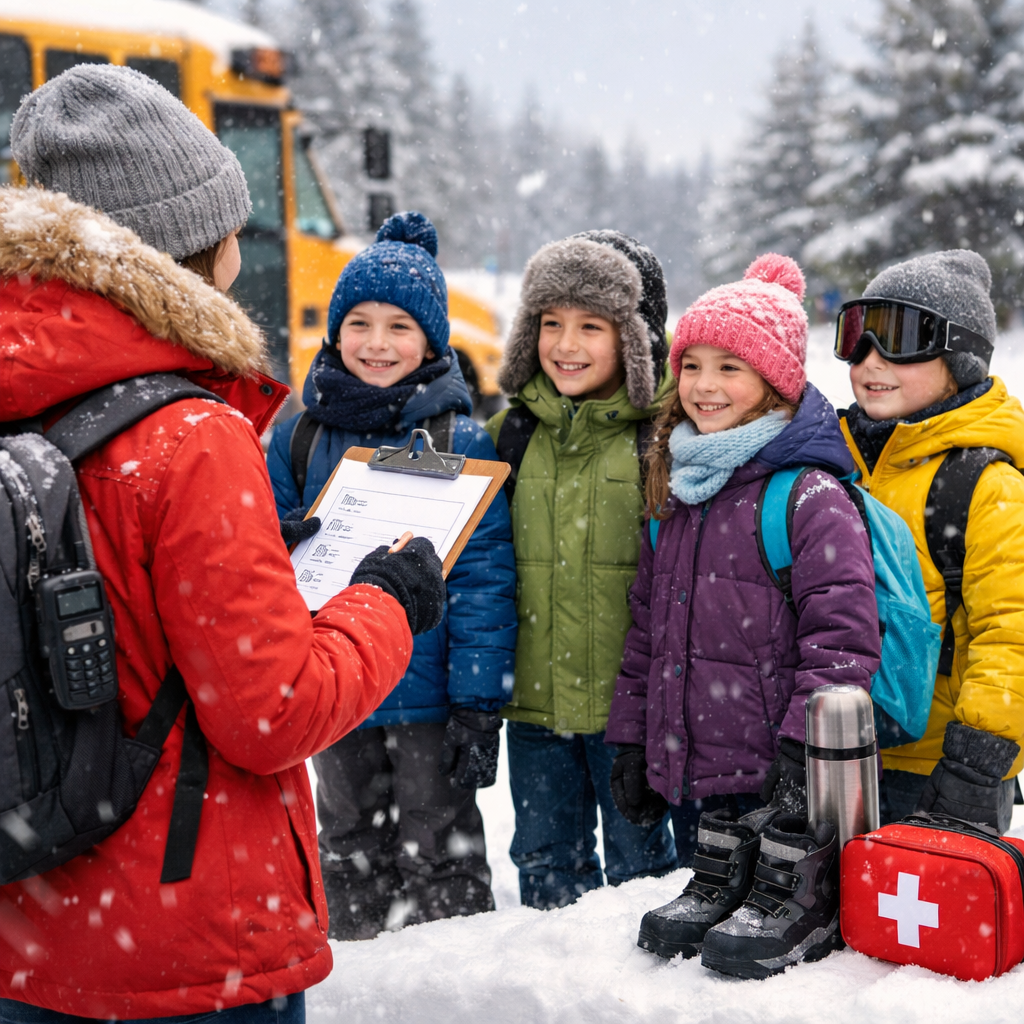
Before leaving, staff should confirm attendance lists, emergency contacts, student medical information as permitted by school policy, and the process for communicating delays or early returns. Students should be told what to do if they become separated from the group, and chaperones should know exactly who they supervise.
Common winter hazards to review
- Icy sidewalks, parking lots, steps, and ramps
- Snowbanks that reduce visibility near roads or loading areas
- Cold stress from underdressing or wet clothing
- Short daylight hours and reduced visibility
- Slips during transitions between buses, sidewalks, and entrances
- Unsafe play near plowed snow, ponds, or traffic routes
- Fatigue, dehydration, or missed meals during long outings
At the destination, staff should identify indoor shelter areas, washrooms, first aid access, and meeting points. If the field trip includes skating, tubing, skiing, snowshoeing, hiking, farm visits, or outdoor learning, the activity area should be reviewed for boundaries, equipment requirements, and site-specific rules before students begin.
| Planning Area | Key Question | Practical Control |
|---|---|---|
| Weather | Are conditions safe for travel and outdoor activity? | Monitor forecasts and postpone if conditions are unsafe. |
| Clothing | Will every student stay warm and dry? | Communicate required winter gear in advance. |
| Supervision | Do adults know their assigned students? | Use lists, buddy systems, and regular head counts. |
| Site hazards | What could cause slips, separation, or cold exposure? | Review routes, shelter locations, and activity boundaries. |
| Emergency readiness | How will the group respond to illness, delay, or closure? | Confirm contacts, first aid process, and return plans. |
Winter field trip safety for clothing, comfort, and student readiness
Proper winter clothing is one of the most reliable controls because many trip problems begin when students are cold, wet, or uncomfortable. Families need clear instructions well before the trip, including what students must wear, what they should bring, and what items are not suitable for the planned activity.
For most winter outings, students should have a warm coat, hat, mittens or gloves, winter boots with grip, and layers that can be adjusted between indoor and outdoor spaces. Extra socks, labelled clothing, and a change of clothes can be helpful for younger children or activities involving snow contact.
What schools should communicate to families
- The destination and whether the activity is mostly indoors, outdoors, or both
- Expected time outside and planned warm-up breaks
- Required winter clothing and activity-specific equipment
- Lunch, snacks, water, and any restrictions
- Medication procedures according to school policy
- Behaviour expectations and safe footwear requirements
Student readiness also matters. Younger students may need direct reminders about staying with a buddy, keeping mittens on, reporting if they feel too cold, and walking instead of running on icy surfaces. Older students may need a clearer discussion of boundaries, safe conduct during free time, and why winter hazards can affect judgment and reaction time.
Where a field trip connects to workplaces or young worker learning, winter conditions should also be treated as a real-world safety topic. Students visiting job sites, training spaces, farms, public works areas, or community facilities can benefit from seeing how seasonal hazards are controlled in practice.
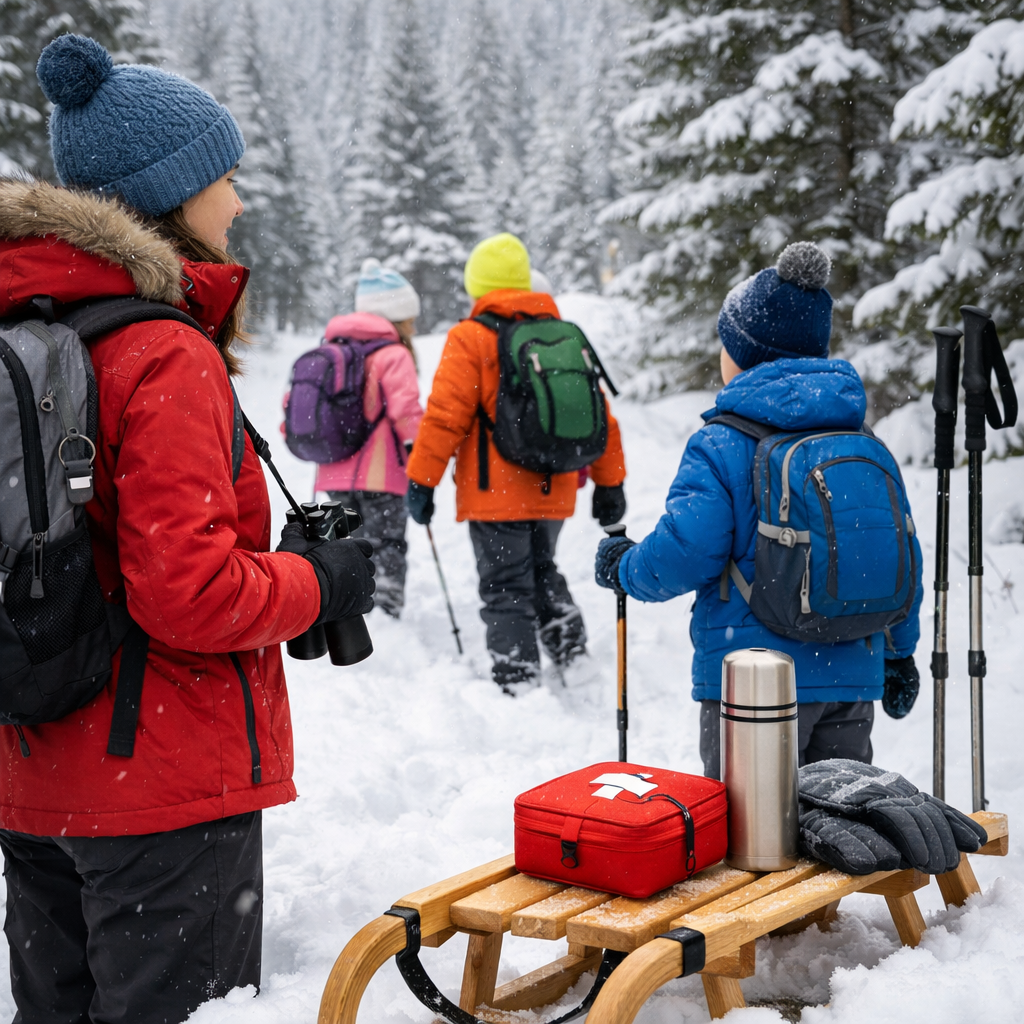
Winter field trip safety checklist for schools and families
A short checklist can keep planning focused and prevent small oversights from becoming larger problems. This is especially helpful for repeat trips, outdoor education programs, and events involving multiple classes.
Actionable checklist
- Confirm the educational purpose and whether winter conditions change the risk level.
- Check weather, road, and site conditions before departure and again on trip day.
- Identify indoor shelter, washrooms, meeting points, and first aid support.
- Review supervision ratios, student lists, and buddy assignments.
- Communicate clothing requirements clearly to families in advance.
- Plan head counts during loading, arrival, transitions, and departure.
- Prepare for delays, early pickup needs, or trip cancellation.
- Remind students about slip hazards, boundaries, and reporting cold or wet clothing.
- Follow local school, destination, transportation, and emergency procedures.
Winter field trip safety is strongest when schools and families work together. Thoughtful planning, suitable clothing, active supervision, and a clear backup plan can make winter outings safer, calmer, and more enjoyable for everyone involved. By reviewing hazards early and using practical controls, Canadian schools can support learning outside the classroom without losing sight of prevention, comfort, and responsibility.
No comments yet