
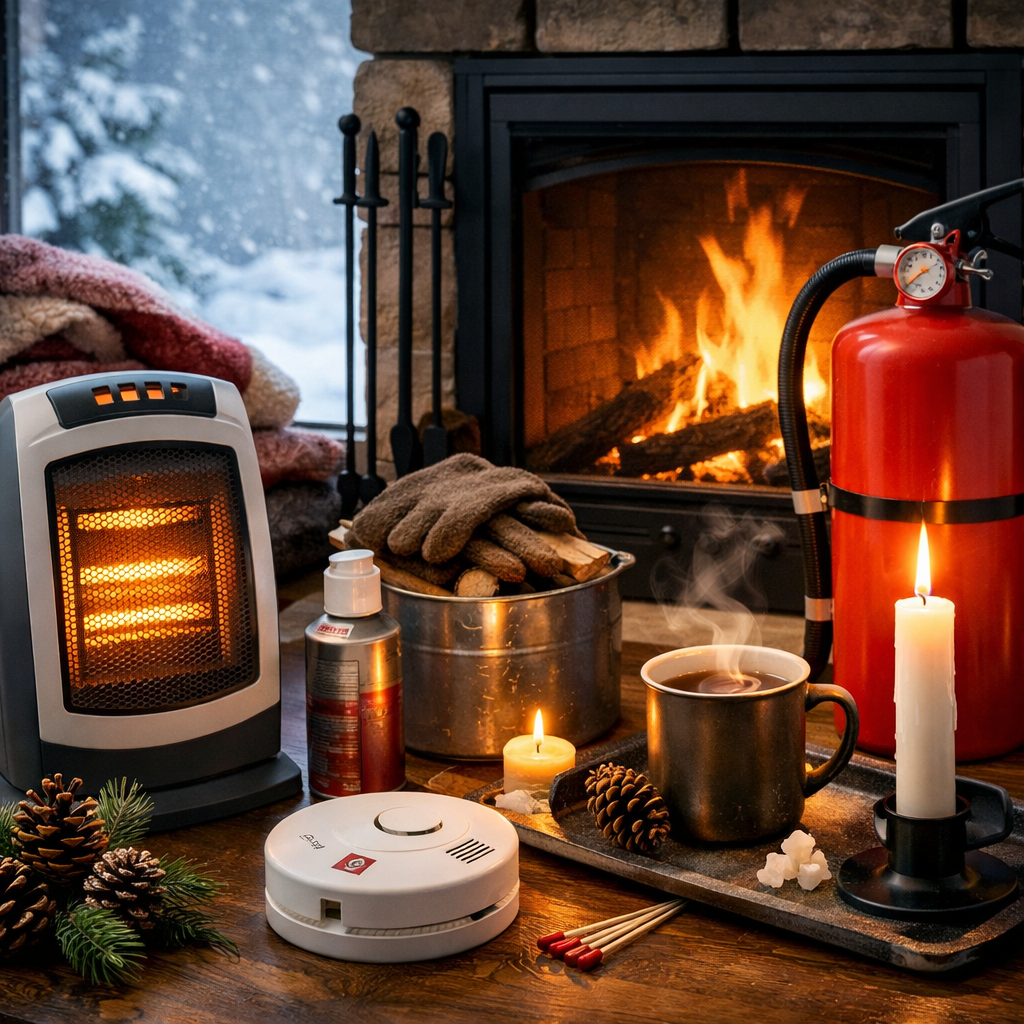

Winter fire safety matters in every Canadian home because cold weather often means more heaters, more lighting, more cooking, and more time indoors. For families, students, and young workers, a safer winter starts with practical habits that reduce fire risk without adding stress to daily life.
In Ontario and across Canada, winter can also bring power outages, icy conditions, and heavy use of extension cords and space heaters. That is why prevention is so important. A few smart checks around heating equipment, electrical devices, and escape planning can make a real difference at home, at school housing, or in a shared rental.
This guide explains the most useful steps for winter fire safety, with a focus on calm, age-appropriate prevention. Always follow local school, workplace, manufacturer, landlord, building, and emergency guidance where applicable.
Winter Fire Safety Starts with Heating Equipment
Heating equipment is a major winter concern because it runs for long periods and often operates close to furniture, blankets, paper, or clothing. Families should begin each season by checking furnaces, fireplaces, vents, and portable heaters for safe condition and correct use.
Space heaters: small device, serious risk
Portable heaters should be placed on a stable, hard surface and kept well away from anything that can burn. That includes curtains, bedding, rugs, upholstered furniture, backpacks, and drying clothing. Never use a heater to dry mittens, socks, or jackets.
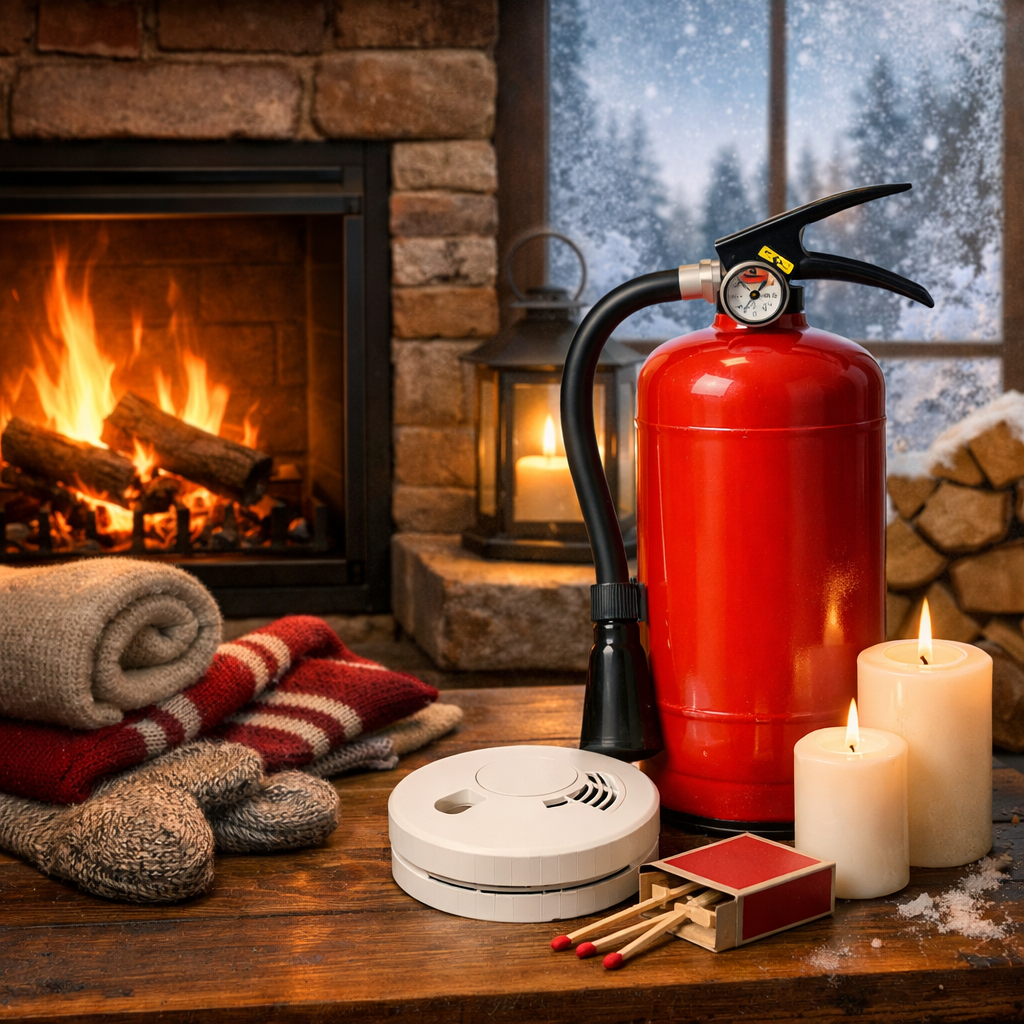
Choose heaters that are used exactly as the manufacturer directs. Do not leave them running in a child’s room overnight unless the product instructions clearly allow that use and the setup is safe. Turn them off when leaving the room or going to sleep.
- Keep heaters clear on all sides.
- Plug them directly into a wall outlet if the manufacturer requires it.
- Do not run cords under carpets or across doorways.
- Keep children and pets from playing near hot surfaces.
- Stop using any heater that smells unusual, sparks, or has a damaged cord.
Fireplaces, wood stoves, and central heating
Wood-burning appliances and fireplaces need regular cleaning and inspection. Ashes should be handled carefully and stored only in a proper metal container away from the house or garage if required by local guidance. Families should also keep the area around a fireplace free of wrapping paper, decorations, and seasonal clutter.
If your home uses a furnace or baseboard heating, keep vents and units unobstructed. Blocking airflow with boxes, toys, boots, or laundry can create overheating hazards and reduce heating efficiency. For broader prevention guidance, families can review resources from the Canadian Centre for Occupational Health and Safety and safety information at Ontario.ca.
Winter Fire Safety and Smart Electrical Habits
Electrical fires become more likely in winter because households often use extra lights, heated blankets, kettles, gaming devices, cooking appliances, and charging equipment at the same time. A safe setup starts with avoiding overload and paying attention to worn or misused equipment.
Prevent overloaded outlets and power bars
One outlet should not be expected to power several high-wattage devices at once. Space heaters, toaster ovens, microwaves, and similar appliances should be used with care and according to instructions. Families should avoid plugging one power bar into another or connecting multiple extension cords together.
Watch for warning signs such as flickering lights, warm plugs, buzzing sounds, or breakers that trip often. These signs can point to an electrical problem that needs attention from a qualified professional.
Safe cords, chargers, and seasonal devices
Cords should never be pinched under furniture, trapped in windows, or run under rugs where damage may go unnoticed. Chargers for phones, tablets, laptops, and e-bikes should be used on hard, open surfaces with airflow around them. Unplug damaged chargers right away.
If families use seasonal lighting, inspect it before installation and turn it off when unattended unless the product is designed and installed for that purpose. Indoor and outdoor products should only be used in the correct location.
| Household item | Safer practice | Avoid |
|---|---|---|
| Space heater | Use on a clear, stable surface | Using with overloaded power bars |
| Phone or laptop charger | Charge on a hard surface with airflow | Charging under pillows or blankets |
| Extension cord | Use temporarily and inspect often | Running under carpets or through doorways |
| Holiday lights | Check condition before use | Using damaged strands or wrong location type |
Practical Winter Fire Safety for Families, Students, and Young Workers
Winter fire safety is not only about equipment. It is also about routines, supervision, and knowing what to do if something goes wrong. This matters for families with children, teens home alone after school, students in residence, and young workers in part-time jobs where heaters, kitchens, or electrical devices are used daily.
Kitchen and laundry awareness in cold weather
Cooking fires can increase in winter when more meals are prepared indoors and busy families multitask. Stay in the kitchen when frying or broiling, keep dish towels and paper away from heat, and turn pot handles inward where children cannot reach them.
Dryers should have lint cleaned regularly, and the area around laundry machines should be kept free from clutter. Never leave appliances running if the manufacturer warns against unattended use.
Use the hierarchy of controls at home and work
A practical safety mindset can borrow from the hierarchy of controls used in workplaces. First, eliminate hazards where possible, such as removing damaged cords or broken heaters. Next, substitute safer options, such as choosing approved heating equipment with automatic shutoff features. Engineering controls include smoke alarms and safe electrical systems. Administrative controls include family rules, supervision, and checklists. Personal behaviour also matters, such as unplugging devices and keeping exits clear.
This approach can help in homes, schools, and workplaces. For general safety learning and prevention resources, families can visit OHSE.ca. If formal safety education is useful for students or young workers, training options may also be available through learn.ohse.ca.
Winter Fire Safety Checklist and Emergency Readiness
The best winter fire safety plans are simple enough to follow every day. A short checklist can help families build habits before the coldest part of the season.
Short actionable checklist
- Test smoke alarms regularly and replace batteries or units as directed.
- Keep space heaters away from anything that can burn.
- Do not overload outlets, extension cords, or power bars.
- Check cords, plugs, and chargers for damage before use.
- Keep exits, hallways, and stairs clear of boots, bags, and winter gear.
- Review a family escape plan and a meeting place.
- Teach children not to hide during a fire and to leave right away when instructed.
- Follow manufacturer instructions for heating and electrical products.
Prepare for outages and changing winter conditions
Power outages can lead people to use candles, portable cooking devices, or alternate heaters in unsafe ways. Battery-powered lighting is generally a safer choice than open flames. If backup heating or power equipment is used, follow all manufacturer guidance and building rules. In apartments, rentals, schools, and workplaces, residents and staff should follow site-specific emergency procedures.
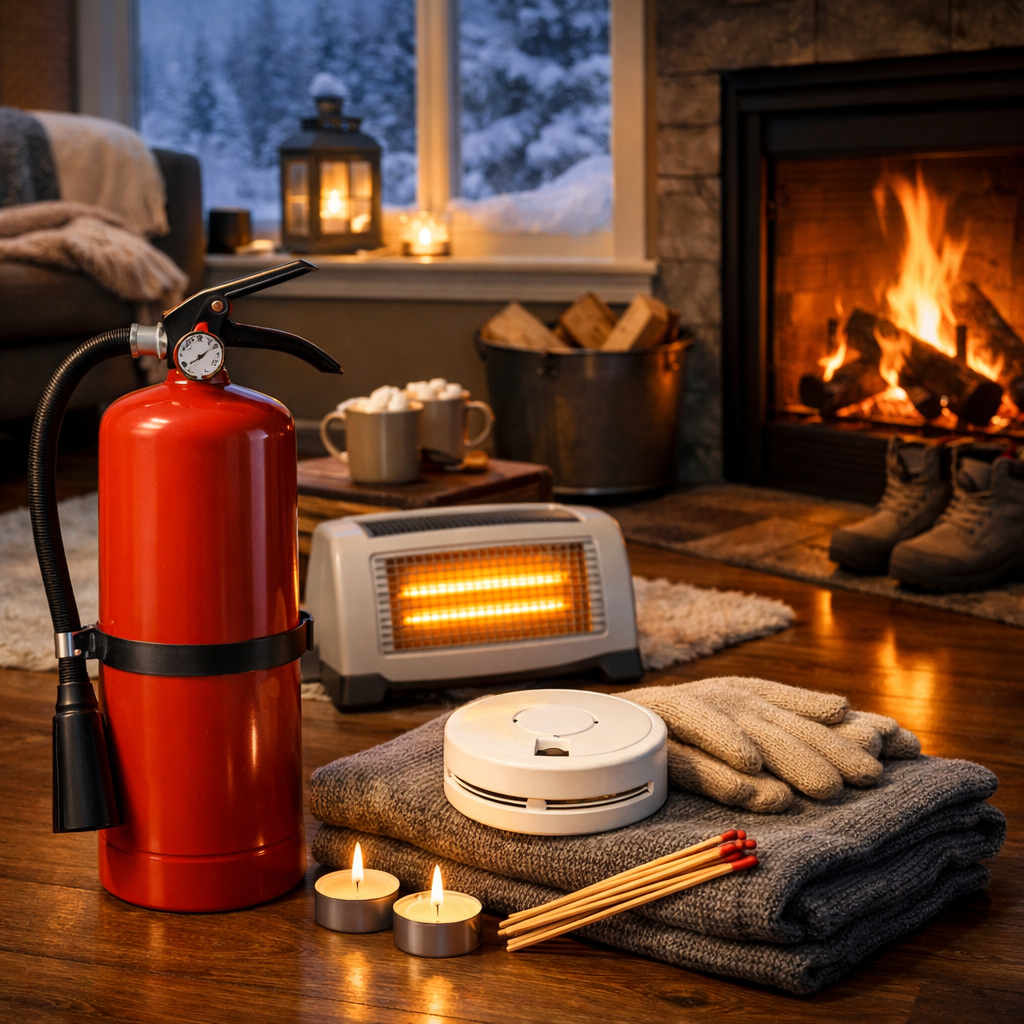
Families can also review broader home safety advice from Health Canada and injury prevention information from Parachute. Where local rules, school policies, or workplace procedures differ, follow those instructions first.
Winter fire safety is really about steady prevention: safe heating, careful electrical use, clear exits, working alarms, and calm routines that everyone understands. By taking practical steps now, families can reduce avoidable risks and make the winter season safer, warmer, and more manageable at home, at school, and at work.
No comments yet