
PPE Program Basics for Stronger Workplace Protection
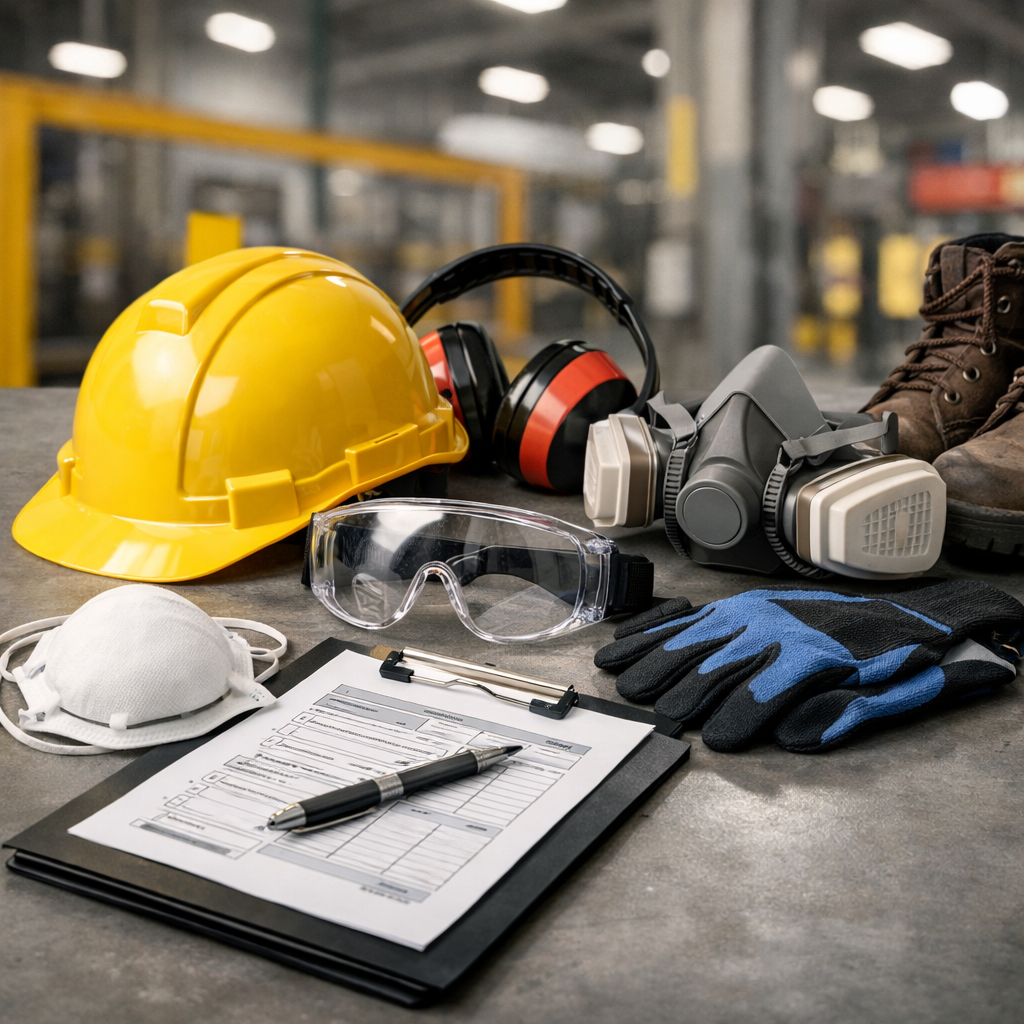
PPE program basics are the foundation of a safer workplace because they help employers choose the right protective equipment, make sure it fits, keep it in good condition, and confirm workers know how to use it correctly.
Whether the job involves construction, manufacturing, warehousing, labs, or maintenance work, a clear PPE program reduces injuries and supports compliance with health and safety expectations. PPE should never be treated as an afterthought. It works best when it is part of a larger safety system that includes hazard assessments, training, supervision, and consistent enforcement.
Why PPE program basics matter in daily operations
Personal protective equipment is designed to protect workers from hazards that cannot be fully removed by other means. That includes risks such as flying particles, chemical splashes, loud noise, falling objects, cuts, respiratory exposure, and foot injuries.
Still, PPE is not the first line of defense. Under the Hierarchy of Controls, employers should first try to eliminate the hazard, substitute safer materials or processes, install engineering controls, and use administrative controls. PPE comes after those measures, adding another layer of protection when exposure remains.
For example, a facility may install machine guarding and ventilation systems, rotate tasks to reduce exposure time, and then require gloves, hearing protection, and safety glasses for added protection. This practical approach aligns with guidance from organizations such as OSHA and CCOHS.
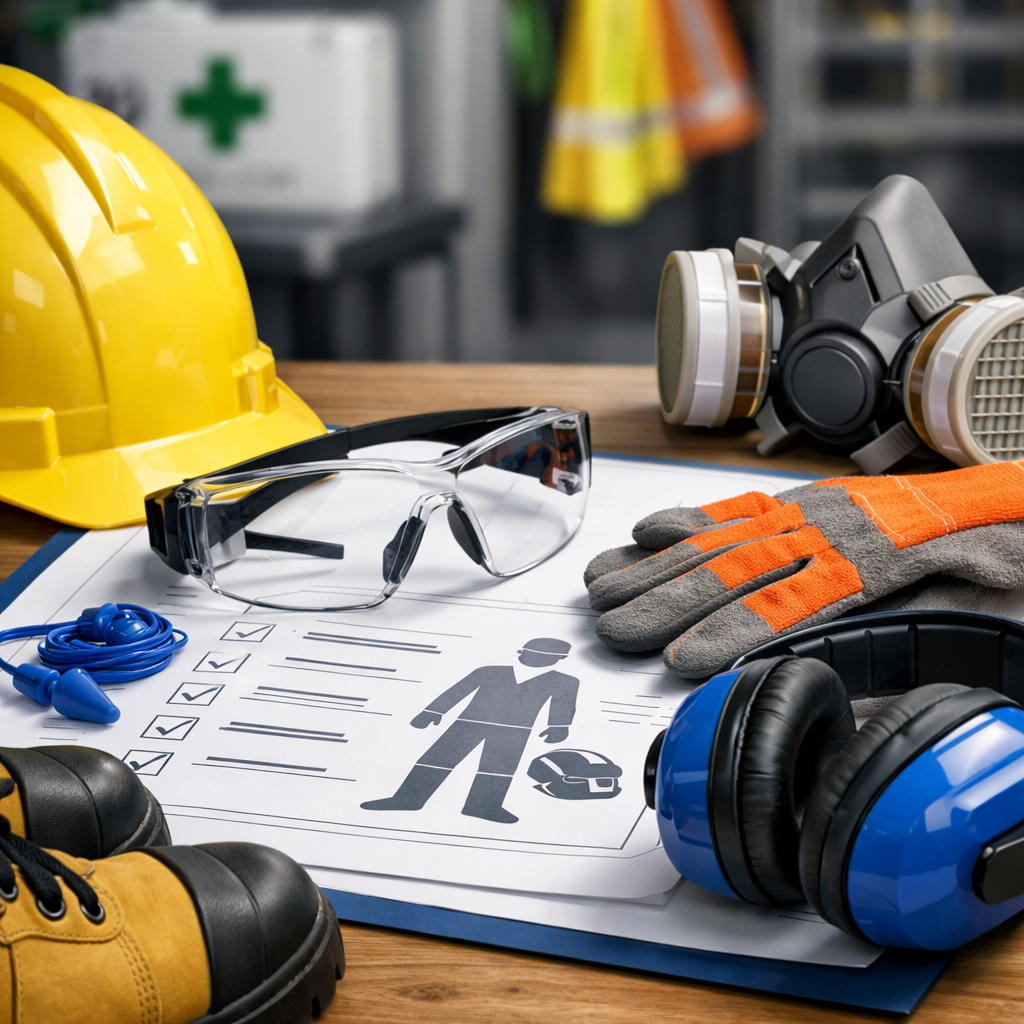
Strong PPE program basics also improve consistency. Workers know what is required, supervisors know what to check, and safety teams have a clear process for identifying gaps. That consistency can lower incident rates, reduce downtime, and strengthen the overall safety culture.
PPE program basics for proper selection
Start with a hazard assessment
The first step in choosing PPE is understanding the actual hazards of the work. A hazard assessment should look at each task, the work area, tools used, exposure duration, and who may be affected. The goal is to match the protective equipment to the real risk rather than choosing equipment based on habit or guesswork.
Plain language matters here. If workers handle corrosive chemicals, they may need splash goggles, face shields, chemical-resistant gloves, and aprons. If they work around forklifts and moving vehicles, high-visibility clothing may be required. If they are exposed to high noise levels, properly rated hearing protection is essential.
Choose PPE by task and exposure
Selection should consider the type of hazard, the level of protection needed, and any limits of the equipment. One glove does not protect against every chemical. One respirator does not fit every airborne hazard. One pair of boots may be ideal for impact protection but not for electrical hazards or slip resistance.
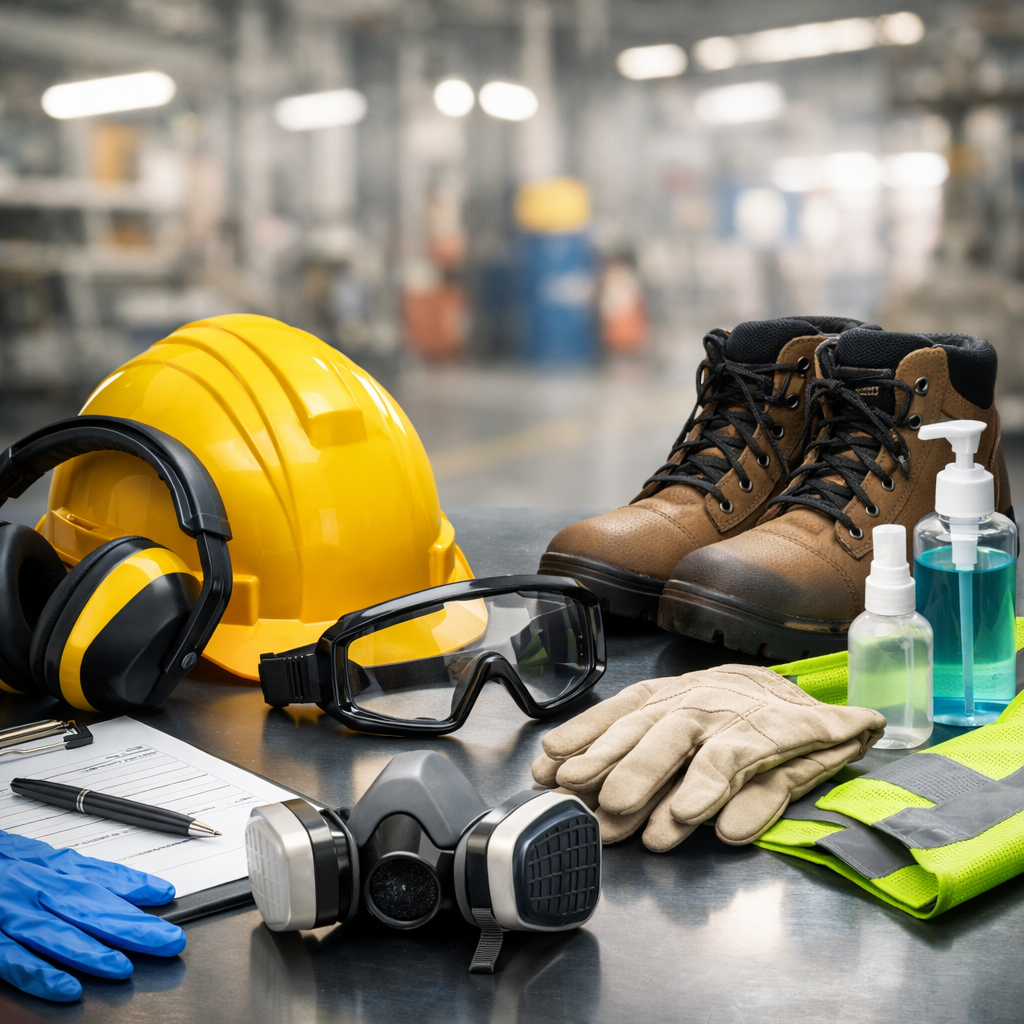
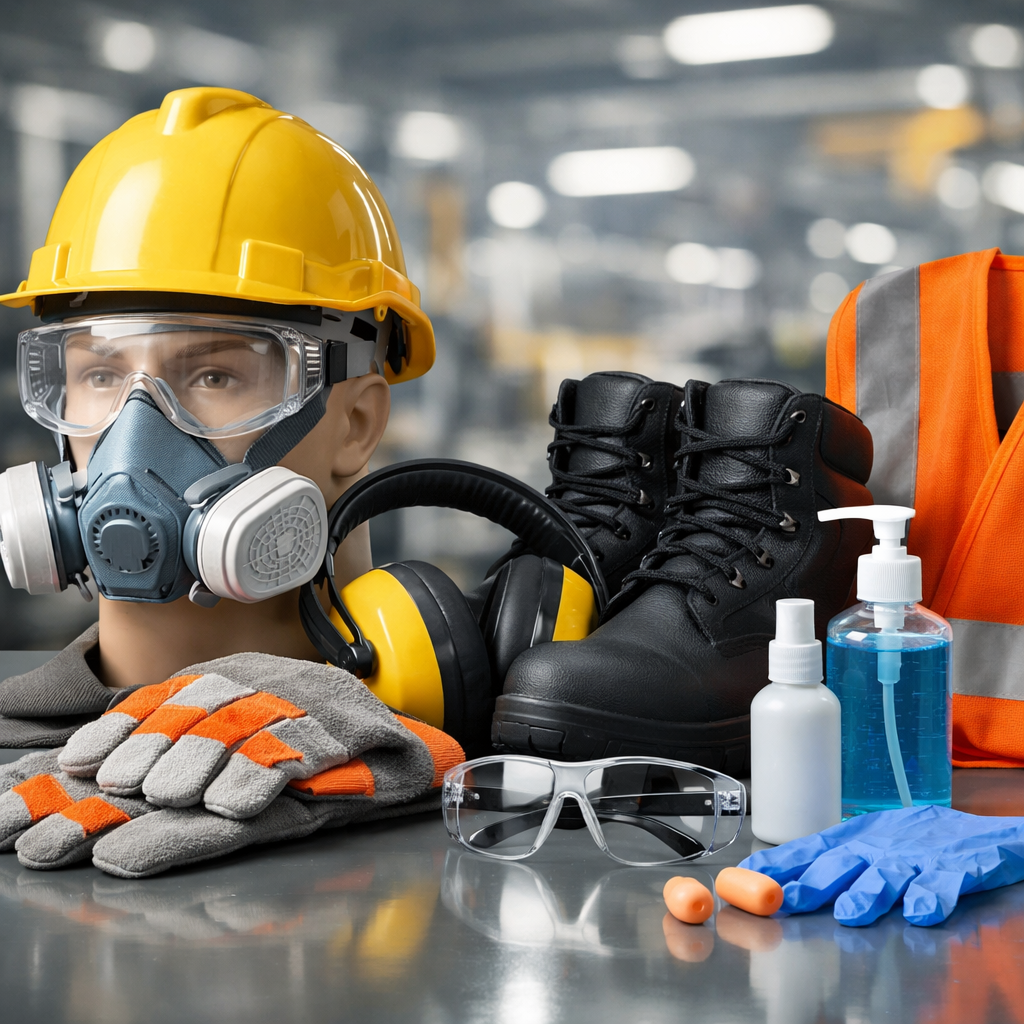
- Head protection: hard hats for impact and falling-object hazards
- Eye and face protection: safety glasses, goggles, or face shields for particles, sparks, or splashes
- Hand protection: gloves matched to cut, heat, chemical, or abrasion risks
- Foot protection: safety footwear for crush, puncture, slip, or electrical risks
- Hearing protection: earplugs or earmuffs where noise exceeds safe limits
- Respiratory protection: respirators selected by hazard type and exposure level
When building PPE program basics into your procedures, it helps to document required PPE by role or task. A simple reference chart in work areas can reduce confusion. Internal resources such as your safety training program or hazard assessment checklist can support this process.
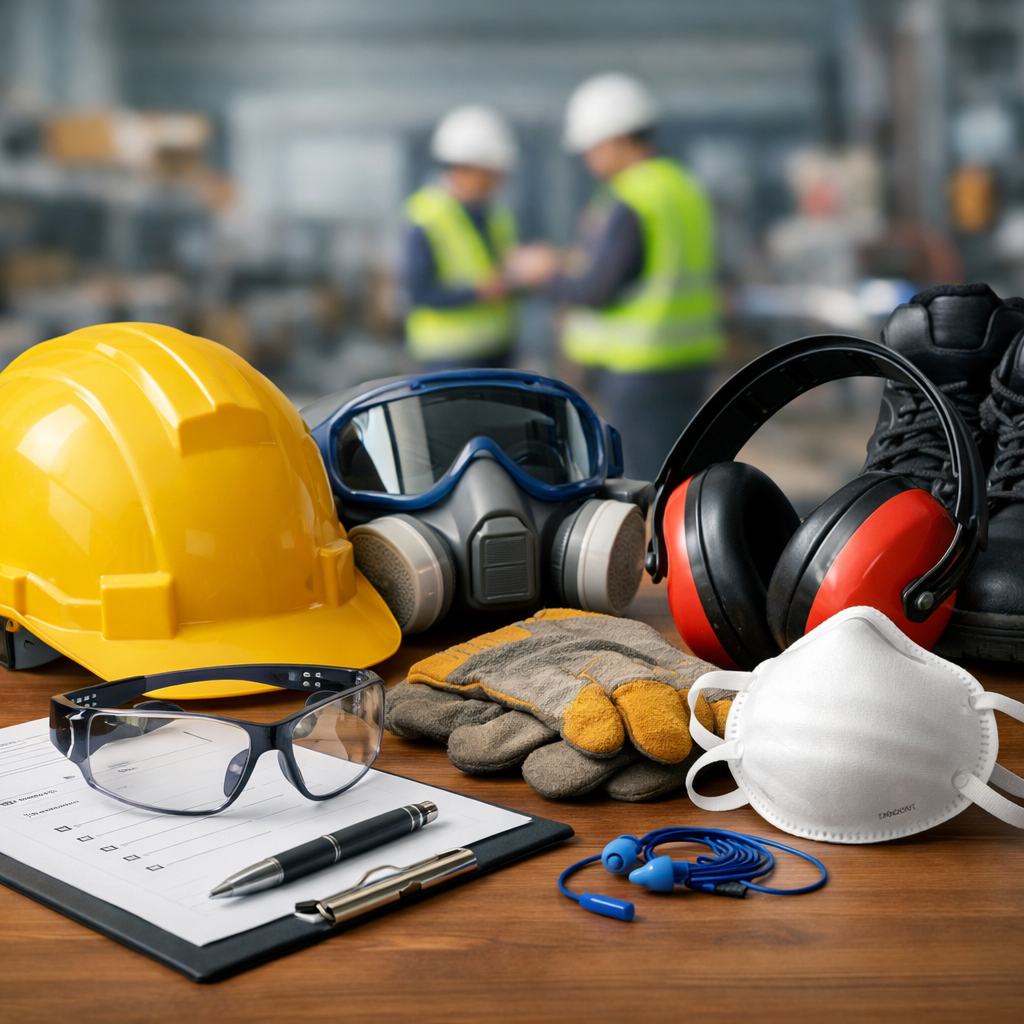
PPE program basics for fit, comfort, and worker acceptance
Good fit is a safety issue
PPE must fit the worker properly to provide the protection it is designed to deliver. Poorly fitting gloves can reduce grip and increase hand injuries. Loose eye protection may leave gaps. Oversized hearing protection may not seal correctly. Respirators, in particular, require careful selection, fit testing where required, and regular checks.
A strong PPE program should account for different body sizes, shapes, and job demands. This means offering options rather than expecting one model to work for everyone. It also means considering workers who wear prescription glasses, those who need flame-resistant clothing, or those who work in hot environments where comfort affects compliance.
Comfort improves compliance
If PPE is uncomfortable, heavy, fogs up, restricts movement, or interferes with communication, workers are more likely to remove it or wear it incorrectly. That is why PPE program basics should include worker input before new equipment is rolled out across a site.
Trial periods can be helpful. Supervisors and safety teams can ask workers practical questions: Does the equipment stay in place? Can they do the task safely? Does it create new hazards? This feedback often leads to better purchasing decisions and stronger buy-in.
In many workplaces, worker acceptance improves when leaders explain not just what must be worn, but why it matters. A simple explanation tied to real risks is often more effective than a rule posted on a wall.
PPE program basics for maintenance and replacement
Inspection should be routine
Even the best PPE will fail if it is damaged, expired, dirty, or poorly stored. Maintenance is one of the most overlooked parts of PPE program basics, yet it directly affects reliability. Workers should inspect their PPE before each use, and supervisors should reinforce those checks during routine observations.
Cracked hard hats, scratched lenses, torn gloves, worn boot soles, stretched harness straps, and clogged respirator filters all reduce protection. If equipment shows signs of wear, it should be removed from service and replaced promptly.
Storage, cleaning, and replacement rules
Clear rules help avoid confusion. Workers should know where PPE is stored, how it is cleaned, who is responsible for replacement, and when equipment must be discarded. Reusable gear should be cleaned according to the manufacturer’s instructions, and shared PPE should be sanitized between users where appropriate.
| PPE Type | What to Check | When to Replace |
|---|---|---|
| Hard hat | Cracks, dents, UV damage, worn suspension | After impact or visible damage |
| Safety glasses | Scratches, loose arms, poor visibility | When vision or fit is affected |
| Gloves | Tears, punctures, chemical degradation | At first sign of damage or contamination |
| Respirator | Seal condition, valve function, filter status | Per manufacturer guidance or if damaged |
| Safety boots | Worn soles, toe damage, broken laces | When support or protection is reduced |
Maintenance records may also be needed for certain equipment, especially respiratory protection or fall protection systems. Following manufacturer instructions and regulatory requirements is important, and sites should review any industry-specific standards that apply.
PPE program basics for training and enforcement
Training must be practical
Training is a core part of PPE program basics because workers need more than a list of required items. They should understand what hazards are present, what PPE is needed, how to put it on, how to take it off safely, what its limits are, and how to inspect and care for it.
Hands-on demonstrations are often more effective than a short presentation. A worker may know they need a face shield, but still need coaching on when safety glasses are also required underneath. A new employee may be issued hearing protection, but not know how to insert earplugs correctly. These details matter.
Refresher training should be provided when new hazards are introduced, equipment changes, procedures change, or observations show workers are not following requirements. Documentation also matters. Training records help show who has been trained, when it happened, and what topics were covered.
Enforcement should be clear and fair
Rules only work when they are enforced consistently. Supervisors should model correct PPE use and address non-compliance early. If some workers are held accountable and others are not, the program quickly loses credibility.
Effective enforcement is not only about discipline. It also means removing barriers that lead to poor compliance. If workers do not have easy access to replacement gloves, if sizes are limited, or if PPE is uncomfortable and no one responds to feedback, enforcement alone will not solve the problem.
A stronger approach includes:
- clear written PPE expectations for each task or area
- visible supervision and routine spot checks
- prompt replacement of damaged or missing equipment
- coaching for incorrect use
- progressive discipline for repeated non-compliance
- regular review of incidents, near misses, and worker feedback
Supervisors can also use toolbox talks and pre-job meetings to reinforce PPE requirements before higher-risk tasks begin. Over time, this keeps PPE visible as part of daily work rather than something mentioned only after an incident.
PPE program basics are not complicated, but they do require attention and follow-through. When employers select PPE based on real hazards, ensure proper fit, maintain equipment, train workers clearly, and enforce the rules fairly, workplace protection becomes much stronger. A practical PPE system supports compliance, reduces preventable injuries, and shows workers that their safety is taken seriously. By making ppe program basics part of everyday operations, organizations build a safer and more dependable workplace for everyone.
No comments yet