
Chemical Storage Practices That Prevent Dangerous Reactions

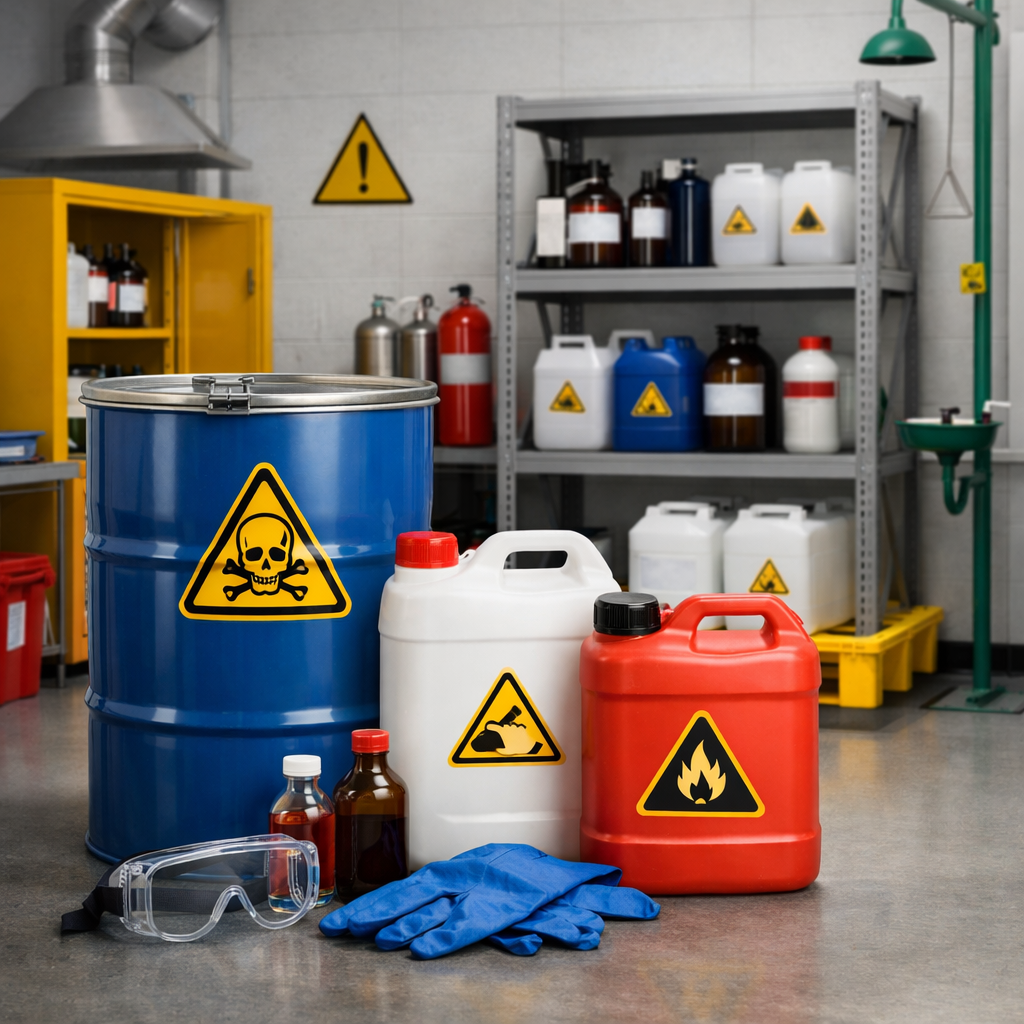
Chemical storage practices are one of the most important safeguards against fires, toxic releases, explosions, and worker injuries.
When incompatible substances are stored together, poorly labeled, or kept in unventilated spaces, a routine storage area can quickly become a high-risk environment.
Safe storage is not just about finding shelf space for containers.
It means understanding chemical hazards, separating incompatible materials, maintaining accurate labels, controlling the environment, and inspecting storage areas before small issues become serious incidents.
In workplaces that handle solvents, acids, oxidizers, fuels, cleaning agents, or compressed gases, strong chemical storage practices support compliance and reduce the chance of dangerous reactions.
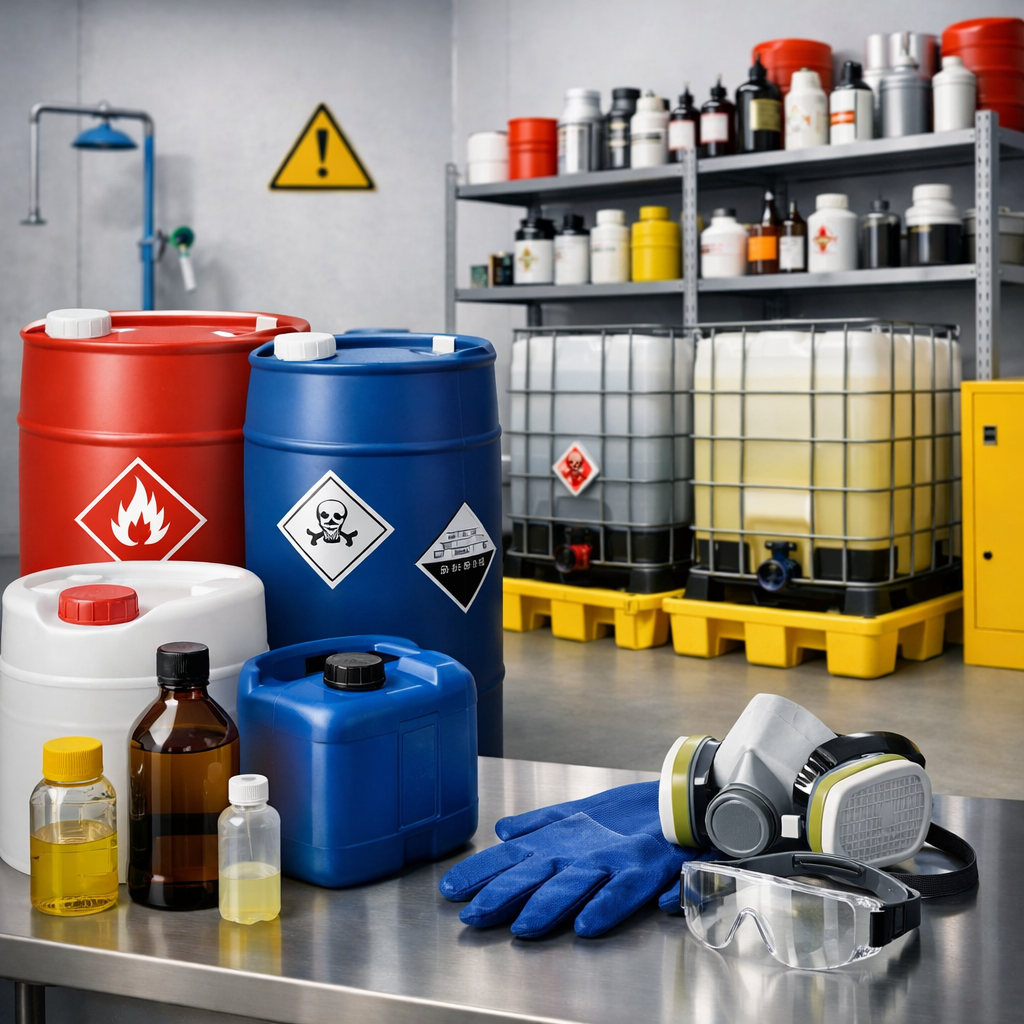
Guidance from organizations such as OSHA and CCOHS consistently emphasizes proper segregation, labeling, ventilation, and inspection as core controls.
Chemical Storage Practices Begin With Hazard Identification
Before chemicals are placed on a shelf or in a cabinet, the first step is to identify the hazards of each product.
This includes reviewing the safety data sheet, checking the product label, and understanding whether the substance is flammable, corrosive, reactive, toxic, oxidizing, or water-reactive.
Many storage failures happen because chemicals are organized by convenience instead of hazard class.
For example, storing nitric acid next to a solvent or bleach beside an acidic cleaner can create immediate reaction risks if a leak occurs.
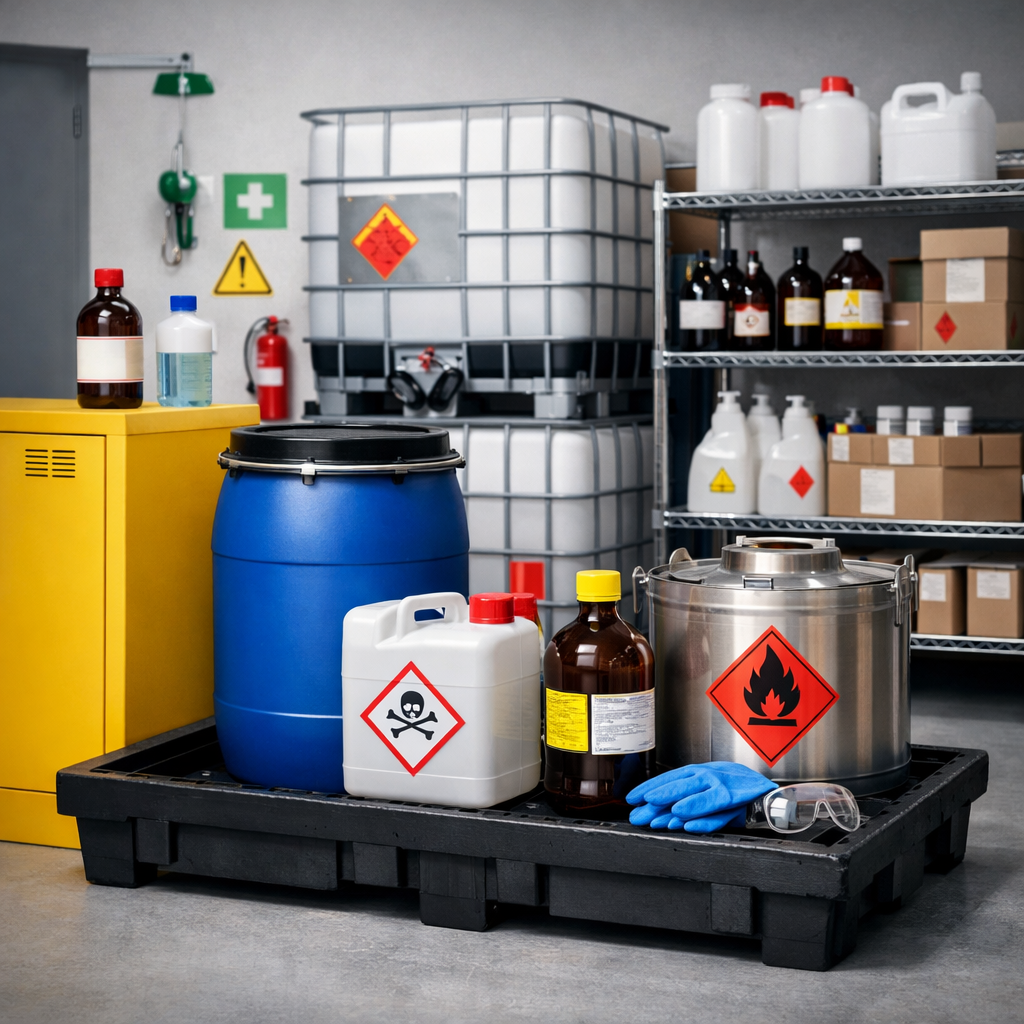
A practical way to improve chemical storage practices is to sort chemicals by compatibility rather than by supplier, product type, or container size.
This makes it easier to prevent dangerous combinations and helps workers respond more effectively during spills or emergencies.
Use the Hierarchy of Controls in Storage Planning
The Hierarchy of Controls can strengthen storage decisions in real workplaces.
Elimination and substitution should come first, such as removing obsolete chemicals or replacing highly reactive products with safer alternatives where possible.
Engineering controls include flammable storage cabinets, corrosive-resistant shelving, spill trays, local exhaust ventilation, and temperature-controlled rooms.
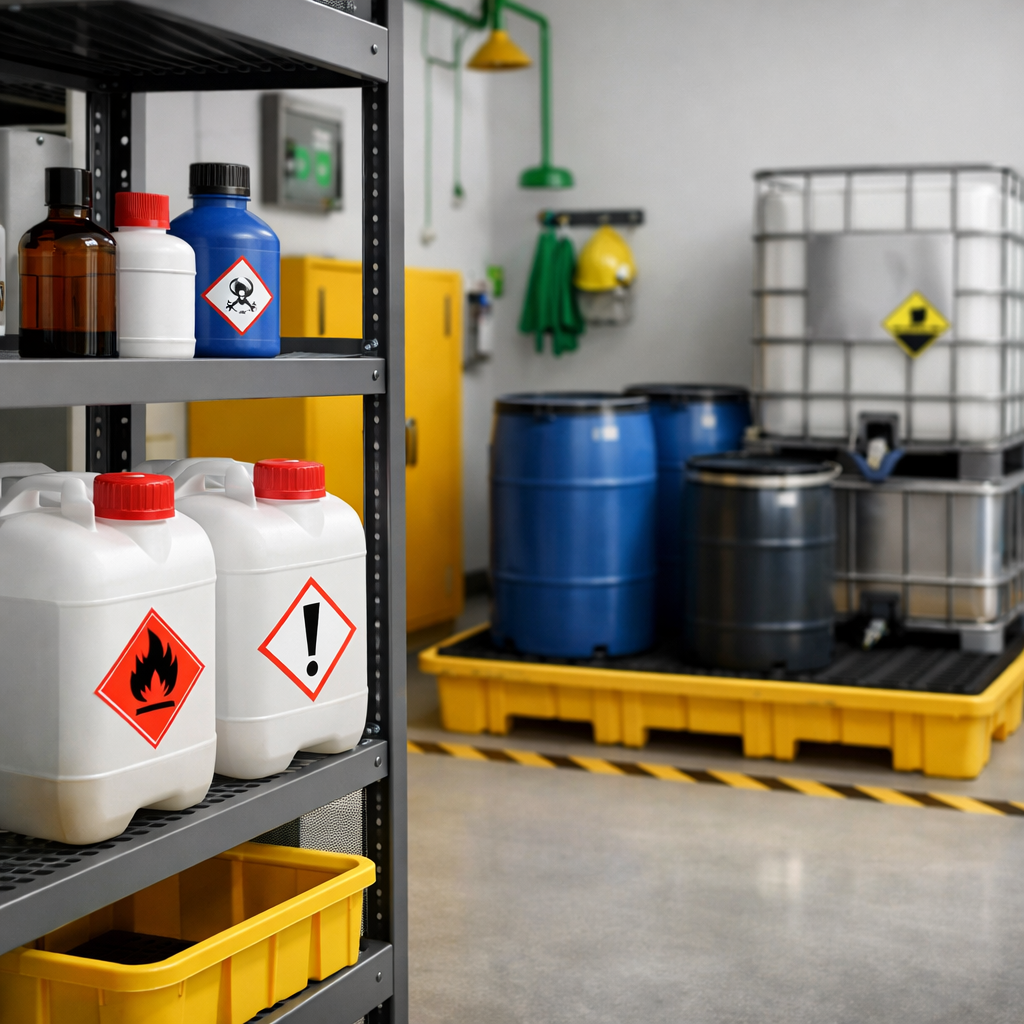
Administrative controls include written storage procedures, inventory management, access restrictions, and staff training.
Personal protective equipment still matters during handling and inspection, but it should never be the only control.
If your facility is reviewing broader hazard controls, resources such as this workplace chemical safety checklist can support a more complete approach.
Chemical Storage Practices for Segregation and Compatibility
Segregation is one of the most critical chemical storage practices because many serious incidents start with incompatible materials coming into contact.
Even a minor leak, broken cap, or container failure can trigger heat generation, toxic gas release, fire, or violent pressure buildup.
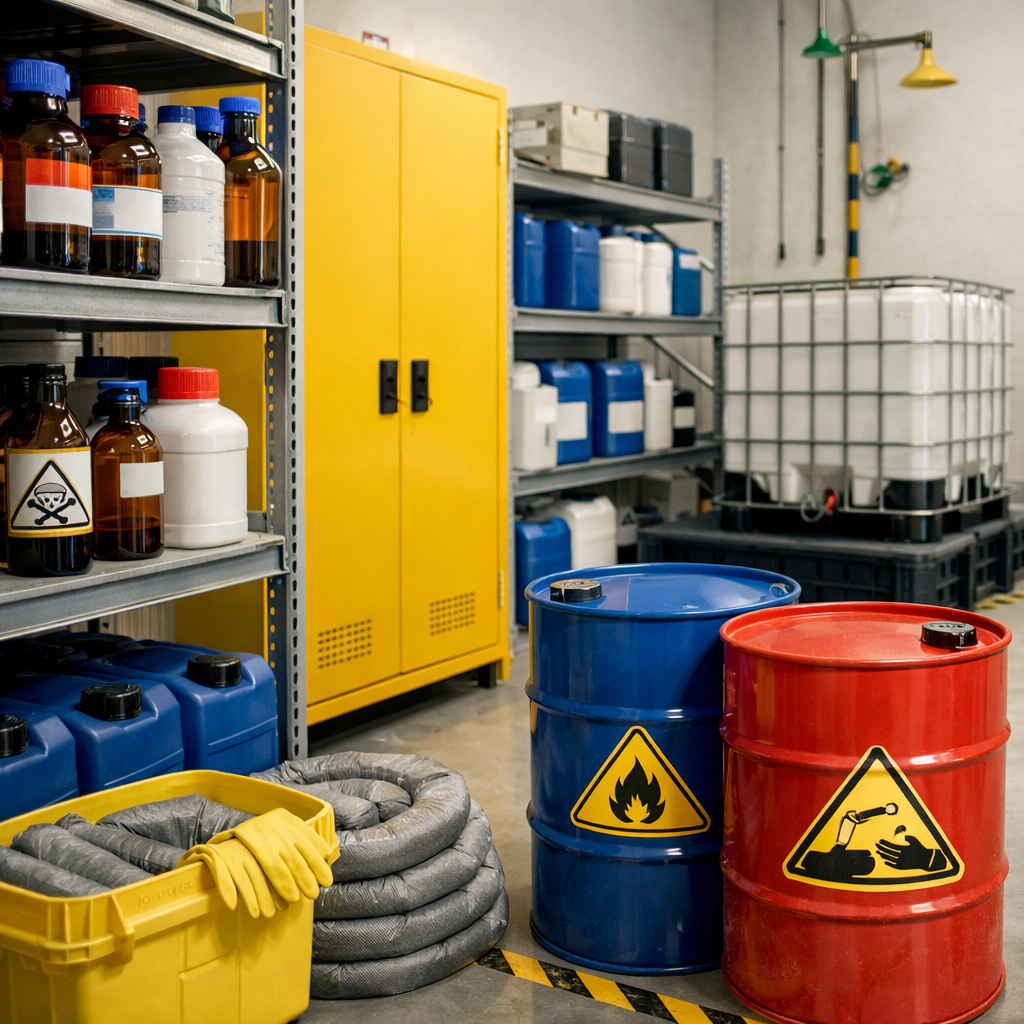
Safe segregation means physically separating chemicals that can react with each other.
This may involve dedicated cabinets, separate rooms, nonreactive secondary containment, or minimum spacing based on the hazards present.
Common Segregation Rules
- Flammables should be stored in approved flammable storage cabinets away from ignition sources and oxidizers.
- Acids should be separated from bases and from chemicals such as cyanides or sulfides that may release toxic gas if mixed.
- Oxidizers should be kept away from fuels, oils, greases, paper products, wood, and flammable liquids.
- Water-reactive chemicals should be protected from sinks, sprinklers where applicable, damp conditions, and aqueous solutions.
- Compressed gases should be secured upright and segregated by hazard class, with fuel gases separated from oxidizing gases.
Secondary containment adds another layer of protection.
For example, acids can be stored in corrosion-resistant trays, while solvents can be kept in spill pallets designed for flammable liquids.
The table below shows a simple compatibility guide that supports everyday chemical storage practices.
| Chemical Group | Store Away From | Typical Storage Control |
|---|---|---|
| Flammable liquids | Oxidizers, heat, sparks | Approved flammable cabinet |
| Corrosive acids | Bases, cyanides, sulfides, metals | Acid cabinet with spill tray |
| Corrosive bases | Acids, aluminum, some organics | Separate corrosives cabinet |
| Oxidizers | Flammables, combustibles, reducers | Dedicated cool, dry storage area |
| Compressed gases | Impact, heat, incompatible gases | Secured upright with caps in place |
Storage layouts should also consider traffic flow.
Chemicals should not be placed in exit routes, under stairs, or in areas where forklifts, carts, or foot traffic can damage containers.
Chemical Storage Practices for Labeling and Clear Communication
Good labeling is essential because workers cannot follow safe chemical storage practices if they do not know what is in a container.
Every container should be clearly identified with the product name, key hazards, and handling information that matches the safety data sheet and workplace labeling system.
Unlabeled or poorly marked containers create immediate confusion during use, transfer, spill response, and disposal.
They also increase the chance that incompatible products will be stored together by mistake.
What Effective Labels Should Include
At a minimum, workplace labels should be legible, durable, and resistant to the environment where the chemical is stored.
They should remain readable even when exposed to moisture, dust, or routine handling.
- Product identifier or chemical name
- Main hazard warnings
- Safe handling or storage precautions
- Reference to the safety data sheet where required
Labeling also applies to storage locations, not just containers.
Shelves, cabinets, and rooms should clearly identify hazard classes and any restrictions, such as no ignition sources, corrosives only, or oxidizers only.
In shared workplaces, this becomes even more important.
Contractors, maintenance staff, cleaners, and emergency responders need to recognize hazards quickly without relying on memory or verbal instructions.
Inventory control is another part of labeling and communication.
A current chemical inventory helps track what is onsite, where it is stored, and whether outdated or unstable products need disposal.
If you are improving site systems, a resource like hazardous materials management basics can help connect storage, inventory, and emergency planning.
Chemical Storage Practices for Ventilation, Inspection, and Ongoing Control
Ventilation is often overlooked in chemical storage practices, yet it plays a major role in reducing vapor buildup and exposure risk.
Flammable liquids, volatile solvents, and certain corrosives can release vapors that create fire hazards or harmful breathing conditions, especially in enclosed spaces.
Storage rooms should have ventilation appropriate to the chemicals present and compliant with applicable codes and regulations.
This may include general mechanical ventilation, local exhaust for specific tasks, or explosion-protected systems in higher-risk locations.
Ventilation should never be used as a substitute for proper container sealing and segregation.
Instead, it should work together with those controls to reduce the chance of accumulation if small releases occur.
Routine Inspection Prevents Escalation
Inspection is the step that keeps storage systems effective over time.
Without routine checks, damaged containers, corrosion, missing labels, blocked vents, or overloaded shelves can go unnoticed until an incident occurs.
A practical inspection program should include:
- Checking containers for leaks, swelling, rust, cracks, or crystallization
- Confirming labels are present and legible
- Verifying incompatible chemicals remain segregated
- Inspecting cabinets, shelves, and spill containment for damage
- Ensuring ventilation systems are functioning properly
- Removing expired, unknown, or unnecessary chemicals promptly
Inspection findings should be documented and corrected quickly.
This matters in laboratories, warehouses, manufacturing plants, maintenance shops, healthcare settings, and schools alike.
Temperature and sunlight should also be monitored.
Some chemicals degrade, pressurize, or become unstable when exposed to heat or direct light.
Others may require cool, dry, or climate-controlled conditions to remain safe in storage.
Emergency preparedness completes the picture.
Storage areas should have spill kits suited to the hazards present, clear access to fire protection equipment where required, and response procedures workers understand.
Employers should also review local fire code requirements and recognized guidance such as the NFPA standards that apply to hazardous materials storage.
Chemical storage practices are most effective when they are built into daily operations instead of treated as a one-time setup task.
By focusing on segregation, labeling, ventilation, and inspection, workplaces can greatly reduce the likelihood of dangerous reactions and create a safer environment for everyone who handles or works near hazardous substances.
Strong chemical storage practices protect people, property, and business continuity.
When chemicals are identified correctly, stored by compatibility, labeled clearly, ventilated appropriately, and checked regularly, the risk of preventable incidents drops sharply.
For any organization that uses hazardous products, consistent chemical storage practices are a practical and necessary part of workplace safety.
No comments yet