
- Safe Use of Extension Cords: Essential OHSE Guidance for Safer Workplaces
- Safe Use of Extension Cords and the Main Workplace Risks
- Prevention Measures for the Safe Use of Extension Cords
- PPE, Inspection, and Day-to-Day Safe Use of Extension Cords
- Compliance, Training, and Practical Examples of Safe Use of Extension Cords
Safe Use of Extension Cords: Essential OHSE Guidance for Safer Workplaces

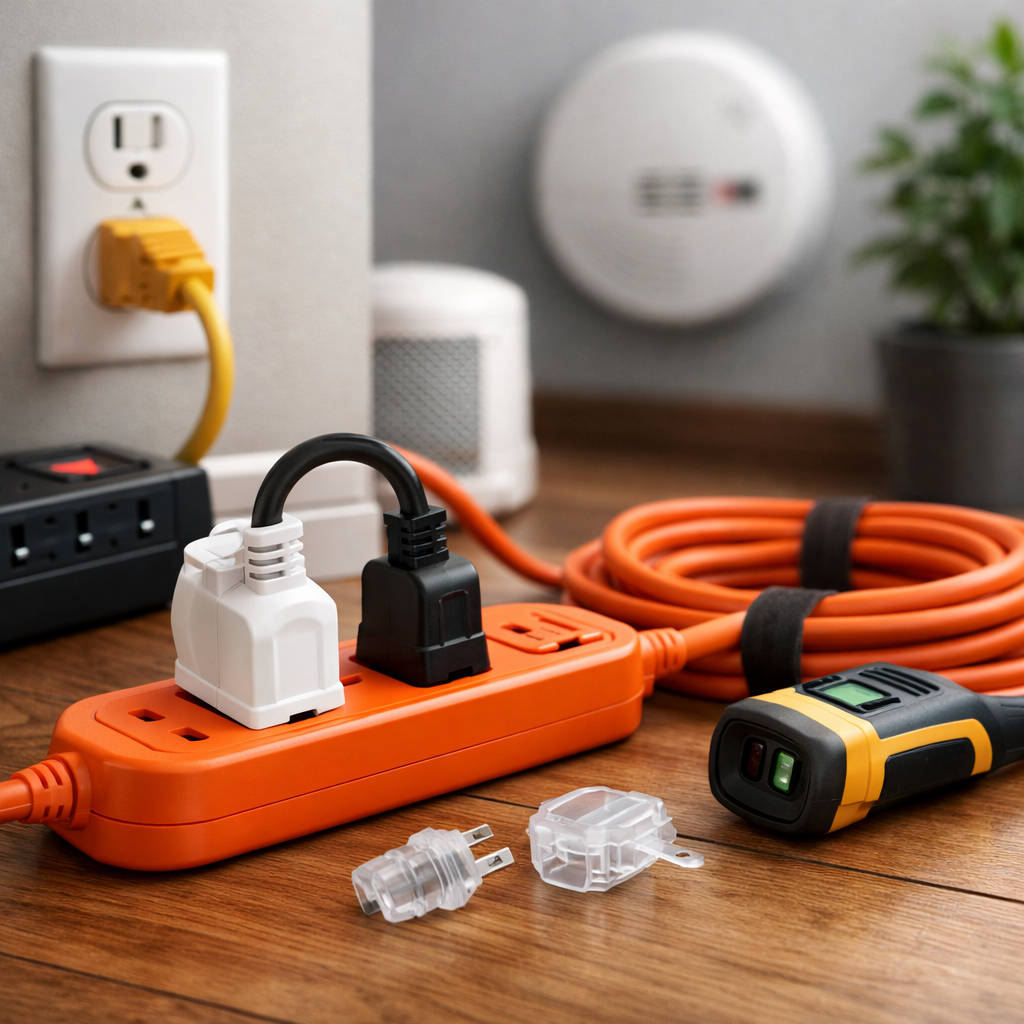
Safe use of extension cords is a basic but critical part of workplace health and safety. In offices, workshops, warehouses, construction sites, and temporary work areas, extension cords are often used to bring power where fixed outlets are not available.
While they are convenient, they can also create serious hazards if they are damaged, overloaded, used in wet conditions, or placed in the wrong location. A single unsafe cord can lead to electric shock, burns, trips, equipment failure, or fire.
From an OHSE perspective, the safe use of extension cords is not just about avoiding inconvenience. It is about hazard identification, risk assessment, worker training, proper equipment selection, and compliance with recognized safety standards. Employers and workers both have responsibilities to ensure temporary electrical connections do not become permanent safety problems.
Good practice starts with understanding where extension cords are appropriate, where they are not, and what controls should be in place. Guidance from organizations such as OSHA and CCOHS reinforces the importance of inspection, maintenance, and correct use in real workplace settings.
Safe Use of Extension Cords and the Main Workplace Risks
The most common risk linked to extension cords is electrical shock. This can happen when insulation is damaged, plugs are broken, conductors are exposed, or cords are used in damp or wet environments without suitable protection. Even low-level contact can cause injury, while higher exposure can be fatal.
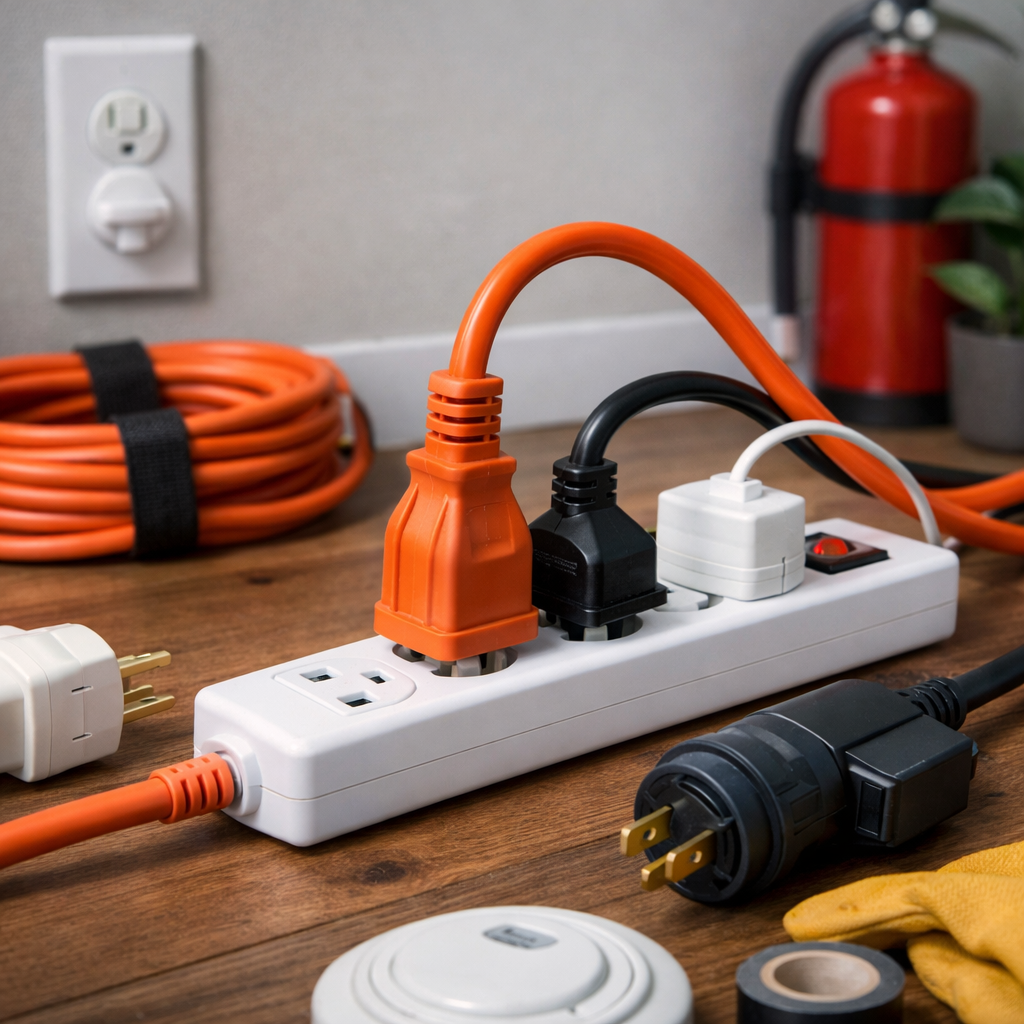
Fire is another major concern. Extension cords can overheat when too many devices are connected, when the cord is undersized for the electrical load, or when it is left coiled during use. Heat buildup may damage insulation and ignite surrounding materials such as paper, packaging, wood dust, or textiles.
Trip hazards are also a frequent OHSE issue. Cords routed across walkways, doorways, stairs, and busy work zones can cause slips, trips, and falls. In workplaces where employees carry tools, materials, or hot items, a trip incident can cause secondary injuries that are more severe than the fall itself.
Physical damage is often underestimated. Vehicles, carts, foot traffic, sharp edges, and closing doors can crush or cut extension cords. Once damaged, the cord may still appear usable, which increases the chance of someone continuing to use unsafe equipment.
Examples of real workplace hazards
- A warehouse worker runs an extension cord across an aisle to power a label printer, creating a trip hazard for pedestrians and pallet jack operators.
- A maintenance employee uses an indoor cord outdoors after rain, increasing the risk of electric shock.
- A cleaner plugs several high-draw appliances into one extension cord, causing overheating.
- A contractor leaves a cord coiled on a reel while powering equipment, trapping heat inside the cable.
These examples show why the safe use of extension cords should be part of routine workplace inspections and job planning. For related hazard control topics, many organizations also include this issue in their workplace electrical safety and hazard identification checklists.
Prevention Measures for the Safe Use of Extension Cords
The best prevention strategy is to reduce reliance on extension cords wherever possible. In OHSE terms, this reflects the Hierarchy of Controls. Elimination is the most effective control, followed by substitution, engineering controls, administrative controls, and personal protective equipment.
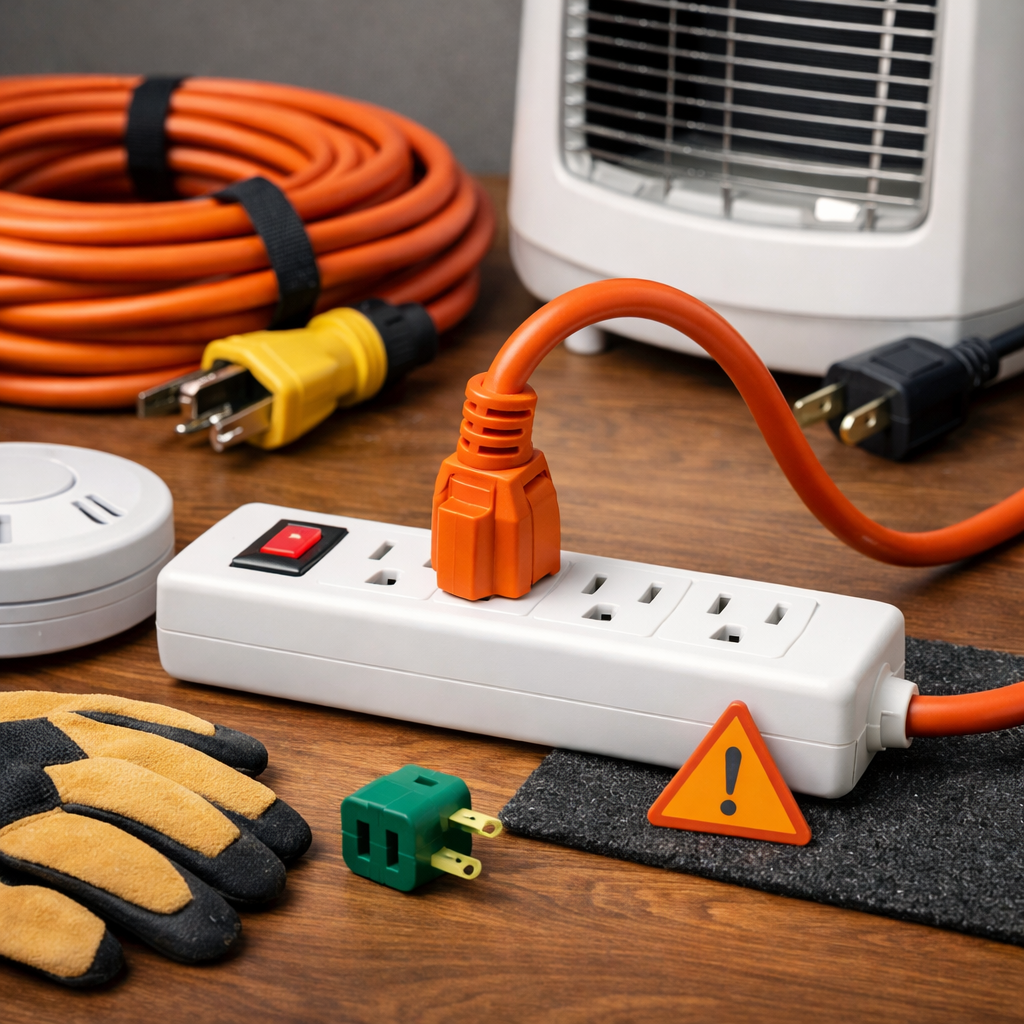
Applying the Hierarchy of Controls
Elimination: Remove the need for extension cords by installing additional permanent outlets closer to work areas. This is the safest long-term solution in offices, production spaces, and fixed workstations.
Substitution: Use safer equipment, such as heavy-duty outdoor-rated cords, ground fault circuit interrupter protection, or battery-powered tools where practical. In some tasks, portable power distribution units may be more appropriate than several separate cords.
Engineering controls: Protect cords with cable covers, elevated routing systems, or guarded pathways to reduce trip hazards and physical damage. Use weather-resistant products in damp or outdoor locations.
Administrative controls: Train workers to inspect cords before use, prohibit daisy-chaining, limit temporary use, and report defects immediately. Supervisors should ensure cords are selected based on load, length, and environment.
PPE: Personal protective equipment is the least effective control, but still relevant when workers handle electrical equipment in higher-risk environments. Appropriate PPE may include dielectric footwear, insulated gloves for qualified electrical tasks, and eye protection when there is a risk of arc or equipment failure.
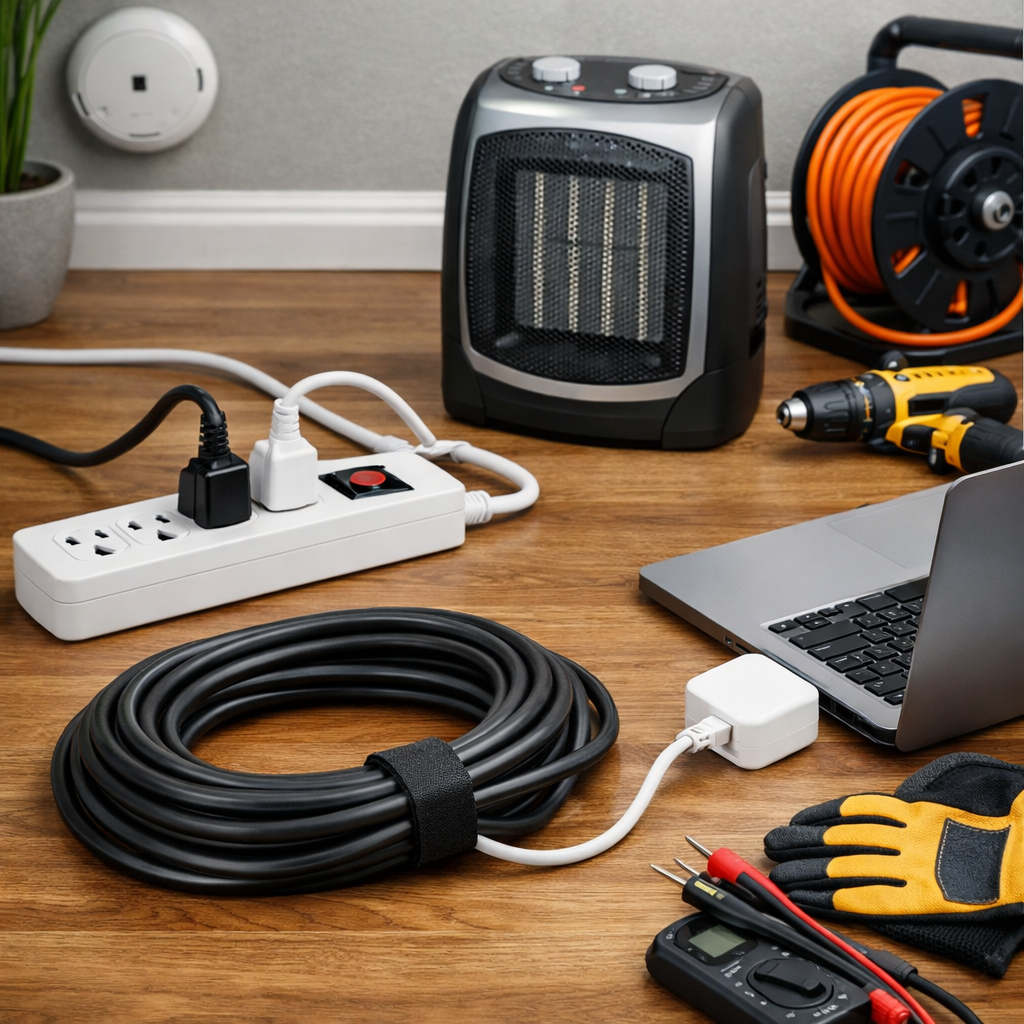
Practical prevention tips
- Use extension cords only for temporary power, not as a substitute for permanent wiring.
- Choose cords rated for the environment, including outdoor, wet, industrial, or heavy-duty use.
- Check the amperage and wattage of connected tools or equipment before plugging them in.
- Fully uncoil cords during use to prevent overheating.
- Keep cords away from water, heat sources, oil, chemicals, and sharp objects.
- Do not run cords under rugs, through walls, ceilings, or doorways unless specifically designed and protected for that use.
- Replace damaged cords immediately. Do not use tape as a long-term repair.
- Use residual current devices or GFCI protection where required.
These measures support the safe use of extension cords by addressing both electrical and physical hazards before incidents occur.
PPE, Inspection, and Day-to-Day Safe Use of Extension Cords
In most workplaces, extension cord safety depends heavily on daily behavior. Workers should inspect cords before each use and supervisors should include them in formal inspection programs. A pre-use check takes only a minute but can prevent a serious event.
What to inspect before use
- Cracks, cuts, frayed insulation, or exposed wires
- Loose, bent, or broken prongs
- Signs of overheating, melting, or discoloration
- Missing grounding pin on three-prong plugs
- Improper splices, taped repairs, or damaged connectors
- Unsuitable rating for the location or equipment load
Where work involves construction, maintenance, or outdoor activities, PPE becomes more important. Workers handling powered equipment in damp conditions may need non-conductive footwear and gloves suitable for the task. However, PPE should never be relied on to compensate for damaged cords or poor electrical setup.
Housekeeping also matters. A properly rated extension cord can still create a serious trip hazard if it crosses a walkway. If a temporary cord must be used, route it away from pedestrian traffic or secure it with purpose-made covers. In high-traffic areas, a safer option may be overhead routing or a temporary power distribution system.
| Hazard | Potential Consequence | Recommended Control |
|---|---|---|
| Damaged insulation | Electric shock or burns | Remove from service and replace immediately |
| Overloaded cord | Overheating or fire | Match cord rating to load and avoid multiple high-draw devices |
| Cord across walkway | Trips and falls | Reroute, elevate, or cover the cord properly |
| Wet environment use | Shock or fatal electrocution | Use outdoor-rated cords and GFCI protection |
Compliance, Training, and Practical Examples of Safe Use of Extension Cords
Compliance is an essential part of the safe use of extension cords. Employers should review applicable local regulations, electrical codes, and internal OHSE procedures. OSHA guidance makes it clear that flexible cords must be maintained in safe condition and used appropriately. CCOHS also emphasizes inspection, suitable ratings, and correct placement as core elements of electrical safety.
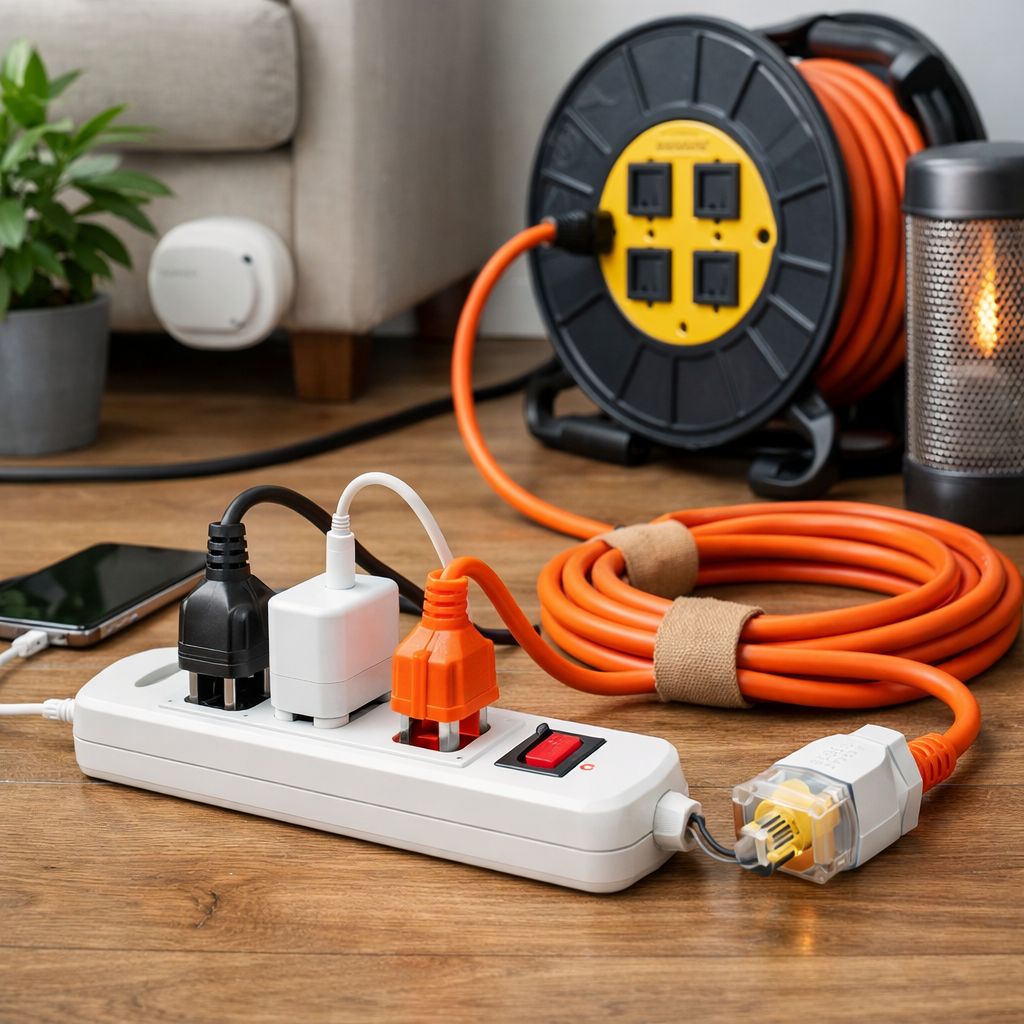
Training should cover more than basic do-and-don’t lists. Workers need to understand why extension cords fail, how overload happens, how environmental conditions affect risk, and when they must stop work and report a problem. Induction training, toolbox talks, and refresher sessions are all useful ways to reinforce expectations.
Practical workplace examples
In an office, a common issue is multiple devices plugged into one cord under a desk. A safer approach is to install more outlets or use an approved power solution designed for office equipment loads.
In a workshop, extension cords may be exposed to abrasion, oil, and moving tools. Here, heavy-duty cords, regular inspections, and protected routing are essential controls.
On a construction site, temporary power is often unavoidable. The safe use of extension cords in this setting requires site-specific risk assessment, weather-resistant equipment, GFCI protection, and strict removal of damaged leads from service.
In a warehouse, a temporary cord used during seasonal operations can obstruct emergency egress or forklift routes. Planning the layout in advance can eliminate that hazard before work begins.
The safe use of extension cords is ultimately about planning, selection, inspection, and supervision. When workplaces treat extension cords as safety-critical equipment rather than minor accessories, the risk of shock, fire, and trips falls significantly. By following OHSE principles, applying the Hierarchy of Controls, using suitable PPE where needed, and aligning practices with guidance from OSHA and CCOHS, employers can create safer and more compliant work environments. Safe use of extension cords should be a visible, everyday part of every workplace safety program.
No comments yet