
safety monitoring in remote sites: Practical OHSE Strategies for Safer Isolated Work

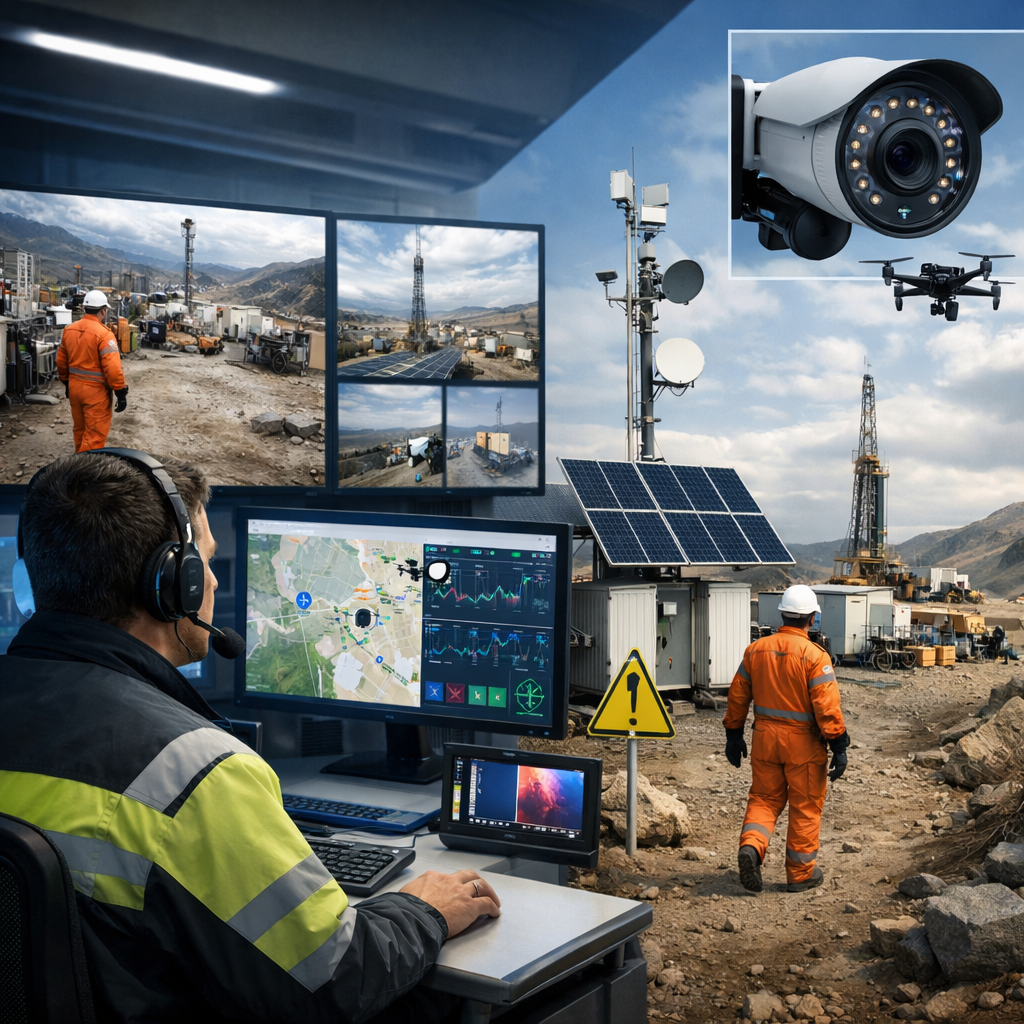
safety monitoring in remote sites is essential for protecting workers who operate far from immediate medical help, direct supervision, and standard emergency support.
Whether the job involves mining, construction, utilities, oil and gas, environmental fieldwork, or telecommunications, remote work introduces hazards that can escalate quickly if they are not identified and controlled early.
In OHSE practice, distance changes everything. A minor injury can become serious when evacuation takes hours, poor weather delays rescue, or communication systems fail.
That is why employers need strong systems for hazard identification, worker check-ins, emergency readiness, and legal compliance. Effective safety monitoring in remote sites combines technology, training, PPE, supervision, and practical planning so workers can perform tasks safely even in isolated environments.
Why safety monitoring in remote sites matters
Remote sites are often high-risk by nature. They may involve rough terrain, extreme temperatures, wildlife, fatigue from travel, lone work, hazardous equipment, and limited access to medical treatment.
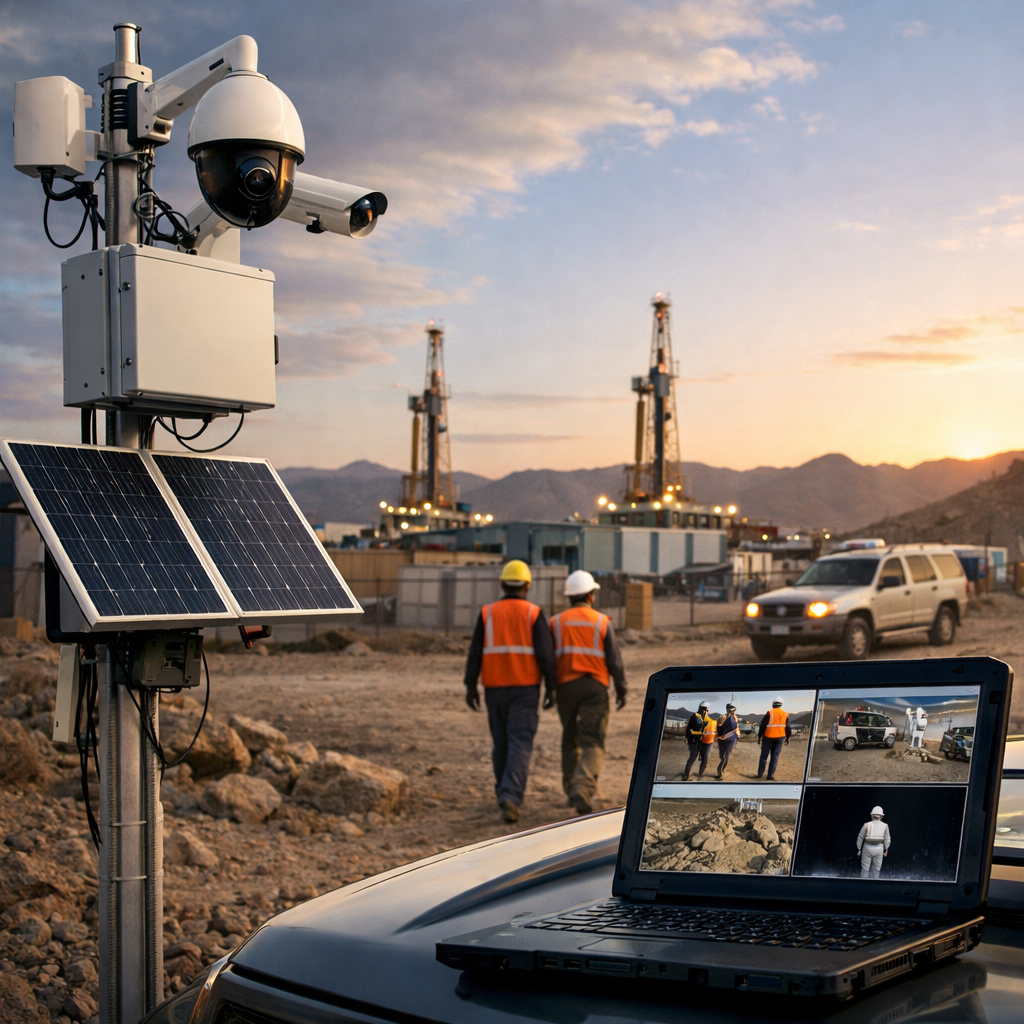
Unlike urban workplaces, remote operations may also face weak mobile coverage, unreliable power, and fewer nearby resources to manage an emergency.
These factors increase both the likelihood and the consequences of incidents. A slip, heat stress episode, vehicle rollover, electrical event, or chemical exposure can become far more dangerous when response time is delayed.
Strong safety monitoring in remote sites helps organizations detect issues sooner, confirm worker status, and trigger emergency action without delay.
From an OHSE perspective, this also supports the employer’s duty of care. Guidance from organizations such as OSHA and CCOHS reinforces the need for risk assessment, communication procedures, emergency planning, and worker protection when employees work alone or in isolated areas.
A sound program also improves productivity. Workers who trust the monitoring system are more likely to report hazards, follow procedures, and stay focused on the task.
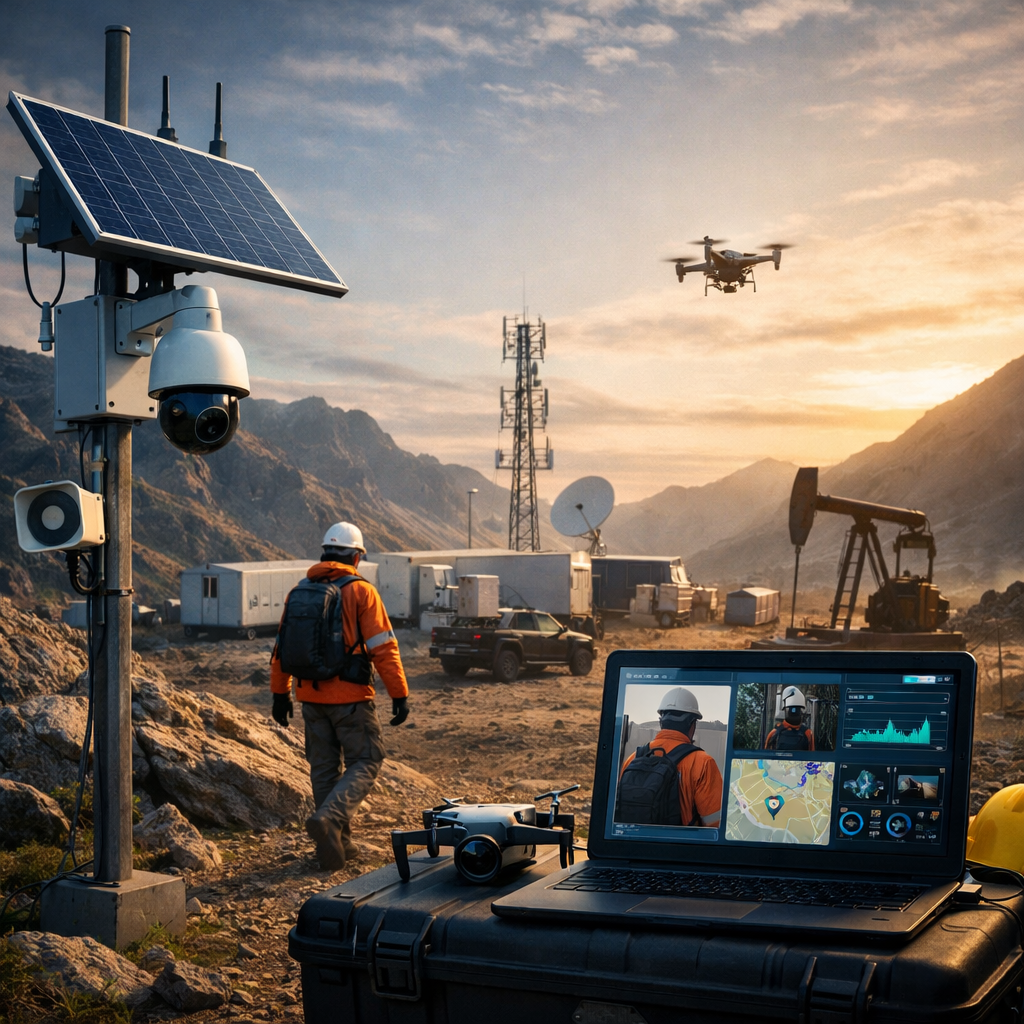
Common risks and hazards at isolated work locations
Environmental and physical hazards
Many remote workplaces expose workers to heat, cold, high winds, lightning, flooding, poor visibility, unstable ground, or difficult access routes.
These conditions can affect judgment, physical capability, equipment performance, and evacuation options. In practical terms, a routine maintenance task can become dangerous when weather changes suddenly or a vehicle cannot reach the site.
Operational and human-factor risks
Fatigue is a major issue in remote operations, especially where workers travel long distances, work extended shifts, or stay in temporary camps.
Lone work and low supervision can also lead to procedural shortcuts, delayed reporting, or reduced situational awareness. Mental health strain, isolation, and stress should also be considered in OHSE planning.
Equipment, communication, and medical risks
Machinery breakdown, generator failure, confined spaces, hazardous substances, and power tools all create serious risk in remote settings.
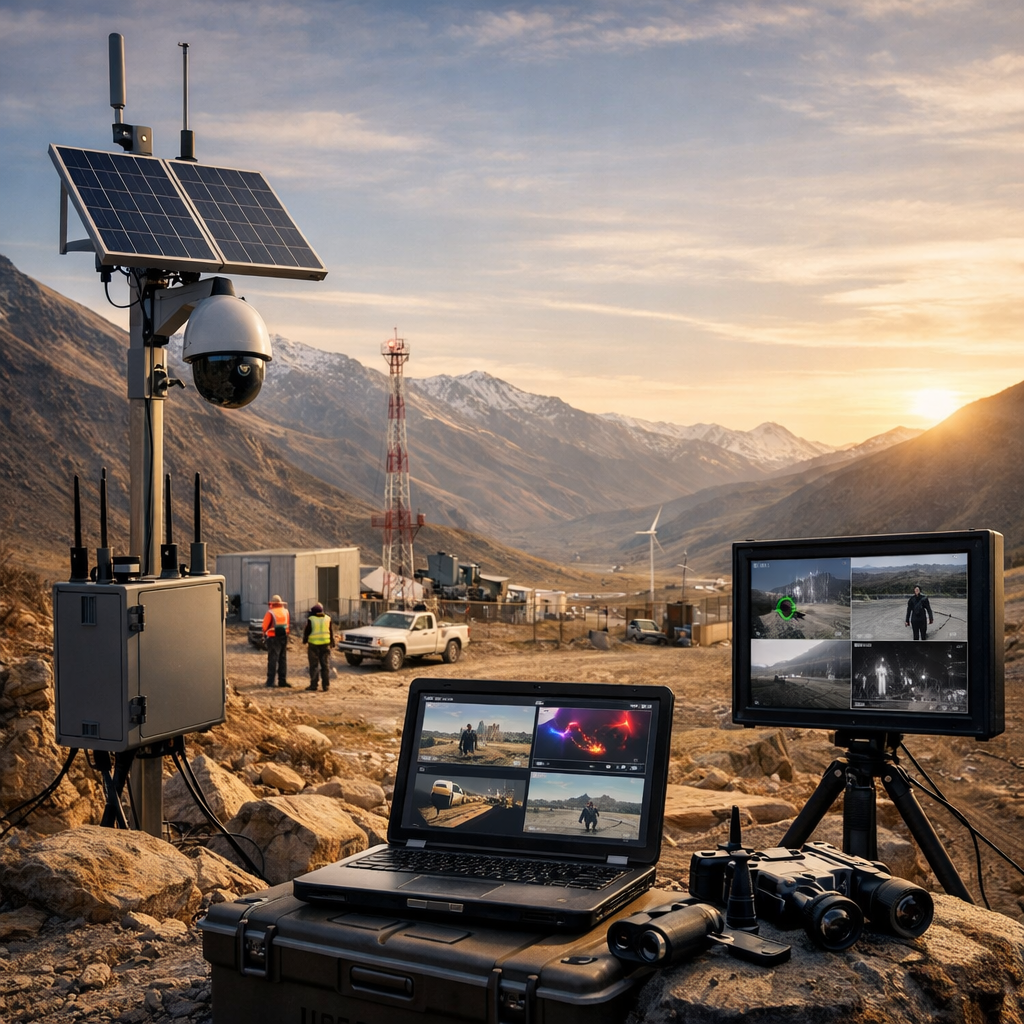
If communication devices fail or first aid supplies are inadequate, even a manageable incident may escalate quickly. This is why safety monitoring in remote sites must account for both the primary hazard and the site’s ability to respond.
- Typical risks at remote sites include:
- Vehicle incidents on unsealed or difficult roads
- Heat stress, dehydration, and cold exposure
- Slips, trips, and falls on uneven ground
- Wildlife encounters and insect bites
- Delayed emergency response or rescue access
- Communication outages and loss of contact
- Fatigue, isolation, and mental stress
- Equipment failure and inadequate maintenance
For related field controls, many organizations also connect remote work planning to workplace risk assessment and emergency response planning processes.
Prevention strategies for safety monitoring in remote sites
Apply the Hierarchy of Controls
The best approach to safety monitoring in remote sites starts with the Hierarchy of Controls. Elimination and substitution should be considered first, such as removing the need for a worker to attend the site in person or replacing a hazardous process with a safer one.
Where elimination is not possible, engineering controls can reduce exposure. Examples include vehicle stability systems, gas detection devices, remote sensors, machine guarding, and satellite communication equipment.
Administrative controls are especially important in isolated work. These include safe work procedures, permit systems, travel management, fatigue rules, weather triggers, check-in schedules, competency verification, and emergency drills.
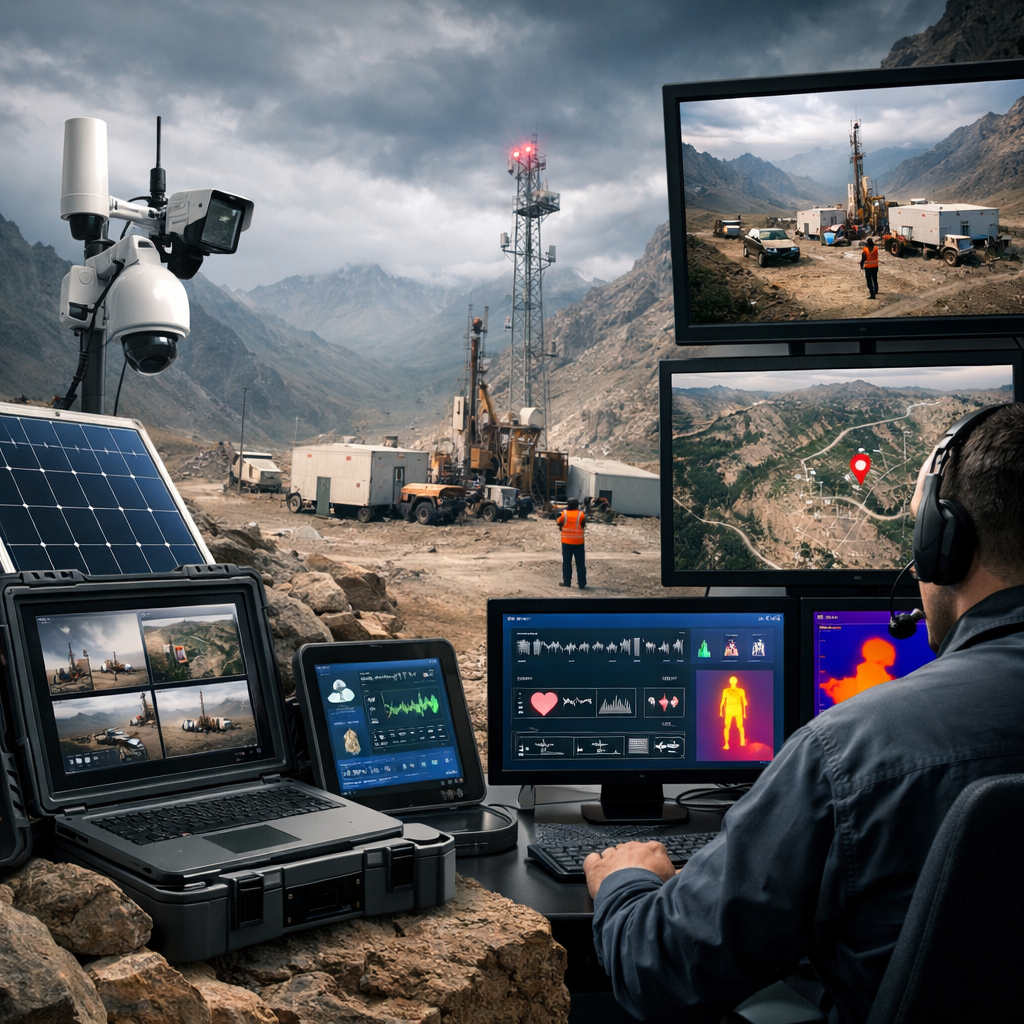
PPE remains necessary, but it should never be the only control. Employers should select PPE based on task risks, environmental conditions, and rescue needs.
Build a practical monitoring system
A reliable monitoring program should be simple, consistent, and site-specific. Workers need to know who is monitoring them, how often they must check in, what to do if conditions change, and when emergency escalation begins.
Effective safety monitoring in remote sites often includes:
- Pre-start risk assessments before each shift or journey
- Worker sign-in and sign-out processes
- Scheduled check-ins by radio, satellite phone, or GPS app
- Live location tracking for high-risk tasks or travel
- Escalation procedures for missed check-ins
- First aid capability matched to travel and evacuation times
- Weather monitoring and stop-work triggers
- Inspection and maintenance records for vehicles and equipment
A practical example is a utilities team inspecting lines in a mountainous area. Before departure, the supervisor confirms route details, weather conditions, communication tools, rescue contacts, and expected return time.
If a scheduled check-in is missed by 15 minutes, the escalation plan begins. This may include repeated call attempts, GPS verification, nearby team contact, and emergency dispatch if no response is received.
PPE, compliance, and real-world examples
PPE for remote and isolated work
PPE for remote work should reflect both task-specific hazards and the realities of delayed rescue. Standard items may include helmets, gloves, eye protection, hearing protection, high-visibility clothing, safety boots, and weather-protective clothing.
Depending on the work, additional PPE may include respirators, fall arrest systems, flotation devices, arc-rated clothing, or snake gaiters.
Workers should also carry critical support items such as hydration supplies, sun protection, emergency blankets, and personal first aid kits where appropriate. PPE must be inspected regularly, fitted correctly, and supported by training.
Compliance and OHSE responsibilities
Compliance is a core part of safety monitoring in remote sites. Employers are generally required to identify hazards, assess risks, provide information and training, maintain equipment, consult workers, and prepare for emergencies.
Records matter. Inspection reports, incident logs, communication tests, competency records, and emergency drills all help demonstrate due diligence and improve safety performance over time.
Useful guidance can also be found through occupational health and safety resources and industry codes of practice, especially for lone work, remote travel, and hazardous environments.
Simple control examples by hazard
| Hazard | Possible Consequence | Practical Control Measure |
|---|---|---|
| Extreme heat | Heat exhaustion or heat stroke | Work-rest cycles, shade, hydration plan, temperature monitoring |
| Communication loss | Delayed rescue or missed emergency alert | Satellite phone, backup radio, check-in escalation plan |
| Remote driving | Collision, rollover, stranded worker | Journey management plan, vehicle inspection, driver fatigue controls |
| Lone work | Unnoticed injury or medical event | GPS tracking, timed welfare checks, duress alarm |
| Rough terrain | Slip, trip, fall, ankle injury | Access planning, suitable boots, route briefing, team movement rules |
Consider a field survey crew working several hours from the nearest town. The job may appear low risk, but exposure to heat, insects, rough terrain, and poor communication can create serious danger.
A well-managed employer would issue a travel plan, require satellite-based check-ins, provide snake bite first aid supplies where relevant, monitor fatigue, and define exact rescue triggers. That is practical safety monitoring in remote sites in action.
Another example is a small contractor maintaining pump stations in isolated areas. By using digital permits, preloaded site hazards, GPS arrival confirmation, and PPE checks before entry, the company reduces the chance of workers entering unsafe conditions without support.
In the end, safety monitoring in remote sites is not only about knowing where workers are. It is about understanding the risks around them, preventing incidents through layered controls, ensuring the right PPE is available, meeting OHSE compliance obligations, and preparing for fast, effective response when something goes wrong.
Organizations that invest in planning, supervision, communication, and worker training build safer operations and stronger resilience. With the right systems in place, safety monitoring in remote sites becomes a practical and measurable way to protect people in some of the most challenging work environments.
No comments yet