

-

Comprehensive Overview of Occupational Health, Safety, and Environment (OHSE)
Occupational Health, Safety, and Environment (OHSE) is a comprehensive approach that integrates the principles of health, safety, and environmental protection within the workplace. It encompasses the management of risks and the promotion of well-being to ensure a holistic approach to the welfare of individuals, the community, and the environment in and around workplaces. Occupational Health,…
-

Why heavy equipment safety in mining matters
heavy equipment safety in mining: Essential Risks, Controls, PPE, and Compliance Best Practices heavy equipment safety in mining is a critical part of protecting workers, maintaining production, and reducing the likelihood of serious incidents on mine sites. From haul trucks and loaders to dozers, excavators, and drilling rigs, mining equipment operates in harsh conditions where…
-

Scaffold and Ladder Safety: What Every Worker Should Know
Scaffold and ladder safety is a fundamental part of workplace injury prevention—especially in construction, maintenance, and industrial settings. At the beginning of any job requiring work at heights, workers must be trained and equipped to use scaffolds and ladders safely. Falls from elevated work surfaces remain a leading cause of injuries and fatalities, making it…
-
Error Prevention Toolkit: Powerful, proven ways to reduce mistakes
Error Prevention Toolkit methods give teams a shared language to anticipate risks, catch slips in real time, and escalate concerns before harm occurs. When applied consistently—from bedside to back office—these techniques convert safety from an abstract value into daily habits. Below is a practical, step-by-step guide to implementing an Error Prevention Toolkit in any clinical…
-

How Nutrition and Fitness Shape Workplace Well-Being and Productivity
In today’s workplace, nutrition and fitness in occupational health have emerged as essential elements for improving productivity, reducing absenteeism, and fostering employee well-being. A healthy workforce is a cornerstone of a thriving business, making it imperative for employers to prioritize these aspects. This guide explores how nutrition and fitness contribute to occupational health and offers…
-

How to Arrange a Safe Living Environment for Newborn Babies
Bringing a newborn baby into your home is an exciting time, but it also requires preparation to ensure a safe environment. Babies are vulnerable to many hazards in their early months, so it’s important to create a living space that promotes their safety, health, and comfort. This guide will cover everything from setting up the…
-

Workplace Mental Health Crisis: A Business Imperative
The workplace mental health crisis is no longer just a personal issue for employees; it has evolved into a business imperative that organizations must address with urgency. With the rise in mental health challenges among employees, companies are seeing significant impacts on productivity, absenteeism, and overall workplace morale. Ignoring this crisis is no longer an…
-

Occupational Health, Safety, and Environment (OHSE) in Manhole Operations
Manholes are critical access points to various underground infrastructure systems, such as sewer, electrical, and telecommunications systems. These confined spaces are often areas of heightened risk, where occupational health and safety measures must be strictly adhered to. Working in and around manholes involves multiple hazards such as falls, toxic gases, electrocution, and engulfment. This article…
-
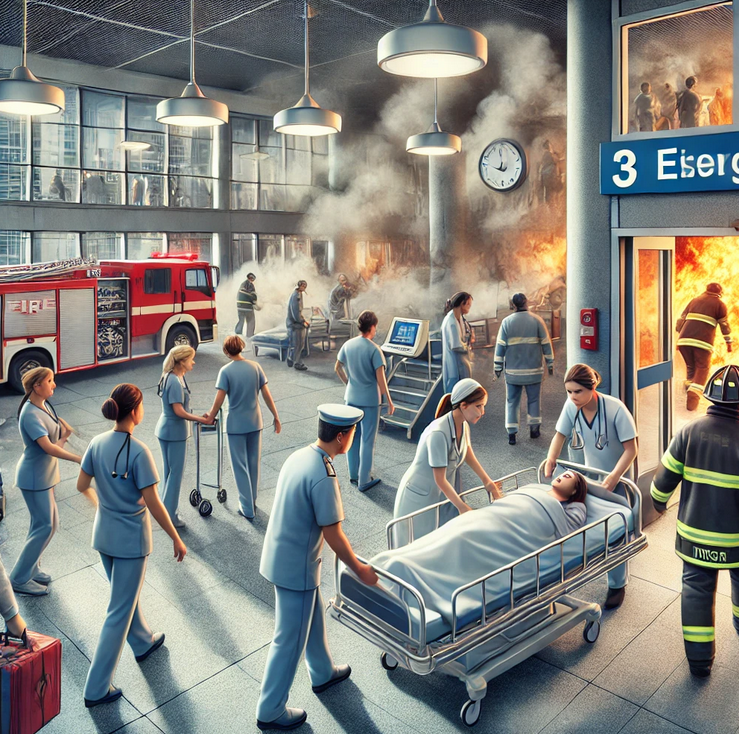
Understanding Code Red Fire: Meaning, Steps, Tools, and Preparedness
Understanding Code Red Fire: Meaning, Steps, Tools, and Preparedness A Code Red Fire represents an emergency scenario where fire poses an immediate threat to life and property. This critical alert demands swift action, coordinated response, and access to essential tools to mitigate its impact. Understanding what a Code Red Fire is and how to respond…
-

Water Conservation and Management in Industrial Facilities
Water Conservation : Water is a critical resource for industrial facilities, playing an essential role in manufacturing, cooling, cleaning, and various other processes. As global water scarcity becomes an increasing concern, industries must prioritize water conservation and management to minimize environmental impact, reduce operational costs, and comply with regulatory requirements. Effective water conservation strategies not…
-

OHSE for Professional Athletes: Injury Prevention and Recovery Management
Professional athletes face numerous occupational health and safety risks due to the physical and mental demands of their sport. While training and performance are essential to their careers, injury prevention and recovery management are critical for ensuring long-term athletic performance and well-being. The fast-paced, high-intensity nature of competitive sports places athletes at increased risk for…


