
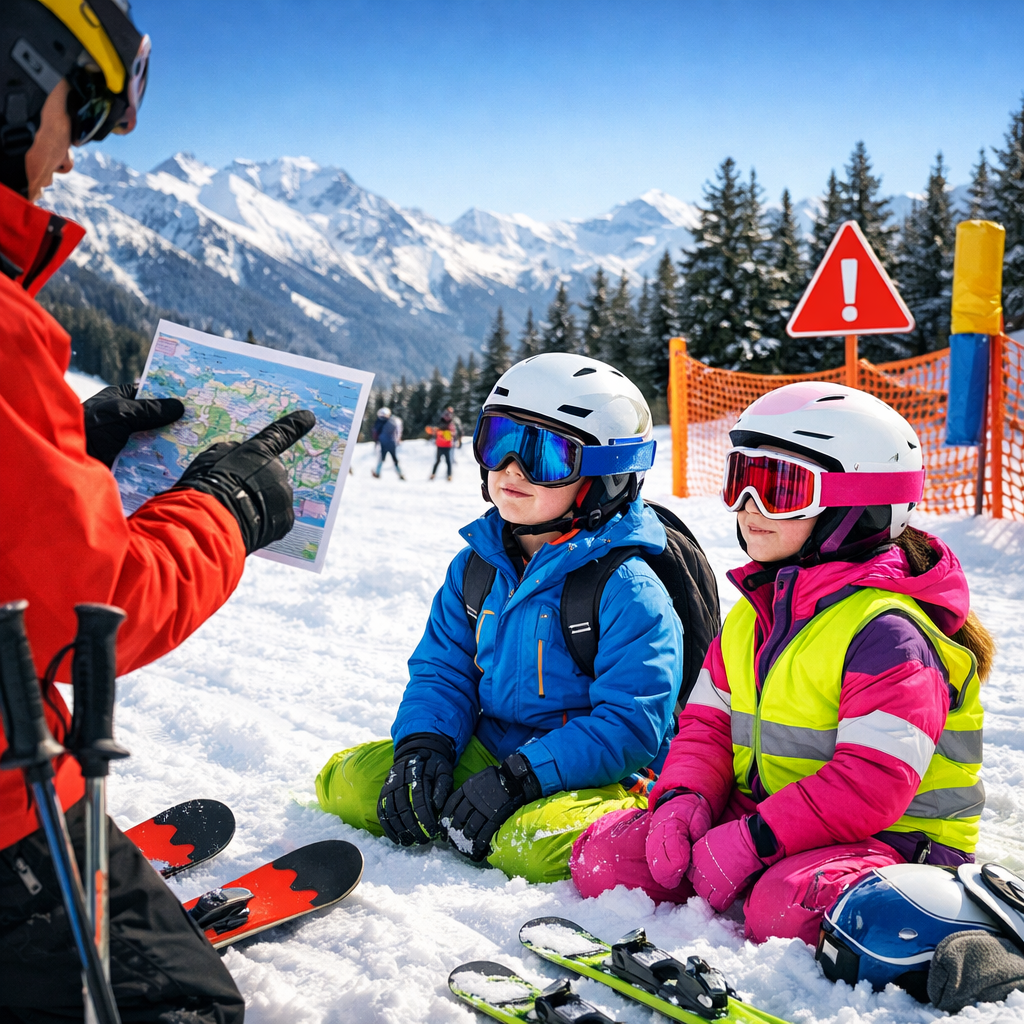

Skiing safety for kids starts before anyone clicks into their skis. For families, schools, and youth groups in Canada, the safest ski day begins with the right helmet, well-fitted equipment, clear slope rules, and supervision that matches a child’s age and skill level.
Whether children are joining a school trip, learning with parents, or taking lessons at a local hill, prevention matters. Good preparation helps reduce falls, head injuries, cold-related problems, and collisions with other skiers. The goal is not to make skiing feel stressful. It is to build safe habits so kids can learn with confidence and enjoy the day.
Why skiing safety for kids begins with preparation
Children often focus on fun first, but adults need to think ahead about conditions, gear, fatigue, and behaviour on the hill. A child who is too cold, wearing loose equipment, or skiing terrain beyond their ability is more likely to get hurt.
In Ontario and across Canada, ski days may involve changing weather, icy sections, wet snow, or reduced visibility. That means parents, teachers, coaches, and supervisors should check conditions, review resort rules, and make sure children know what to expect before they leave home.
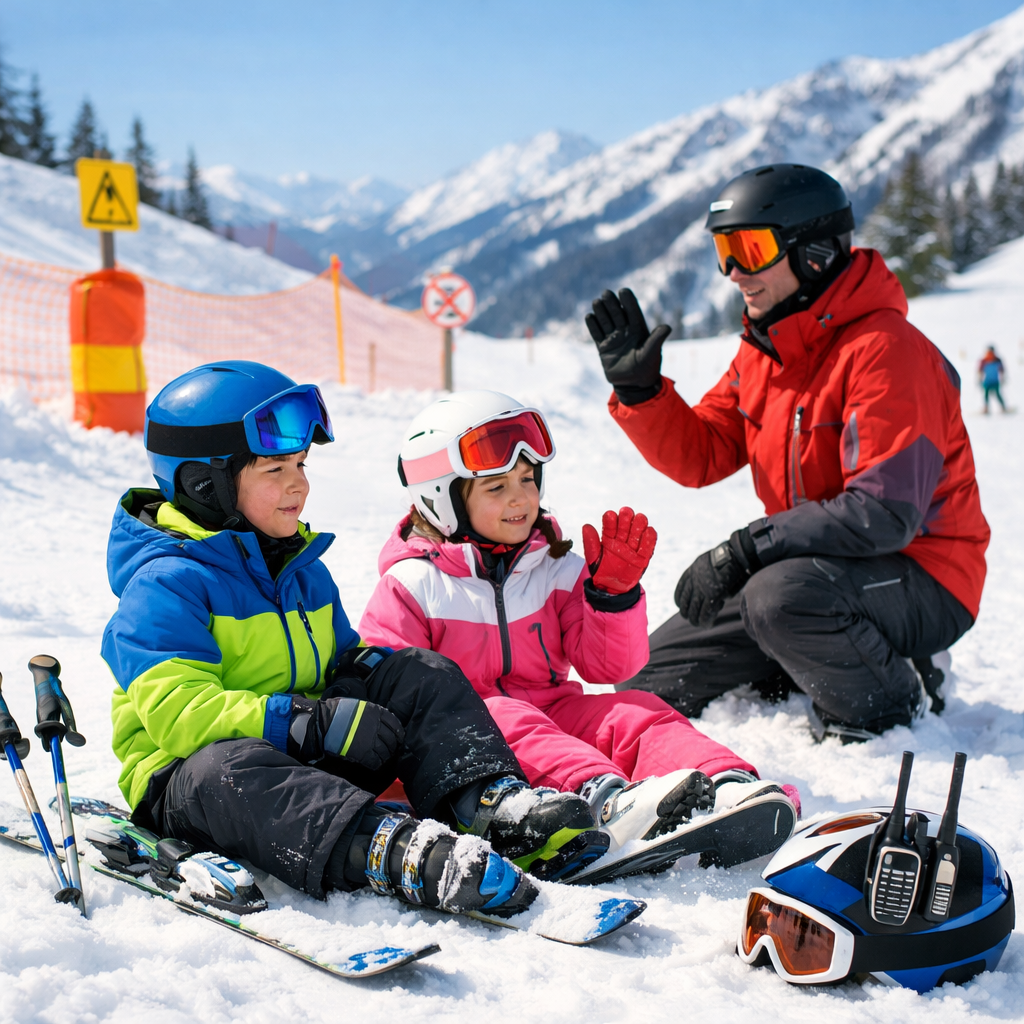
Pre-ski planning matters
- Choose terrain that matches the child’s ability level.
- Check that equipment was adjusted by a qualified ski shop technician.
- Dress in layers to manage cold, wind, and moisture.
- Review meeting points and supervision plans for school or family outings.
- Make sure children know basic lift, slope, and stopping rules.
For general health and safety guidance in Canadian settings, families and schools can review trusted resources from CCOHS, Ontario.ca, and Parachute. Practical safety learning resources may also be found at OHSE.ca.
Helmet and equipment essentials for skiing safety for kids
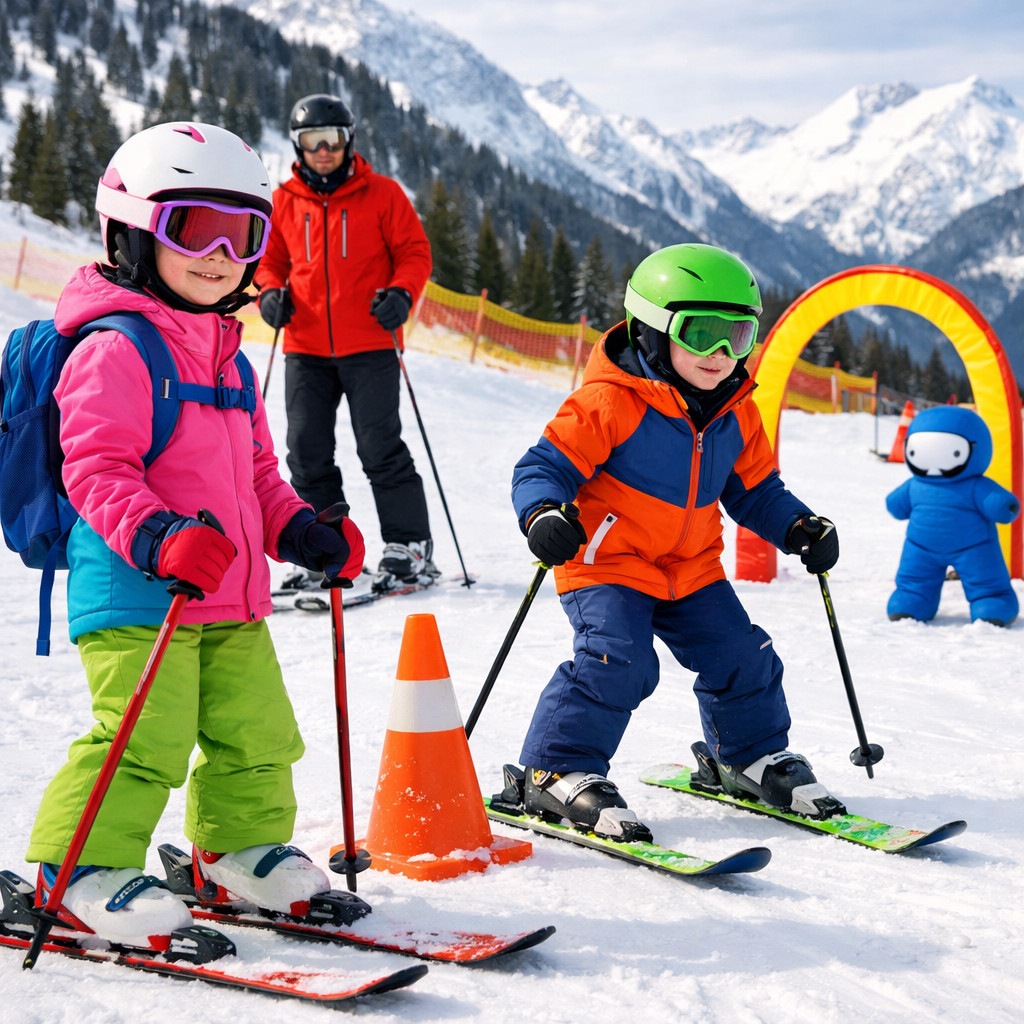
A properly fitted helmet is one of the most important pieces of ski equipment for children. It should sit level on the head, feel snug without painful pressure, and stay in place when the child moves their head. The chin strap should be secure, and the helmet should be designed for snow sports rather than biking or other activities.
Helmets work best when they are in good condition and used the way the manufacturer intended. If a helmet has taken a significant impact, follow the manufacturer’s guidance about replacement. Children should also avoid wearing bulky hats under a helmet if that affects fit.
Key equipment to check
Beyond the helmet, every part of a child’s ski setup should support balance, warmth, visibility, and control.
| Equipment | What to check | Why it matters |
|---|---|---|
| Helmet | Snug fit, secure strap, snow-sport design | Helps protect the head during falls or collisions |
| Goggles or eye protection | Clear vision, comfortable fit, suitable for weather | Improves visibility and protects eyes from wind and snow |
| Jacket and snow pants | Warm, dry, layered, easy to move in | Reduces cold stress and discomfort |
| Gloves or mittens | Insulated, dry, secure fit | Keeps hands warm and supports grip |
| Boots | Proper size, snug heel, no painful pressure points | Improves control and comfort |
| Bindings and skis | Professionally adjusted for height, weight, age, and skill | Supports safer release and better handling |
Loose scarves, long straps, or clothing that can catch on lifts should be avoided. Neck warmers are often a safer choice than trailing items. Sunscreen and lip protection are also useful because winter sun and reflected light can still be harsh.
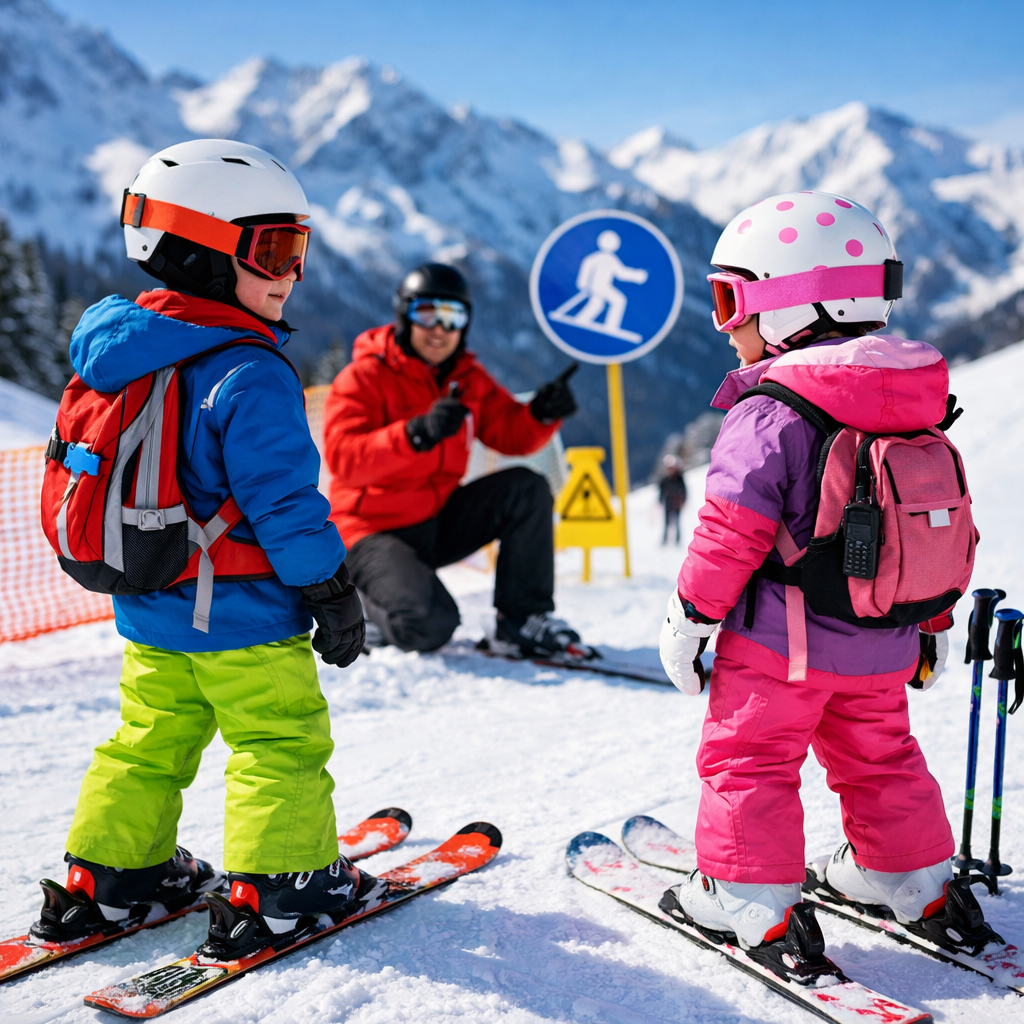
A practical equipment checklist
- Helmet fitted and fastened
- Goggles or sunglasses suited to conditions
- Water-resistant outer layer
- Warm base and mid-layers
- Dry gloves or mittens
- Properly fitted boots
- Bindings adjusted by a qualified technician
- Extra socks and a dry change of gloves if needed
Slope rules every child should know
Skiing safety for kids depends not only on gear but also on behaviour. Even beginners need clear, simple rules they can remember and follow on every run. These rules are especially important during school trips, busy weekends, and mixed-skill public sessions.
Core slope habits to teach early
- Stay in control and ski at a speed you can manage.
- Look uphill before starting or merging onto a run.
- Give other skiers and riders enough space.
- Stop only where you can be seen and where you do not block the trail.
- If you fall, move to the side as soon as it is safe.
- Follow signs, boundary markers, and staff instructions.
- Use lifts properly and ask for help if unsure.
Children should also understand that terrain parks, jumps, and more advanced runs are not beginner spaces. A child may feel confident after a few runs, but confidence can rise faster than actual skill. Adults should set limits based on ability, not enthusiasm.
For schools and organized groups, supervisors should establish buddy systems, designated check-in times, and a clear process if a child becomes separated from the group. Local hill rules should always take priority, and staff directions should be followed immediately.
Common risks, supervision, and smart prevention steps
Most ski-related problems for kids happen because several small issues combine at once: poor fit, fatigue, weather exposure, inexperience, and crowded slopes. A prevention-focused approach works best. In safety planning, this is similar to using layers of protection rather than depending on just one control.
Applying simple risk controls
Adults can think about skiing safety for kids in a practical order:
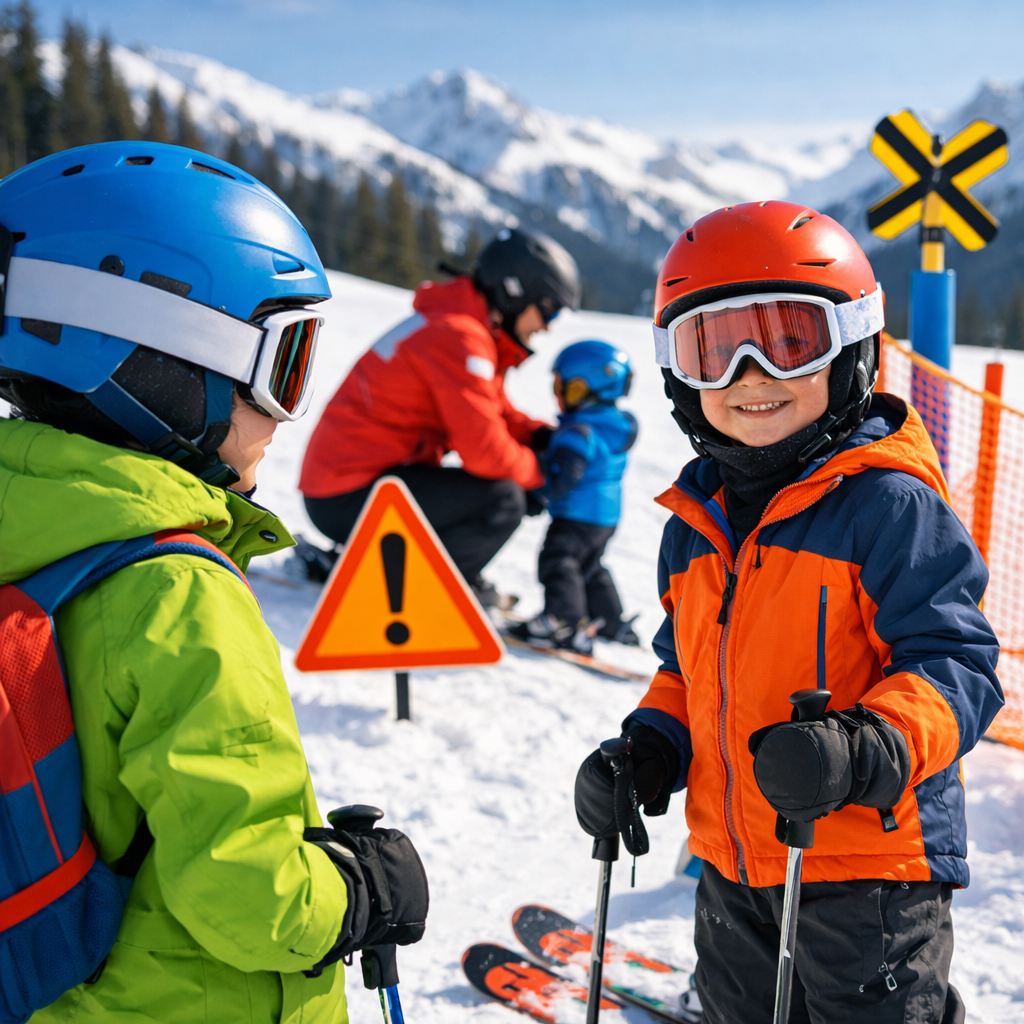
- Eliminate or avoid: Skip unsafe terrain, poor weather windows, or equipment that does not fit.
- Substitute: Choose easier runs, shorter ski sessions, or formal lessons for new skiers.
- Engineering and equipment: Use properly adjusted bindings, helmets, and weather-appropriate gear.
- Administrative controls: Set rules, supervise actively, use buddy systems, and plan meeting points.
- Personal protective equipment: Helmets, eye protection, and proper winter clothing support the overall plan.
This kind of layered prevention is familiar in occupational and school safety contexts and aligns with the practical approach encouraged by organizations such as CCOHS. If a school or youth organization provides winter activity orientation, additional awareness training through resources such as OHSE learning programs may also support safer planning.
Watch for fatigue and cold
Young skiers may not always say when they are tired, cold, frustrated, or scared. Those signs matter. Fatigue can reduce coordination and judgment, and cold can make children rush, stop paying attention, or lose dexterity when handling equipment.
Build in warm-up breaks, snacks, hydration, and washroom stops. If a child is no longer skiing in control, is unusually quiet, or seems upset, it may be time for a break or to end the day. A shorter positive outing is often better than pushing too long.
When to seek help
If a child has a fall and may be injured, follow the ski area’s procedures and get help from resort staff or emergency responders on site. Avoid moving a child after a significant fall unless there is an immediate danger. Families, schools, and supervisors should follow local emergency guidance, school policies, manufacturer instructions, and the ski hill’s safety procedures.
Skiing safety for kids works best when adults combine proper helmets, well-fitted equipment, simple slope rules, and close supervision. With calm preparation and age-appropriate expectations, children can build strong habits that support safer skiing now and in the future. For Canadian families and schools, a practical prevention mindset is the best foundation for skiing safety for kids on every trip to the hill.
No comments yet