
Retail Worker Safety Risks: Key Hazards, Prevention Strategies, and Compliance Tips
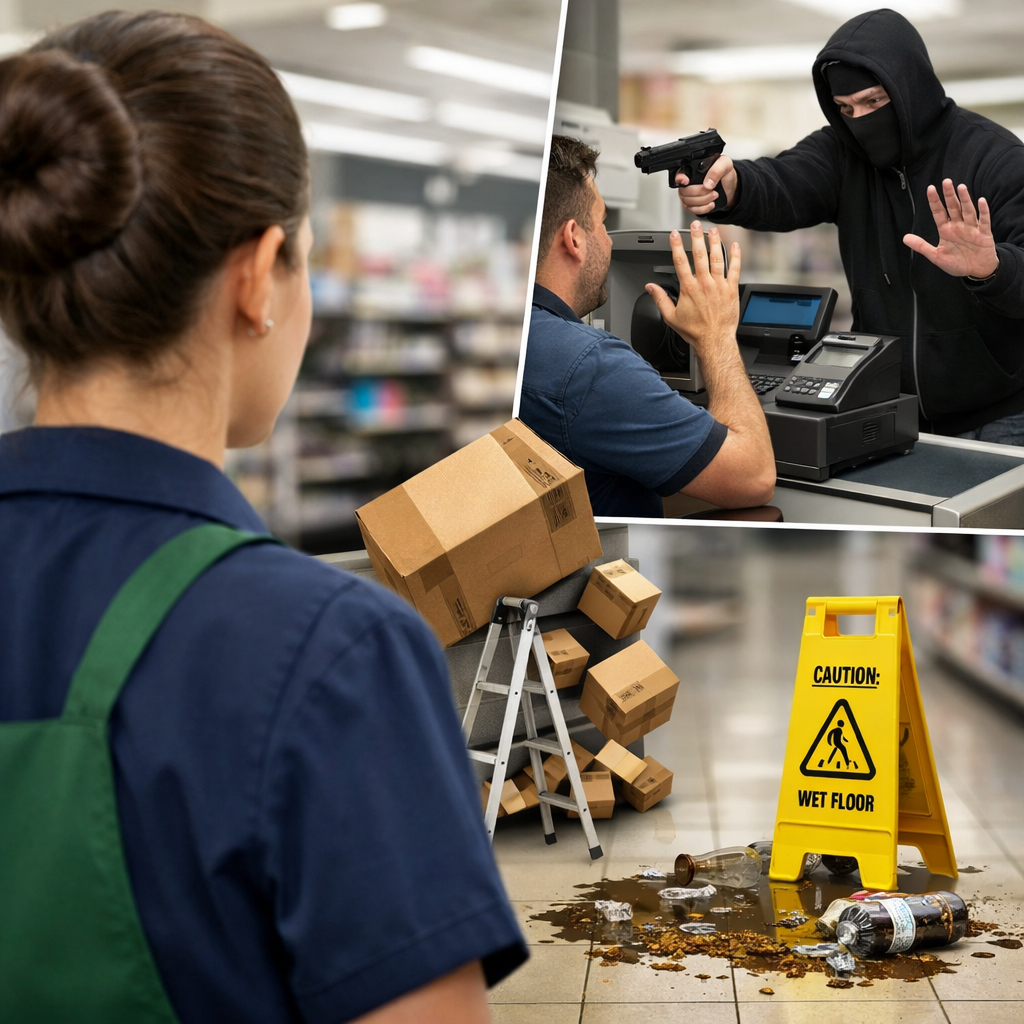

retail worker safety risks affect employees in every type of store, from supermarkets and pharmacies to fashion outlets and warehouse-style retailers.
While retail is often seen as a lower-risk industry, workers regularly face hazards linked to manual handling, slips and falls, customer aggression, fatigue, and unsafe equipment use.
For employers, managing these risks is not just about avoiding incidents. It is a core occupational health, safety, and environment responsibility that supports legal compliance, staff wellbeing, and smoother daily operations.
In practical terms, a safer store means fewer injuries, less downtime, lower compensation costs, and a better experience for both workers and customers.
Understanding Retail Worker Safety Risks in Daily Operations
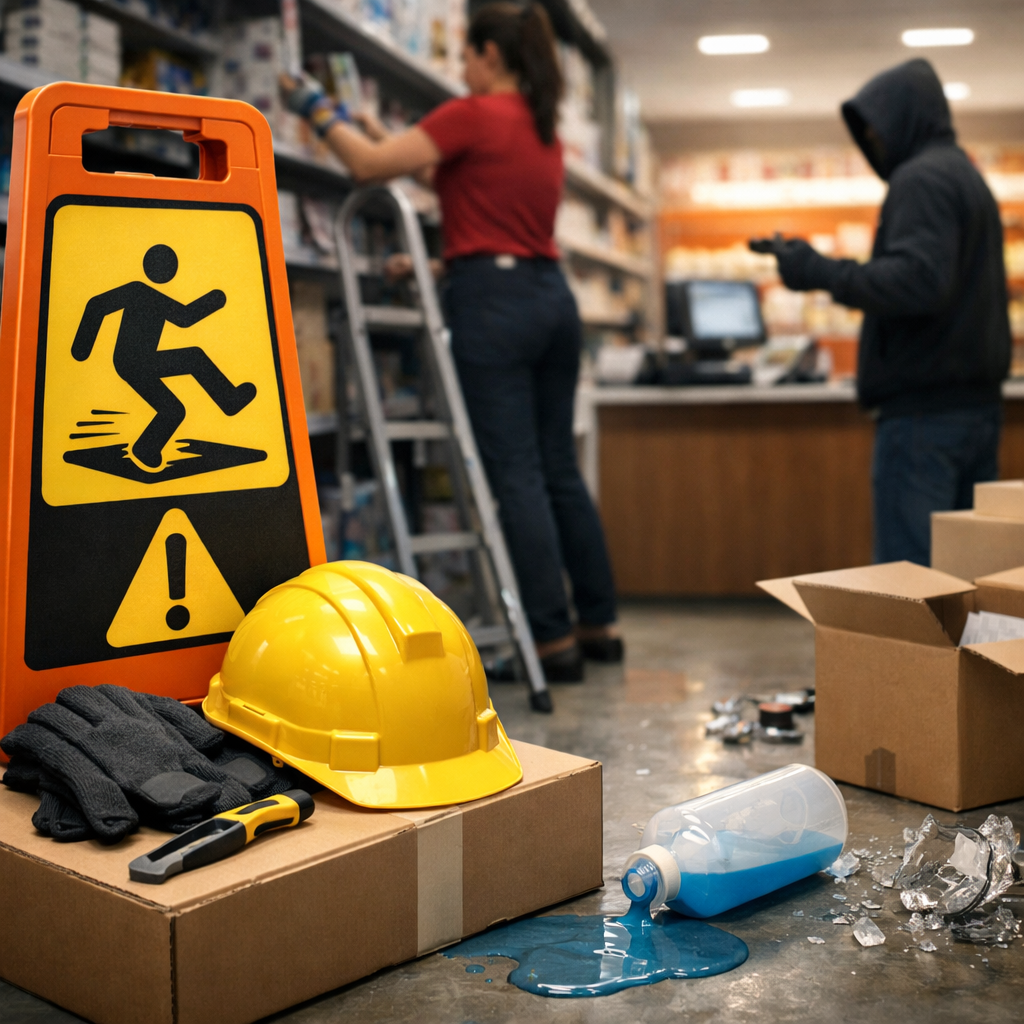
Retail worker safety risks often develop through routine tasks that seem harmless at first glance.
Stacking shelves, lifting cartons, operating ladders, standing for long hours, handling cash, and dealing with difficult customers can all create real safety concerns when controls are weak or missing.
Some of the most common retail hazards include:
- Slips, trips, and falls caused by wet floors, loose mats, cluttered aisles, trailing cords, or poor housekeeping
- Manual handling injuries from lifting stock, moving trolleys, unpacking deliveries, or repetitive bending and reaching
- Violence and aggression during customer disputes, theft incidents, late-night trading, or cash handling
- Ergonomic strain from prolonged standing, repetitive scanning, awkward postures, and poorly designed workstations
- Cuts and punctures from box cutters, broken glass, damaged shelving, or sharp packaging materials
- Electrical and equipment hazards involving faulty appliances, damaged leads, compactors, pallet jacks, or point-of-sale devices
- Fire and emergency risks linked to blocked exits, overloaded power boards, flammable stock, or poor evacuation planning
A busy retail environment can amplify these issues.
For example, during holiday periods, stores often bring in temporary staff, increase stock volumes, and extend trading hours. This combination can raise the chance of injury if induction, supervision, and housekeeping do not keep pace.
Practical Example: Stockroom and Shop Floor Hazards
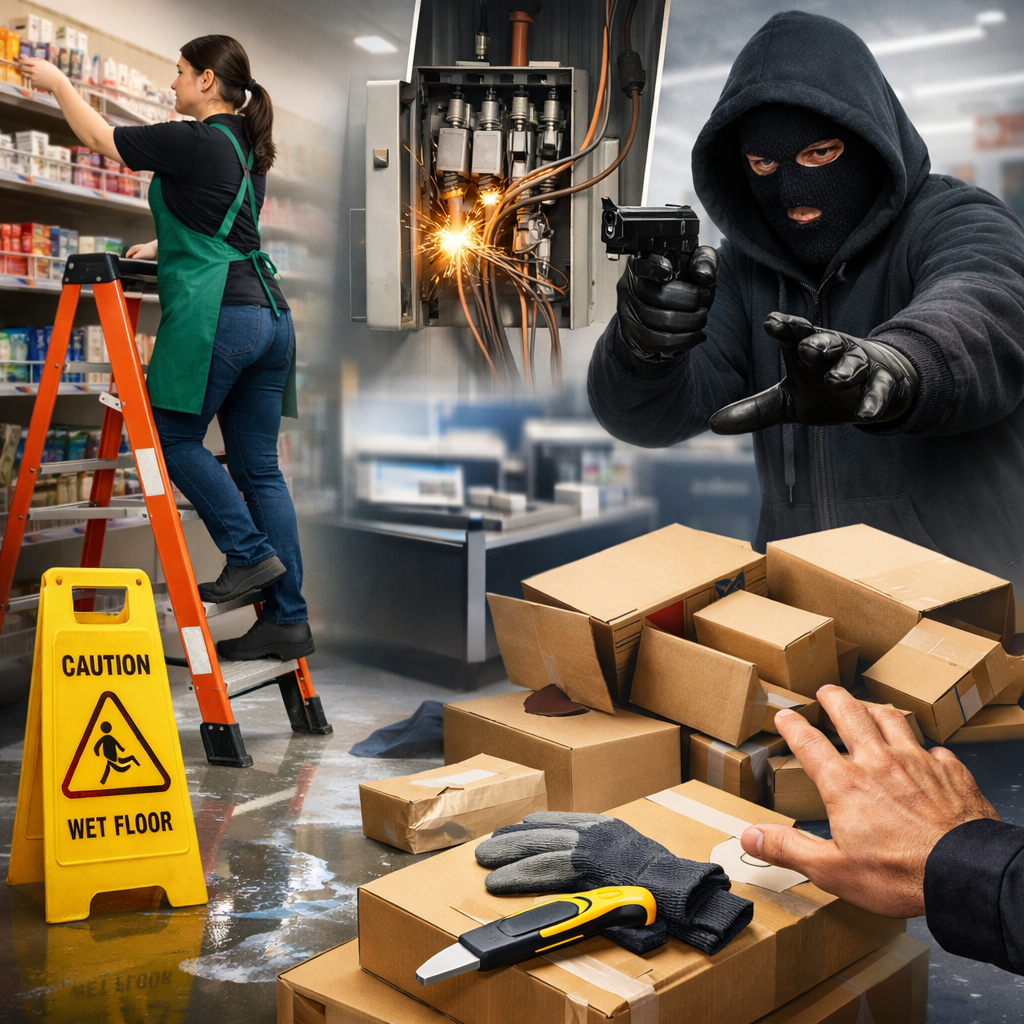
A common example involves a worker unloading a delivery in a crowded stockroom.
If cartons are stacked too high, aisles are blocked, and the employee uses an unstable step ladder to access upper shelves, the retail worker safety risks increase significantly. A single rushed task can lead to a fall, a back strain, or struck-by injuries from falling stock.
This is why risk assessment must consider both the physical space and the way work is actually performed.
Major Risk Areas and Their Impact on Workers
Retail worker safety risks can affect nearly every part of the body and can also create psychological harm.
Some injuries happen suddenly, while others develop gradually over weeks or months due to repeated exposure.
Manual Handling and Musculoskeletal Disorders
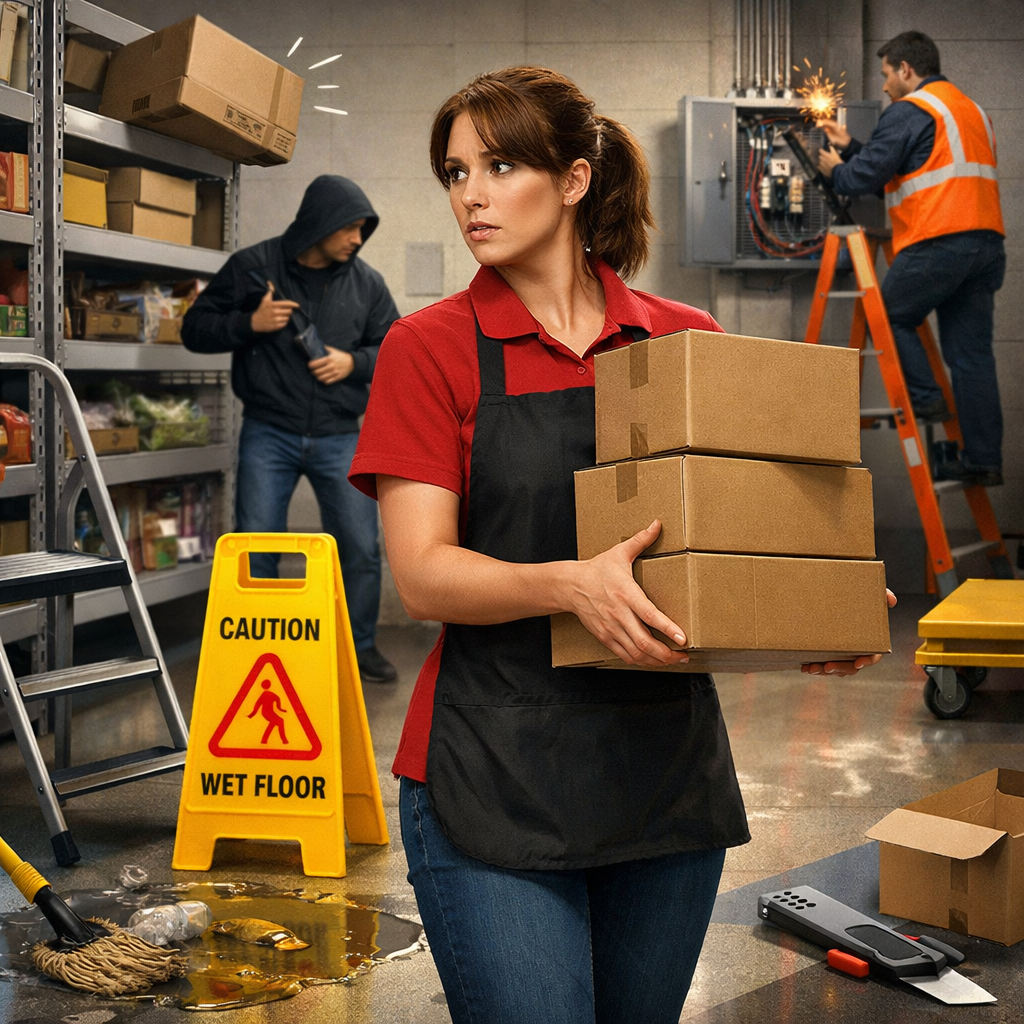
Workers frequently lift, carry, push, pull, and lower stock throughout the day.
Without training, mechanical aids, or smart storage design, this can result in sprains, strains, and chronic musculoskeletal disorders. Heavy items stored above shoulder height or below knee level are especially problematic.
Slips, Trips, and Falls
These remain among the most common incidents in retail settings.
Spilled liquids, recently cleaned floors, uneven surfaces, damaged tiles, and poorly lit back-of-house areas can all contribute. Even a minor fall can cause fractures, bruising, or lost-time injuries.
Workplace Violence and Psychological Risks
Retail workers may face verbal abuse, threats, harassment, and physical aggression.
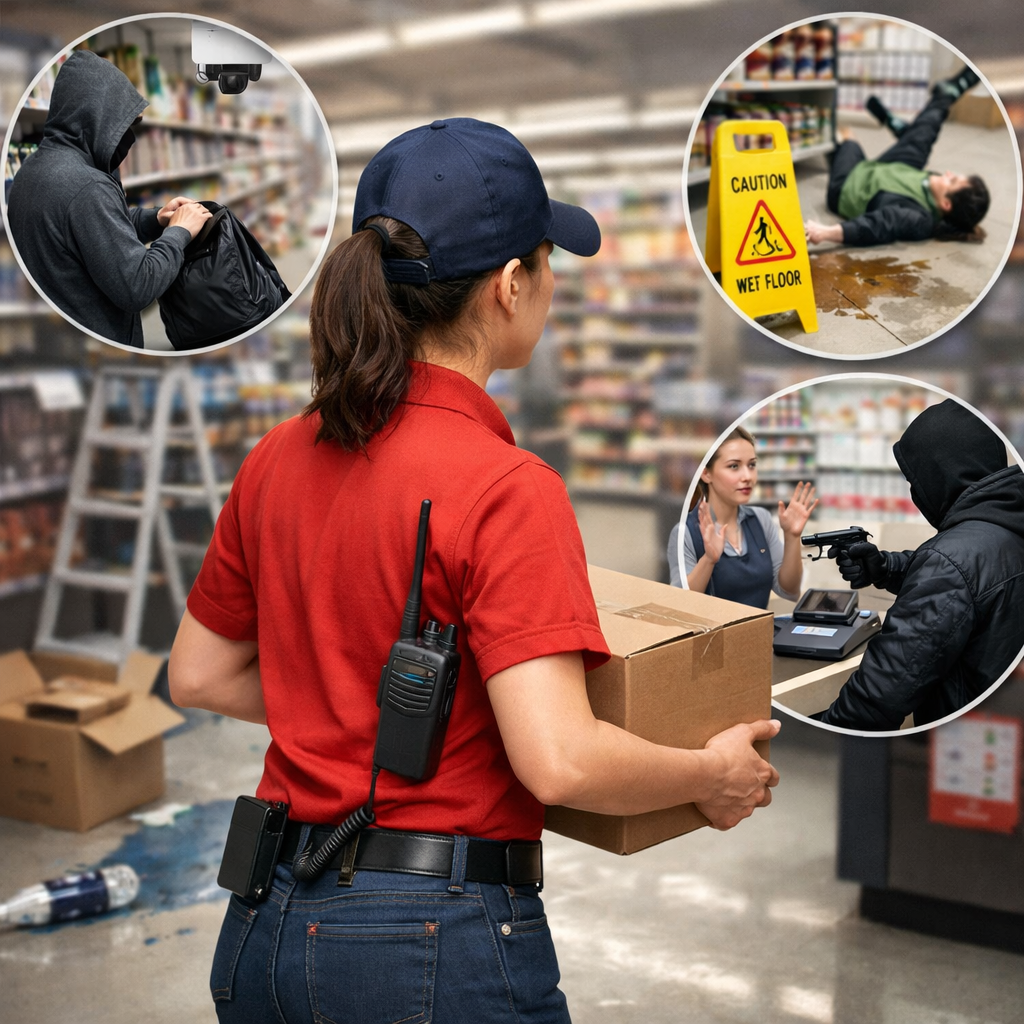
This is particularly relevant in liquor stores, convenience stores, service counters, and businesses operating late at night. The psychological effects can include anxiety, stress, burnout, and reduced confidence at work.
Guidance from organizations such as OSHA and CCOHS highlights the importance of violence prevention programs, reporting processes, and worker training.
Fatigue, Heat, and Repetitive Work
Long shifts, understaffing, poor break scheduling, and high customer volumes can create fatigue-related retail worker safety risks.
Tired workers are more likely to make errors, use poor lifting technique, miss hazards, or respond slowly in emergencies. Repetitive tasks such as scanning items or folding stock can also contribute to cumulative strain injuries.
| Risk Area | Typical Cause | Possible Outcome |
|---|---|---|
| Manual handling | Lifting heavy or awkward stock | Back strain, shoulder injury |
| Slips and trips | Wet floors or cluttered walkways | Falls, fractures, bruising |
| Violence | Customer conflict or theft | Stress, trauma, physical harm |
| Ergonomic strain | Repetitive scanning or prolonged standing | Neck, wrist, leg, and back pain |
| Equipment hazards | Faulty electrical tools or ladders | Shock, cuts, falls |
Prevention Measures, PPE, and the Hierarchy of Controls
Managing retail worker safety risks works best when employers apply the Hierarchy of Controls.
This means starting with the most effective control measures before relying on worker behaviour alone.
Applying the Hierarchy of Controls
- Elimination: Remove unnecessary hazards, such as excess floor clutter or broken equipment
- Substitution: Replace unsafe tools or chemicals with safer alternatives
- Engineering controls: Install anti-slip flooring, safer shelving, guards, improved lighting, or mechanical lifting aids
- Administrative controls: Use safe work procedures, training, shift planning, signage, inspections, and incident reporting
- PPE: Provide suitable personal protective equipment where hazards remain
In retail, administrative controls are common, but they should not be the only line of defence.
For example, telling staff to “lift safely” is less effective than redesigning storage heights and providing trolleys or pallet aids.
PPE for Retail Environments
PPE requirements depend on the type of store and task being performed.
While not every retail role needs extensive PPE, it still plays an important part in reducing residual risk.
- Slip-resistant footwear for wet or fast-paced areas
- Cut-resistant gloves for unpacking stock or handling sharp materials
- High-visibility clothing in loading docks or vehicle interaction areas
- Back support policies only where evidence-based and not used as a substitute for proper controls
- Protective gloves for cleaning chemicals, in line with hazard communication requirements
PPE must fit properly, be maintained, and be supported by training.
If workers do not understand when and how to use it, its value is limited.
Practical Prevention Steps
Simple improvements can reduce retail worker safety risks quickly and effectively:
- Keep aisles, exits, and stockrooms clear at all times
- Clean spills immediately and display warning signs
- Store heavy items between knee and shoulder height
- Inspect ladders, trolleys, and electrical equipment regularly
- Train staff in de-escalation and robbery response
- Rotate repetitive tasks where possible
- Schedule adequate breaks during peak periods
- Review staffing levels for high-risk trading hours
Retailers can also strengthen prevention through regular toolbox talks, supervisor checks, and refresher training. A strong workplace risk assessment process and clear incident reporting procedures help identify patterns before they become serious injuries.
Compliance, Training, and Building a Safer Retail Culture
Retail worker safety risks should be managed through a structured safety system, not informal habits alone.
Employers have a duty to provide safe work, safe equipment, information, training, supervision, and emergency preparedness in line with applicable occupational health and safety laws.
Compliance obligations may vary by region, but the principles are consistent. Hazards must be identified, risks assessed, and controls implemented and reviewed. Workers should also be consulted, especially because they often know where day-to-day hazards actually exist.
Training and Supervision
Effective training should cover induction, manual handling, emergency response, hazardous substances, ladder use, violence prevention, and reporting expectations.
New starters, young workers, and temporary seasonal staff are often at higher risk because they may be unfamiliar with store layouts, procedures, and equipment.
Supervision matters just as much as training.
If managers ignore blocked exits, unsafe stacking, or aggressive customer behaviour, workers may assume those conditions are acceptable. Safety culture is shaped by what leaders enforce every day.
Monitoring and Continuous Improvement
Retail businesses should review incidents, near misses, absenteeism trends, and worker feedback to understand where retail worker safety risks are increasing.
Regular inspections, consultation meetings, and corrective action tracking create a cycle of improvement that supports both compliance and injury prevention.
A practical example is a store that notices repeated ankle injuries in the receiving area.
Instead of treating each case separately, management investigates floor condition, housekeeping, lighting, footwear, delivery timing, and congestion. This broader approach often reveals system failures that can be fixed permanently.
Retail worker safety risks are real, varied, and highly relevant to modern OHSE management.
From manual handling and slips to violence, fatigue, and poor ergonomics, these hazards can cause significant physical and psychological harm if left unmanaged. The most effective response combines risk assessment, the Hierarchy of Controls, appropriate PPE, legal compliance, and practical worker-focused prevention.
When retailers invest in safer layouts, better equipment, stronger training, and consistent supervision, they reduce injuries and build a more resilient workplace. Addressing retail worker safety risks proactively is not only a compliance requirement but also a smart operational decision that protects people and supports long-term business performance.
No comments yet