
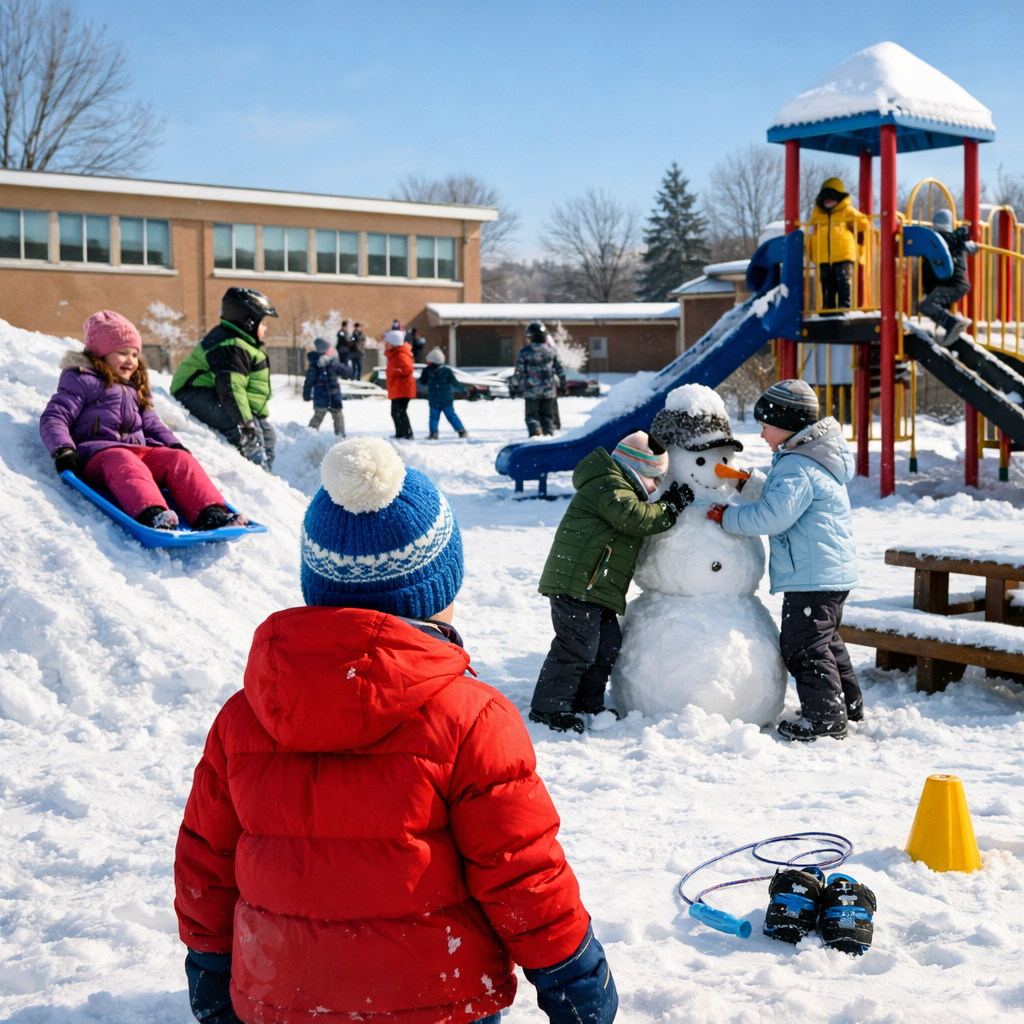

Winter recess safety matters every school day when snow, ice, wind, and cold temperatures turn a normal playground into a place with extra hazards. Recess is important for movement, social development, and fresh air, but schools, parents, and students all need clear, practical rules to help prevent slips, falls, cold stress, and unsafe play.
In Canadian schools, especially in Ontario, winter conditions can change quickly between the morning bell and lunch break. A safe approach means planning ahead, checking the environment, dressing properly, supervising effectively, and teaching children simple habits they can actually remember. The goal is not to remove outdoor play. The goal is to make outdoor play safer, calmer, and more organized.
Why winter recess safety needs a shared plan
Winter recess safety works best when schools, families, and students understand their part. Schools manage supervision, yard conditions, rules, and communication. Parents and caregivers prepare children with proper clothing and reinforce safe behaviour. Students learn what safe winter play looks like and when to ask for help.
Winter hazards at recess are usually predictable. Ice can form on walkways, packed snow can hide uneven ground, and wet gloves or boots can increase discomfort and distraction. Snowbanks can also create visibility problems for supervisors or invite risky climbing. When adults treat these hazards as manageable rather than unavoidable, schools can reduce incidents and make expectations consistent.
In a school safety culture, prevention is stronger than reaction. That means identifying hazards before recess starts, not after a student gets hurt. For broader workplace and school safety guidance, schools and families can review resources from CCOHS, Ontario.ca, and Parachute. Additional practical safety information is also available at OHSE.ca.
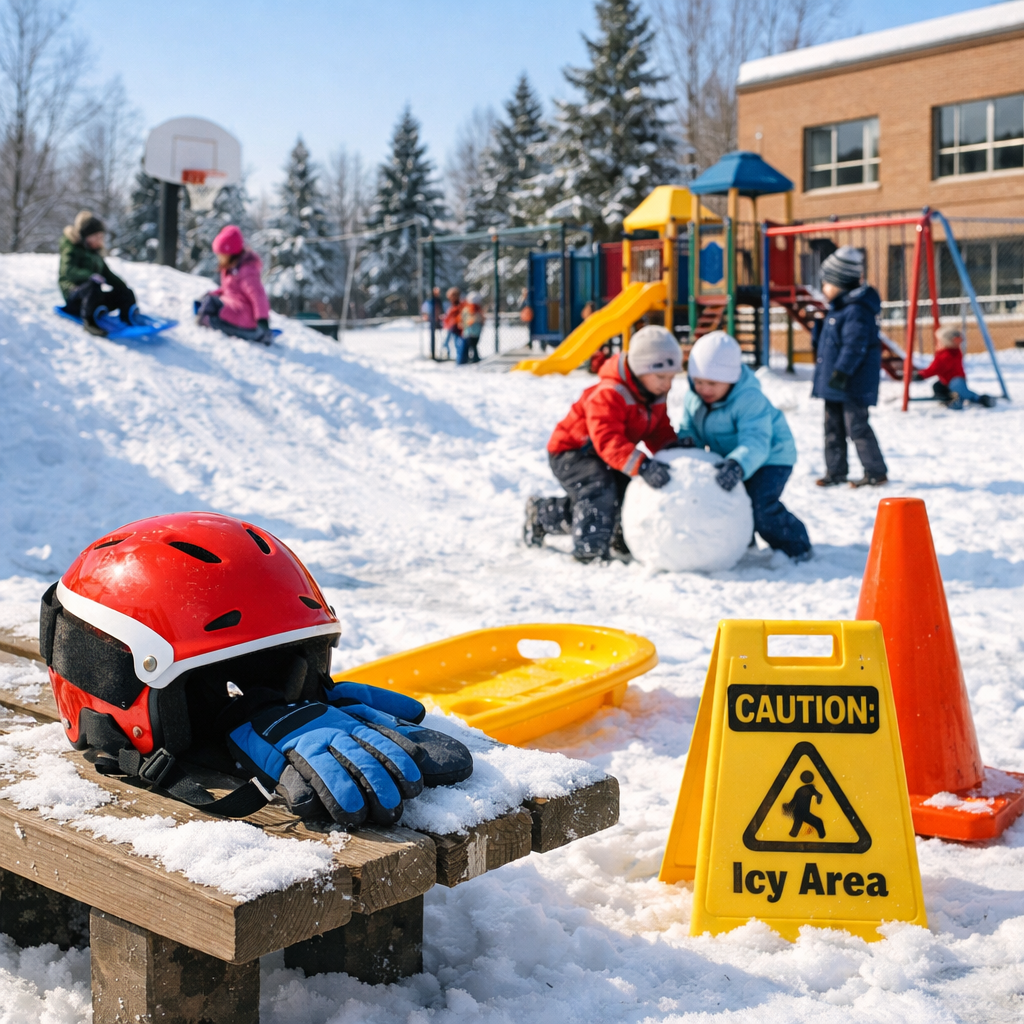
Winter recess safety rules for schools and staff
Inspect the yard before students go outside
One of the most effective winter recess safety steps is a simple pre-recess inspection. Staff should look for icy patches, blocked exits, poor drainage, broken equipment, exposed obstacles, and areas where snow has reduced visibility. If a section of the yard is unsafe, it should be restricted until it is corrected.
This reflects the basic safety principle of controlling hazards at the source where possible. In practice, that may mean salting or sanding walkways, clearing entrances, redirecting foot traffic, or closing off high-risk play areas. These are practical examples of the hierarchy of controls in a school setting: remove the hazard where possible, reduce exposure where needed, and support safe behaviour with rules and supervision.
Set age-appropriate winter play rules
Children need clear and simple rules they can remember in real time. Winter rules should be reviewed before the season starts and reinforced regularly. Staff should use language that is direct and consistent across the school.
- Walk on icy surfaces and near doors.
- Keep snow on the ground unless a supervised activity allows otherwise.
- Do not throw ice chunks or hard-packed snow.
- Stay off snowbanks if visibility or footing is poor.
- Use playground equipment only if it is safe, clear, and permitted in winter conditions.
- Tell an adult right away if gloves, boots, or clothing become soaked.
- Go indoors or report symptoms if feeling unusually cold, numb, dizzy, or unwell.
Match supervision to winter conditions
Good supervision is not just being present. It means supervisors are positioned where visibility is strongest, circulation routes are monitored, and higher-risk zones get extra attention. During snowy or icy days, entrances, slides, climbing areas, and snowbanks often need closer watching than open areas.
Schools should also have a weather-based process for modifying recess, shortening outdoor time, or moving students indoors when local conditions are too severe. Follow local school board procedures and applicable guidance from school administration and public authorities. When staff training is part of the plan, schools may also benefit from resources such as OHSE training.
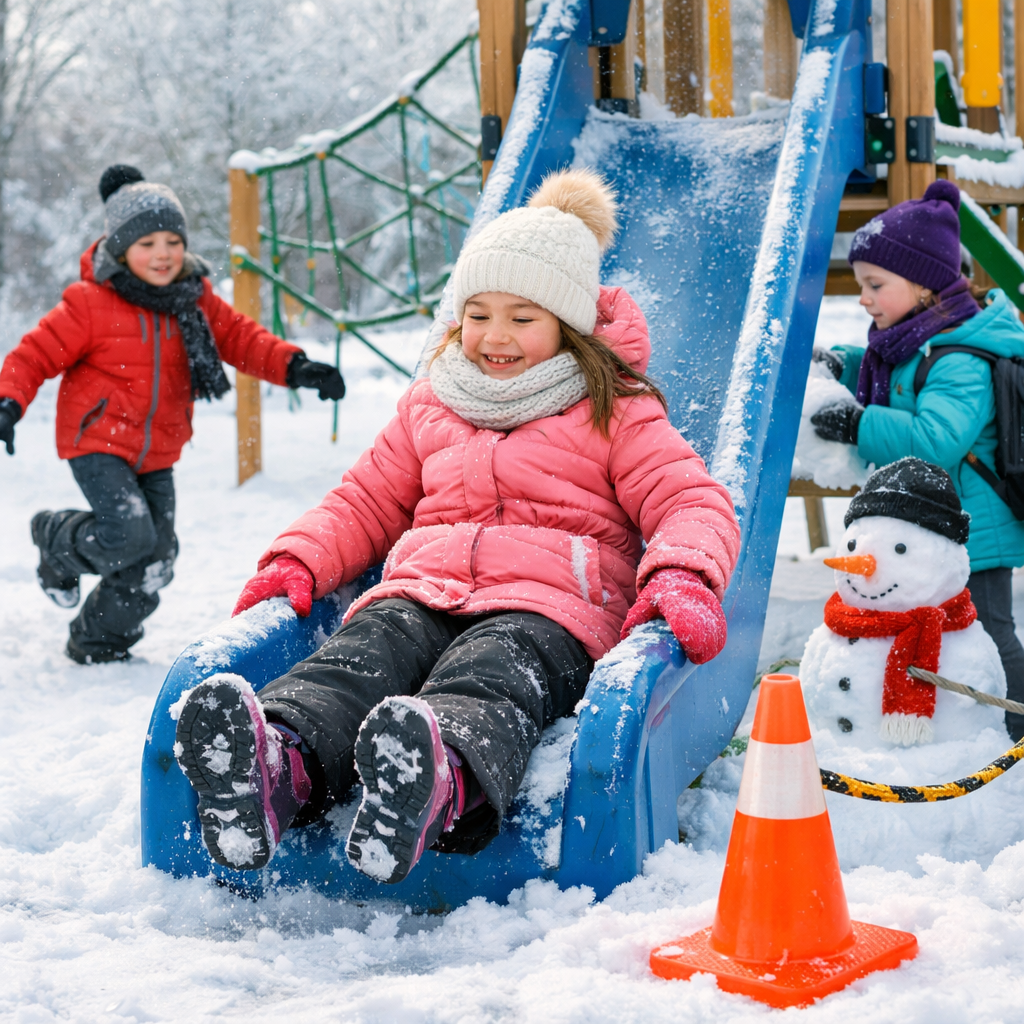
Winter recess safety tips for parents and caregivers
Dress children for cold, wet, and active conditions
Winter recess safety starts at home with clothing that fits the weather and the activity level. Children who are too cold may rush, ignore rules, or stop paying attention. Children who are wet may become uncomfortable quickly and struggle to stay focused in class after recess.
Parents should send layers that are easy to move in, plus winter boots with traction, mittens or gloves, a hat, and outerwear suited to snow and wind. A spare pair of socks or mittens in a backpack can make a big difference after slushy play. Labels on clothing also help schools return items quickly during a busy day.
Teach simple habits children can remember
Young students do best with short reminders they can use on their own. Instead of long safety lectures, families can repeat a few practical rules before school. For example: walk on ice, keep mittens on, stay where adults can see you, and tell someone if you are cold or hurt.
Parents can also reinforce that winter gear is safety equipment, not just comfort clothing. Boots help reduce slips. Mittens reduce skin exposure. Hats help retain warmth. Children are more likely to cooperate when they understand why these items matter.
Winter recess safety habits students should learn
Make safe choices during play
Students play an important role in winter recess safety. Even younger children can learn to slow down on ice, take turns on equipment, and avoid rough games when the ground is hard or slippery. Older students can also model safer behaviour for younger peers by keeping pathways clear and respecting winter rules.
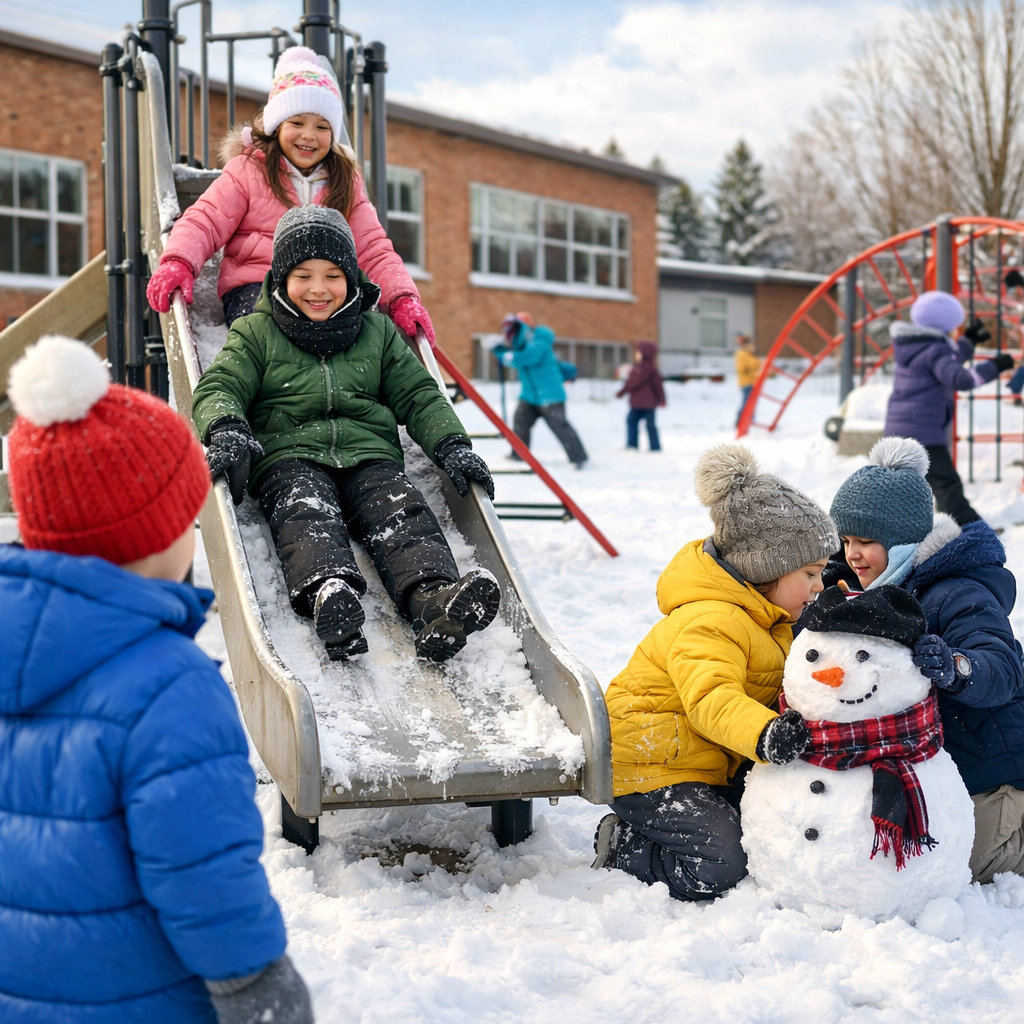
It also helps to teach students how winter conditions change normal risk. Running at full speed on packed snow is not the same as running on dry pavement. Climbing a snowbank beside a fence or near a parking area creates different hazards than climbing a designated structure. Children do not need fear-based messages; they need accurate examples and consistent boundaries.
Know when to get adult help
Students should be encouraged to speak up early. If a classmate falls hard, if someone is being unsafe, if an icy area appears, or if winter clothing becomes too wet, a supervisor should be told right away. Prompt reporting helps adults act before a small issue becomes a larger one.
| Winter hazard | Common risk | Practical control |
|---|---|---|
| Ice on walkways | Slips and falls | Salt or sand surfaces, slow walking, supervise entrances |
| Wet clothing | Cold stress and discomfort | Dress in layers, send spare items, report soaked gear |
| Snowbanks | Falls, hidden hazards, poor visibility | Restrict unsafe areas, set boundary rules, monitor closely |
| Hard-packed snow or ice chunks | Impact injuries | No throwing hard snow or ice, reinforce calm play rules |
A short winter recess safety checklist for every school day
A simple checklist makes winter recess safety easier to apply consistently. Schools can adapt this to local procedures, student age, and weather conditions.
- Schools: inspect the yard, clear hazards, communicate any restricted areas, and position supervisors where visibility is best.
- Parents: send layered clothing, boots with grip, gloves or mittens, and a hat; pack spare items if needed.
- Students: walk on slippery surfaces, follow snow-play rules, keep winter gear on, and tell an adult about hazards or injuries.
- Everyone: follow local school guidance, manufacturer instructions for equipment, and emergency procedures where applicable.
Recess should still feel fun, active, and social in winter. With a calm plan and shared expectations, schools can reduce preventable injuries while keeping outdoor time positive and manageable. Winter recess safety is strongest when adults prepare the environment, families prepare the child, and students practise safe choices every day.
No comments yet