
whmis labeling requirements: Clear Rules Every Canadian Workplace Should Know

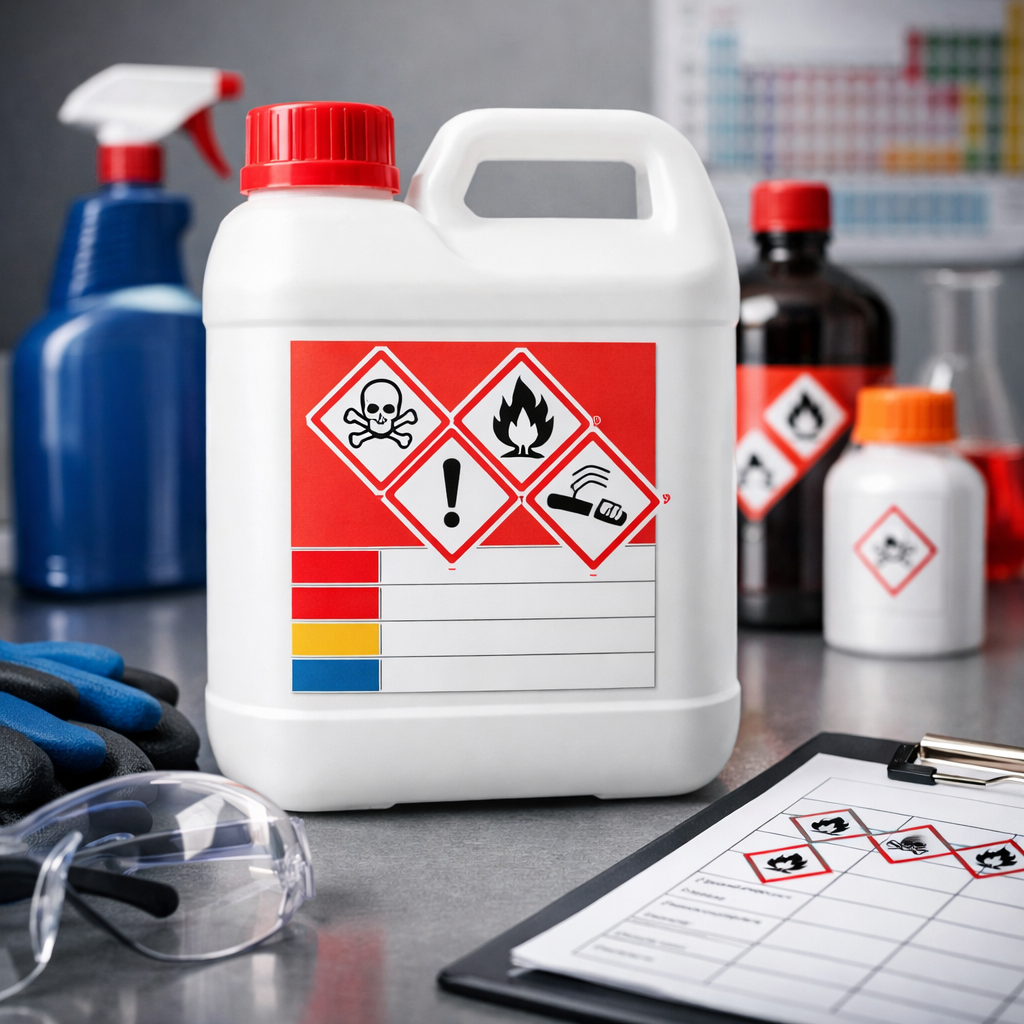
whmis labeling requirements are a core part of workplace health and safety in Canada.
When hazardous products are used, handled, or stored on the job, clear labels help workers identify risks quickly and respond safely.
From warehouses and manufacturing plants to laboratories, construction sites, and maintenance shops, proper labeling supports compliance and reduces the chance of injury, illness, and costly errors.
Under the Workplace Hazardous Materials Information System, employers must make sure hazardous products are properly identified, matched with current safety data sheets, and backed by worker education.
In practice, that means understanding the difference between supplier labels and workplace labels, knowing when each is required, and ensuring workers are trained to read and use the information.
Canadian employers can find guidance through CCOHS and federal or provincial occupational health and safety regulators.
Understanding whmis labeling requirements in Canada
whmis labeling requirements are based on Canadian hazard communication rules for hazardous products used in workplaces.
WHMIS aligns with the Globally Harmonized System, but Canada has its own legal framework and enforcement through federal, provincial, and territorial OHSE laws.
The purpose of a label is simple: to give workers immediate access to essential hazard information at the point of use.
A proper WHMIS label helps answer critical questions such as what the product is, what dangers it presents, how to protect against exposure, and what to do in an emergency.
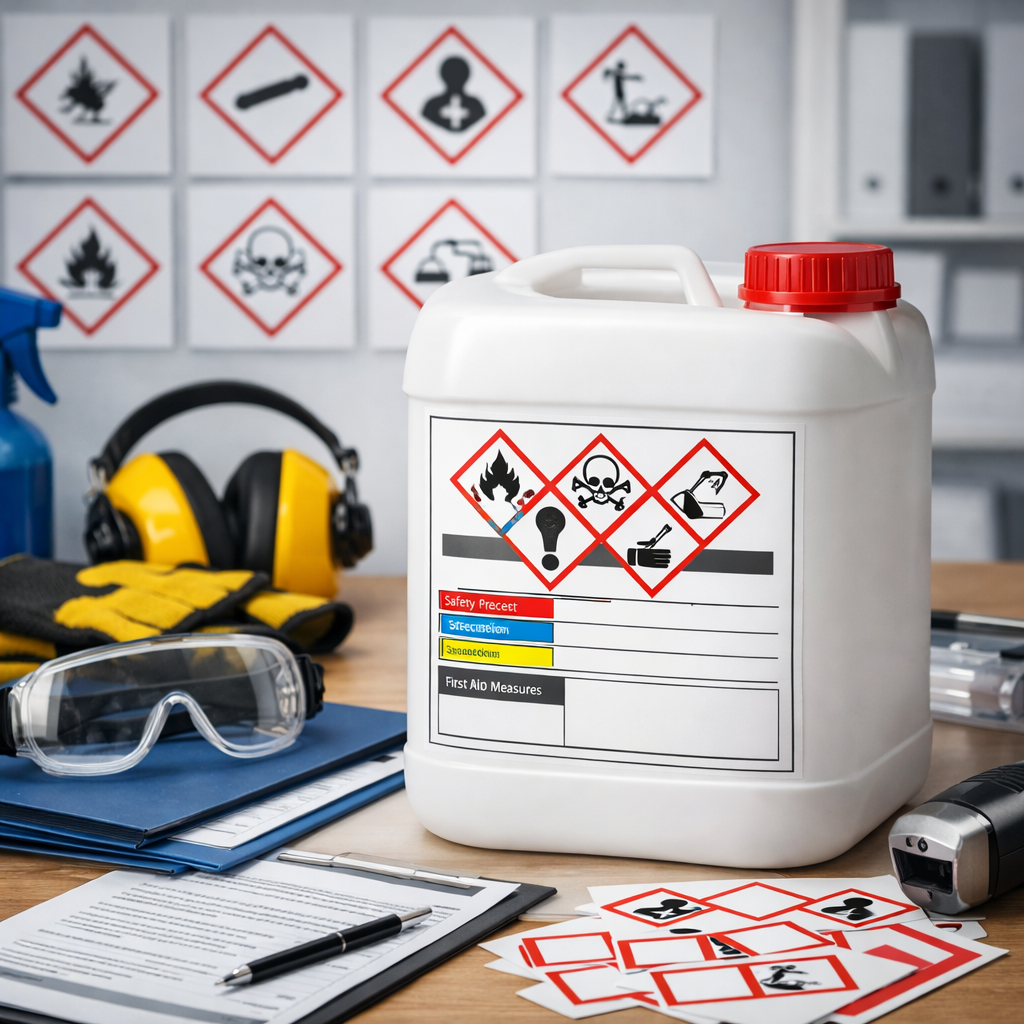
Labels work together with safety data sheets and worker training.
If one part is missing or outdated, the whole system becomes less effective.
Why labels matter on the job
Labels are often the first warning a worker sees before opening, pouring, mixing, or disposing of a hazardous product.
A missing label on a spray bottle, solvent drum, or decanted cleaning solution can lead to incorrect handling, chemical burns, inhalation exposure, fire risks, or incompatible mixing.
For example, if a maintenance worker transfers a corrosive degreaser into a secondary container without a workplace label, another employee may assume it is a general cleaner.
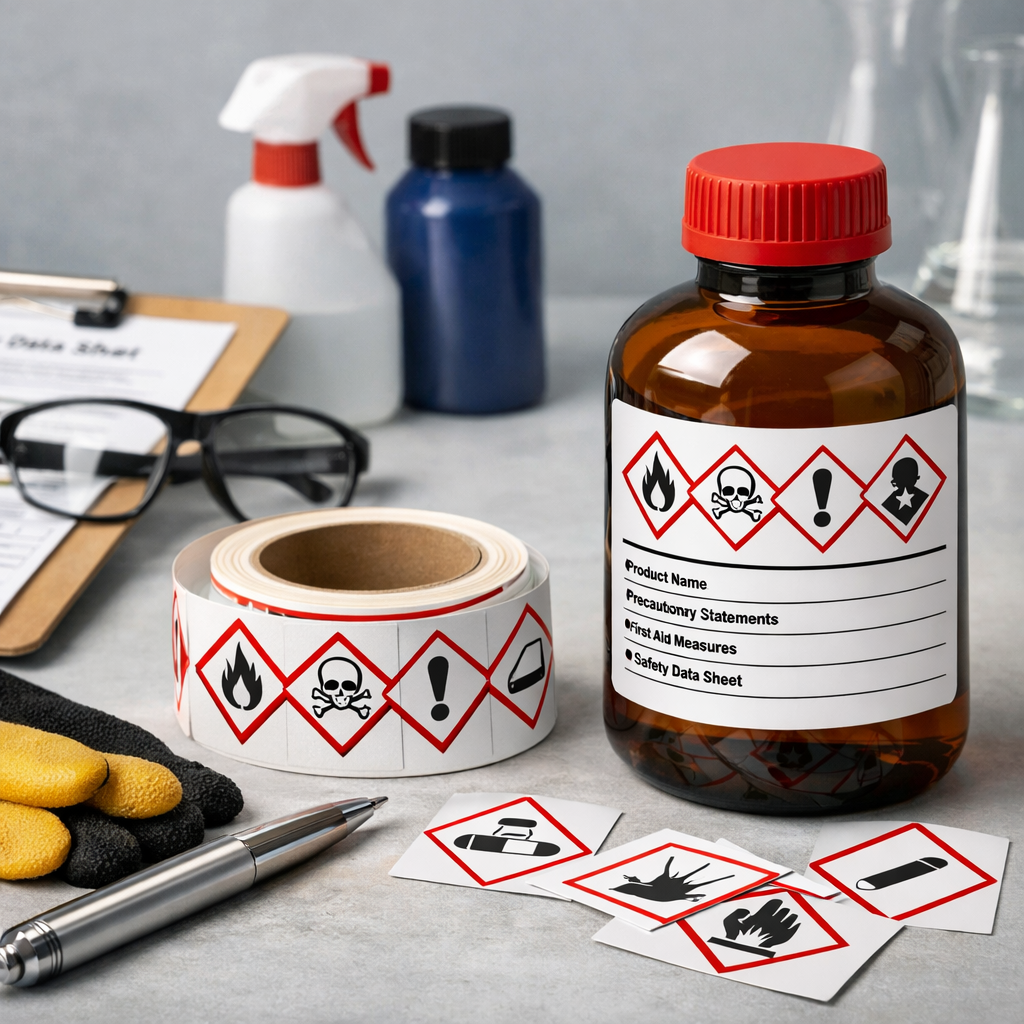
That kind of mistake can result in skin contact, respiratory irritation, or damage to equipment and surfaces.
This is where the Hierarchy of Controls also matters.
Labels are primarily an administrative control, but they support stronger controls like substitution, engineering controls, safe storage, and personal protective equipment.
Supplier labels and whmis labeling requirements
Supplier labels are provided by the manufacturer, importer, or distributor of a hazardous product.
These labels are required on the product when it arrives at the workplace and must be clear, durable, and easy to read.
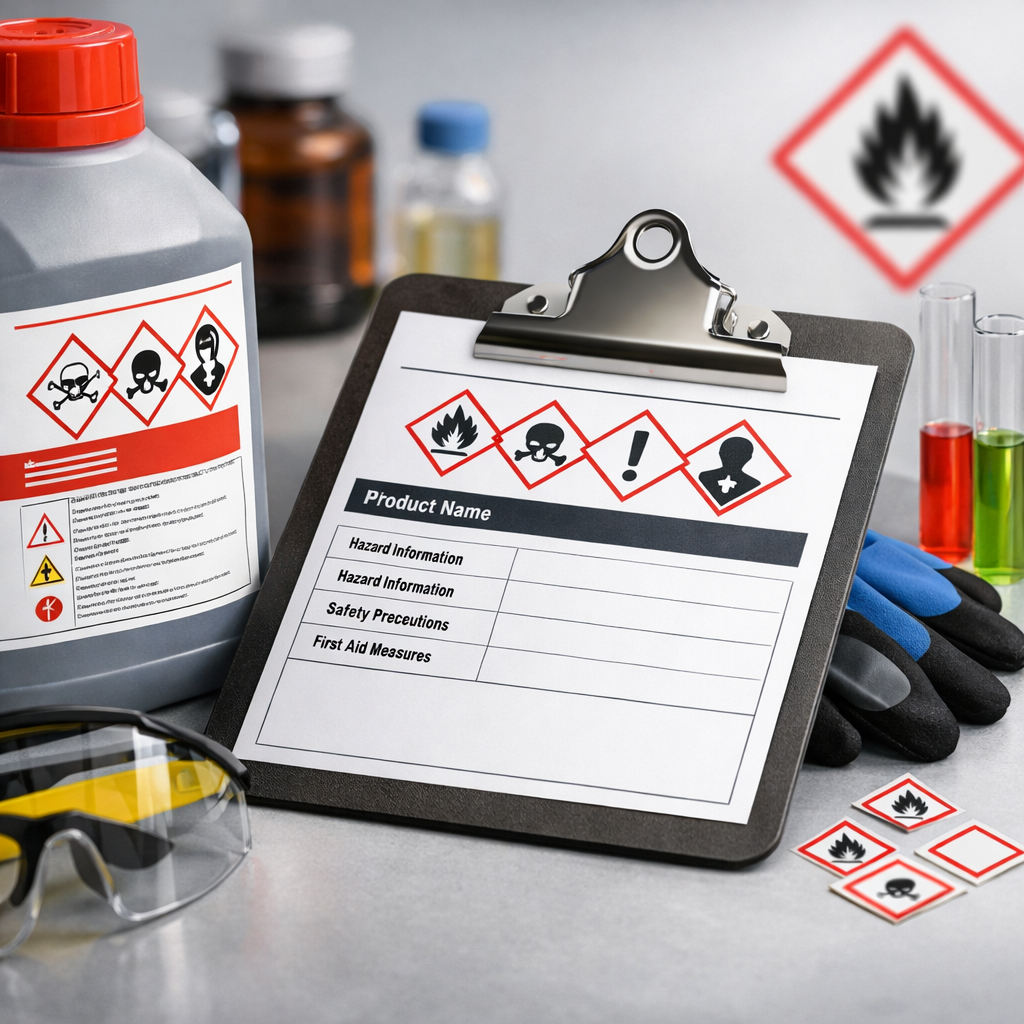
If a supplier label is missing, damaged, or unreadable, the product should not be used until the issue is corrected.
What a supplier label should include
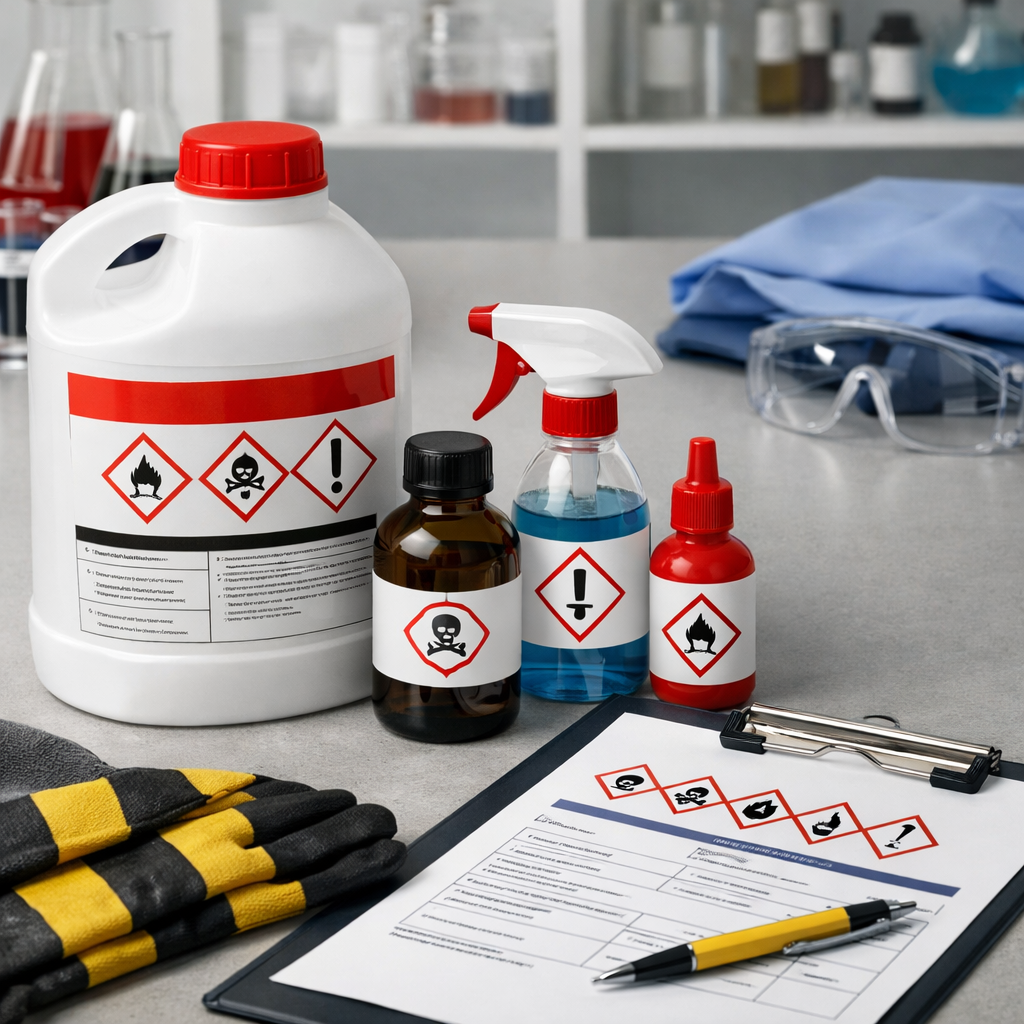
While exact presentation may vary, supplier labels generally include standardized information that helps workers identify the product and its hazards.
- Product identifier
- Initial supplier identifier
- Hazard pictogram(s)
- Signal word such as Danger or Warning
- Hazard statement(s)
- Precautionary statement(s)
These elements allow workers to recognize hazards quickly and connect the label to the safety data sheet.
For detailed Canadian guidance, employers often rely on Health Canada’s WHMIS resources.
When supplier labels become a problem
A supplier label may become illegible because of moisture, chemicals, abrasion, or routine handling.
Containers in production areas, wash bays, and outdoor storage yards are especially vulnerable.
Employers should include regular inspections as part of their hazard control process so damaged labels are caught early.
A simple check during receiving, storage, and weekly area inspections can prevent confusion later.
It also helps to store products in ways that protect labels from wear and to avoid placing products where residue or splashing will cover key information.
Workplace labels under whmis labeling requirements
Workplace labels are used when a hazardous product is produced in the workplace, transferred to another container, or when the original supplier label is missing or no longer readable.
This is one of the most misunderstood parts of whmis labeling requirements, especially in busy operations where products are frequently decanted into smaller containers for daily use.
What a workplace label must include
In Canada, a workplace label generally needs three pieces of information:
- The product name matching the safety data sheet
- Safe handling information
- A reference to the safety data sheet, if available
Unlike supplier labels, workplace labels do not require the full standardized supplier format.
However, they must still be clear enough for workers to understand the hazard and use the product safely.
| Label Type | When It Is Used | Typical Contents |
|---|---|---|
| Supplier Label | When the hazardous product is received from the supplier | Product identifier, supplier name, pictograms, signal word, hazard and precautionary statements |
| Workplace Label | When transferred, produced on-site, or when supplier label is missing or unreadable | Product name, safe handling information, reference to the safety data sheet |
Practical workplace examples
A janitorial team pours concentrated disinfectant from a large drum into smaller bottles for daily cleaning rounds.
Each bottle needs a workplace label unless the product is used immediately by the worker who decanted it and remains under that worker’s control.
In a manufacturing plant, a technician fills a secondary container with flammable solvent for use across several shifts.
That container must be labeled so every worker understands the fire hazard, ventilation needs, and required PPE.
For more guidance on day-to-day OHSE systems, employers may also connect labeling practices to their workplace hazard assessment and safety data sheet management procedures.
Training, inspections, and compliance with whmis labeling requirements
Training is essential to make whmis labeling requirements work in real workplaces.
A label only helps if workers know what it means, where to find supporting information, and what controls to apply before starting the job.
Canadian employers are expected to educate workers on WHMIS and provide workplace-specific training based on the products and tasks involved.
What workers should be trained to understand
Training should cover more than memorizing symbols.
Workers should know how to read supplier and workplace labels, find and interpret safety data sheets, identify hazards, and follow safe work procedures.
They should also understand emergency measures such as spill response, first aid, reporting requirements, and when to stop work and ask for clarification.
- How to identify whether a product has a supplier label or workplace label
- What each label element means in practice
- How to match the product name to the safety data sheet
- What PPE, ventilation, and storage controls are required
- What to do if a label is missing, damaged, or inconsistent
- How to report hazards to a supervisor
Inspections and enforcement
Routine inspections help employers verify that labels remain in place and readable.
Supervisors should check storage rooms, maintenance carts, chemical cabinets, process lines, and portable containers.
Inspection findings should be documented and corrected promptly.
Provincial inspectors may review WHMIS compliance during workplace visits, especially where hazardous products are commonly used.
Employers that fail to meet whmis labeling requirements may face orders, penalties, and increased liability after an incident.
U.S.-based resources like OSHA’s hazard communication information can be useful for comparison, but Canadian workplaces should always follow applicable Canadian WHMIS and OHSE rules.
Best practices for meeting whmis labeling requirements every day
The most effective approach is to treat labeling as part of a larger hazardous products management system.
That means purchasing approved products, keeping an up-to-date inventory, maintaining current safety data sheets, training workers, and auditing containers regularly.
It also means reducing risk at the source wherever possible.
If a highly hazardous product can be substituted with a safer one, that control should be considered before relying only on labels and PPE.
Simple steps employers can take
- Inspect incoming products for complete supplier labels
- Create a consistent process for workplace labels on secondary containers
- Keep safety data sheets current and easy to access
- Train new hires before exposure and refresh training as needed
- Review high-risk tasks such as mixing, spraying, and transferring chemicals
- Replace faded, torn, or contaminated labels immediately
- Include labeling checks in monthly OHSE inspections
Clear communication prevents shortcuts.
When workers know exactly what is in a container and how to handle it, they are far less likely to make dangerous assumptions.
That leads to better compliance, fewer incidents, and a stronger safety culture.
In the end, whmis labeling requirements are not just a paperwork obligation.
They are a practical, front-line safety measure that helps Canadian workers recognize hazards, choose the right controls, and respond properly in an emergency.
By understanding supplier labels, using workplace labels correctly, and reinforcing everything through effective training, employers can meet whmis labeling requirements and create safer, more compliant workplaces across Canada.
No comments yet