
Warehouse Safety Procedures That Reduce Daily Risks
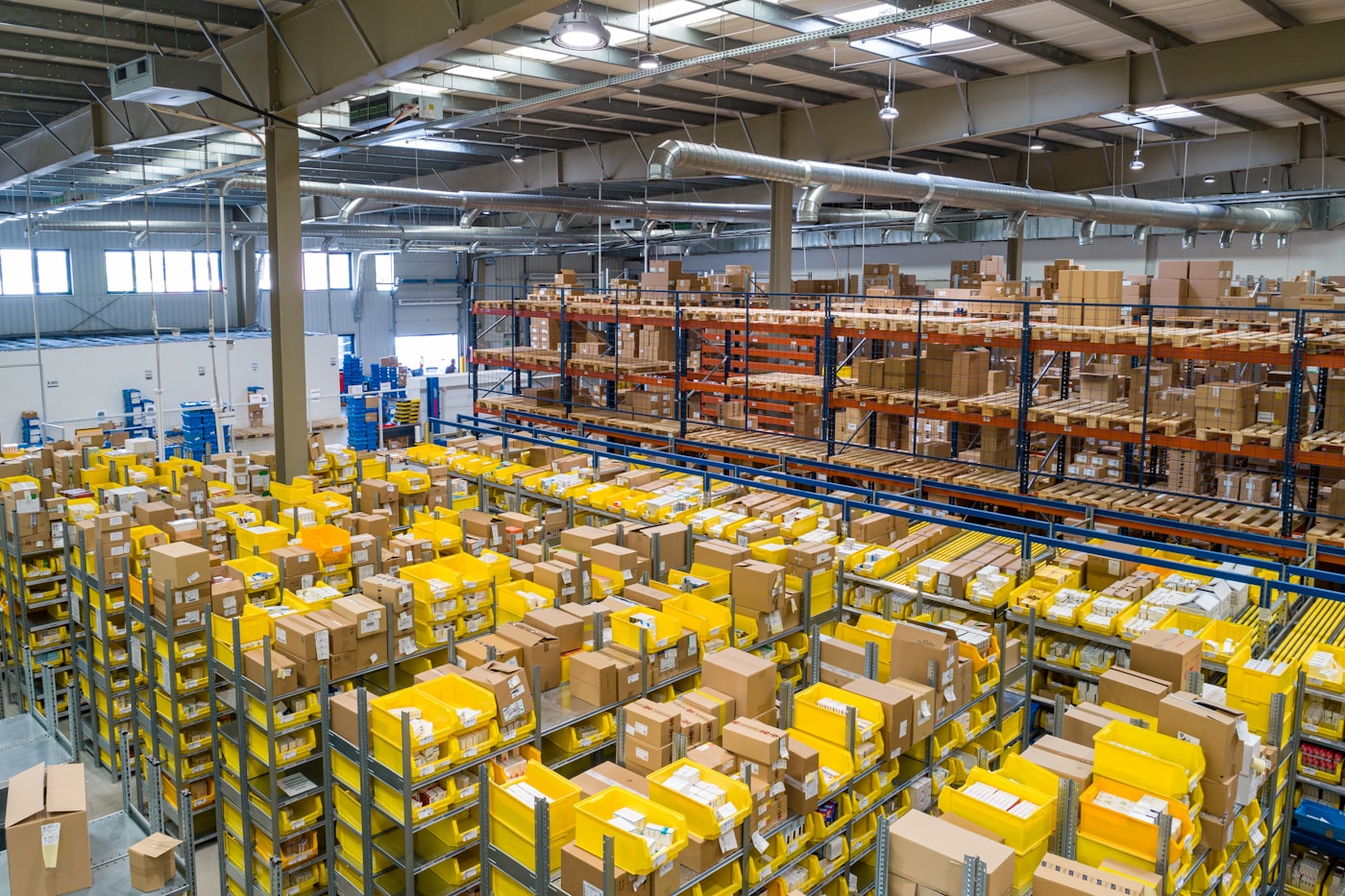
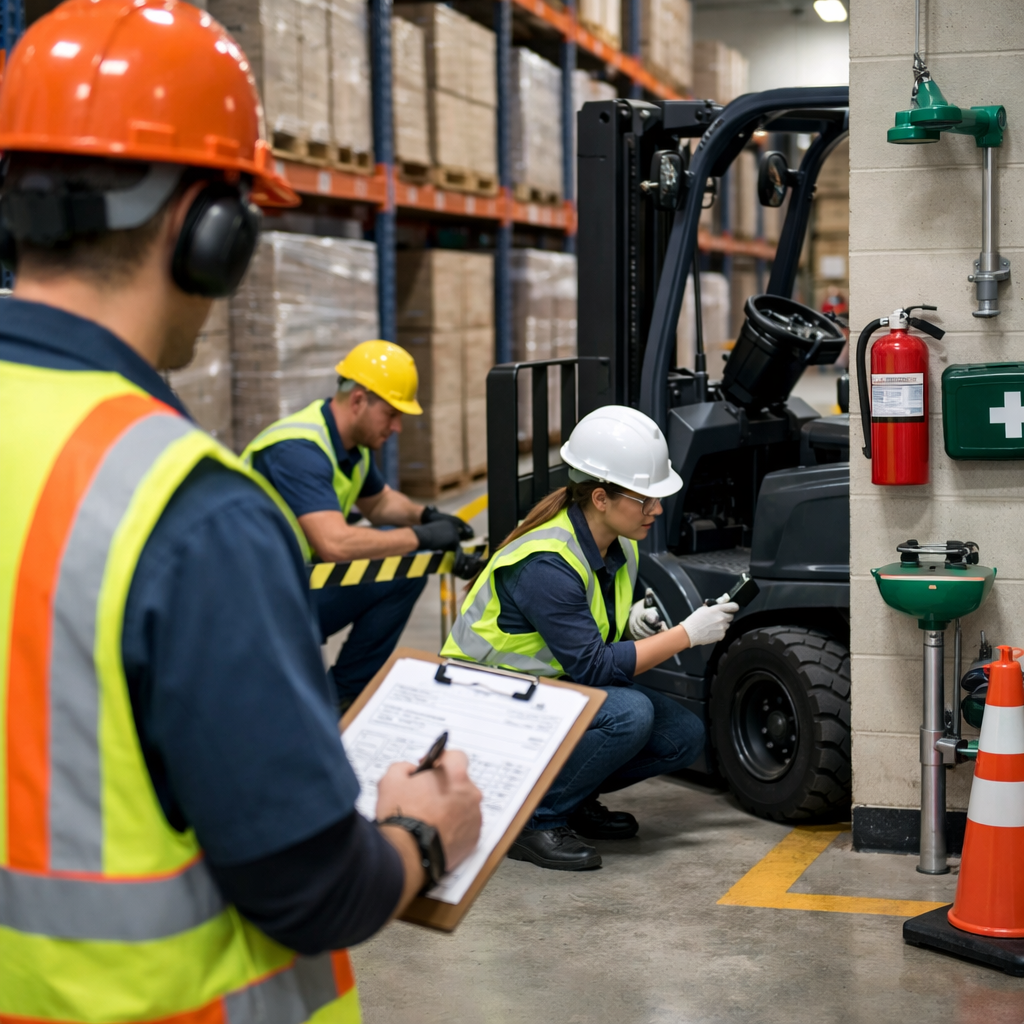
Warehouse safety procedures are essential for reducing the daily risks that come with moving vehicles, stored goods, manual handling, and fast-paced operations.
In a busy warehouse, even routine tasks can lead to injuries when traffic routes are unclear, pedestrian areas are not protected, loads are stacked poorly, or housekeeping slips. A strong safety system helps prevent incidents before they happen and supports smoother, more productive work.
Effective safety programs do more than rely on workers being careful. They combine planning, physical controls, supervision, training, and regular inspections. This approach aligns with the Hierarchy of Controls, which prioritizes removing hazards where possible, then reducing exposure with engineering and administrative controls before relying on personal protective equipment.
Guidance from organizations such as OSHA and CCOHS reinforces the same message: safe warehouses are designed, maintained, and managed with risk reduction in mind. The following warehouse safety procedures focus on four of the most common day-to-day risk areas: traffic routes, pedestrian safety, stacking, and housekeeping.
Warehouse Safety Procedures for Traffic Routes
Vehicle movement is one of the biggest hazards in any warehouse. Forklifts, pallet jacks, delivery trucks, and other mobile equipment often share limited space with workers, stock, and loading operations. Without defined traffic rules, collisions and near misses can quickly become part of daily work.
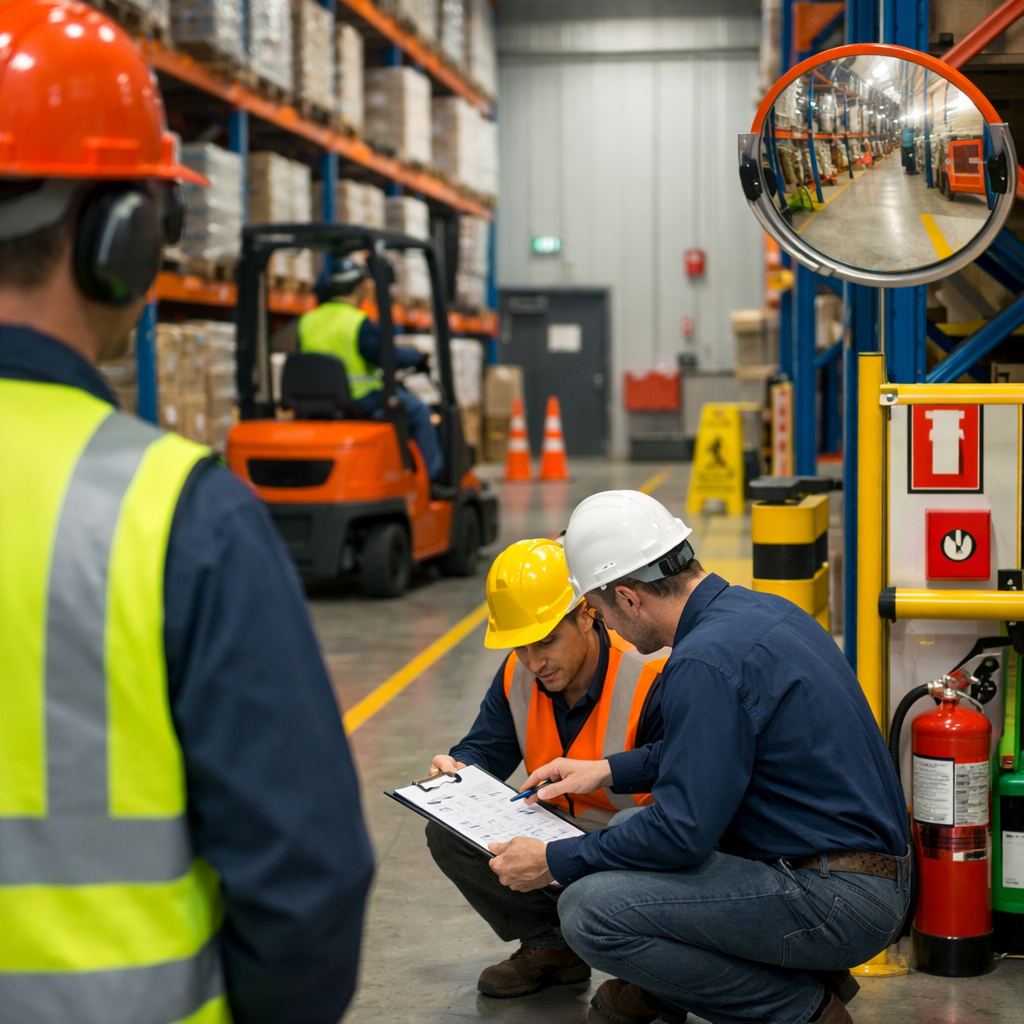
Strong warehouse safety procedures for traffic routes begin with layout design. Travel paths should be marked clearly, kept wide enough for the equipment in use, and separated from storage and pedestrian areas wherever possible. Floor markings, barriers, mirrors at blind corners, and one-way systems can dramatically reduce conflict points.
Control traffic with clear site rules
Every warehouse should have written traffic management rules that drivers and pedestrians understand. This includes speed limits, right-of-way rules, horn use at intersections, reversing procedures, and safe parking expectations. Loading dock zones also need special controls because visibility, time pressure, and uneven surfaces increase risk.
Good practice includes:
- Marking forklift lanes and pedestrian walkways in contrasting colors
- Installing guardrails or bollards where people work near vehicle routes
- Using stop signs, mirrors, warning lights, and overhead clearance signs
- Restricting mobile phone use while operating vehicles or walking in active traffic zones
- Inspecting floors for damage that could affect steering, braking, or load stability
Use the Hierarchy of Controls on vehicle risks
The best control is separation. If pedestrians and powered equipment can use different routes, the risk drops immediately. Where full separation is not possible, engineering controls such as barriers, gate systems, and flashing warning devices should be used before relying only on signs or worker awareness.
Administrative controls matter too. Driver authorization, refresher training, pre-use inspections, and incident reporting all support safer traffic movement. Many warehouses also benefit from a formal route review during layout changes, especially after adding racking, packing stations, or seasonal storage areas. For more guidance on site planning, see your company’s safety training resources and workplace risk assessment process.

Warehouse Safety Procedures That Protect Pedestrians
Pedestrian safety deserves its own focus because people on foot are exposed to vehicles, falling objects, slips, and blind spots throughout the shift. Workers picking stock, crossing aisles, wrapping pallets, or checking inventory can be injured if the environment does not actively protect them.
One of the most effective warehouse safety procedures is to create dedicated pedestrian routes that are direct, visible, and physically protected in higher-risk zones. Workers should never have to choose between taking a shortcut through a forklift aisle or walking an unreasonable distance to stay safe.
Make pedestrian zones visible and predictable
Crosswalks should be marked at logical crossing points, especially near doors, battery charging areas, dispatch points, and packing lines. Where people and vehicles intersect, use barriers, self-closing gates, warning lights, or floor sensors when appropriate. High-visibility clothing can help, but it should support stronger controls rather than replace them.
Pedestrian safety also depends on behavior. Workers need training on staying within walkways, making eye contact with drivers before crossing, avoiding distraction, and reporting damaged barriers or faded markings. Visitors and contractors should receive the same information before entering active warehouse areas.
Simple daily checks that reduce exposure
Supervisors can lower risk by making pedestrian safety part of daily operations. A short start-of-shift review can identify blocked walkways, poor lighting, temporary hazards, or changes in traffic flow caused by receiving peaks or maintenance activity.

| Risk Area | Common Hazard | Practical Control Measure |
|---|---|---|
| Crossing points | Pedestrians entering forklift lanes unexpectedly | Marked crossings, gates, mirrors, and warning lights |
| Picking aisles | Workers stepping into vehicle routes | Separate pick paths and restricted vehicle access |
| Loading docks | Falls, trailer movement, and struck-by risks | Dock locks, edge protection, and controlled access |
| Visitor access | Unfamiliarity with site hazards | Induction, escort rules, and designated walkways |
These measures are practical, affordable, and easy to reinforce. They also reflect advice commonly found in warehouse safety guidance from HSE workplace transport resources.
Warehouse Safety Procedures for Safe Stacking and Storage
Poor stacking is a common cause of falling objects, collapsed loads, product damage, and access problems. In many facilities, unstable storage develops gradually as workers respond to delivery peaks, limited space, or pressure to move stock quickly. That is why warehouse safety procedures for stacking need to be specific, visible, and enforced consistently.
Safe stacking starts with understanding the load. Pallets, cartons, drums, and irregular items all behave differently. Workers should know weight limits, height restrictions, stacking patterns, and whether the load can be safely double-stacked. Damaged pallets and weak packaging should never be ignored because they can fail suddenly under load.
Keep loads stable and storage areas suitable
Stored materials should be placed on stable, level surfaces and arranged so they cannot lean, shift, or obstruct aisles. Heavy items belong lower down, while lighter and less frequently used stock can be stored higher if the racking system is rated and maintained correctly. Clearance from sprinklers, lights, and emergency equipment should always be maintained.
Practical stacking controls include:

- Checking pallet condition before use
- Following load height and weight limits for each storage zone
- Wrapping or securing unstable products before movement or storage
- Keeping aisles and emergency exits free from overhanging stock
- Inspecting racking for impact damage, corrosion, or missing components
Combine equipment rules with worker training
Forklift operators should place loads squarely and avoid pushing pallets into position in ways that damage stock or racking. Workers who hand-stack goods need training in both stability and manual handling. A stack that is safe structurally can still create injury risks if workers have to reach awkwardly, twist under load, or lift from floor level repeatedly.
This is another area where the Hierarchy of Controls applies well. Eliminate unsafe storage practices, engineer stronger storage systems, set clear administrative rules, and use PPE only as a final layer. Helmets and safety footwear can reduce injury severity, but they do not stop a poor stacking decision from causing an incident.
Warehouse Safety Procedures for Housekeeping and Daily Risk Control
Housekeeping is often treated as a basic task, but it plays a direct role in preventing slips, trips, fire hazards, blocked access, pest issues, and vehicle incidents. In reality, some of the most effective warehouse safety procedures are simple housekeeping habits done consistently every day.
When shrink wrap, broken pallets, straps, spilled liquids, or misplaced stock are left in work areas, they interfere with both people and equipment. A cluttered aisle can force pedestrians into vehicle routes. Debris near racking can hide damage. Waste near charging areas or electrical equipment can increase fire risk.
Build housekeeping into the job, not after it
Good housekeeping should be part of each task rather than something saved for the end of a shift. Receiving teams should clear packaging as they unload. Pickers should report and isolate damaged stock immediately. Operators should not leave pallets in walkways “just for a minute,” because temporary obstructions often become routine hazards.
Effective housekeeping systems usually include designated waste points, spill kits, clear cleaning responsibilities, and inspection checklists. Supervisors should confirm that exits, fire equipment, eyewash stations, and electrical panels remain accessible at all times.
Make daily inspections short and useful
Daily checks work best when they are simple and action-focused. A quick walk-through can identify blocked routes, leaks, lighting failures, damaged floor surfaces, or loose packaging before they contribute to injury. Trends from these inspections should be reviewed regularly so recurring issues can be fixed at the source rather than cleaned up repeatedly.
In the end, the most successful warehouse safety procedures are the ones that become part of normal work. Clear traffic routes, protected pedestrian areas, stable stacking, and disciplined housekeeping all reduce exposure to common hazards every single day. By combining practical controls, worker involvement, and guidance from trusted bodies like OSHA and CCOHS, warehouses can lower incident rates and create safer, more reliable operations. If your site is reviewing risk controls, start with these core warehouse safety procedures and strengthen them through regular training, inspections, and continuous improvement.
No comments yet