

-

Comprehensive Overview of Occupational Health, Safety, and Environment (OHSE)
Occupational Health, Safety, and Environment (OHSE) is a comprehensive approach that integrates the principles of health, safety, and environmental protection within the workplace. It encompasses the management of risks and the promotion of well-being to ensure a holistic approach to the welfare of individuals, the community, and the environment in and around workplaces. Occupational Health,…
-
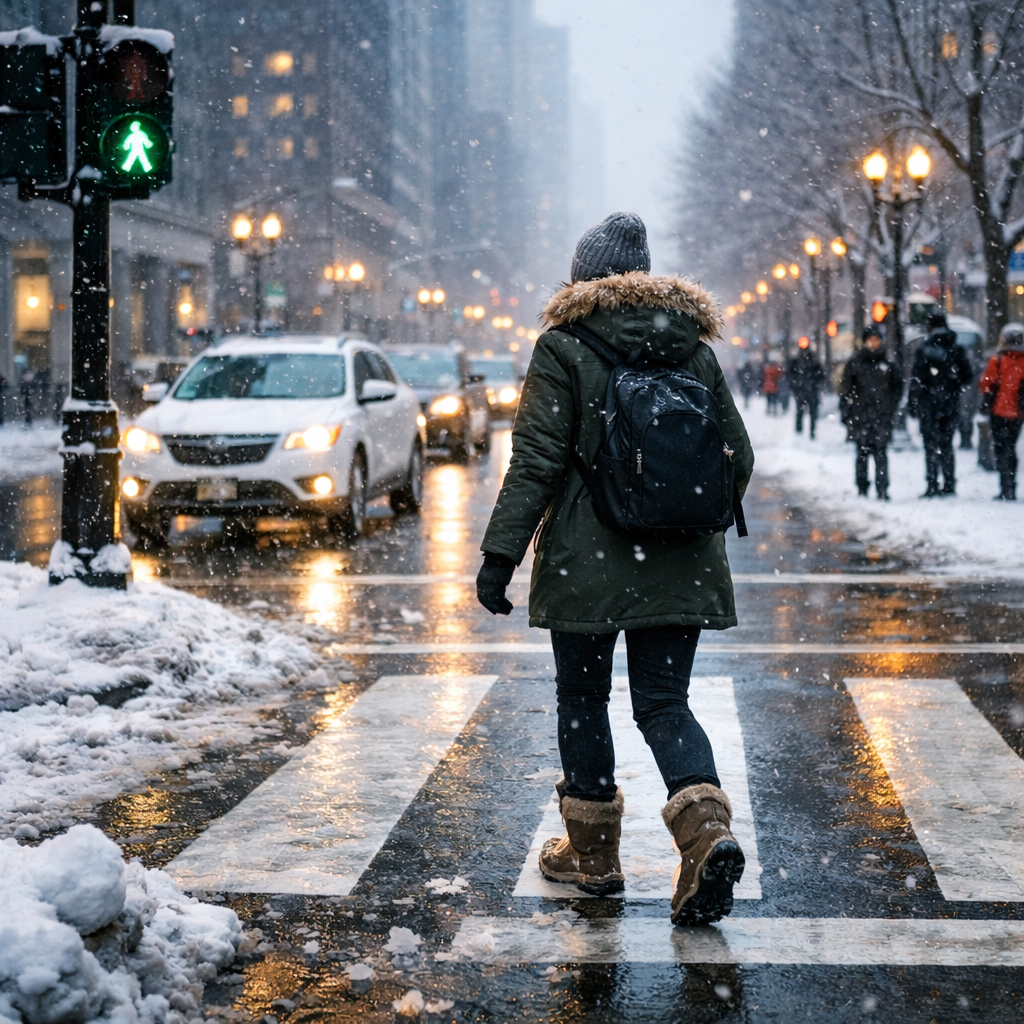
Crossing the Street in Winter: Essential Safety Rules Every Student Should Know
Crossing the street in winter requires extra caution. Learn practical safety rules for Canadian students, parents, schools, and young workers.
-
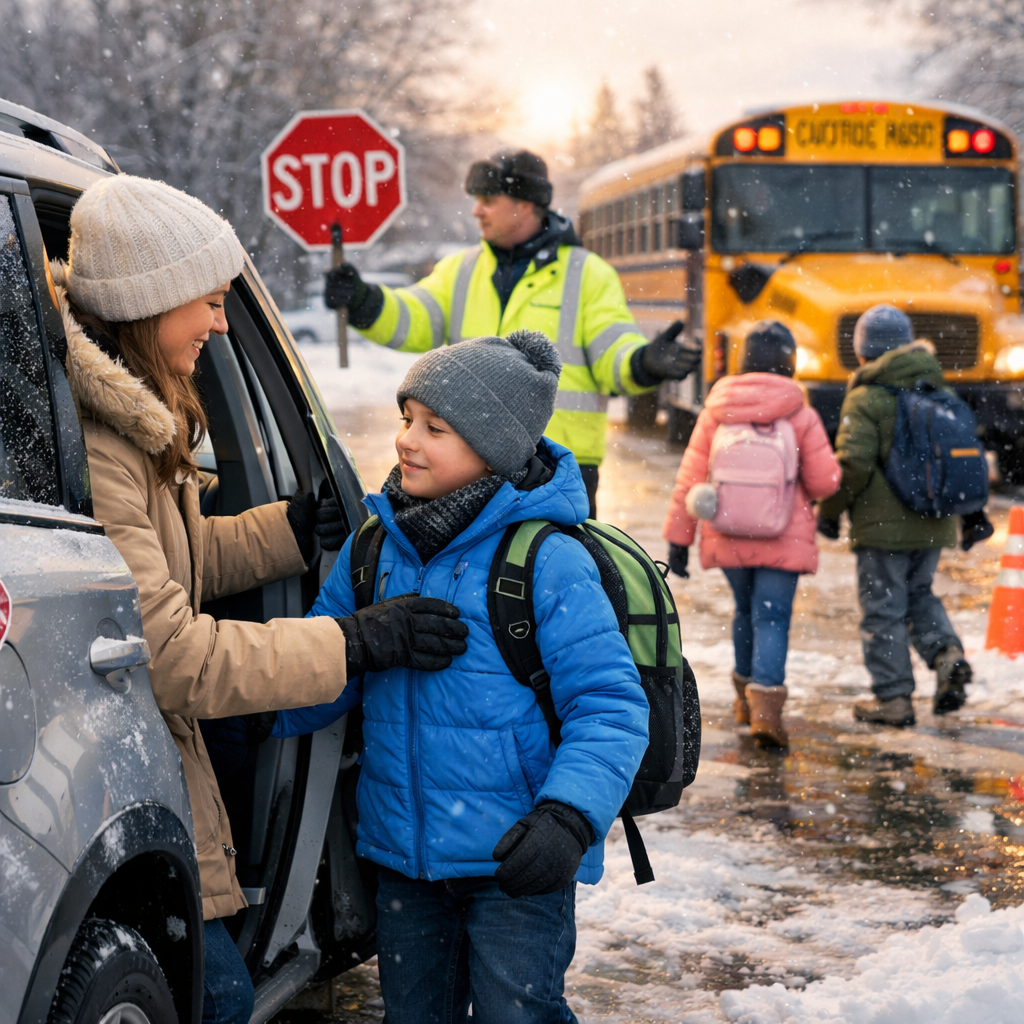
School Pickup Winter Safety: Essential Tips for Icy Parking Lots
School pickup winter safety tips for icy parking lots, including safe driving, walking, visibility, and winter hazard controls for Canadian families and schools.
-
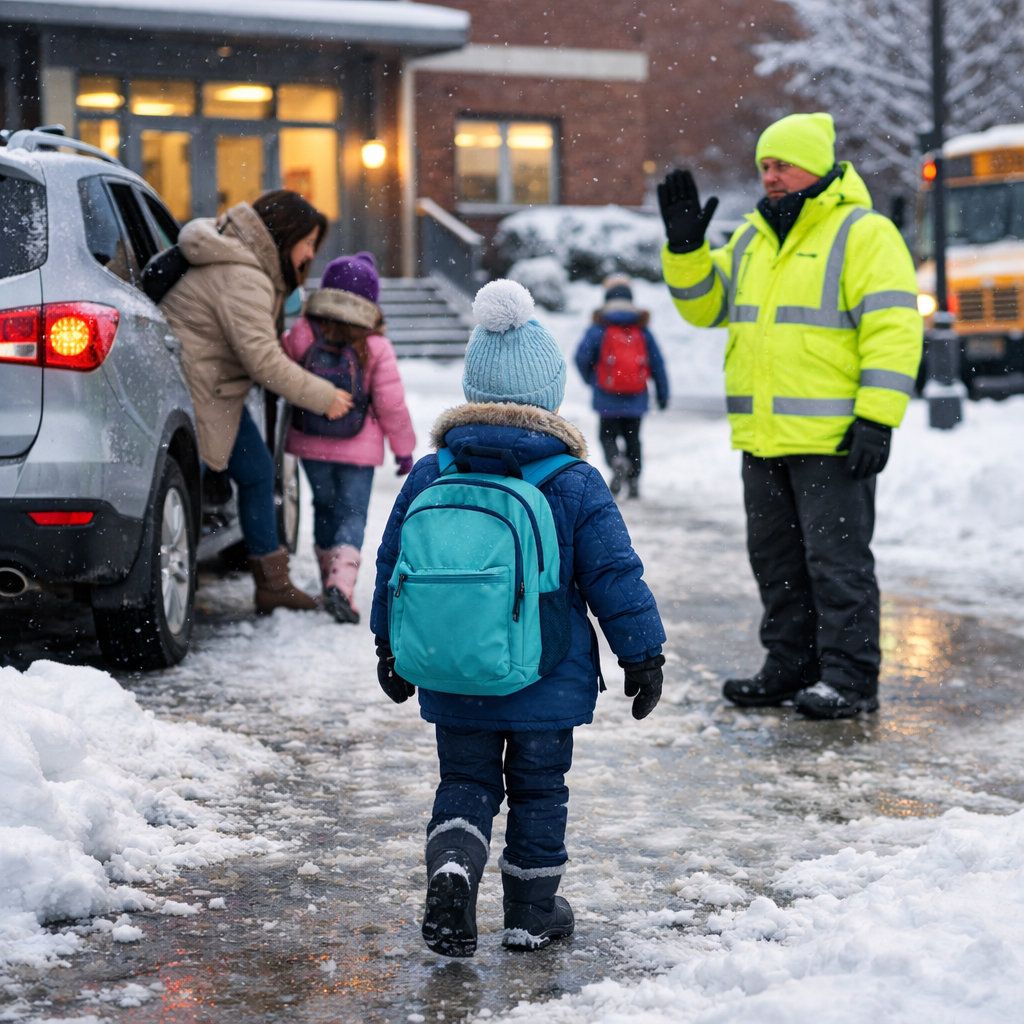
School Drop-Off Winter Safety: Essential Ways to Reduce Risks in Snowy School Zones
School drop-off winter safety tips for Canadian families and schools. Learn practical ways to reduce snow, ice, traffic, and visibility risks in busy school zones.
-
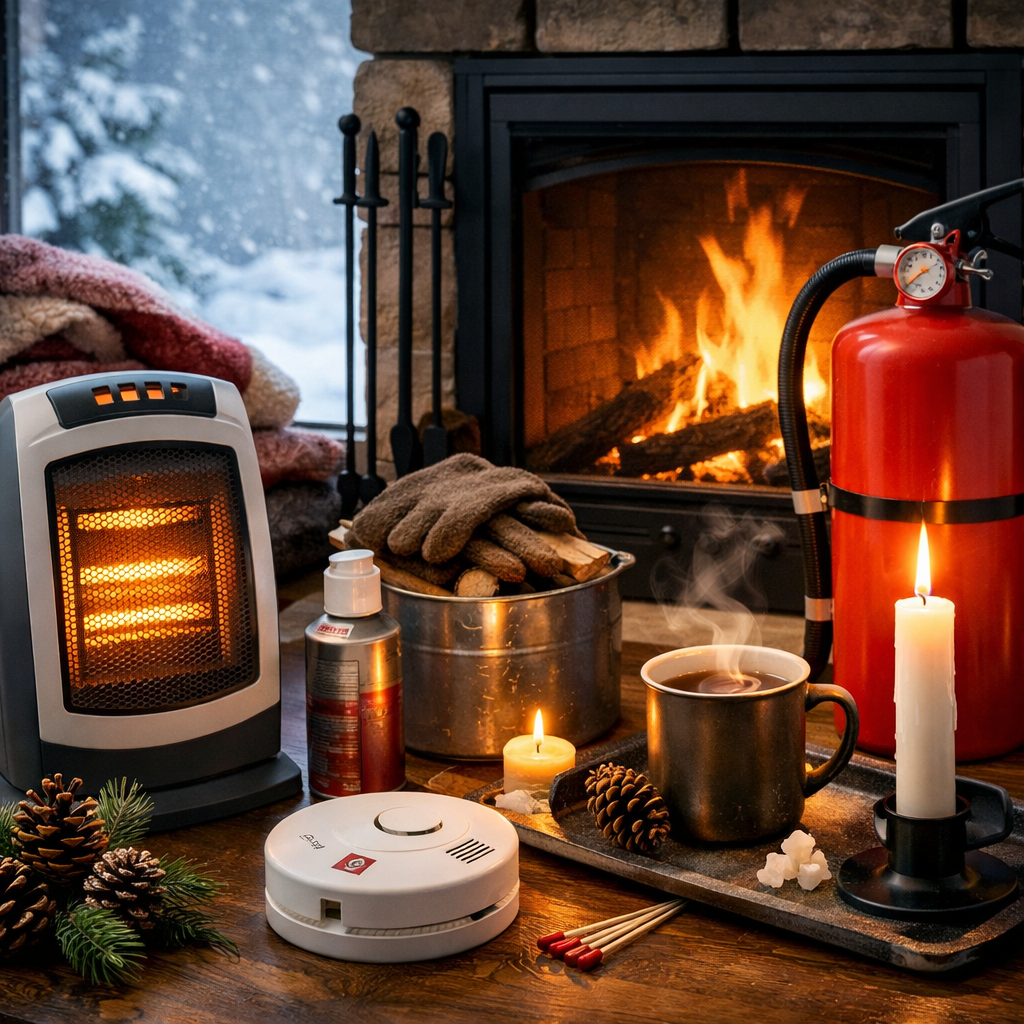
Winter Fire Safety: Smart Heating and Electrical Tips for Families
Winter fire safety tips for Canadian families, students, and young workers, with practical advice on heaters, electricity, smoke alarms, and emergency readiness.
-
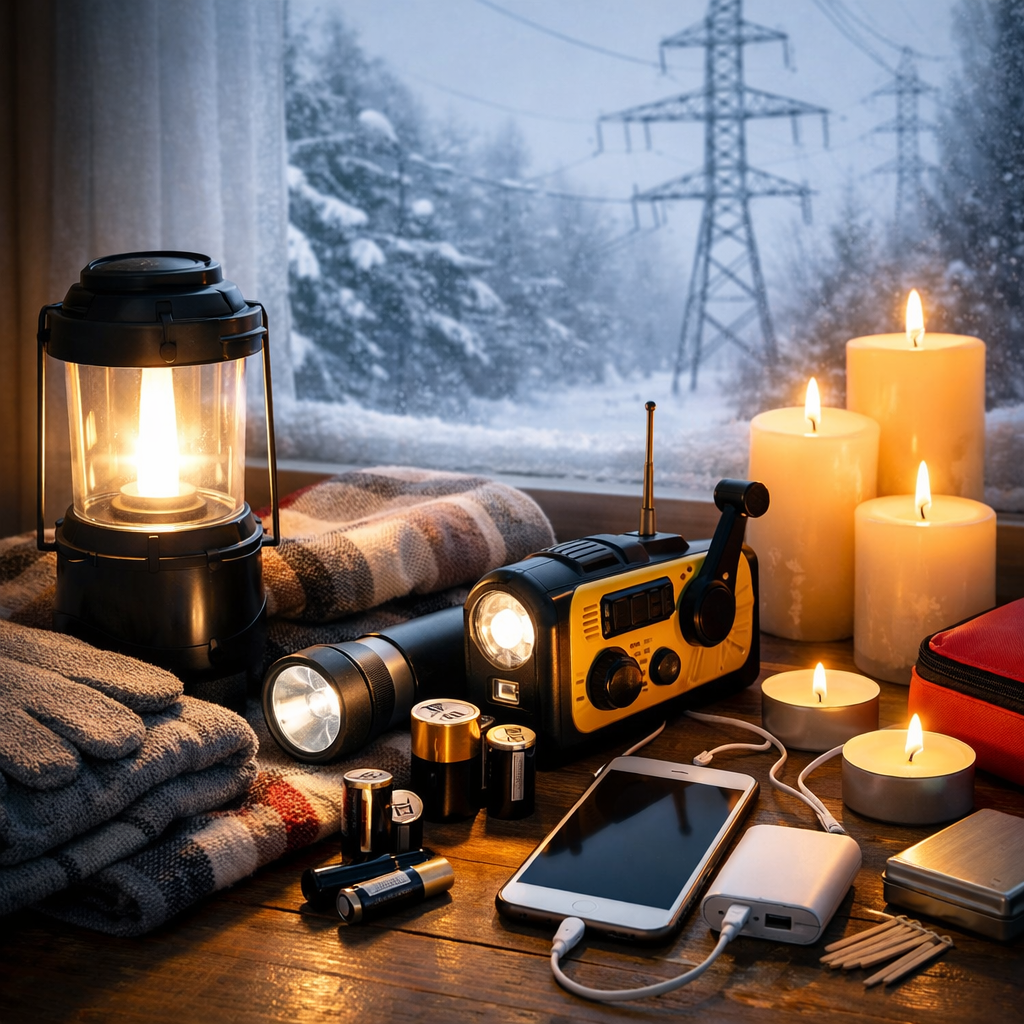
Winter Power Outage Safety: A Practical Family Preparedness Guide
Winter power outage safety tips for Canadian families, students, and young workers. Learn how to prepare, stay warm, avoid hazards, and build a simple outage plan.
-
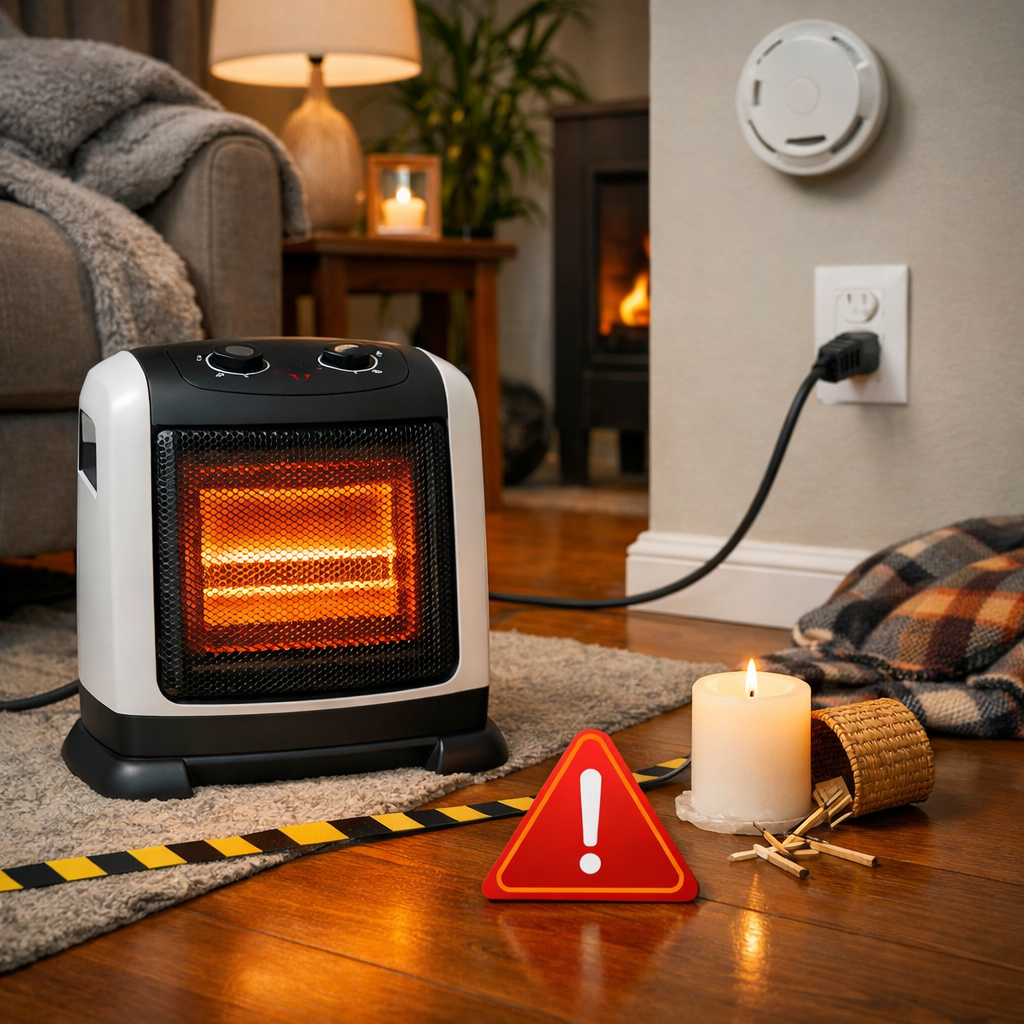
Space Heater Safety: Essential Winter Rules for Homes and Student Rooms
Space heater safety tips for Canadian homes and student rooms. Learn essential winter rules for placement, electrical use, fire prevention, and daily safe habits.
-
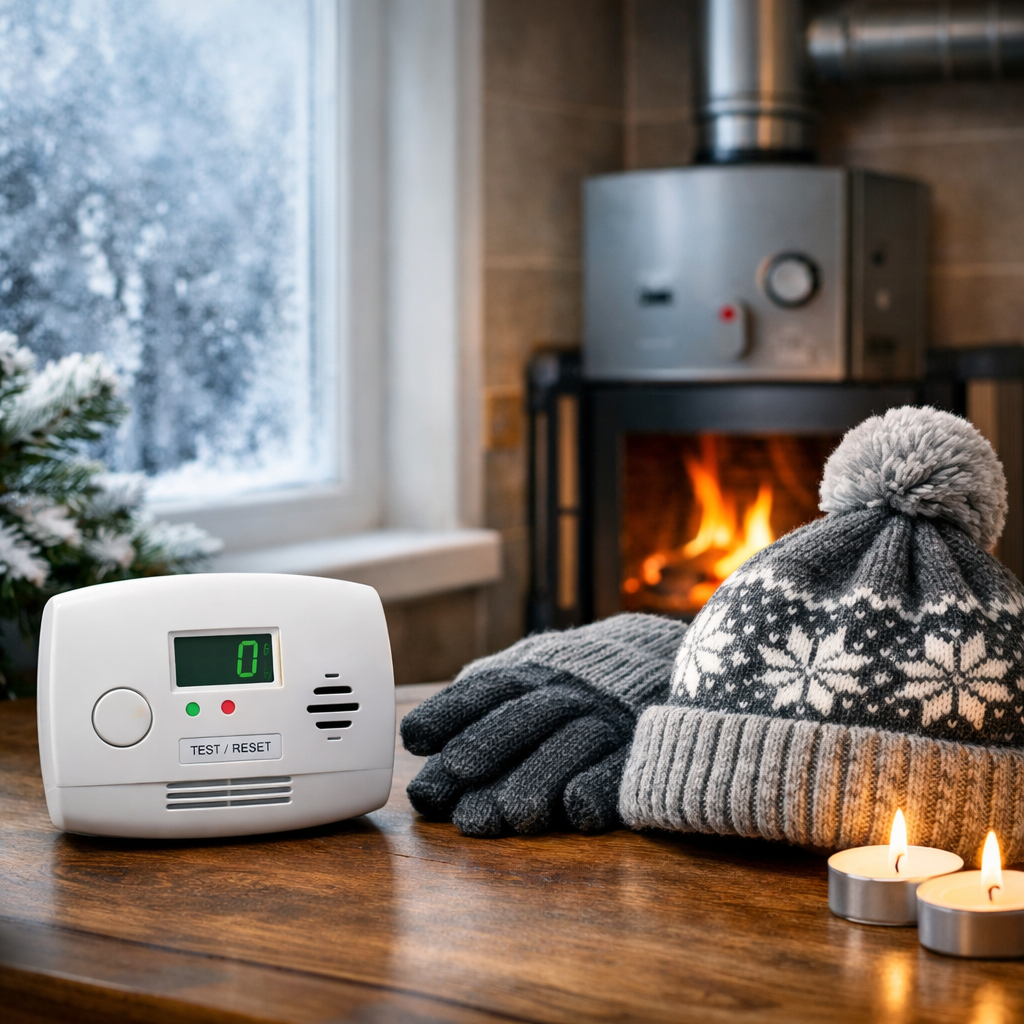
Carbon Monoxide Safety in Winter: Critical Protection for Families
carbon monoxide safety in winter: Learn practical prevention tips for Canadian families, schools, and young workers, including alarms, maintenance, and winter safety checks.
-
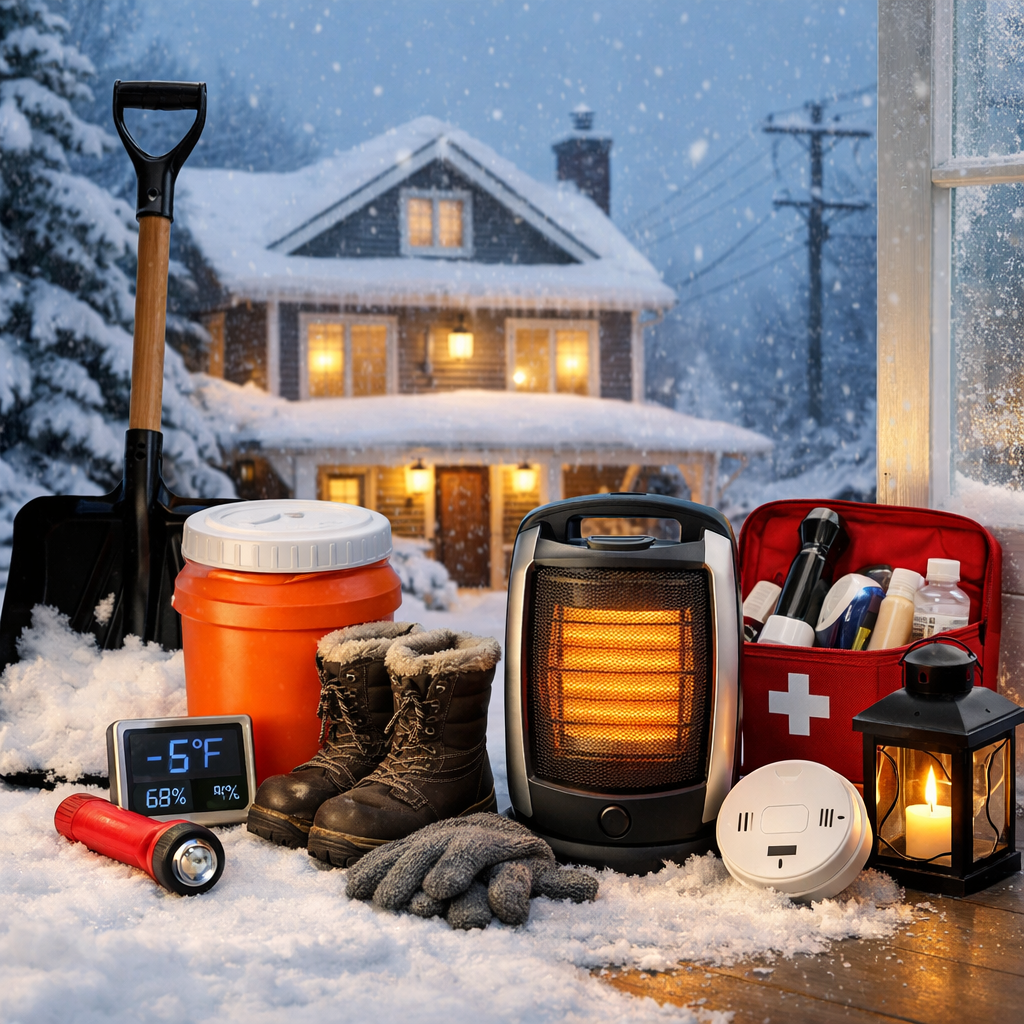
Snow Day Home Safety: Essential Tips for Children Staying Home
Snow day home safety tips for children staying home, with practical advice for indoor hazards, outdoor winter play, supervision, and emergency readiness.
-
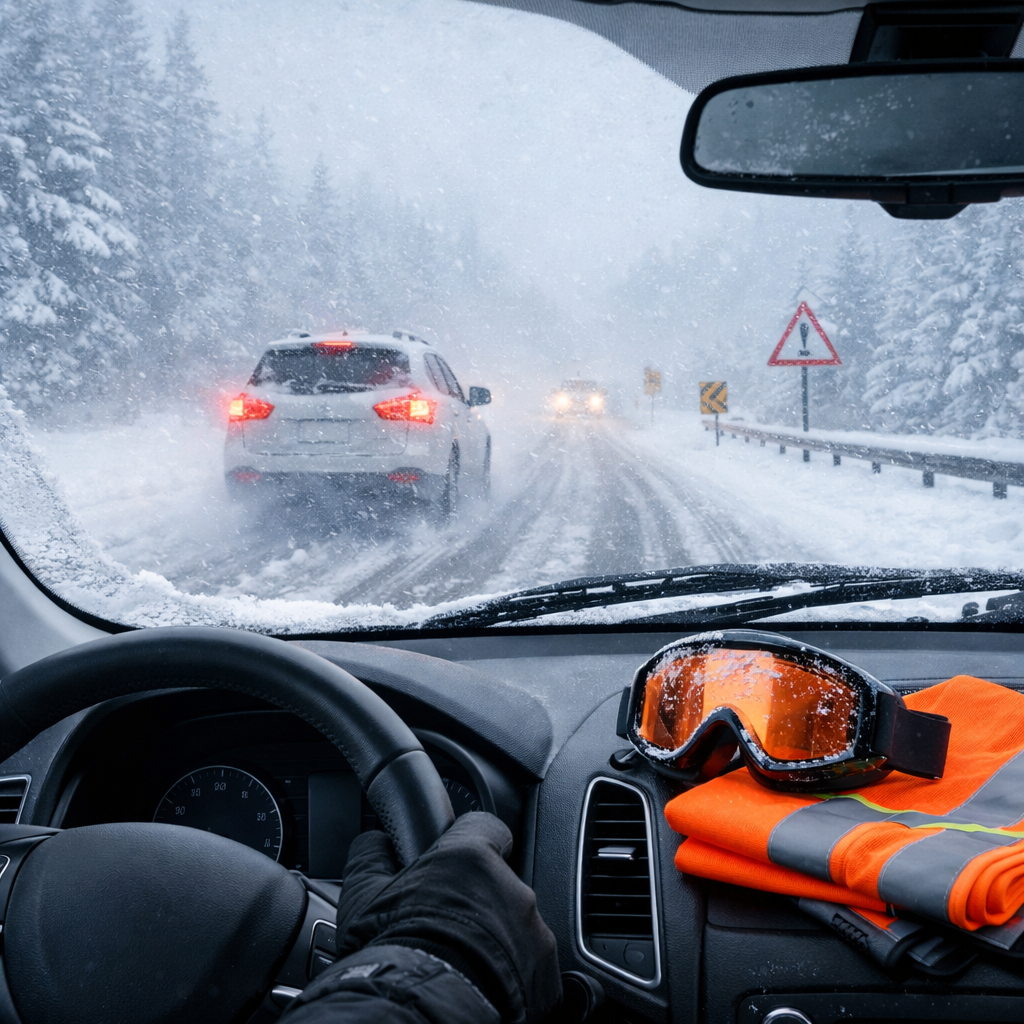
Winter Visibility Safety: Practical Ways to Help Students Be Seen in Dark Mornings and Evenings
Winter visibility safety tips for Canadian students, parents, and schools. Learn practical ways to help children be seen in dark winter mornings and evenings.
-
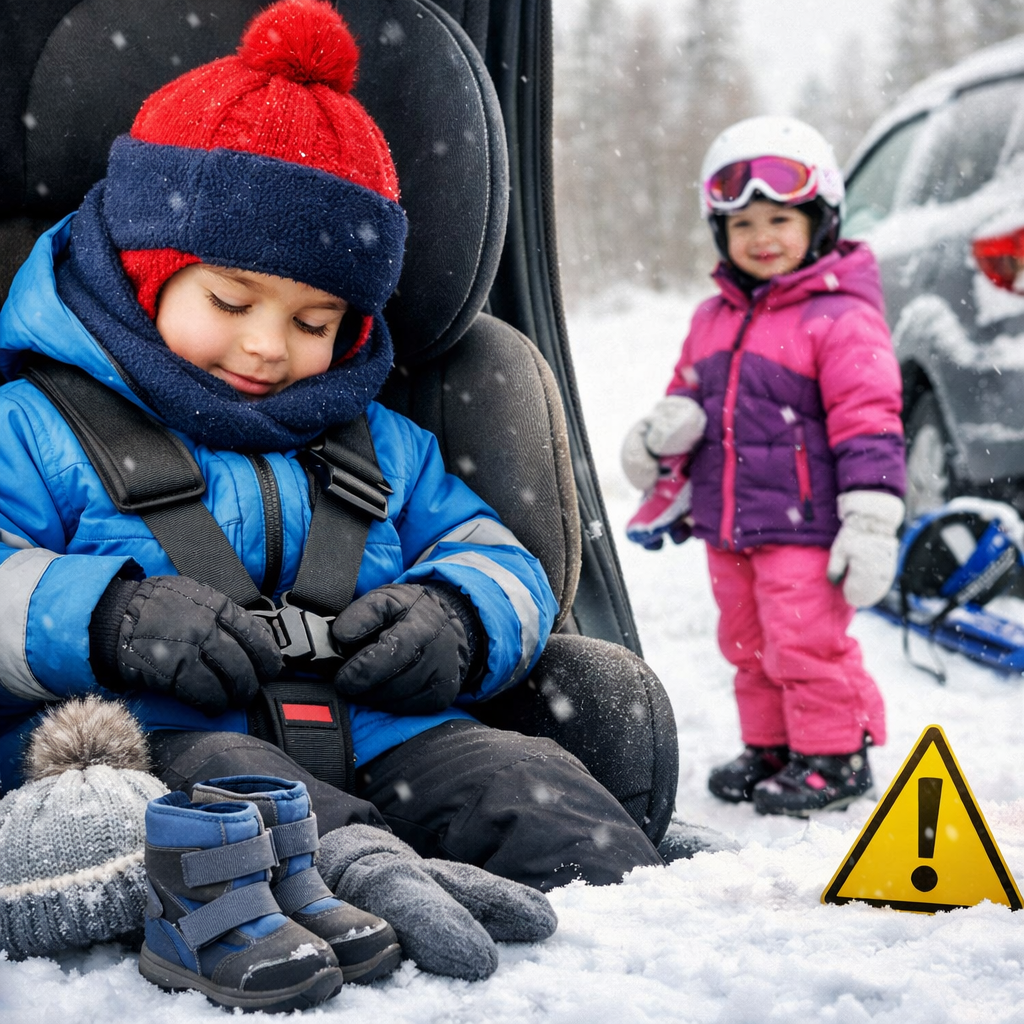
Winter Clothing Safety for Kids: A Practical Guide to Layers, Visibility, and Outdoor Comfort
Winter clothing safety for kids explained with practical tips on layering, visibility, footwear, comfort, and daily winter routines for Canadian families and schools.


