

-

Comprehensive Overview of Occupational Health, Safety, and Environment (OHSE)
Occupational Health, Safety, and Environment (OHSE) is a comprehensive approach that integrates the principles of health, safety, and environmental protection within the workplace. It encompasses the management of risks and the promotion of well-being to ensure a holistic approach to the welfare of individuals, the community, and the environment in and around workplaces. Occupational Health,…
-

Hazards in Healthcare Settings: Unique Risks and Controls
Healthcare settings are inherently complex environments that present a diverse range of hazards. Unlike traditional workplaces, healthcare facilities house a unique blend of physical, chemical, biological, and psychosocial risks that can affect both workers and patients. This article delves into the unique hazards faced in healthcare settings and outlines effective control measures to mitigate these…
-
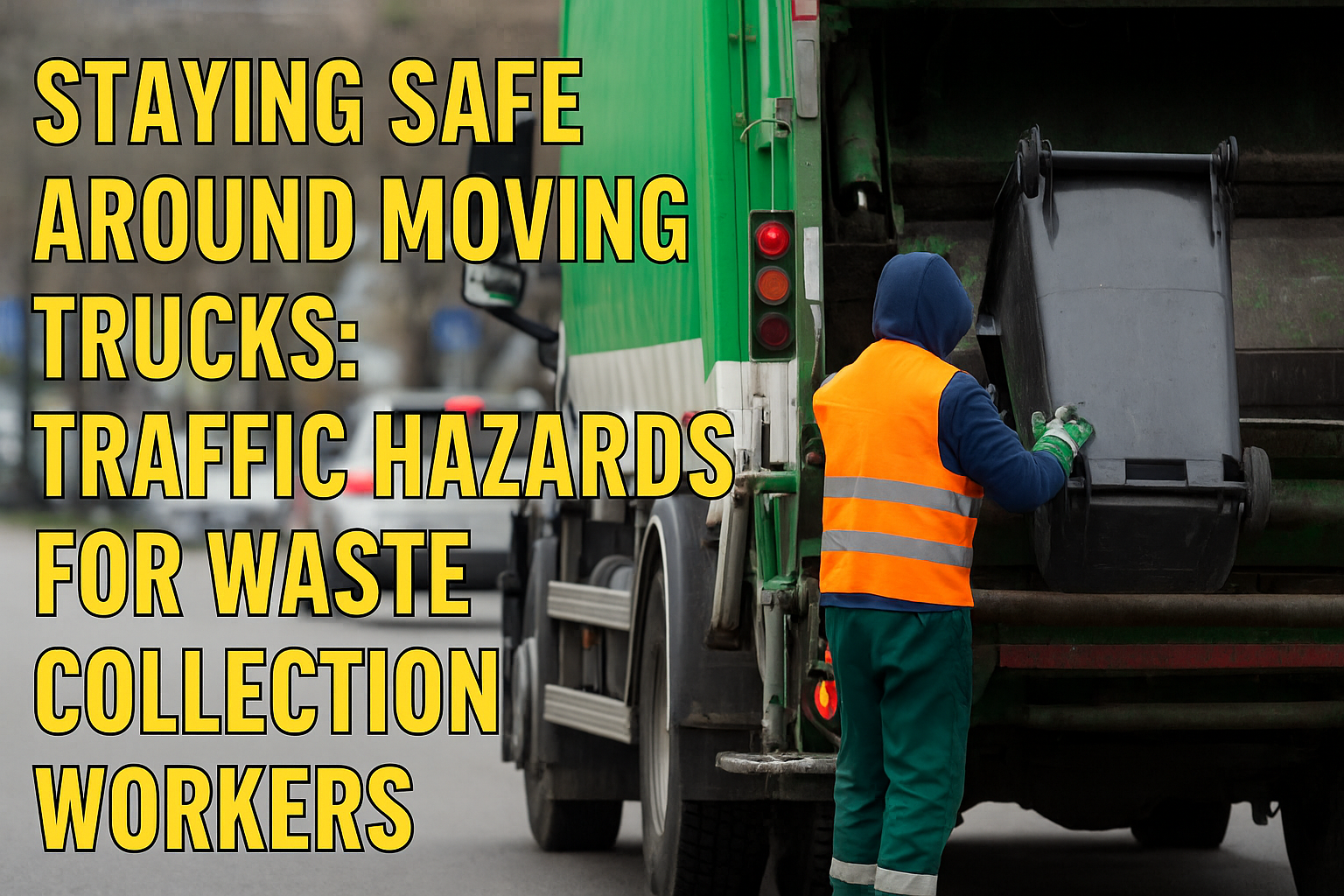
Staying Safe Around Moving Trucks: Traffic Hazards for Waste Collection Workers
Table of Contents Traffic Hazards for Waste Collection Workers Why Traffic Hazards Are a Serious Threat Understanding Truck Blind Spots Roadside Traffic Hazards Safe Riding and Positioning Practices Communication Between Crew and Drivers PPE and Visibility in Traffic Zones Case Study: A Preventable Tragedy Employer Responsibilities Building a Safety Culture Traffic Hazard Safety Measures Table…
-

Why public event safety planning matters in OHSE
public event safety planning: A Practical OHSE Guide for Safer Gatherings public event safety planning is the foundation of a successful gathering, whether the event is a community fair, music festival, sports day, conference, parade, or charity fundraiser. When safety is planned early and managed well, organizers protect workers, contractors, volunteers, vendors, performers, and attendees…
-

Ensuring Safety for Individuals with Mobility Challenges in Buildings
Occupational Health, Safety, and Environment (OHSE) is essential in creating safe and inclusive spaces, particularly for individuals with mobility challenges such as those using wheelchairs, stretchers, or walking sticks. Buildings need to be designed and maintained with features that accommodate their needs, ensuring not only safety but also ease of access. This article outlines the…
-

Woodworking Machines: Essential General Safety Practices for a Safer Workshop
Woodworking is a skillful trade that requires precision, creativity, and attention to detail. However, using woodworking machinery comes with its own set of risks. Equipment such as table saws, routers, jointers, planers, and sanders pose hazards that can lead to serious injuries if not handled correctly. In this article, we’ll cover essential safety practices to…
-

Driving for Work Safety Tips Start With Planning the Journey
Driving for Work Safety Tips: Practical Steps Every Mobile Employee Should Follow Driving for work safety tips should be part of every mobile employee’s routine, whether the job involves sales calls, site visits, deliveries, maintenance, community care, or travel between offices. When workers spend time on the road, driving becomes a workplace activity with real…
-
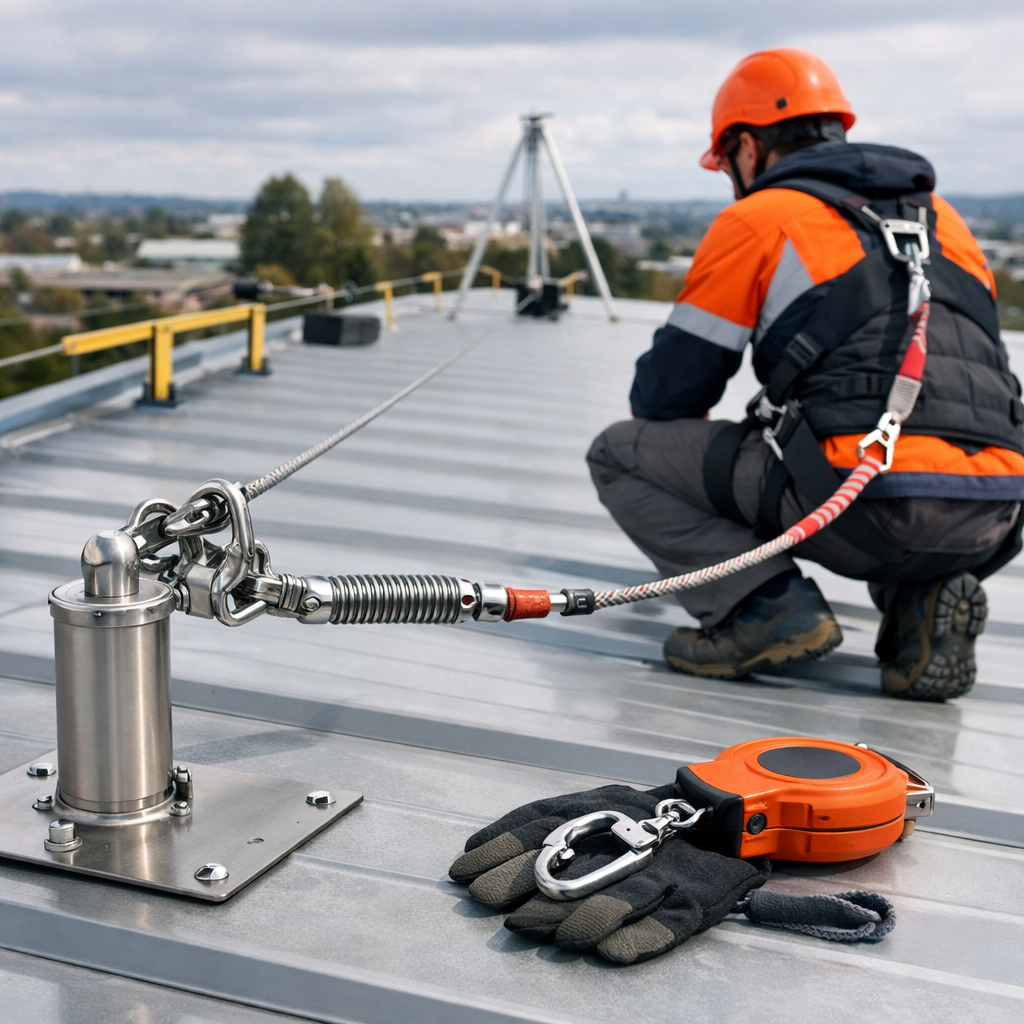
Why roofing fall protection systems matter in OHSE
Roofing Fall Protection Systems: Essential OHSE Controls for Safer Roof Work Roofing fall protection systems are one of the most important safety controls for any project that involves working at height. Whether the job is a small residential repair or a large commercial installation, falls from roofs remain a leading cause of serious injury and…
-
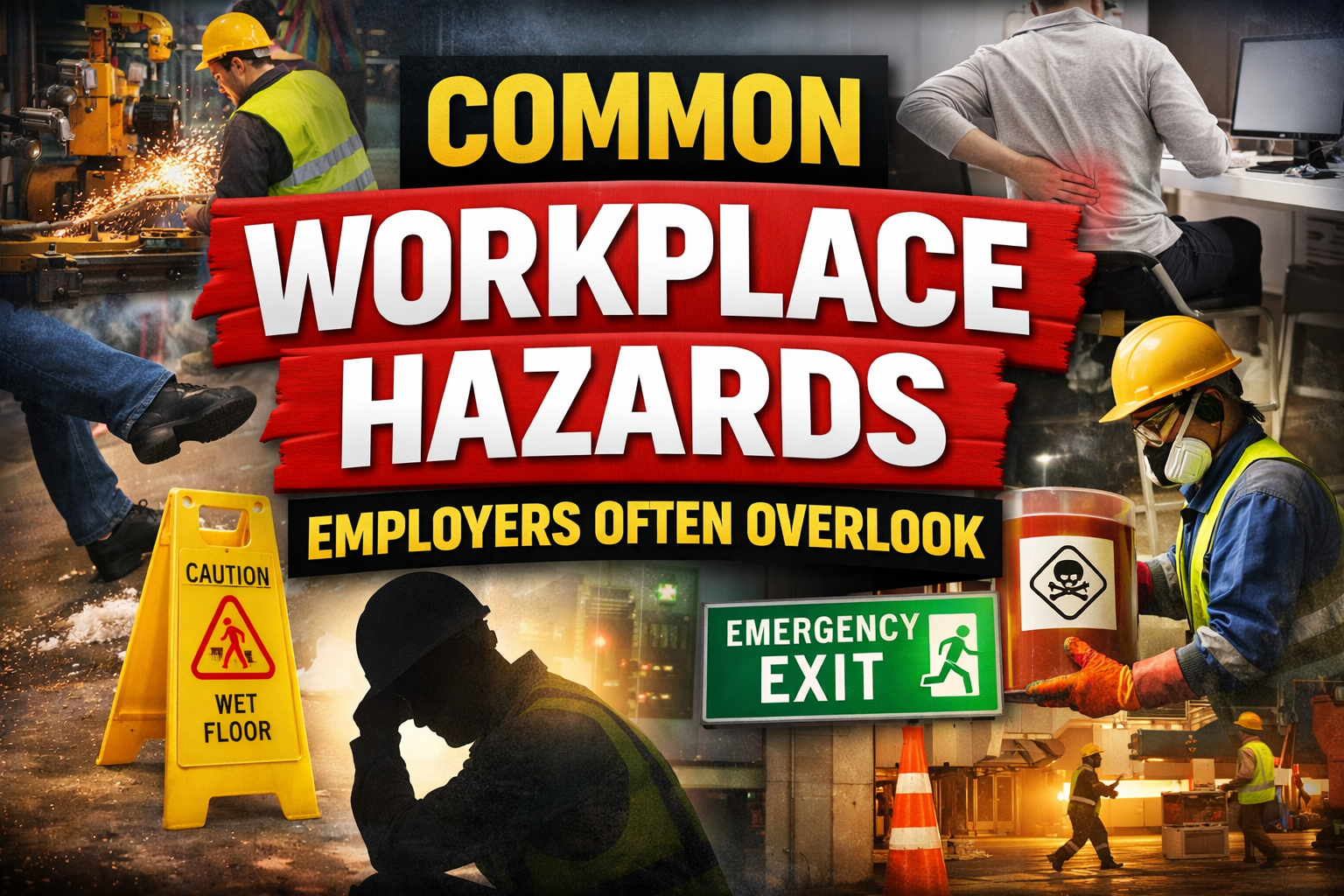
Common Workplace Hazards Employers Often Overlook – A Powerful Wake-Up Call for Safer Workplaces
Common Workplace Hazards Employers Often Overlook continue to put workers, businesses, and reputations at risk despite existing safety programs and compliance efforts. Many organizations focus heavily on obvious dangers such as heavy machinery, working at heights, or hazardous chemicals. While these are critical, some of the most damaging risks are hidden in plain sight—quietly increasing…
-

30 Hazardous Waste Safety Tips for Proper Handling
Hazardous Waste : Handling hazardous waste requires diligence, proper procedures, and adherence to safety regulations. Failing to manage hazardous waste safely can lead to environmental damage, health risks, and legal consequences. This article provides 30 essential safety tips for handling hazardous waste, ensuring the well-being of workers, communities, and the environment. Table of Contents 1.…
-

Investigating Non-Critical Injuries: Tips to Overcome Common Challenges
Workplace injuries, whether minor or severe, require thorough investigation to understand their causes and prevent future occurrences. While non-critical injuries, such as minor cuts, sprains, or bruises, may not have immediate serious consequences, they still play a significant role in the overall safety and health landscape of an organization. Investigating these incidents is essential to…


